
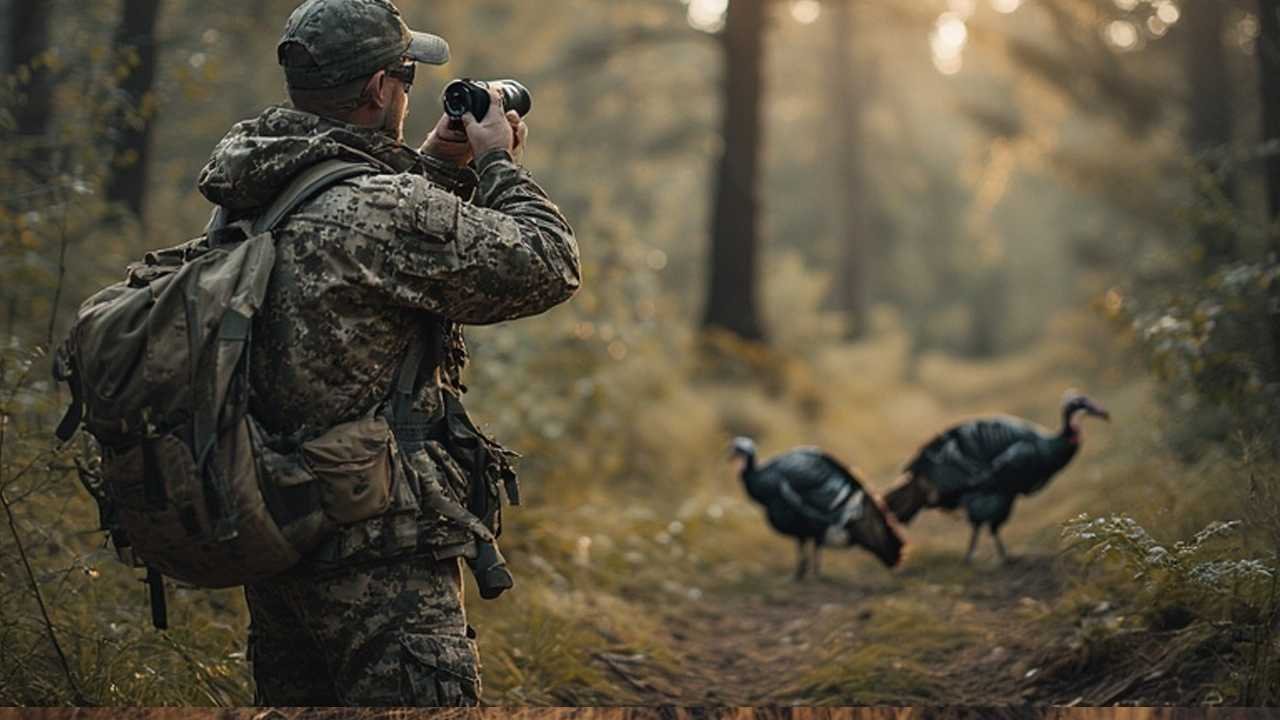
Oregon Turkey Season 2026-2027: Hunting Tags, Dates, and Rules
Organizing your upcoming fall flock hunt or spring gobbler chase in the Pacific Northwest? With a variety of habitats ranging from high desert landscapes to coastal forests, Oregon provides some of the most rewarding wild bird hunting opportunities in the West. Everything you need to know for the 2026–2027 hunting season is covered in this guide, from exact dates and information about wildlife management units to field rules and licensing requirements.
Knowing the state’s framework will help you stay successful, moral, and legal, whether you’re an experienced hunter scouting new territory or a novice hoping to fill your tag. To help you concentrate on what really matters—entering the field and having fun while hunting—let’s break down the dates, zones, bag limits, and regulations.
Quick Overview
| Species | Primary Seasons | Open Dates (2026-2027) | Legal Methods |
|---|---|---|---|
| Wild Turkey (Spring) | Spring General | April 15 – May 31, 2026 | Shotgun, archery, legal firearms; dogs prohibited |
| Wild Turkey (Fall) | Fall General | October 1 – November 30, 2026 | Shotgun, archery, legal firearms; dogs prohibited |
| Wild Turkey (Youth Spring) | Youth-Only Hunt | April 11 – April 12, 2026 | Same as general; youth must be accompanied |
Note: Specific unit closures or extended opportunities may apply. Always verify with the Oregon Department of Fish and Wildlife (ODFW) before your trip.
All Turkey Seasons – Detailed Breakdown
| Season Name | Dates | Units/Zones | Bag Limit | Permit/Tag Notes |
|---|---|---|---|---|
| Youth Spring Hunt | April 11–12, 2026 | Statewide (check unit exceptions) | 1 bearded bird | Youth must hold valid tag; adult supervision required |
| Spring General | April 15 – May 31, 2026 | Statewide; some units may have quota or closures | 1 bearded bird per tag (up to 3 tags total) | Purchase general or controlled hunt tags via ODFW |
| Fall General | October 1 – November 30, 2026 | Statewide; verify unit-specific rules | 1 bird of either sex per tag (up to 3 tags total) | Tags available over-the-counter and online |
| Controlled Hunt Opportunities | Varies by draw results | Specific units (e.g., Wenaha, Sled Springs) | Varies by unit | Apply during controlled hunt application period (typically January–February) |
From my experience preparing for spring hunts in the Cascade foothills, checking the ODFW’s online hunt synopsis a few weeks before your trip is a smart move—unit boundaries and road closures can shift year to year, especially after wildfire or habitat restoration work.
More Bird Species 🕊️
While wild birds are the star of this guide, Oregon’s upland game bird opportunities extend well beyond gobblers. Here’s a quick snapshot of other legally hunted species and their 2026-2027 frameworks:
- Ruffed Grouse & Blue Grouse (Dusky/Sooty): September 1, 2026 – January 31, 2027; bag limits vary by zone (typically 3 per day combined).
- Quail (Mountain, California, Bobwhite): October 1, 2026 – January 31, 2027; daily bag usually 10 combined.
- Hungarian Partridge & Chukar: October 1, 2026 – January 31, 2027; 6 per day combined in most units.
- Ring-Necked Pheasant: October 1, 2026 – January 31, 2027; daily bag of 2 roosters in most areas (varies by unit).
- Mourning Dove: September 1–15, 2026 and September 16 – October 30, 2026; 15 per day (federal frameworks apply).
Each of these species has specific regulations—weapon types, shooting hours, and open areas—so consult the annual ODFW game bird regulations before expanding your hunt plans.
Oregon Turkey Regulations 🌾
Understanding the rules keeps you safe, legal, and respectful of the resource. Here are the core regulations governing wild bird hunting in the state:
- Legal Weapons: Shotguns (10-gauge or smaller), rifles and handguns (.22 caliber or larger centerfire), muzzleloaders, and archery equipment (40-pound minimum draw). No fully automatic firearms.
- Shooting Hours: One-half hour before sunrise to one-half hour after sunset. Spring hunters often focus on early morning gobbler activity.
- Electronic Calls: Legal for fall hunts; prohibited during spring general and youth seasons. Mouth calls, box calls, and friction calls are fair game year-round.
- Decoys: Permitted, but use caution—other hunters may mistake them for live birds. Wear hunter orange when setting or retrieving decoys.
- Hunter Orange Requirements: Oregon does not mandate blaze orange for bird hunting, but wearing an orange hat or vest dramatically improves your visibility to other hunters.
- Tagging & Transport: Immediately attach your validated tag to the bird’s leg or breast before moving it from the kill site. Keep the tag with the carcass until it reaches your final destination or is processed.
- Land Access: Respect private property boundaries. Public lands—including national forests, BLM tracts, and state wildlife areas—offer extensive access, but some parcels require special permits or have seasonal closures.
- Ethical Hunting: Take clean, humane shots within your effective range. Retrieve downed birds promptly and pack out all trash and spent shells.
If you’re new to the Pacific Northwest landscape, terrain can be steep and thick. Good boots, layered clothing, and a GPS or map app are essential, especially if you’re venturing into backcountry units. Much like hunters do when planning trips to the California turkey season or other neighboring states, Oregon hunters benefit from advance scouting and familiarity with unit-specific rules.
License & Tag Fees 🎟️
Oregon structures its pricing to support conservation programs and habitat management. Here’s what you can expect for 2026-2027:
Resident Pricing
- Annual Hunting License: $36.75
- Spring Turkey Tag (general): $23.50 per tag (maximum 3 tags)
- Fall Turkey Tag (general): $23.50 per tag (maximum 3 tags)
- Youth Hunting License (ages 12–17): $10.00
- Senior License (65+): Reduced or free in some cases; verify eligibility with ODFW
Non-Resident Pricing
- Annual Hunting License: $176.50
- Spring Turkey Tag: $76.50 per tag
- Fall Turkey Tag: $76.50 per tag
Where to Purchase
- Online: ODFW Licensing Portal
- Authorized Retailers: Sporting goods stores, outdoor outfitters, and select rural general stores
- ODFW Offices: Regional offices during business hours
Youth hunters often qualify for reduced fees, making this an affordable way to introduce the next generation to ethical hunting. If you’re traveling from out of state, factor in the cost of non-resident licenses early—prices add up, and securing tags before prime spring weekends can prevent last-minute scrambling.
License Requirements
Who needs what? Oregon’s framework is straightforward but has a few nuances:
- Age: Anyone 12 years or older hunting without supervision must hold a valid license and tag. Youth under 12 may hunt under direct supervision of a licensed adult without purchasing their own license in some cases—check current ODFW rules for details.
- Hunter Education: All first-time hunters born after January 1, 1972, must complete an approved hunter education course before purchasing a license. Oregon honors certifications from other states and Canadian provinces.
- Landowner Permits: Some landowners receive bonus or preference tags if their property supports significant wildlife populations. These are controlled hunt opportunities and must be applied for separately.
- Military & Disabled Veteran Discounts: Active duty and honorably discharged veterans with disabilities may qualify for reduced-cost or free licenses. Documentation is required at the time of purchase.
From my perspective, taking a hunter education course—even if you’re not required to—builds confidence and safety skills that pay dividends in the field. Many courses now offer online modules followed by a short field day, making it easier than ever to get certified.
For more context on how other Western states structure their frameworks, the National Wild Turkey Federation provides state-by-state comparisons and conservation updates that can help you understand regional trends and hunting ethics.
FAQs Section
Q: What’s the best time of day to hunt gobblers in the spring?
A: Early morning, starting about 30 minutes before sunrise, is prime time. Toms often gobble from the roost at first light and fly down to strut for hens. Late morning and midday can also be productive if you’re patient and willing to move to new areas.
Q: Can a first-time hunter legally hunt in Oregon?
A: Absolutely, as long as you’re 12 or older, have completed hunter education (if born after January 1, 1972), and hold a valid license and tag. Youth hunts are a great entry point, offering mentorship and a less crowded experience.
Q: Are electronic calls allowed during spring hunts?
A: No. Electronic or battery-powered calls are prohibited during the spring general and youth seasons. Fall hunts allow electronic calls, giving you more flexibility in your setup.
Q: What’s the difference between general and controlled hunt tags?
A: General tags are available over-the-counter (subject to quotas in some units) and allow you to hunt statewide during open dates. Controlled hunt tags are limited-entry permits awarded by lottery draw, often for high-demand or sensitive units with specific management goals.
Q: Can I hunt on public land without special permission?
A: Most national forest, BLM, and state wildlife areas are open to hunting during legal seasons, but always verify current access rules. Some areas require parking permits, have seasonal road closures, or restrict certain activities to protect nesting birds or other wildlife.
Q: Do I need to wear hunter orange?
A: It’s not legally required for bird hunting in Oregon, but it’s highly recommended for safety—especially in units with concurrent big game seasons or heavy hunter traffic. An orange hat or vest can prevent tragic accidents.
Q: How do I transport my harvested bird legally?
A: Attach your validated tag immediately after the kill and keep it with the carcass until you reach home or a processing facility. If crossing state lines, check destination state rules—some require the head or a wing to remain attached for species verification.
Conservation & Safety Add-Ons
Oregon’s hunting regulations aren’t just bureaucratic red tape—they’re rooted in decades of wildlife biology and habitat management. Seasonal bag limits, unit-specific closures, and permit quotas help maintain sustainable populations of wild birds and other game species. Revenue from hunting licenses and federal excise taxes on firearms and ammunition fund habitat restoration, research, and public access programs managed by ODFW.
When you follow the rules, you’re investing in the future of hunting. Overharvesting, trespassing, and unethical behavior erode public support and threaten access to the lands we all cherish.
Quick Safety Reminders
- Know your target and what’s beyond it. Never shoot at sound or movement alone.
- Treat every firearm as if it’s loaded, even when you’re certain it’s not.
- Communicate with your hunting partners about setup locations and shooting lanes.
- Carry a first aid kit and know basic emergency procedures for remote areas.
- Stay hydrated and dress in layers—Oregon weather can swing from frosty mornings to warm afternoons, especially in spring.
- Respect private property. Always ask permission, leave gates as you found them, and pack out your trash.
If you’re planning to hunt on public land access areas managed by state or federal agencies, consider purchasing a Northwest Forest Pass or checking for seasonal parking requirements. These small steps keep trails and trailheads in good condition and support ongoing land stewardship.
Conclusion
The framework for wild bird hunting in Oregon in 2026–2027 combines opportunity, difficulty, and stunning landscapes. Gobblers and other upland birds thrive in the state’s varied habitats, which range from the ponderosa forests east of the Cascades to the oak woodlands in the southwest.
It’s important to prepare ahead of time by reviewing the unit maps, getting your tags early, and keeping up with ODFW announcements. To safeguard the resource and guarantee that everyone has an equal opportunity at an unforgettable hunt, regulations are in place. Respect the land and the birds you hunt, double-check dates, and check your equipment.
Whether you’re calling in your first longbeard or chasing fall flocks with friends, Oregon delivers experiences you’ll talk about for years. Get out there, hunt responsibly, and enjoy the journey. For the most current rules and updates, always refer to the Oregon Department of Fish and Wildlife official resources before heading afield.
Good hunting, and may your calls echo back with a thunderous gobble!