
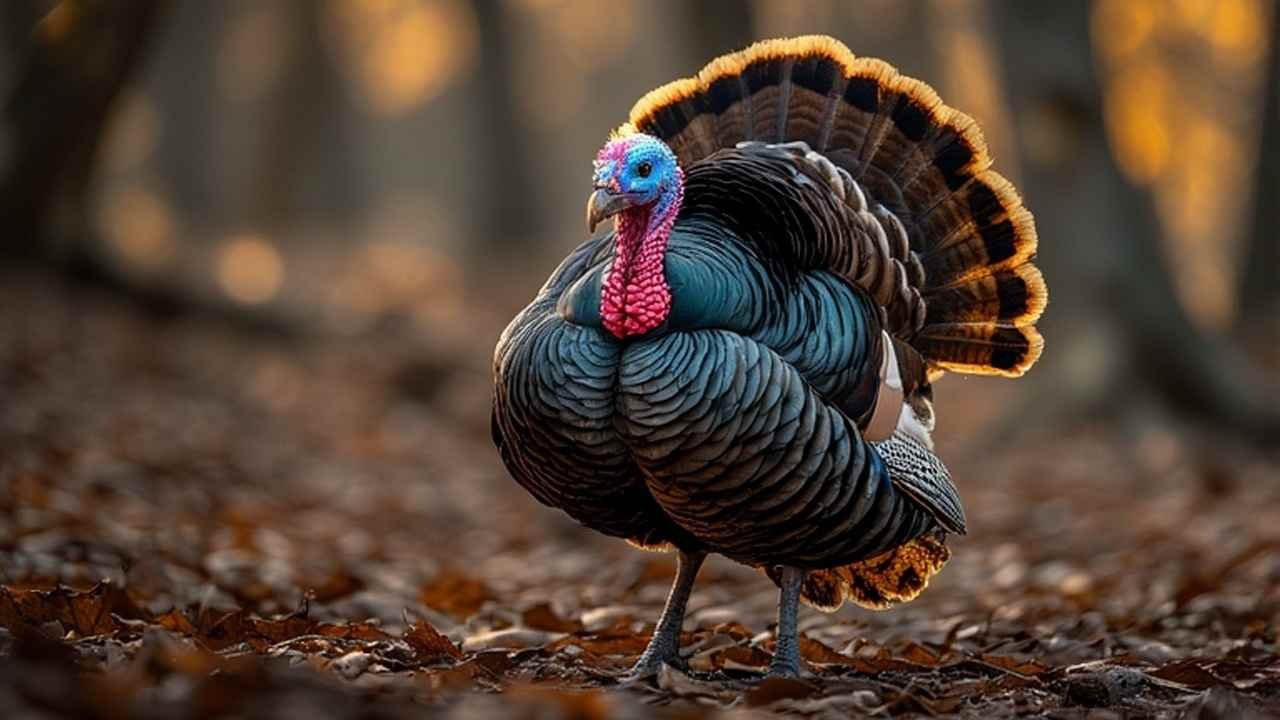
Pennsylvania Turkey Season 2026-2027: Spring Gobbler Hunting Season
You’re going to love the Keystone State if you intend to hunt gobblers this year. With possibilities from early spring to late fall, Pennsylvania has one of the healthiest wild bird populations in the eastern United States. Everything from precise dates and Wildlife Management Unit splits to license requirements and field restrictions is included in this handbook for the 2026–2027 hunting season. You’ll discover all the information you need to hunt successfully, ethically, and legally, regardless of your level of experience.
Quick Overview
| Bird Type | Primary Season Dates | Legal Methods |
|---|---|---|
| Spring Gobbler (Bearded Birds) | Late April – Late May 2027 | Shotgun, archery, muzzleloader; calls permitted |
| Fall Turkey (Any Sex) | Late October – Mid November 2026 | Shotgun, archery, muzzleloader; calls permitted |
| Youth-Only Spring Hunt | Mid-April 2027 | Shotgun, archery, muzzleloader (supervised) |
All Pennsylvania Turkey Seasons: Detailed Breakdown
Pennsylvania structures its wild bird hunts across multiple Wildlife Management Units (WMUs). Dates and regulations can vary slightly by zone, so double-check your specific WMU before heading out. Here’s the statewide framework for 2026-2027:
| Season Name | Dates | WMUs / Zones | Bag Limit | Tag/Permit Notes |
|---|---|---|---|---|
| Fall Turkey | October 31 – November 14, 2026 | Statewide (all WMUs) | 1 bird (any sex) | General hunting license required; one fall tag per hunter |
| Spring Gobbler (Youth) | April 17, 2027 (one day only) | Statewide | 1 bearded bird | Youth hunter must be accompanied by licensed adult; youth-only tag |
| Spring Gobbler (General) | April 24 – May 29, 2027 | Statewide | 2 bearded birds (max 1 per day) | Two spring tags available; second tag valid May 1 onward |
Note: Wildlife Management Units (WMUs) 1A, 1B, 2A, 2B, 2C, 2D, 2E, 2F, 2G, 3A, 3B, 3C, 3D, 4A, 4B, 4C, 4D, 4E, 5A, 5B, 5C, and 5D all follow the same statewide framework, but always verify zone-specific updates with the Pennsylvania Game Commission.
From my experience preparing for spring hunts, marking these dates on your calendar early—and scouting your chosen WMU a few weeks ahead—makes all the difference. Birds can shift roosting areas as the breeding cycle progresses, so pre-season observation pays off.
More Bird Species 🕊️
Pennsylvania isn’t just about gobblers. If you’re interested in diversifying your upland bird pursuits, the state offers several other opportunities during the 2026-2027 cycle:
- Ruffed Grouse: October 17, 2026 – November 28, 2026 (statewide); then December 7, 2026 – December 26, 2026 in select WMUs. Daily bag limit: 2 birds.
- Ring-Necked Pheasant: October 24, 2026 – November 28, 2026 (statewide); extended to December 26, 2026 in certain zones. Daily limit: 2 roosters.
- Bobwhite Quail: October 24, 2026 – November 28, 2026 (WMUs 4C, 4E, 5A, 5B, 5C, 5D only). Daily limit: 4 birds.
- Mourning Dove: September 1 – November 28, 2026, then December 19, 2026 – January 4, 2027. Daily limit: 15 birds.
Each species has distinct habitat preferences and hunting techniques. If you’re traveling from a neighboring state, you might also want to check out regulations elsewhere—like the New York turkey season if you hunt near the border. Comparing frameworks can sharpen your understanding of regional conservation strategies.
Pennsylvania Turkey Regulations 🌾
Staying compliant isn’t just about avoiding fines—it’s about respecting the resource and ensuring sustainable populations for future generations. Here’s what you need to know:
- Legal Weapons: Shotguns (20-gauge or larger recommended), archery equipment (compound or crossbow), and muzzleloading firearms are all permitted. Semi-automatic shotguns must be plugged to a three-shell capacity.
- Shooting Hours: Spring hunts begin at 5:00 a.m. and end at 12:00 p.m. (noon) daily. Fall hunts follow standard daylight hours (one-half hour before sunrise to one-half hour after sunset).
- Call Restrictions: Electronic calls and recordings are prohibited. Manual calls—slate, box, mouth diaphragm—are allowed and encouraged.
- Tagging Requirements: Immediately upon harvest, affix the appropriate tag to the bird’s leg before moving it. Report your harvest online or via phone within 10 days.
- Land Access: Public game lands are open to licensed hunters, but private land requires written permission. Always respect posted signage and carry proof of permission if hunting private parcels.
- Ethical Practices: Identify your target beyond all doubt. Bearded hens are legal during spring, but hens without beards are off-limits. Use proper hunting gear like blaze orange during fall overlapping rifle seasons for safety.
The Pennsylvania Game Commission enforces these rules to protect both hunters and wildlife. If you’re new to firearms safety, consider enrolling in a firearms safety training course—it’s not just a legal checkbox; it’s a skill investment.
License & Tag Fees 🎟️
Understanding the cost structure helps you budget and ensures you’re purchasing the correct documents. Here’s the breakdown for 2026-2027:
Resident Hunters
- General Hunting License: $20.97
- Spring Turkey Tag (includes two tags): Included with general license
- Fall Turkey Tag: Included with general license
Non-Resident Hunters
- General Hunting License: $101.97
- Spring Turkey Tag: Included with general license
- Fall Turkey Tag: Included with general license
Junior Hunters (Ages 12–16)
- Reduced-cost licenses available; check current youth pricing on the Pennsylvania Game Commission website
Senior Hunters (Ages 65+)
- Lifetime license holders may hunt with no additional tag fees; annual seniors receive standard discounts
Where to Purchase
You can buy licenses and tags online through the Pennsylvania Game Commission’s official HuntFish PA portal, by phone at 1-877-877-9717, or in person at authorized agents (sporting goods stores, county offices). I recommend the online route—it’s faster, and your tags are immediately available for printing. If you’re planning guided hunts or need outdoor insurance for your gear, some outfitters bundle licensing assistance into their packages, though you’ll still need to complete the purchase yourself.
For official pricing and updates, visit the Pennsylvania Game Commission website, the authoritative source for all regulatory details.
License Requirements
Not everyone needs the same documentation. Here’s who qualifies and what prerequisites apply:
- Age Minimums: Hunters aged 12 and older may purchase a general license. Youth under 12 may hunt under direct supervision with a mentored youth permit.
- Hunter Education: All first-time Pennsylvania hunters born after July 1, 1968, must complete an approved hunter-trapper education course before purchasing a license. The course covers wildlife identification, safe firearm handling, and field ethics. Many courses are offered online or in-person through the Game Commission.
- Proof of Residency: Residents must provide a valid Pennsylvania driver’s license or state ID. College students attending school in-state may qualify for resident rates with proof of enrollment.
- Landowner Exemptions: Pennsylvania landowners hunting on their own property still need a general license but may be exempt from certain fees if they meet acreage and residency criteria. Verify eligibility with the Game Commission.
If you’re coming from out of state, ensure your hunter education certificate is recognized. Pennsylvania honors certifications from most states, but it’s worth confirming ahead of time to avoid permit delays.
Frequently Asked Questions
Q: What’s the best time of day to hunt spring gobblers in Pennsylvania?
A: Early morning, right after fly-down, is prime. Birds are vocal, hens are searching for feeding areas, and toms are eager to respond to calls. I’ve had my best success in the first two hours after legal shooting light begins.
Q: Can beginners hunt turkeys in Pennsylvania?
A: Absolutely. As long as you’ve completed hunter education (if required by age) and purchased a valid license, you’re eligible. Start with the youth hunt if you qualify, or tag along with an experienced hunter to learn calling and setup strategies.
Q: Are electronic calls legal?
A: No. Pennsylvania prohibits electronic calls and recordings for wild bird hunting. Stick to manual calls—box, slate, mouth reeds—and you’ll stay compliant while honing your skills.
Q: Can I hunt public land without special permits?
A: Yes. State Game Lands are open to licensed hunters during open seasons. No additional public land access permits are required, but always check for temporary closures or special-use restrictions on the Game Commission’s website.
Q: Do I need different gear for fall versus spring hunts?
A: Seasonally, yes. Spring hunts often require lighter camo patterns that match green-up vegetation, while fall demands earth tones blending with leaf litter. Also, during fall rifle seasons overlapping with turkey dates, wearing blaze orange is mandatory in certain WMUs for safety.
Q: How do I know which Wildlife Management Unit I’m in?
A: The Pennsylvania Game Commission publishes detailed WMU maps on their website and in the annual hunting digest. Download the map to your phone or print a copy before heading out. GPS apps like onX Hunt also overlay WMU boundaries.
Q: What happens if I harvest a bird without a valid tag?
A: It’s a violation subject to fines and potential license suspension. Always double-check that you have the correct tag before heading afield. Mistakes happen, but prevention is straightforward: review your license documents the night before your hunt.
Conservation & Safety: Why Regulations Matter
Pennsylvania’s wild bird management is a conservation success story. Decades ago, populations were decimated by habitat loss and overhunting. Today, thanks to science-based regulations—like bag limits, restricted shooting hours, and habitat restoration programs funded by license sales—hunters enjoy robust flocks statewide.
When you purchase a hunting license, you’re directly supporting:
- Wildlife surveys and population monitoring
- Habitat improvement projects on public lands
- Law enforcement to curb poaching
- Educational programs for new hunters
These investments ensure that future generations can experience the thrill of a gobbler sounding off at dawn. It’s a cycle of respect, funding, and stewardship that every ethical hunter participates in.
Quick Safety Reminders
- Never stalk a gobbling bird; set up and call him to you.
- Wear gloves and a face mask to break up your outline.
- Be 100% certain of your target and what lies beyond it before taking a shot.
- During fall overlapping rifle seasons, wear blaze orange as required.
- Inform someone of your hunting location and expected return time.
Respect for private property is non-negotiable. Always secure written permission before stepping onto private land, and leave gates, fences, and crops as you found them. Public land etiquette matters too—pack out your trash, minimize noise at trailheads, and give other hunters space to work their setups.
Wrapping Up Your Pennsylvania Hunt Plan
ured seasons, plenty of public access, and unambiguous rules intended to safeguard animals and hunters. Preparation is essential whether you’re hunting spring toms in the Alleghenian hardwoods or autumn flocks in the agricultural lowlands. Put the above-mentioned 2026–2027 dates on your calendar, check the WMU-specific regulations, and devote time to talent development and reconnaissance prior to opening day.
Keep in mind that rules may change from year to year depending on habitat conditions and population statistics. Before leaving, always check the yearly digest or confirm the most recent information directly with the Pennsylvania Game Commission. Enjoy every moment in the field, support conservation, and hunt ethically. I wish you all the best!