
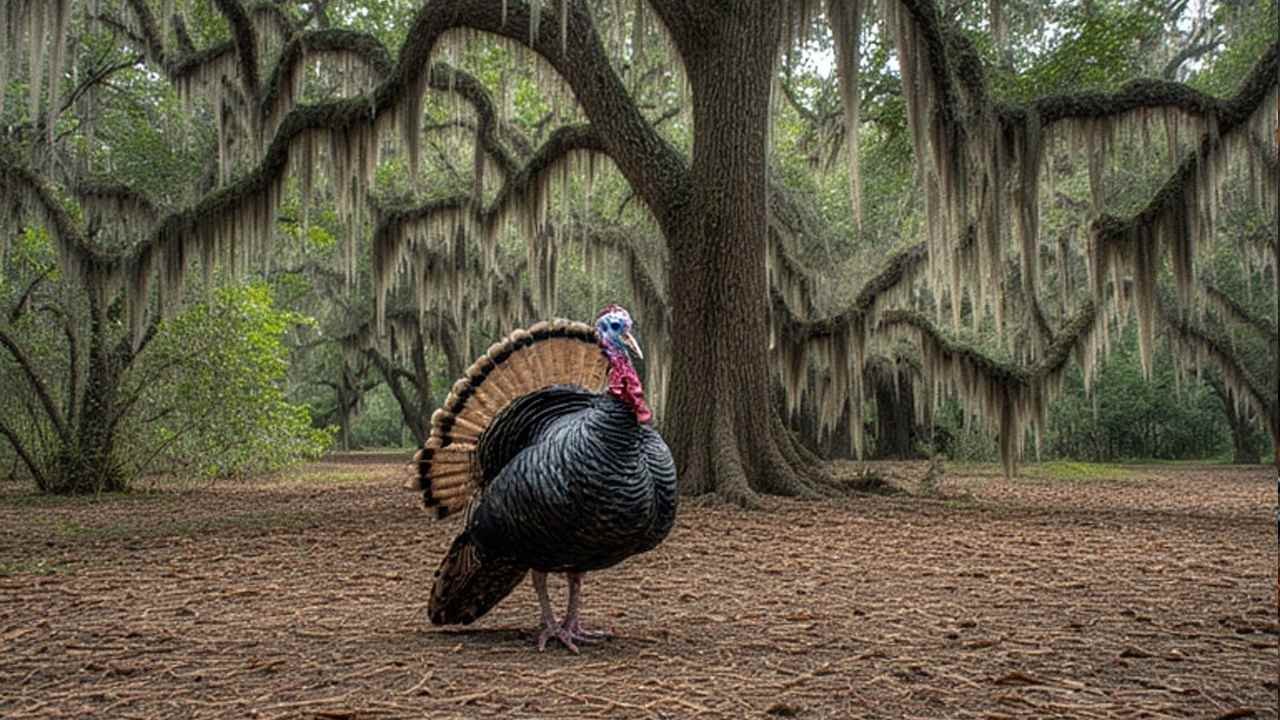
South Carolina’s Turkey Season 2026-2027: Game Zone Hunting Dates
Hearing that first gobble reverberate through the riverbeds and pine forests of the Palmetto State has a certain allure. Opportunities for shooting wild turkeys in South Carolina during the 2026–2027 hunting season range from the upstate ridges to the coastal lowlands. Dates, bag restrictions, licensing, and the laws that support the health of our wild bird populations are all included in this book.
Knowing the state’s regulations and management zones is crucial, regardless of your level of experience as a hunter honing your calling technique or your level of guns safety instruction. With its own set of regulations overseen by the South Carolina Department of Natural Resources (SCDNR), South Carolina provides a substantial spring gobbler hunt as well as a shorter fall opportunity.
Quick Overview Table
| Bird Type | Open Dates (2026-2027) | Legal Methods |
|---|---|---|
| Wild Turkey (Spring Gobbler) | March 20 – May 5, 2027 | Shotgun, archery, crossbow |
| Wild Turkey (Fall Either-Sex) | October 1 – November 1, 2026 (select WMAs) | Shotgun, archery, crossbow |
All Turkey Seasons in Detail (2026-2027)
| Season Name | Exact Dates | Zones/Regions | Bag Limit | Permit Details |
|---|---|---|---|---|
| Spring Gobbler – Youth Only | March 20-21, 2027 | Statewide | 1 gobbler per day, 3 per season | Valid hunting license + big game permit |
| Spring Gobbler – General | March 22 – May 5, 2027 | Statewide | 1 gobbler per day, 3 per season | Valid hunting license + big game permit |
| Fall Either-Sex (Select WMAs) | October 1 – November 1, 2026 | Limited WMAs only (check SCDNR) | 1 bird per day (either sex) | WMA permit + hunting license + big game permit |
Note: Always verify specific Wildlife Management Area (WMA) regulations before heading out, as some public lands may have additional restrictions or permit requirements.
More Bird Species 🕊️
While wild turkeys steal the spotlight each spring, South Carolina also offers hunting opportunities for other upland game birds:
- Mourning Dove: September 1 – October 8, 2026 (early season); November 28, 2026 – January 15, 2027 (late season). Daily bag limit: 15 birds.
- Quail (Bobwhite): November 28, 2026 – March 1, 2027. Daily bag limit: 10 birds.
- Woodcock: December 19, 2026 – February 1, 2027. Daily bag limit: 3 birds.
These dates complement the gobbler hunts nicely if you’re looking to diversify your time afield or explore different shotgunning techniques.
South Carolina Turkey Regulations 🌾
Getting familiar with the rules isn’t just about staying legal—it’s about respecting the resource and ensuring future generations can enjoy the same hunts. Here’s what you need to know:
- Legal Weapons: Shotguns (10-gauge or smaller), muzzleloading firearms, bows, and crossbows are all permitted. No rifles or handguns for wild turkeys.
- Shooting Hours: Legal hunting begins 30 minutes before sunrise and ends at sunset. Early risers have the advantage—gobblers are most vocal at dawn.
- Calls: Electronic or mechanical calls are not permitted for spring gobbler hunting. Stick with mouth calls, box calls, or friction calls.
- Decoys: Legal to use, but be cautious. Always positively identify your target and what’s beyond it.
- Tagging Requirements: Immediately upon harvest, attach your big game tag to the bird and record the harvest details. Tags must remain attached during transport.
- Transport Rules: Birds must remain identifiable as to species and sex during transport. Keep at least one fully feathered wing or the head attached.
- Bearded Hens: During spring gobbler hunts, only bearded birds may be taken. If a hen is bearded, she’s legal—but it’s rare.
- Public Land Access: Many WMAs require an additional WMA permit. Some have quota hunts requiring advance application. Check SCDNR’s WMA-specific regulations.
- Private Land: Always secure written permission before hunting on private property. Trespassing violations carry serious penalties.
- Safety: Wear hunter orange when moving to and from your hunting location. While not required while actively hunting turkeys, it’s a smart practice in shared spaces.
From my experience preparing for spring hunts in the Southeast, understanding your local terrain and checking whether you’re on public or private ground makes all the difference. It’s worth the extra phone call or map review.
License & Tag Fees 🎟️
Licensing in South Carolina is straightforward, and prices are competitive compared to neighboring states. Here’s the breakdown for the 2026-2027 period:
Resident Hunters:
- Annual Hunting License: $25
- Big Game Permit (required for turkeys): $12
- WMA Permit (if hunting public land): $50
Non-Resident Hunters:
- Annual Hunting License: $125
- Big Game Permit: $80
- WMA Permit: $100
Youth & Senior Discounts:
- Residents aged 64+ qualify for reduced-fee licenses
- Youth hunters under 16 need a license but often receive discounted rates
Where to Purchase:
Licenses and permits can be obtained online through the South Carolina Department of Natural Resources website, at authorized retail vendors statewide, or by phone. Many hunters prefer buying online to avoid lines and get their tags printed immediately.
If you’re budgeting for a hunt, don’t forget to factor in hunting gear essentials—calls, decoys, camouflage suited to the terrain, and perhaps outdoor insurance if you’re traveling from out of state.
License Requirements
Not everyone heading into the woods needs the same credentials. Here’s who needs what:
- All hunters aged 16 and older must possess a valid South Carolina hunting license and big game permit.
- Hunter Education: Anyone born after June 30, 1979, must complete an approved hunter education course before purchasing a license. Proof of completion is required.
- Youth Hunters (Under 16): Must have a license but can hunt under direct supervision of a licensed adult (aged 21+). The youth-only spring gobbler weekend is a fantastic way to introduce younger hunters to the tradition.
- Landowner Exemptions: South Carolina residents hunting on their own land (or land they lease) may qualify for exemptions, but it’s best to verify with SCDNR to avoid surprises.
- Military: Active-duty military personnel stationed in South Carolina may be eligible for resident license rates even if they claim residency elsewhere.
Taking a hunter education class isn’t just a checkbox—it’s where you learn field safety, ethical shot placement, and how conservation funding works. Many courses now offer online components with a short in-person field day.
FAQs Section
Q: What’s the best time of day to hunt gobblers in South Carolina?
Early morning—30 minutes before sunrise—is prime time. Gobblers are most vocal right off the roost. Late morning can also be productive as hens leave gobblers to nest, making toms more responsive to calls.
Q: Can I use an electronic turkey call during spring hunts?
No. Electronic or recorded calls are prohibited during the spring gobbler period. Stick with hand-operated calls like slates, boxes, or diaphragms.
Q: Do I need permission to hunt on public land?
You’ll need a valid WMA permit for most Wildlife Management Areas. Some WMAs also have quota hunts, which require entering a drawing ahead of time. Check the SCDNR WMA guidebook for specifics.
Q: Are beginners allowed to hunt, or do I need experience first?
Absolutely! As long as you’ve completed hunter education (if required by age) and hold the proper license, you’re good to go. Many new hunters start during the youth weekend or join guided hunts to learn the ropes.
Q: Can I harvest a hen during spring gobbler hunts?
Only if she’s bearded. Spring gobbler hunts are specifically for bearded birds to protect nesting hens and maintain population health.
Q: What should I do if I harvest a bird on private land?
Tag it immediately with your big game tag, record the details (date, location, sex), and follow all transport rules. If you’re near a neighboring property, be mindful of boundary lines.
Q: How do South Carolina’s opportunities compare to nearby states?
South Carolina offers generous bag limits and a long spring window. If you’re curious about other options in the region, you might explore North Carolina’s turkey regulations or check out opportunities in Georgia’s spring hunts for comparison.
Conservation & Safety Add-Ons
Why Regulations Matter for Wildlife Conservation
Every regulation, from bag restrictions to shooting hours, is in place to strike a balance between hunting opportunities and the long-term health of the people. Thanks to diligent management by SCDNR scientists, wild bird populations in South Carolina have significantly increased over the past few decades. Federal excise taxes on hunting gear and license fees support law enforcement, research, and habitat restoration. Purchasing your permit allows you to directly support the landscapes that are home to several species, including deer, ducks, and turkeys.
Quick Safety Reminders
- Positively identify your target. Never shoot at sound, movement, or color alone.
- Know your safe shooting zones. Be aware of other hunters, trails, and structures.
- Wear blaze orange when walking in. Even though it’s not required while set up, it’s smart when moving.
- Let someone know your plan. Share your hunting location and expected return time.
- Practice firearm safety. Treat every gun as if it’s loaded, keep the muzzle pointed in a safe direction, and keep your finger off the trigger until ready to shoot.
Respecting Land & Access
Respect the land and the people who care for it, whether you’re on a state WMA, a family farm, or a corporate forestry tract. Close the gates behind you, take note of any posted signage, and pack out what you bring in. Access to public land is a privilege that is contingent upon everyone using it responsibly.
Conclusion
With a variety of habitats ranging from rolling piedmont hills to swampy bottomlands, South Carolina’s wild gobbler hunts in 2026–2027 provide some of the best springtime activities in the Southeast. The Palmetto State provides whether you’re aiming for your first lengthy beard or a career grand slam. Just keep in mind that preparing ahead of time, comprehending the regulations, and confirming any revisions with the South Carolina Department of Natural Resources before to your trip can assist ensure your success.
Stay safe, hunt ethically, and enjoy every sunrise in the turkey woods.
This guide is for information and education. Before hunting, hunters must check with the South Carolina Department of Natural Resources for current laws, dates, and licenses. Keep safety, legality, and ethics in mind when hunting.