
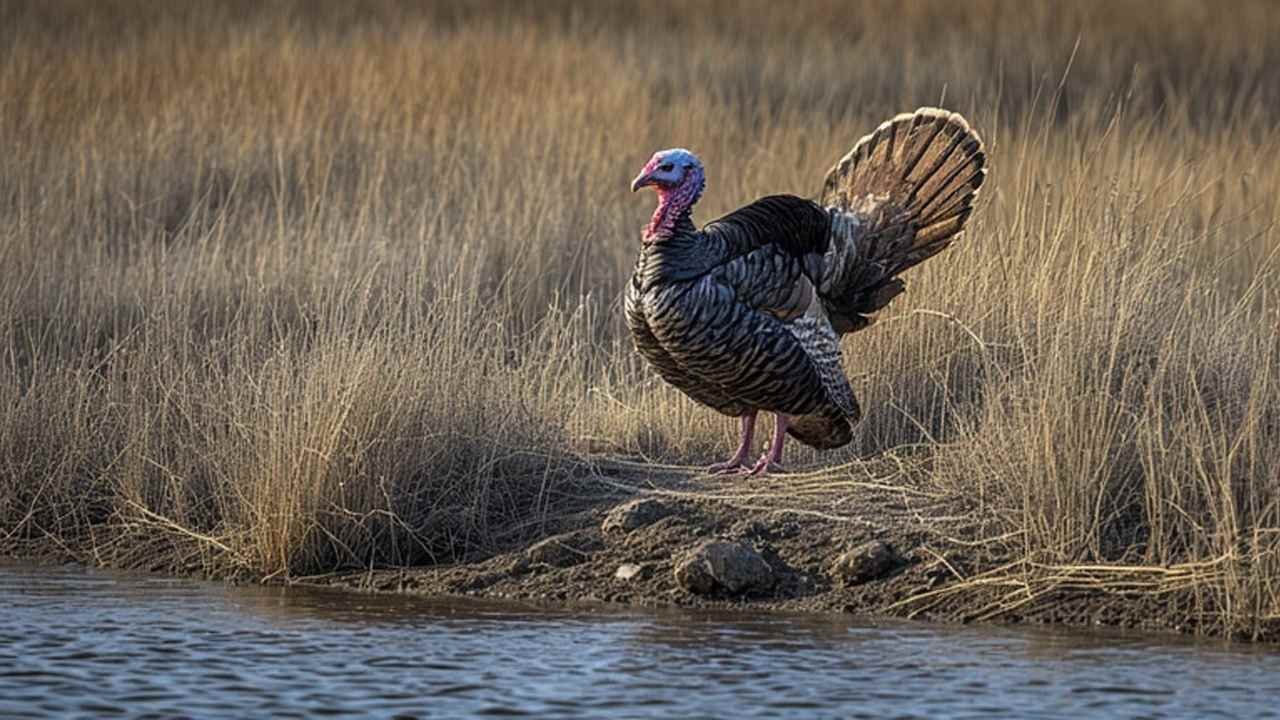
South Dakota Turkey Season 2026-2027: Hunting Units and Permits
Organizing your upcoming outdoor excursion via the Mount Rushmore State’s plains and wooded hills? This thorough guide explains all you need to know about hunting wild turkeys during the 2026–2027 hunting seasons, whether you’re a novice wondering if you’re ready for the woods or an experienced hunter exploring new territory.
Understanding application processes and unit availability is the main error beginners make, not gear, based on my experience getting ready for spring hunts. You might have to wait months for your opportunity if you miss a draw date. This handbook includes important information directly from the South Dakota Game, Fish, and Parks (SDGFP), including particular hunting dates, license requirements, and current rules.
Quick Overview: What to Expect
If you’re looking for a fast breakdown before diving deeper, here’s what lies ahead this hunting cycle:
| Species/Type | Season Dates | Legal Methods |
|---|---|---|
| Eastern/Merriam’s Wild Turkey (Spring Prairie) | April 11 – May 31, 2026 | Shotgun, archery, muzzleloading shotgun, approved handguns |
| Spring Black Hills | April 25 – May 31, 2026 | Shotgun, archery, muzzleloading shotgun, approved handguns |
| Spring Custer State Park | April 25 – May 23, 2026 | Shotgun, archery, muzzleloading shotgun, approved handguns |
| Fall Prairie & Mentored | November 1, 2026 – January 31, 2027 | Shotgun, archery, muzzleloading shotgun, approved handguns |
The state manages multiple subspecies—primarily Eastern wild turkeys east of the Missouri River and Merriam’s subspecies to the west—giving you flexibility in planning your hunt across diverse landscapes.
All Turkey Seasons: Detailed Dates & Requirements for 2026-2027
Understanding the various hunting opportunities requires looking at both spring and fall periods, each with different application processes and harvest allowances.
| Season Name | Exact Dates | Zones/Units | Bag Limit | Permit Details |
|---|---|---|---|---|
| Spring Prairie (Resident & Non-Resident Draw) | April 11 – May 31, 2026 | All Prairie units statewide | 1 or 2 male turkeys (license dependent) | Three separate lottery draws: 1st (Jan 14–Feb 11), 2nd (Feb 18–Mar 4), 3rd (Mar 10–Mar 24). Leftover licenses available starting March 26 |
| Spring Black Hills (Non-Resident) | April 25 – May 31, 2026 | Black Hills unit | 1 or 2 male turkeys | Application through lottery system; archery hunters cannot start until April 26 |
| Spring Custer State Park | April 25 – May 23, 2026 | Custer State Park only | 1 male turkey | Special access permit required through random drawing |
| Spring Archery Access (Adams Homestead & Good Earth State Park) | April 11 – May 31, 2026 | Specific state parks | 1 male turkey | Free resident-only access permits via lottery (5 permits Good Earth, 30 Adams, 20 mentored Adams) |
| Spring Mentored | April 11 – May 31, 2026 | Statewide | 1 male turkey | Youth hunters accompanied by licensed adult; $5 resident/$10 non-resident |
| Fall Prairie | November 1, 2026 – January 31, 2027 | Prairie units statewide | 1 or 2 turkeys (any sex) | Multiple draw periods starting August 2026 |
| Fall Mentored | November 1, 2026 – January 31, 2027 | Statewide | 1 turkey (any sex) | Youth hunters accompanied by licensed adult; $5 resident/$10 non-resident |
Important note: State parks and recreation areas close to hunting after April 30 unless specifically noted in unit descriptions. Always verify your specific unit regulations before heading afield.
More Bird Species 🕊️
While wild turkeys dominate the conversation, the Mount Rushmore State offers excellent opportunities for other upland game birds throughout the year:
Ring-Necked Pheasant
- Youth Season: September 27 – October 5, 2026
- Resident-Only: October 10 – 12, 2026
- Traditional (All hunters): October 17, 2026 – January 31, 2027
- Shooting hours: 10:00 a.m. to sunset
Sharp-Tailed Grouse & Greater Prairie Chicken
- Season: September 20, 2026 – January 31, 2027
- One of the better grouse harvests in recent years, with 2025 seeing approximately 99,000 birds harvested
Hungarian Partridge (Gray Partridge)
- Season: September 20, 2026 – January 31, 2027
- Found throughout agricultural areas statewide
These upland opportunities can be combined with your wild bird pursuits to make the most of your time in the field. While pheasants steal the spotlight each October, the prairie grouse provide challenging wing shooting in beautiful grassland habitat.
South Dakota Turkey Regulations 🌾
Before you load up your vehicle and head west, here are the essential rules governing wild bird hunting in the state:
Legal Weapons & Ammunition
- Shotguns using shot shells (no buckshot; single balls/slugs must weigh at least ½ ounce)
- Archery equipment (broadhead arrows)
- Muzzleloading shotguns
- Handguns producing at least 500 foot-pounds muzzle energy
- Crossbows (when holding valid firearm license)
- Prohibited: Rimfire rifles, centerfire rifles, muzzleloading rifles, electronic calls, dogs
Shooting Hours
- One-half hour before sunrise to sunset (different from big game species)
- Always verify legal hunting time using current sunrise/sunset tables for your specific unit
Tagging & Harvest Reporting
- Immediately attach your license tag upon harvest
- Tag must remain with the bird during transport
- You may field dress and remove edible portions while transporting, provided the tag stays with the meat
Land Access Rules
- Always obtain permission before hunting private property
- Walk-In Areas (WIAs) and Game Production Areas (GPAs) provide public access opportunities
- Black Hills National Forest offers extensive public land for Merriam’s subspecies
- Respect posted boundaries and leave gates as you find them
Ethical Considerations
- Identify your target positively before shooting (distinguish gobblers from hens)
- Practice safe firearm handling in forested and rolling terrain
- Consider other hunters in popular public areas
- Report any wildlife violations to the SDGFP immediately
Comparing regulations with neighboring states like Nebraska turkey hunting guidelines shows similar approaches to conservation, though each state tailors seasons to their specific populations.
License & Tag Fees 🎟️
Understanding the cost structure helps you budget for your hunt and determine the best application strategy.
Spring Prairie Season Fees
- Resident: $28 (1 male turkey), $40 (2 male turkeys)
- Non-Resident: $121 (1 male turkey), $151 (2 male turkeys)
Spring Black Hills Season Fees
- Resident: $28 (1 male turkey), $40 (2 male turkeys)
- Non-Resident: $121 (1 male turkey), $151 (2 male turkeys)
Fall Prairie Season Fees
- Resident: $20 (1 any turkey), $25 (2 any turkeys)
- Non-Resident: $106 (1 any turkey), $131 (2 any turkeys)
Mentored Season Fees (Spring & Fall)
- Resident Youth: $5
- Non-Resident Youth: $10
Additional Required Purchases
- Habitat Stamp: $10 residents, $25 non-residents (required for applicants 18+)
- Return Policy Fee (NEW for 2026): $10 residents/$30 non-residents if you return a license and aren’t eligible for subsequent draws
Licenses can be purchased through the Go Outdoors South Dakota online licensing system at gooutdoorssouthdakota.com, at any SDGFP office, or through over 400 authorized agents statewide. The online system operates 24/7, making it convenient to apply during draw periods or purchase leftover licenses.
From experience, I always recommend applying for the first draw if you want specific units—popular areas like those near the Black Hills or along riparian corridors fill quickly.
License Requirements
Before applying, make sure you meet these eligibility criteria:
Hunter Education Certification
- Required: All hunters ages 12-15 must complete HuntSAFE course before purchasing any hunting license
- Not Required: Hunters 16 and older (though still encouraged to take the course)
- Mentored Exception: Youth under 12 may hunt under direct supervision of licensed adult 18+ without certification
Residency Requirements
- Residents must maintain domicile in the state for at least 90 consecutive days before applying
- Active military stationed in the state may qualify for resident licenses
- College students attending in-state institutions typically maintain residency status from their home state
Age Restrictions
- No minimum age for hunting with proper supervision under mentored programs
- Youth must be at least 11 years old to complete hunter education certification
- Hunters under 16 must hunt under direct supervision even with certification
Landowner Preference
- Qualifying landowners receive preference points in the draw system
- Property must meet minimum acreage requirements as defined by SDGFP
- Preference only applies to units where the qualifying property is located
Understanding these requirements prevents application rejections and helps you plan family hunts that include younger participants. The mentored program offers an excellent gateway for introducing kids to ethical, safe hunting practices.
Frequently Asked Questions
What’s the best time of day to hunt wild turkeys in the prairies and Black Hills?
Early morning from 30 minutes before sunrise until about 10 a.m. produces the most consistent action during spring. Gobblers leave their roosts at first light, actively seeking hens. I’ve found that if the morning hunt doesn’t produce, returning during the last hour before sunset can pay off, especially later in the season when breeding activity peaks. Fall hunting offers more flexibility throughout the day since birds aren’t following breeding patterns.
Can beginners hunt here, or do I need years of experience?
Absolutely! The mentored program specifically welcomes newcomers of all ages. A youth or first-time adult hunter can purchase a mentored license and hunt alongside an experienced, licensed adult. Many hunters take their first gobbler this way. The SDGFP also offers HuntSAFE courses regularly throughout the state, covering safety, ethics, and basic hunting skills. Over-the-counter licenses in less-pressured units give beginners chances without competing in competitive lottery draws.
Are electronic calling devices legal for turkeys?
No. Electronic or recorded calls are prohibited for all big game species including wild turkeys. You must use manual calls—mouth calls, box calls, slate calls, or similar non-electronic devices. This regulation ensures fair chase principles and maintains the traditional challenge of calling birds within range. However, you can use decoys (non-electronic) to attract birds once you’ve called them into range.
What’s the difference between hunting public and private land?
Public land—including Game Production Areas, Walk-In Areas, and the Black Hills National Forest—requires no additional permission beyond your valid license. These areas can experience higher hunting pressure, especially opening weekends. Private land requires written or verbal permission from the landowner before entering, but often provides less competition and better success rates. Some private properties participate in the Walk-In Area program, giving public access while compensating landowners. Always verify boundaries before hunting, as honest mistakes can result in trespassing charges.
Can I hunt both spring and fall seasons in the same year?
Yes! Your spring licenses and fall licenses are completely separate. Many dedicated hunters pursue gobblers in spring when males are vocal and responding to calls, then return in fall for either-sex opportunities. Fall hunting presents different challenges since birds aren’t breeding and often travel in large flocks. You’ll need to apply for and draw licenses for each season separately.
Do I need to apply for Black Hills units separately from Prairie units?
Yes, for spring hunting. Black Hills units and Prairie units operate under different application systems with separate quotas. Some units have resident-only allocations during early draw periods, with limited non-resident tags available. The Prairie Spring draw occurs in three rounds starting in January, while Black Hills follows a similar but separate timeline. Check the specific unit designations carefully when applying—some units along rivers have special boundaries.
What’s the success rate for drawing a license?
Success rates vary dramatically by unit and residency status. Popular units near population centers or known hotspots may have draw odds below 50% for non-residents in early draws. Less-pressured units and later draw periods typically approach 100% for residents. The SDGFP publishes draw statistics after each season, helping you strategize for future applications. Leftover licenses, available first-come-first-served after the third draw, ensure determined hunters can usually secure a license somewhere in the state.
For hunters exploring multiple states, checking options like Colorado’s spring gobbler opportunities or Montana turkey season dates can help you plan multi-state adventures, though few match the diversity and accessibility found here.
Conservation: Why These Regulations Matter
The current richness of wild bird populations wasn’t a coincidence. Long-term population sustainability and hunting opportunity are balanced by the SDGFP’s careful management.
Two subspecies with distinct habitat needs are part of the statewide population: Merriam’s in the Black Hills’ ponderosa pine forests and Eastern birds in forested riparian corridors and established timber stands. Wildlife biologists make sure that healthy breeding populations are left behind after each hunting season by carefully controlling harvest through restricted licenses in certain units.
Population surveys, access initiatives like Walk-In Areas, and habitat rehabilitation projects are all directly funded by license payments. In particular, the Habitat Stamp surcharge promotes the preservation of grasslands and woodlands, which benefits not just wild turkeys but also hundreds of other species that coexist with them.
Bag limitations offer significant potential while preventing overharvesting. Breeding hens are protected by the male-only harvest in the spring, while populations in regions where numbers exceed habitat capacity are managed with the aid of the fall either-sex permission. When populations shift, these science-based rules adjust, sometimes limiting harvest in places where populations need to recover while expanding license availability in areas that are booming.
Safety Reminders for the Field
Before heading out, review these critical safety practices:
- Wear hunter orange: While not required for upland birds, blaze orange significantly increases visibility to other hunters
- Know your target and beyond: Positively identify gobblers versus hens, and understand what lies beyond your shooting lane
- Communicate location: When hunting with partners, maintain constant awareness of each other’s positions
- Never stalk sounds: Approaching turkey calls or movement can lead to dangerous situations—always call birds to your position
- Unload when crossing obstacles: Fences, logs, and terrain features should always be crossed with unloaded firearms
- Respect shooting hours: Starting too early or hunting past legal hours creates safety and legal problems
- Learn first aid: Basic wilderness first aid knowledge proves invaluable in remote hunting locations
Respect the Land and Fellow Hunters
Access to quality hunting ground depends on maintaining positive relationships with landowners and fellow outdoor enthusiasts:
- Ask permission every time you hunt private land, even if you hunted there previously
- Leave properties cleaner than you found them
- Report any damage or concerns to landowners promptly
- Give other hunters adequate space in public areas
- Share information about overcrowding or safety concerns with SDGFP
- Support businesses and communities in hunting areas
- Follow all posted rules on Walk-In Areas and public lands
Wrapping Up Your 2026-2027 Planning
From the untamed ponderosa woods of the west to the oak-lined grasslands of the east, Mount Rushmore State provides some of the most varied and easily accessible wild bird hunting in the country. Opportunities are available for every interest and ability level, whether you’re drawn to the challenge of bringing in an experienced Merriam’s gobbler at dawn or introducing a rookie hunter through the guided program.
Put application deadlines on your calendar first since you will have less alternatives in competitive units if you miss the initial draw. Use the SDGFP’s online mapping tools to research your target units, and think about going on reconnaissance visits before to the opening. Spend some time honing your calling and shooting techniques; the preparation will make the harvest much more satisfying.
Above all, before you hunt, make sure you check the most recent restrictions with South Dakota Game, Fish, and Parks. Although this guide offers thorough information for the 2026–2027 cycle, local factors may have an impact on certain units, and laws are subject to change. For the latest information, contact 605-223-7660 or visit gfp.sd.gov.
Get out there, hunt responsibly, and create enduring memories long after the season is over. The pine-covered slopes and plains are waiting.