
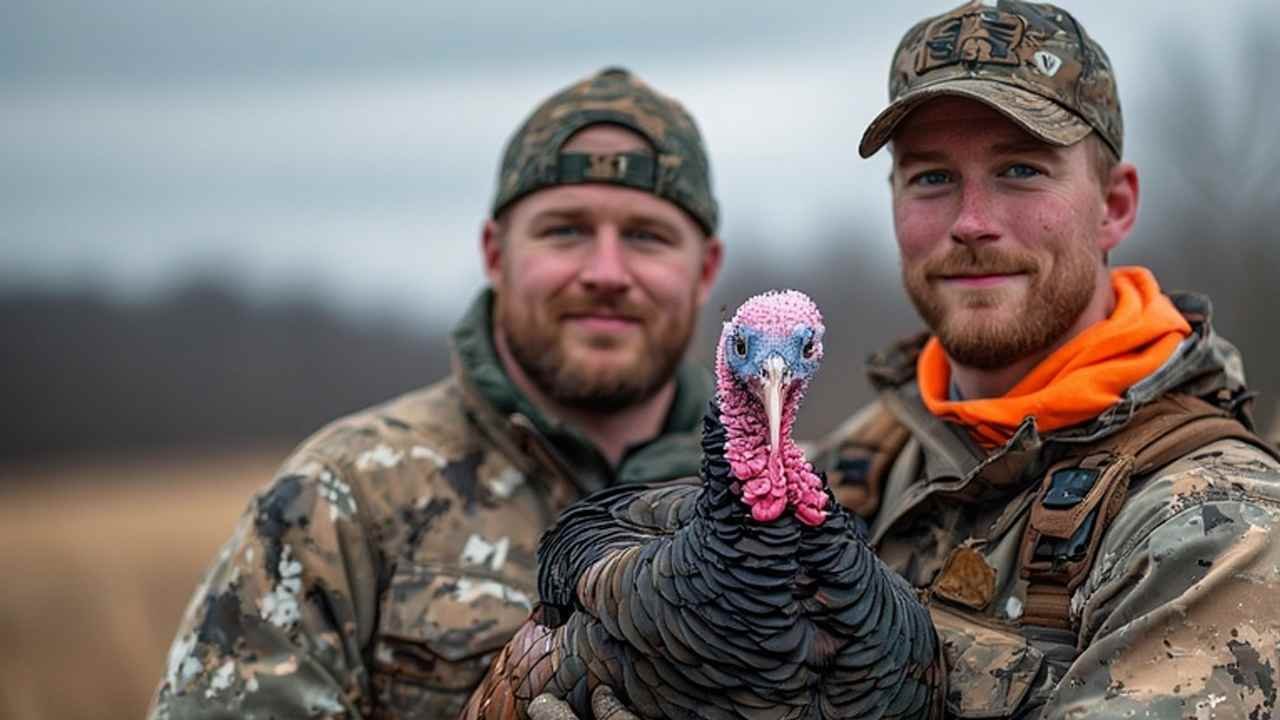
Tennessee’s Turkey Season 2026-2027: Spring Hunting Rules
You’re in the perfect place if you’re getting ready for another spring gobbler pursuit across the Volunteer State’s undulating hills and hardwood ridges. Everything you need to know about hunting wild turkeys in Tennessee for the 2026–2027 season is included in this book, from specific dates and bag limits to license requirements and ethical hunting methods. A successful and lawful hunt depends on knowing the rules and time, regardless of whether you’re an experienced caller or organizing your first trip.
With strong populations of Eastern wild turkeys dispersed over a variety of settings, Tennessee provides some of the best wild turkey chances in the Southeast. Knowing zone-specific regulations, adhering to conservation principles, and being prepared for opening day are the keys to a successful expedition, based on my experience training for spring hunts in the Tennessee backcountry. Let’s dissect everything.
Quick Overview
| Turkey Type | 2026-2027 Season Dates | Legal Methods |
|---|---|---|
| Spring Youth Hunt | April 4–5, 2026 | Shotgun, archery, crossbow |
| Spring General | April 11 – May 17, 2026 | Shotgun, archery, crossbow |
| Fall Either-Sex | October 31 – November 15, 2026 | Shotgun, archery, crossbow |
| Fall Archery Only | November 16 – December 6, 2026 | Archery, crossbow |
| Spring Youth Hunt | April 3–4, 2027 | Shotgun, archery, crossbow |
| Spring General | April 10 – May 16, 2027 | Shotgun, archery, crossbow |
Note: All dates are subject to confirmation by the Tennessee Wildlife Resources Agency (TWRA). Always verify before heading afield.
All Turkey Seasons (Detailed Breakdown)
| Season Name | Dates (2026-2027) | Zones/Regions | Bag Limit | Permit/Tag Details |
|---|---|---|---|---|
| Spring Youth Hunt 2026 | April 4–5, 2026 | Statewide | 1 bearded bird | Valid hunting license + youth permit |
| Spring General 2026 | April 11 – May 17, 2026 | Statewide | 2 bearded birds per hunter | Valid hunting license required |
| Fall Either-Sex 2026 | October 31 – November 15, 2026 | Statewide | 2 birds (any sex) | Valid hunting license required |
| Fall Archery-Only 2026 | November 16 – December 6, 2026 | Statewide | 2 birds (any sex) | Valid hunting license + archery equipment |
| Spring Youth Hunt 2027 | April 3–4, 2027 | Statewide | 1 bearded bird | Valid hunting license + youth permit |
| Spring General 2027 | April 10 – May 16, 2027 | Statewide | 2 bearded birds per hunter | Valid hunting license required |
Tennessee operates on a statewide framework, meaning the dates apply uniformly across all counties. However, always check local Wildlife Management Area (WMA) regulations, as some public lands may have additional restrictions or quota hunts.
More Bird Species 🕊️
While wild turkeys are the headliners, Tennessee also offers hunting opportunities for other upland game birds:
- Mourning Dove: Split seasons typically run September 1–October 2, 2026; November 20–December 19, 2026; and December 26, 2026 – January 15, 2027. Daily bag limit is 15.
- Bobwhite Quail: Open November 14, 2026 – February 28, 2027. Daily bag limit is 6 birds.
- Ruffed Grouse: Open November 14, 2026 – February 28, 2027. Daily bag limit is 4 birds.
- Woodcock: Open December 19, 2026 – January 31, 2027. Daily bag limit is 3 birds.
These seasons provide excellent opportunities to extend your small game outings beyond turkey pursuits, especially during the fall and winter months.
Tennessee Turkey Regulations 🌾
Understanding the rules isn’t just about staying legal—it’s about respecting wildlife, landowners, and fellow hunters. Here’s what you need to know:
- Legal Weapons: Shotguns (10-gauge or smaller), archery equipment (including crossbows), and muzzleloaders are permitted during designated periods. No rifles or handguns for wild turkeys.
- Shooting Hours: One-half hour before sunrise to sunset during spring hunts. Fall hunts may allow slightly extended hours; verify with TWRA.
- Land Access: Always secure permission before hunting private land. Public land access is available on state WMAs and national forests, but some areas require additional permits or quota registration.
- Tagging & Transport: All harvested birds must be tagged immediately with your license or harvest confirmation number. Keep the beard and leg attached during transport.
- Ethical Expectations: No baiting, no hunting from vehicles, and no pursuing birds with dogs during spring hunts. Respect other hunters’ setups and maintain safe shooting zones.
- Electronic Calls: Electronic or recorded calls are illegal for wild turkey hunting in Tennessee. Stick to mouth calls, box calls, and friction calls.
- Hunter Orange: Not required for turkey hunting, but recommended when moving through areas shared with other hunters or during other open game periods.
For detailed firearm safety training and certification programs, check with TWRA’s hunter education division.
License & Tag Fees 🎟️
Licensing is straightforward, but costs vary depending on residency status:
- Resident Hunting License: $28 annually (covers small game and turkey)
- Resident Sportsman License: $151 (all-species, includes big game)
- Non-Resident Hunting License: $151 annually
- Non-Resident All-Game Season License: $331
- Youth (Ages 13–15): Reduced fees; hunting license approximately $10
- Senior (Ages 65+): Lifetime licenses available; reduced annual options
- Military: Active-duty Tennessee residents may qualify for discounted licenses
Licenses can be purchased online through the TWRA website, at licensed retailers statewide, or by phone. No additional turkey tags are required beyond your valid hunting license for the seasons listed above. If you’re planning a guided hunt or need outdoor insurance for your equipment, verify coverage before your trip.
License Requirements
Who needs a license, and are there exceptions?
- General Rule: Anyone ages 13 and older must possess a valid hunting license to pursue wild turkeys in Tennessee.
- Hunter Education: First-time hunters born after January 1, 1969, must complete an approved hunter education course before purchasing a license. Online and in-person courses are available through TWRA.
- Age Limits: Youth ages 6–12 may hunt under direct supervision of a licensed adult without purchasing their own license. Ages 13+ require their own license.
- Landowner Exemptions: Residents hunting on their own land (or immediate family members’ land) may be exempt from purchasing a hunting license, but must still follow all game regulations and bag limits.
- License Verification: Carry your license and a valid ID at all times while hunting. Digital licenses via the TWRA mobile app are accepted.
Understanding these requirements ensures you’re prepared and legal before opening day. If you’re hunting in neighboring states like Kentucky or Alabama, note that reciprocity does not apply—you’ll need separate licenses for each state.
FAQs Section
Q: What’s the best time of day to hunt wild turkeys in Tennessee?
A: Early morning right after fly-down is prime time during spring hunts. Gobblers are vocal, and hens are moving. Late morning can also be productive as birds break from hens and search for receptive calls. In fall, midday movements increase as flocks regroup.
Q: Can beginners hunt during the youth hunt weekends?
A: Absolutely. Youth hunts are designed for hunters aged 6–16 and provide a less-pressured opportunity to learn fieldcraft and calling techniques. An adult with a valid license must accompany youth hunters.
Q: Are electronic calls allowed?
A: No. Electronic or recorded turkey calls are prohibited for wild turkey hunting in Tennessee. Stick to traditional mouth calls, box calls, slate calls, and other manual devices.
Q: Can I hunt on public land without a special permit?
A: Most WMAs and national forests allow turkey hunting with just your standard hunting license. However, some areas require quota permits or advance registration. Check the specific WMA regulations on the TWRA site before your hunt.
Q: How many birds can I harvest in a single day?
A: During spring hunts, you may harvest one bearded bird per day, up to the seasonal limit of two. In fall, you may take up to two birds of either sex per day, up to the seasonal limit.
Q: Do I need hunter orange while turkey hunting?
A: Hunter orange is not required during dedicated turkey hunts, but it’s wise to wear it when moving between locations or when other hunting activities (like deer or small game) overlap.
Q: What should I do if I accidentally shoot a hen during spring season?
A: It counts against your bag limit, and you must tag and report it immediately. Hens are legal during fall hunts only. Always positively identify your target and follow ethical shot placement.
For more detailed regulations and updates, visit the official Tennessee Wildlife Resources Agency website.
Conservation & Safety Add-Ons 🌿
Tennessee’s turkey population thrives thanks to science-based management and hunter-funded conservation efforts. The seasonal structure, bag limits, and protected periods are carefully designed to maintain healthy breeding populations while offering quality hunting opportunities. Your license fees directly support habitat restoration, research, and law enforcement.
Safety Reminders:
- Always positively identify your target before firing. Never shoot at sound or movement alone.
- Wear camouflage to blend in, but use caution when calling to avoid attracting another hunter’s attention.
- Set up with a wide tree or solid backstop behind you for safety and concealment.
- Avoid wearing red, white, or blue—colors that resemble a gobbler’s head.
- Use a flashlight when walking to and from your hunting location in low light.
- Let someone know your hunting location and expected return time.
Respecting Land Access:
- Always obtain written or verbal permission before hunting private property.
- Close gates, avoid damaging fences, and pack out all trash.
- On public land, respect other hunters’ space and avoid crowding setups.
- Follow posted signs and WMA-specific rules to ensure continued access for everyone.
Conclusion
The key to organizing your wild turkey hunts in Tennessee in 2026–2027 is to be aware of the dates, comprehend the rules, and treat the land and its resources with care. Preparation and ethics are crucial whether you’re hunting spring gobblers over the Cumberland Plateau or fall flocks in the river bottoms of West Tennessee. Prioritize safety and conservation at all times, practice your calls during the off-season, and double-check the most recent TWRA information before every expedition.
Prepare your equipment, aim your shotgun, and begin scanning the roost trees. Soon, the hills will be teeming with gobbles.
This guide is only meant to be used for educational and informative reasons. The Tennessee Wildlife Resources Agency has the right to modify rules and dates. Always confirm the most recent regulations, license requirements, andd specific area restrictions before hunting. Consult the official TWRA website or contact local wildlife officers for the most accurate and up-to-date information.