
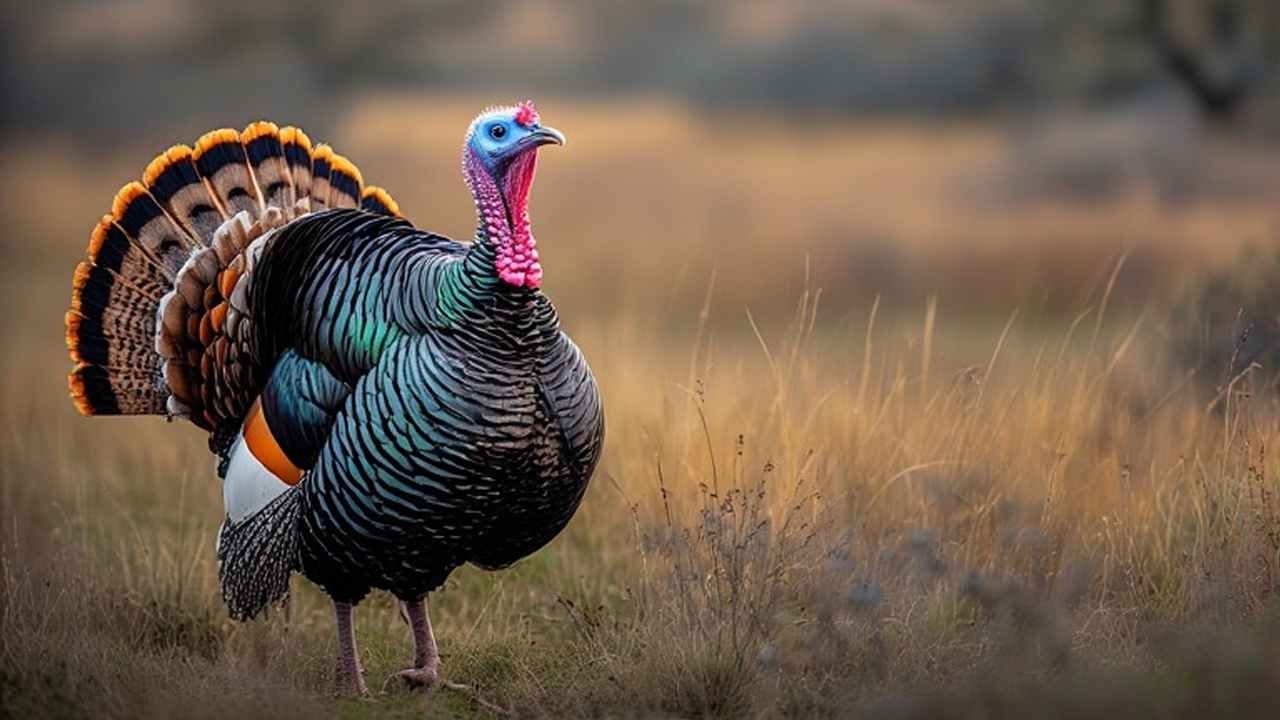
Texas Turkey Season 2026-2027: North and South Zone Hunting Dates
You’re in the ideal area if you want to hunt gobblers this year in the Lone Star State’s varied landscapes. Everything you need to know about the 2026–2027 turkey hunting season is included in this guide, from exact dates and bag restrictions to ethical behavior and license requirements. Knowing the rules established by the Texas Parks and Wildlife Department (TPWD) is crucial for a successful and lawful hunt, regardless of experience level.
Strong populations of Rio Grande and Eastern wild turkeys may be found across the state, which is home to a variety of habitats, including undulating hill land and pine woods. You may maximize your time in the field by being well-prepared and aware of the regulations, as there are several hunting chances throughout the year.
Quick Overview
| Turkey Type | Open & Close Dates | Legal Hunting Methods |
|---|---|---|
| Rio Grande Turkey (Spring) | March 21 – May 10, 2026 | Shotgun, bow, crossbow |
| Eastern Turkey (Spring) | March 21 – May 10, 2026 | Shotgun, bow, crossbow |
| Fall Either-Sex | November 7, 2026 – January 3, 2027 | Shotgun, bow, crossbow |
| Youth-Only Spring | March 14–15, 2026 | Shotgun, bow, crossbow |
All Turkey Seasons (Detailed Breakdown)
| Season Name | Dates | Zones/Regions | Bag Limits | Permit/Tag Details |
|---|---|---|---|---|
| Youth-Only Spring | March 14–15, 2026 | Statewide | 1 bearded bird per day | General hunting license + turkey stamp |
| General Spring | March 21 – May 10, 2026 | Statewide (North, South, East zones vary slightly) | 4 bearded birds per season (1 per day) | General hunting license + turkey stamp |
| Archery-Only Fall | November 7 – December 31, 2026 | Select counties (check TPWD county list) | 2 birds per season (either sex) | General hunting license + archery stamp |
| General Fall | November 7, 2026 – January 3, 2027 | Statewide | 2 birds per season (either sex) | General hunting license + turkey stamp |
Note: Some counties have specific restrictions. Always verify your hunting area with the official TPWD regulations before heading out.
More Bird Species 🕊️
While wild turkeys are the stars of the show, the Lone Star State also offers excellent opportunities for other upland game birds. Here’s a quick look at what else you can pursue:
- Mourning Dove: September 1 – November 13, 2026; December 17, 2026 – January 10, 2027
- White-Winged Dove: September 1 – November 13, 2026 (South Zone); September 11 – October 25, 2026 (Special White-Wing Area)
- Bobwhite Quail: October 31, 2026 – February 28, 2027
- Scaled Quail (Blue Quail): October 31, 2026 – February 28, 2027
- Pheasant: December 5, 2026 – January 3, 2027 (Panhandle region only)
Each species has its own bag limits and zone designations, so consult the TPWD upland game bird guide for full details.
Texas Turkey Regulations 🌾
Understanding the rules isn’t just about staying legal—it’s about respecting the resource and ensuring future generations can enjoy the same opportunities. Here’s what you need to know:
- Legal Weapons: Shotguns (10-gauge or smaller), rifles and handguns (except during spring gobbler season in some counties), bows, and crossbows are permitted. During spring, shotguns and archery equipment are most commonly used.
- Shooting Hours: Spring hunts begin 30 minutes before sunrise and end at sunset. Fall hunts follow the same timeframe unless otherwise specified for your county.
- Calls & Decoys: Electronic calls are illegal for wild turkey hunting. Mouth calls, box calls, and slate calls are all fair game. Decoys are permitted.
- Land Access: You must have written permission to hunt on private property. Public land access is available through Wildlife Management Areas (WMAs), many of which require annual permits or day-use fees.
- Tagging & Transport: All harvested birds must be tagged immediately with your hunting license information. During transport, one fully-feathered wing or the beard must remain attached until the bird reaches your final destination.
- Ethical Practices: Shoot only bearded birds during spring (unless in a county allowing either-sex harvest). Confirm your target before firing, and practice safe firearm handling at all times.
From my experience preparing for spring hunts, double-checking which counties allow rifle use can save you a headache—and a potential citation.
License & Tag Fees 🎟️
Licensing is straightforward, but costs vary depending on residency and age. Here’s the breakdown for the 2026-2027 period:
Resident Hunters:
- General Hunting License: $25
- Turkey Stamp (required for all turkey hunters): $7
- Archery Endorsement (if hunting during archery-only seasons): $7
Non-Resident Hunters:
- General Hunting License: $315
- Turkey Stamp: $7
- Archery Endorsement: $7
Youth & Senior Discounts:
- Hunters aged 17 and under can purchase a Youth Hunting License for just $7 (turkey stamp still required).
- Residents aged 65 and older qualify for discounted senior licenses.
Where to Buy:
Licenses and stamps can be purchased online through the official TPWD website, at authorized retail locations, or by phone. Many hunters find it easiest to buy everything digitally and keep a digital copy on their phone while in the field. If you’re planning a guided hunt or need help navigating public land access rules, consider reaching out to local outfitters who often provide additional support.
License Requirements
Not everyone needs a license, but most do. Here’s the rundown:
- Who Needs a License: Anyone born after September 1, 1971, must complete a hunter education course before purchasing a hunting license. This applies to both residents and non-residents.
- Hunter Education: Courses are available online and in-person through TPWD. Certification is valid for life. If you’re helping a young hunter get started, this is a great bonding experience—and it emphasizes firearms safety training from the start.
- Age Limits: Hunters under 17 must be accompanied by a licensed adult (age 18+) unless they’ve completed hunter education.
- Landowner Exemptions: If you own or lease land in the state and meet specific acreage requirements, you may qualify for a landowner exemption, which waives the general hunting license fee. However, you’ll still need the turkey stamp.
FAQs Section
Q: What’s the best time of day to hunt wild turkeys in the Lone Star State?
A: Early morning is prime time. Gobblers are most vocal at dawn, making it easier to locate and call them in. Late afternoon can also be productive, especially during the fall when birds are moving to roost.
Q: Can beginners hunt during the youth-only weekend?
A: Absolutely, but only if the hunter is 16 years old or younger. It’s a fantastic low-pressure opportunity to learn the ropes with fewer folks in the field.
Q: Are electronic calls allowed for turkey hunting?
A: No. Electronic or recorded calls are prohibited for wild turkey hunting statewide. Stick to manual calls like box calls, slate calls, or diaphragm calls.
Q: Can I hunt on public land, or do I need private access?
A: Both options exist. The state manages numerous Wildlife Management Areas where public hunting is allowed, though some require permits or have specific draw hunts. Always check the WMA-specific regulations before your trip.
Q: Do I need a separate permit for fall turkey hunting?
A: No separate permit is required beyond your general hunting license and turkey stamp. However, some counties or WMAs may have additional requirements, so verify before heading out.
Q: What should I do if I harvest a turkey on the last day of the season?
A: Tag it immediately and follow all transport rules. If you’re traveling out of state, keep your hunting license and documentation handy in case you’re checked at a state line.
Q: How do I know which counties allow either-sex harvest?
A: TPWD publishes an annual county-by-county breakdown in their Outdoor Annual guide. It’s also available on their website. Some eastern counties restrict fall harvest to bearded birds only, while others allow any turkey.
Conservation & Safety Add-Ons
Why Regulations Matter
Hunting regulations aren’t arbitrary—they’re based on decades of wildlife biology research and population monitoring. Bag limits, restricted seasons, and weapon rules all work together to maintain healthy, sustainable flocks. The Rio Grande wild turkey, once scarce across much of its range, has rebounded significantly thanks to sound management and ethical hunting practices. By following the rules, you’re directly contributing to conservation efforts that benefit not just turkeys, but entire ecosystems.
Safety Reminders
- Wear hunter orange when required: While not mandatory for turkey hunting, wearing orange while moving to and from your spot can prevent accidents, especially on public land.
- Know your target and what’s beyond it: Turkeys often appear in thick cover. Never shoot at sound or movement alone.
- Use a safety harness if hunting from an elevated position: Tree stand accidents are preventable.
- Communicate with other hunters: If you’re on shared land, a quick check-in can avoid dangerous overlaps.
- Carry a first aid kit and a charged phone: Cell service can be spotty, but in an emergency, every tool matters.
Respecting Land & Access
Whether you’re on private property or a Wildlife Management Area, respect is non-negotiable. Close gates, pack out all trash, and follow any additional rules posted by landowners or TPWD. If you’re accessing land through a paid lease or a hunting license that covers public zones, consider how your actions affect future access for everyone.
Conclusion
Long before you load your shotgun or string your bow, the preparation for a successful hunt begins. A fulfilling—and legal—experience starts with knowing the 2026–2027 dates, bags restrictions, and legal obligations. With plenty of public and private land possibilities for hunters of all skill levels, the Lone Star State provides some of the greatest wild turkey hunting in the nation.
Check the Texas Parks & Wildlife Department’s official website for the most recent rules before you go. Being knowledgeable is essential to being an ethical hunter because regulations might change based on environmental factors and population surveys. For more detailed hunting seasons information across other states, you might find the Alabama turkey season guide or the Oklahoma turkey season breakdown helpful if you’re planning multi-state trips.
Good luck this spring and fall—may your calls be convincing and your aim true.
This guide is intended for informational and educational purposes only. Hunting regulations are subject to change. Always verify current rules, dates, and requirements with the Texas Parks and Wildlife Department before hunting. For the most up-to-date information, visit the official TPWD hunting regulations page or contact your local game warden. Hunt ethically, hunt safely, and respect the resource.