Vermont Turkey Season 2026-2027: Spring and Fall Hunting Dates
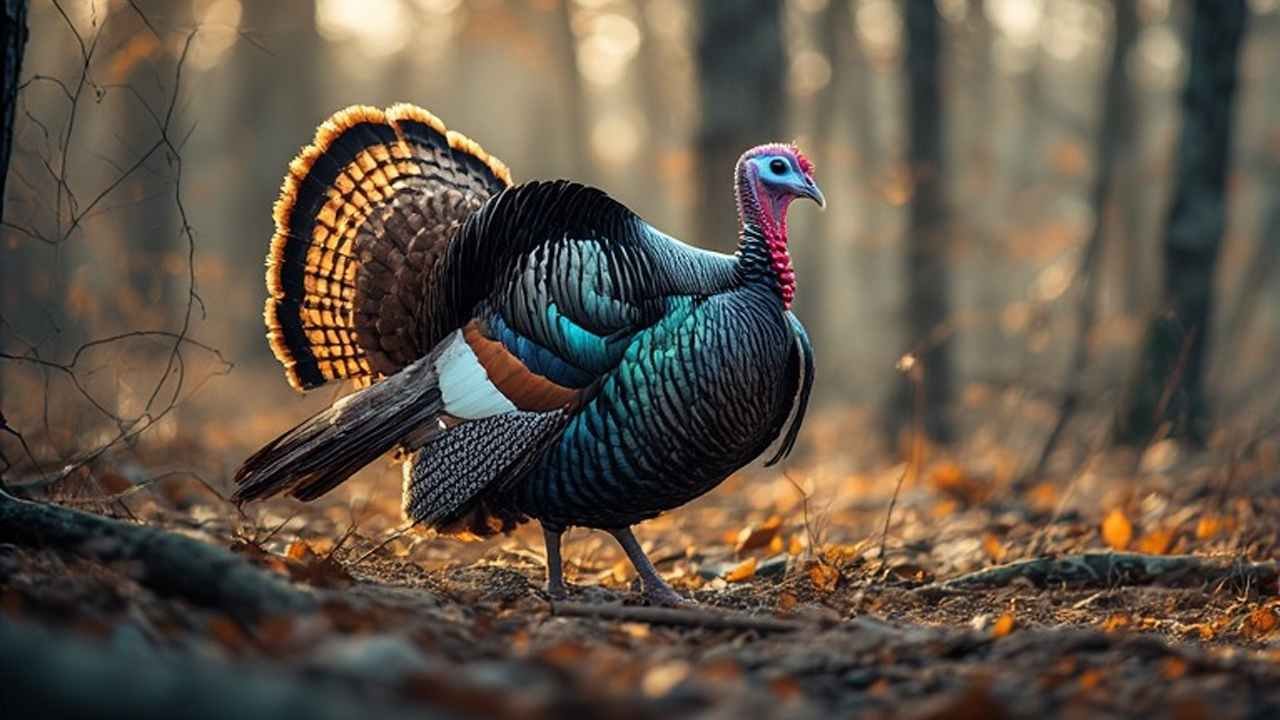
You understand the excitement of hearing a gobbler reverberate across the hills if you’ve ever strolled across Vermont’s hardwood ridges at first light. Some of the most lucrative wild turkey hunting in New England can be found in the Green Mountain State, and the 2026–2027 hunting season provides both new and seasoned hunters great chances, revised restrictions, and well-defined schedules. To help you plan your spring or fall hunts with confidence, this guide breaks down all the information you need, from precise dates and Wildlife Management Unit (WMU) details to license requirements and ethical hunting methods.
We can help whether you’re an out-of-state hunter interested in what the state’s forests have to offer or a Vermont native who has been hunting longbeards for years. Let’s examine the specifics.
Quick Overview
| Species | Season Dates (2026-2027) | Legal Methods |
|---|---|---|
| Wild Turkey (Spring) | May 1 – May 31, 2026 | Shotgun, archery, crossbow |
| Wild Turkey (Fall) | October 1 – October 31, 2026 | Shotgun, archery, crossbow |
| Wild Turkey (Youth) | April 25 – April 26, 2026 | Shotgun, archery, crossbow (supervised) |
Note: Always confirm current-year details with the Vermont Fish & Wildlife Department before heading afield.
All Turkey Seasons: Detailed Breakdown
| Season Name | Exact Dates | Zones / WMUs | Bag Limit | Permit / Tag Notes |
|---|---|---|---|---|
| Youth Spring | April 25–26, 2026 | Statewide | 1 bearded bird | Youth license required; adult supervision |
| Spring Hunting | May 1–31, 2026 | Statewide | 1 bearded bird | Valid hunting license + turkey tag |
| Fall Hunting | October 1–31, 2026 | Statewide | 1 bird (either sex) | Valid hunting license + fall turkey tag |
Vermont keeps its framework straightforward: one statewide spring opportunity and one fall window. The youth weekend gives younger hunters a head start, which is a fantastic way to introduce them to the sport in a less-crowded environment. From my experience preparing for spring hunts in northern New England, that last week of April can still be chilly—layering and waterproof gear are your friends.
More Bird Species 🕊️
While wild turkeys are the star attraction, Vermont also offers hunting opportunities for other upland game birds. Here’s a quick rundown:
- Ruffed Grouse: Season typically runs from late September through December. These birds thrive in Vermont’s young forests and are a classic target for small-game hunters.
- Woodcock: Migratory season aligns with federal frameworks, usually opening in late September and running into November.
- Ring-necked Pheasant: Limited opportunities exist, primarily on stocked lands or private clubs. Check local Wildlife Management Area postings for details.
- Waterfowl (ducks, geese): Managed under federal migratory bird regulations with state-specific zones and dates—consult the Vermont waterfowl digest for 2026-2027 specifics.
These additional species can round out your hunting calendar and give you more reasons to explore Vermont’s diverse habitats throughout the fall and winter months.
Vermont Turkey Regulations 🌾
Understanding the rules isn’t just about staying legal—it’s about respecting the resource and ensuring sustainable populations for future generations. Here’s what you need to know:
- Legal Weapons: Shotguns (10-gauge or smaller), muzzleloaders, archery equipment (including crossbows). Rifles are not permitted for wild turkeys.
- Shooting Hours: One-half hour before sunrise to one-half hour after sunset. These times shift throughout the month, so double-check sunrise/sunset tables for your hunt dates.
- Bearded Birds (Spring): Only bearded turkeys may be harvested during the spring hunt. This protects hens during nesting.
- Fall Hunting: Either sex is legal, but you’re limited to one bird for the entire fall period.
- Electronic Calls: Legal for use in Vermont—this can be a helpful tool, especially for less-experienced hunters learning vocalizations.
- Camouflage & Hunter Orange: While full camo is common among turkey hunters, remember that hunter orange is required during any overlapping big-game firearm periods. Safety first.
- Tagging & Reporting: Harvest must be reported online or via phone within 48 hours. Attach your turkey tag immediately after harvest.
- Public vs. Private Land: Much of Vermont’s prime turkey habitat is on private property. Always secure written or verbal permission before entering. State Wildlife Management Areas and national forest lands offer excellent public access—just be prepared to share space during peak weekends.
- Decoys & Blinds: Permitted, but always identify your target beyond any doubt. Decoys can attract other hunters as well as birds.
- Ethical Shot Placement: Head and neck shots are standard for turkeys. Practice before the hunt to ensure clean, humane kills.
The Vermont Fish & Wildlife Department sets these rules based on population data, nesting success, and hunter harvest reports. It’s a science-backed approach that keeps the flock healthy while providing quality outdoor recreation.
License & Tag Fees 🎟️
Getting properly licensed is straightforward in Vermont, and fees are reasonable compared to neighboring states. Here’s the breakdown for 2026-2027:
- Resident Hunting License: Approximately $28 annually
- Resident Spring Turkey Tag: Around $15
- Resident Fall Turkey Tag: Around $15
- Non-Resident Hunting License: Approximately $110 annually
- Non-Resident Spring Turkey Tag: Around $45
- Non-Resident Fall Turkey Tag: Around $45
- Youth License (under 18): Often reduced or free for residents; check current pricing
- Senior License (65+): Discounted rates may apply for Vermont residents
Where to Buy: Licenses and tags are available online through the Vermont Fish & Wildlife website, by phone, or at authorized agents (sporting goods stores, town clerks). I always recommend purchasing online ahead of time—it’s fast, and you’ll have a digital backup on your phone.
Combination Packages: If you’re planning multiple hunting seasons, look into combination licenses that bundle small game, big game, and turkey privileges. These can offer modest savings and simplify the process.
Remember, purchasing a hunting license contributes directly to wildlife conservation efforts, habitat management, and law enforcement across the state. Your dollars matter.
License Requirements
Not everyone needs a full license, and there are specific educational prerequisites that ensure safe, responsible hunting practices:
- Who Needs a License: Anyone age 15 and older must possess a valid Vermont hunting license and appropriate turkey tag.
- Hunter Education: First-time hunters born after January 1, 1968, must complete a certified hunter education course before purchasing a license. Vermont recognizes courses from other states, so if you’ve already taken one elsewhere, you’re good to go.
- Youth Hunters (Under 15): May hunt under direct supervision of a licensed adult (age 18+). The youth must have completed hunter education if age 12 or older. For the youth spring weekend, this is a perfect time to mentor a young shooter.
- Landowner Exemptions: Vermont residents hunting on their own land (10+ contiguous acres) may be exempt from needing a hunting license, but a turkey tag is still required. Check the fine print on this—it’s a privilege, not a loophole.
- Out-of-State Hunters: Full non-resident license required, plus turkey tag(s). No exceptions.
Firearms Safety Training: Even if you’re not legally required to take a course, consider refresher training. Handling firearms safely around other hunters, especially in thick cover where visibility is limited, is critical. The National Wild Turkey Federation and local shooting clubs often offer seminars and mentorship programs.
FAQs: Vermont Turkey Hunting
Q: What’s the best time of day to hunt turkeys in Vermont?
A: Early morning is prime time. Gobblers are most vocal at dawn, and you’ll want to be set up well before first light. Late afternoon can also be productive as birds move back to roost, but spring mornings are tough to beat.
Q: Can a complete beginner hunt turkeys in Vermont?
A: Absolutely. As long as you’ve completed hunter education (if required by age), have the proper license and tag, and understand the regulations, you’re good to go. Tagging along with an experienced hunter for your first outing is a smart move—turkeys are challenging, and learning calling techniques and woodsmanship takes time.
Q: Are electronic calls legal in Vermont?
A: Yes. Electronic calls and decoys are both permitted. Just remember: overcalling can spook wary birds. Use them strategically.
Q: Where can I hunt turkeys on public land?
A: Vermont has numerous Wildlife Management Areas (WMAs) and sections of the Green Mountain National Forest open to hunting. Popular spots can see pressure during opening weekend, so consider mid-week hunts or less-traveled zones. The Vermont Fish & Wildlife website offers interactive maps showing public access.
Q: Can I hunt both spring and fall with the same license?
A: Your base hunting license covers both, but you’ll need to purchase separate tags for spring and fall. Each tag is valid for one bird.
Q: What should I do if I harvest a bird?
A: Tag it immediately, record the harvest details, and report within 48 hours via the Vermont Fish & Wildlife online system or by phone. Proper reporting helps biologists track population trends and set future regulations.
Q: Is Vermont’s turkey population healthy?
A: Yes. The state has seen a strong rebound over the past few decades thanks to conservation efforts and habitat management. Annual harvest data suggests stable to growing populations in most regions, though localized fluctuations can occur due to weather and predation.
Conservation & Safety: Why Regulations Matter
Vermont’s wild turkey regulations aren’t arbitrary—they’re rooted in decades of wildlife biology research. Protecting hens during the spring nesting period ensures successful reproduction. Fall hunts, which allow harvest of either sex, help manage population density and reduce crop damage complaints on agricultural lands.
Conservation Highlights:
- License fees fund habitat restoration projects, including reforestation and grassland management.
- Population surveys guide biologists in setting sustainable bag limits.
- Ethical hunting pressure keeps flocks wary and wild, which actually improves long-term survival.
Safety Reminders:
- Know your target: Never shoot at sound, movement, or color alone. Positively identify a legal, bearded bird in spring.
- Wear hunter orange when required: During any overlap with deer or other big-game firearms periods, don full orange.
- Communicate: If hunting public land, be aware of other hunters. Avoid using gobbler calls to locate other hunters—this can be dangerous.
- Secure your firearm: Treat every gun as loaded. Keep muzzles pointed in safe directions, especially when moving through thick brush.
- Respect private property: Trespassing isn’t just illegal—it damages relationships between hunters and landowners. Always ask permission and thank landowners who grant access.
If you’re planning hunts in other northeastern states, you might find it helpful to compare regulations with New Hampshire turkey hunting seasons, which share similar ecological conditions. For hunters interested in southern strategies and longer fall windows, checking out Georgia turkey season offers a useful contrast in management approaches.
For additional insights on ethical hunting practices and gear recommendations, the National Wild Turkey Federation is an authoritative external resource covering everything from biology to advanced calling techniques.
Conclusion
With well-defined restrictions, easily accessible public areas, and a robust bird population, Vermont’s wild turkey hunting possibilities for 2026–2027 appear promising. Preparation is essential, whether you’re getting ready for the thrill of a spring gobbler hunt or the difficulty of an autumn either-sex chase. Verify which Wildlife Management Units you intend to visit, go over shooting hours, and double-check your hunting license and turkey tag.
Most importantly, take time to verify any updates directly with the Vermont Fish & Wildlife Department before your hunt. Regulations can shift based on population surveys and environmental factors, and staying informed is part of being a responsible hunter.
Get out there, respect the resource, and enjoy the incredible experience of pursuing wild turkeys in the Green Mountains. Good luck, and hunt safe!