
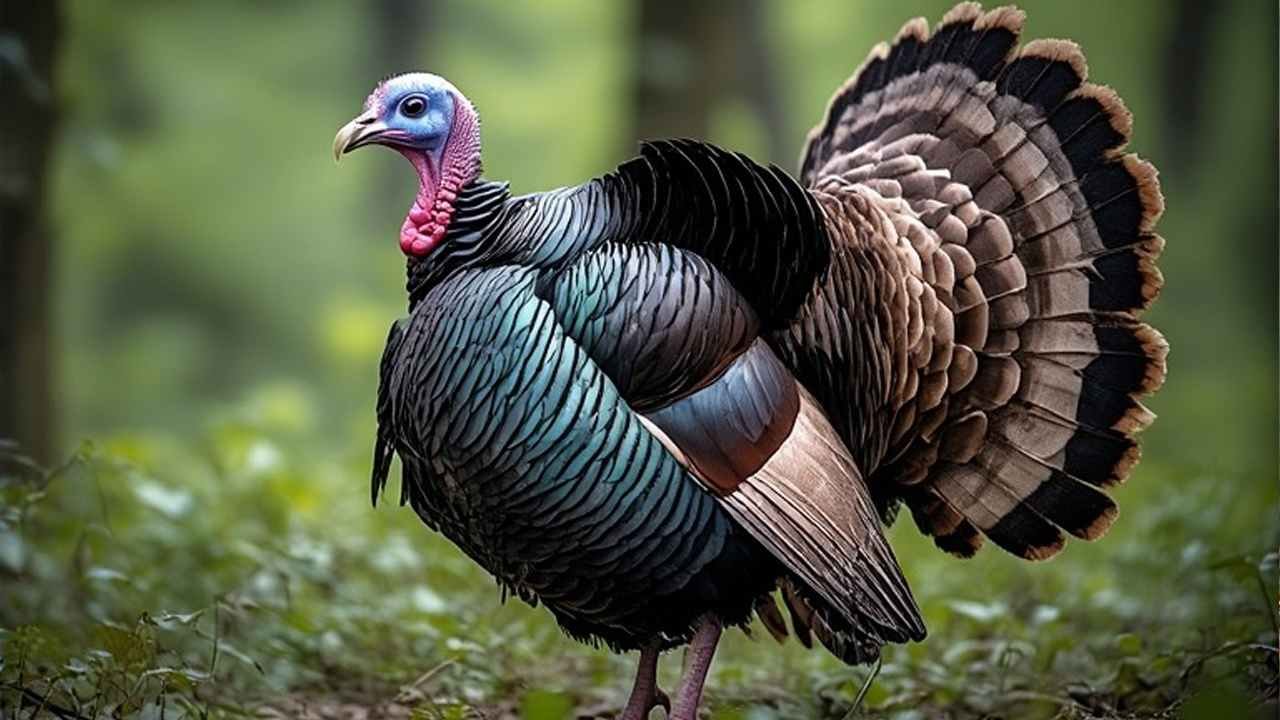
Virginia’s Turkey Season 2026-2027: County-Level Hunting Seasons
You’ve come to the correct spot if you intend to pursue gobblers in the Old Dominion this year. Everything you need to know about the 2026–2027 wild bird hunting window is included in this guide, including zone breakdowns, license requirements, precise opening and closing dates, and the regulations that ensure the survival of both hunters and animals. The best approach to ensure a safe, lawful, and satisfying experience is to be aware of the current restrictions, whether you’re an experienced caller or getting ready for your first spring hunt.
Eastern wild turkeys find great habitat in Virginia’s varied terrain, which includes the Coastal Plain and the Blue Ridge Mountains. These populations are carefully managed by the Virginia Department of Wildlife Resources (DWR), which establishes frameworks that strike a balance between conservation and opportunity. This guide contains comprehensive tables, useful advice, and responses to the most often asked concerns by hunters before to going into the woods.
Quick Overview
| Bird Type | Season Dates (2026-2027) | Legal Methods |
|---|---|---|
| Spring Gobbler | April 11 – May 9, 2026 | Shotgun, archery, crossbow, muzzleloader |
| Fall Either-Sex | October 10 – November 7, 2026; November 23 – January 1, 2027 | Shotgun, archery, crossbow, muzzleloader |
| Youth/Apprentice Spring | April 4–5, 2026 | Shotgun, archery, crossbow, muzzleloader |
Dates and methods are subject to annual review. Always verify with the Virginia DWR before your hunt.
All Turkey Seasons (Detailed Breakdown)
| Season Name | Dates | Zones/Regions | Bag Limit | Permit Details |
|---|---|---|---|---|
| Youth/Apprentice Spring | April 4–5, 2026 | Statewide | 1 bearded bird | Valid hunting license + turkey permit |
| Spring Gobbler | April 11 – May 9, 2026 | Statewide | 2 bearded birds per license year | Valid hunting license + turkey permit |
| Fall Either-Sex (First Split) | October 10 – November 7, 2026 | Statewide | 2 birds (either sex) per license year | Valid hunting license + turkey permit |
| Fall Either-Sex (Second Split) | November 23 – January 1, 2027 | Statewide | 2 birds (either sex) per license year | Valid hunting license + turkey permit |
Note: The spring period targets bearded birds only—typically mature gobblers and jakes. Fall hunts allow harvest of either sex, giving you more flexibility but also requiring extra caution to identify your target before the shot. From my experience preparing for spring hunts, the youth weekend is a fantastic opportunity to introduce younger hunters to the sport in a less crowded environment.
More Bird Species 🕊️
Virginia’s upland game offerings extend beyond wild turkeys. Here’s a quick look at other legally hunted birds and their 2026-2027 windows:
- Ruffed Grouse: October 17, 2026 – February 28, 2027 (western counties); season closed in some eastern regions—check DWR maps.
- Bobwhite Quail: November 19, 2026 – February 28, 2027 (statewide, with some county exceptions).
- Mourning Dove: September 1 – November 28, 2026; December 19, 2026 – January 10, 2027.
- Woodcock: December 7, 2026 – January 20, 2027.
Each species has its own bag limits and zone restrictions. If you’re planning a mixed-bag hunt, double-check the DWR digest to avoid confusion.
Virginia Turkey Regulations 🌾
Understanding the rules isn’t just about staying legal—it’s about respecting the resource and ensuring future generations can enjoy the same opportunities. Here are the key points:
- Legal Weapons: Shotguns (10-gauge or smaller), archery equipment (including crossbows with a minimum 125-pound draw weight), and muzzleloading firearms.
- Shooting Hours: One-half hour before sunrise to sunset during spring; one-half hour before sunrise to one-half hour after sunset during fall.
- Electronic Calls: Legal for fall hunts; prohibited during spring gobbler periods.
- Ammunition: Non-toxic shot is required on certain Wildlife Management Areas (WMAs)—always check WMA-specific rules.
- Tagging & Reporting: Harvest must be tagged immediately using the confirmation number from your license. Report your harvest online or by phone within 24 hours.
- Decoys & Blinds: Allowed, but use hunter orange when moving to and from your setup to avoid being mistaken for game.
- Baiting: It is illegal to hunt over bait or within 100 yards of a baited area. This includes grain, salt, or any attractant.
- Ethical Shots: Only take clear shots at positively identified birds. Spring means bearded birds only—confirm before you pull the trigger.
- Public Land Access: Many WMAs and national forests are open, but some require special permits or have quota systems. Check ahead.
These regulations exist to protect both the birds and other hunters. For example, the spring ban on electronic calls helps maintain the traditional challenge of calling in wary gobblers, while the fall allowance reflects the broader harvest objectives during that period.
License & Tag Fees 🎟️
Getting your paperwork in order early saves headaches down the road. Here’s what you’ll pay for the 2026-2027 period:
Resident Fees
- Base Hunting License: $23
- Turkey Permit: $23 (required in addition to base license)
- Sportsman License: $101 (includes base hunting, turkey, deer, bear, and fishing privileges)
Non-Resident Fees
- Annual Hunting License: $100
- Turkey Permit: $36
Youth & Senior Options
- Youth License (ages 12–15): $10 (includes turkey permit)
- Senior License (65+): Reduced rates available; check with DWR for current pricing.
Where to Buy
Licenses and permits can be purchased online through the Virginia DWR website, by phone, or at authorized retailers statewide (sporting goods stores, some gas stations, and DWR offices). I recommend buying online—it’s quick, and you can print your confirmation immediately.
Tip: If you plan to hunt multiple species or fish throughout the year, the Sportsman License often pays for itself and simplifies your wallet.
License Requirements
Not everyone needs the same paperwork. Here’s who needs what:
- Resident & Non-Resident Hunters: Must carry a valid Virginia hunting license and turkey permit.
- Hunter Education: Virginia requires all first-time hunters born on or after July 1, 1971, to complete an approved hunter education course before purchasing a license. The course covers firearms safety training, wildlife ID, and ethical practices.
- Age Limits: Youth hunters (under 12) must be supervised by an adult age 18 or older who holds a valid license. Hunters aged 12–15 must carry a youth license.
- Landowner Exemptions: Virginia residents hunting on their own land (or their spouse’s or minor children’s land) in their county of residence do not need a license, but still need a turkey permit and must follow all other regulations.
- Apprentice License: A special option for first-time hunters who want to try the sport before committing to hunter education. Must be accompanied by an experienced, licensed hunter.
If you’re new to the sport, don’t skip the education requirement—it’s not just a formality. The course gives you confidence in the field and helps you understand the “why” behind the rules.
FAQs Section
Q: What’s the best time of day to hunt gobblers in Virginia?
A: Early morning is prime time. Birds typically fly down from the roost at first light and are most vocal then. Late afternoon can also be productive as they prepare to roost again. Midday hunts are tougher but can work if you locate feeding areas or travel corridors.
Q: Can I hunt turkeys on public land in Virginia?
A: Absolutely. Virginia has extensive public land access through WMAs, national forests, and other state-managed properties. Some areas require special permits or operate on a quota system, so review the WMA regulations section of the DWR digest before you go.
Q: Are electronic calls allowed?
A: Not during spring gobbler periods. Electronic or recorded calls are prohibited from April 4 through May 9, 2026. However, they are legal during fall either-sex hunts.
Q: Do I need hunter orange when turkey hunting?
A: Virginia does not require orange during spring gobbler periods, but it’s strongly recommended when moving to and from your setup. During fall hunts—especially when overlap with deer seasons occurs—wearing orange is both wise and sometimes required depending on the WMA.
Q: Can a beginner hunt turkeys in Virginia?
A: Yes. New hunters should complete hunter education, consider the apprentice license option, and ideally go with an experienced mentor. The youth/apprentice weekend is a great low-pressure introduction.
Q: What happens if I accidentally harvest a hen during spring?
A: Contact the DWR immediately. Accidental violations should be reported; penalties vary, but honesty and cooperation are always better than trying to hide a mistake.
Q: Where can I find maps of hunting zones and WMAs?
A: The Virginia DWR website offers downloadable maps and an interactive GIS tool. You can also pick up printed digests at license vendors.
Conservation & Safety
Virginia’s wildlife regulations aren’t arbitrary—they’re grounded in decades of research and population monitoring. The spring gobbler framework protects hens during nesting, while fall either-sex hunts help manage populations in areas where numbers are robust. By following bag limits and reporting your harvest, you’re contributing data that biologists use to set future frameworks.
Safety Reminders:
- Identify your target completely before shooting. Never shoot at sound or movement alone.
- Wear hunter orange when moving through the woods, especially during fall when deer hunters are also active.
- Communicate with other hunters if you’re sharing public land. A friendly conversation can prevent dangerous misunderstandings.
- Know your effective range and practice with your firearm or bow before the hunt.
- Avoid skyline shots—always have a solid backstop.
- Stay hydrated and aware of weather conditions. Virginia springs can be unpredictable.
Respect private property boundaries and always ask permission before entering land you don’t own. Many landowners are happy to grant access to courteous, safety-conscious hunters.
Conclusion
Virginia provides exceptional possibilities for wild bird lovers, whether they are working an autumn flock in the piedmont or pursuing spring longbeards in the Shenandoah. In order to maintain population health for years to come, the 2026–2027 framework offers generous seasons, sensible bag limits, and unambiguous regulations. Before opening day, spend some time obtaining your hunting permits, studying the rules, and scouting your locations. If you’re exploring options beyond the Old Dominion, you might also check out hunting opportunities in neighboring states like North Carolina or Maryland.
Remember, regulations can change—always verify current rules with the Virginia Department of Wildlife Resources or consult the official Virginia hunting regulations digest before you head out. Stay safe, hunt ethically, and enjoy the pursuit.
For more detailed information specific to Virginia regulations and updates, visit the official Virginia hunting page.
The purpose of this guide is to provide an overview of the 2026–2027 hunting framework and to serve as an instructional resource. Rules are subject to modification. Before organizing your hunt, always check official publications and the Virginia Department of Wildlife Resources for the most up-to-date, legally binding information.