
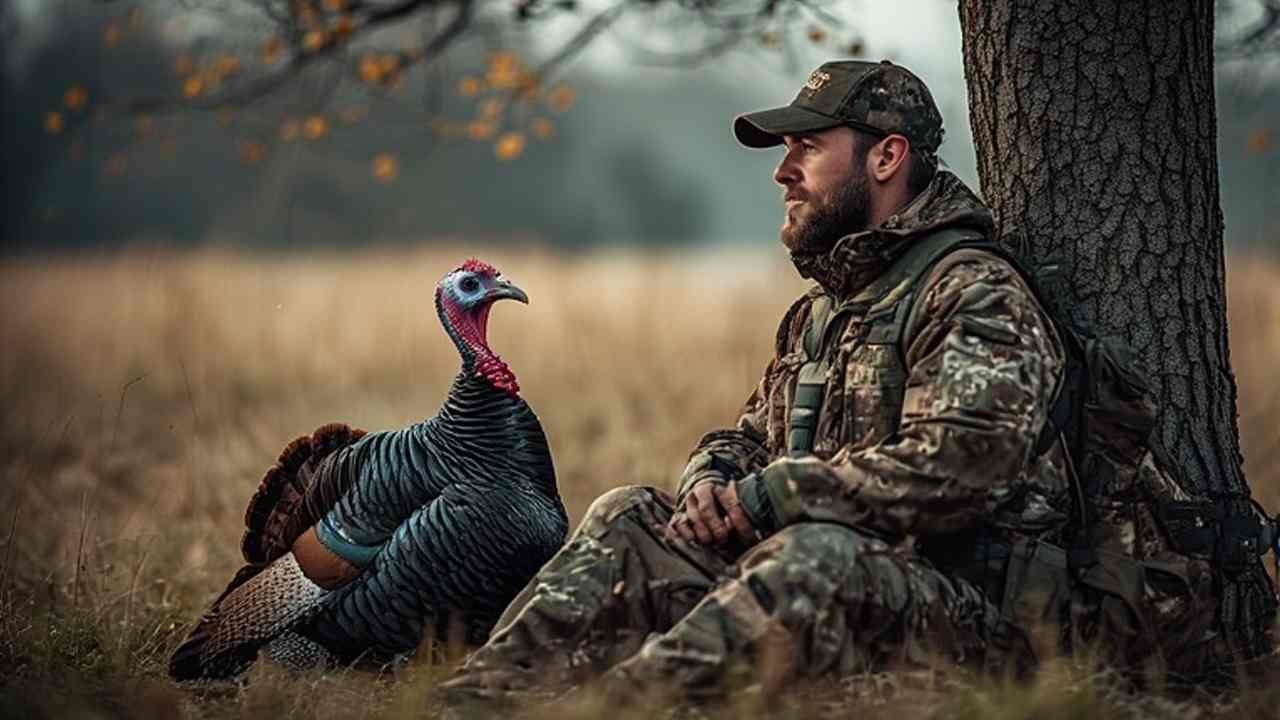
Washington Turkey Season 2026-2027: Hunting Areas and Regulations
Are you organizing your next Pacific Northwest gobbler hunt? West of the Rockies, Washington has some of the most varied and satisfying wild bird hunting opportunities. Everything you need to know for the 2026–2027 hunting season is broken down in this guide, from precise dates and regional zones to license requirements and tried-and-true advice that will help you fill out your tag in a morally and legally responsible manner.
Knowing the state’s laws and planning your hunts appropriately may be the difference between a peaceful stroll through the woods and a successful expedition, regardless of your level of experience.
Quick Overview: What’s Legal and When 🦃
Here’s a snapshot of what Washington’s regulations allow for wild bird hunting during the 2026-2027 period:
| Species | Season Opens | Season Closes | Legal Methods |
|---|---|---|---|
| Spring Gobbler | April 15, 2026 | May 31, 2026 | Shotgun, archery, crossbow |
| Fall Hunt (Select Areas) | September 1, 2026 | December 31, 2026 | Shotgun, archery, crossbow |
| Youth-Only Spring Hunt | April 11–12, 2026 | April 12, 2026 | Shotgun, archery, crossbow (with licensed adult) |
All Washington Turkey Seasons: Detailed Breakdown 📅
Washington’s Department of Fish and Wildlife (WDFW) manages hunts across multiple geographic zones. Here’s the full lineup for 2026-2027:
| Hunt Type | Dates | Zones/Areas | Bag Limit | Permit Details |
|---|---|---|---|---|
| Youth-Only Spring | April 11–12, 2026 | Statewide | 1 bearded bird | Youth must have hunter education; adult required |
| General Spring | April 15 – May 31, 2026 | Statewide | 2 bearded birds (1 per day) | General small game license + turkey tag |
| Fall General Hunt | Sept 1 – Dec 31, 2026 | Eastern WA, select western units | 1 bird (either sex in most areas) | Small game license + fall turkey tag |
| Tribal Land Permits | Varies by tribe | Specific reservations | Varies | Contact tribal wildlife offices directly |
Pro Tip: From my experience preparing for spring hunts in the Cascades, scouting two weeks before opening day gives you a huge edge. Listen for gobbles at dawn and note roosting areas—you’ll thank yourself later.
More Bird Species You Can Hunt in Washington 🕊️
Washington isn’t just about gobblers. The state offers robust opportunities for upland game bird enthusiasts:
- Ring-Necked Pheasant: Oct 10, 2026 – Nov 29, 2026 (most areas); extended zones run through Jan 10, 2027
- Ruffed Grouse: Sept 1, 2026 – Dec 31, 2026
- Blue Grouse (Dusky & Sooty): Sept 1, 2026 – Dec 31, 2026
- Chukar & Hungarian Partridge: Oct 10, 2026 – Jan 31, 2027
- California & Mountain Quail: Oct 10, 2026 – Nov 29, 2026
- Mourning Dove: Sept 1 – Sept 15, 2026 (limited areas; check WDFW updates)
Each species has its own bag limits and specific zone restrictions. Always cross-reference the WDFW upland game regulations before heading out.
Washington Turkey Regulations You Can’t Ignore 🌾
Staying legal isn’t just about avoiding fines—it’s about respecting wildlife and keeping access open for future hunters. Here’s what you need to follow:
- Legal Firearms: Shotguns (10-gauge or smaller), archery equipment with minimum 40 lb. draw weight, crossbows
- Shot Restrictions: Non-toxic shot required in some wildlife areas; check your specific zone
- Shooting Hours: 30 minutes before sunrise to 30 minutes after sunset (spring); all-day hunting allowed in fall in most areas
- Decoys & Calls: Artificial calls and decoys are legal; electronic calls prohibited during spring, allowed in fall
- Hunter Orange: Not required for spring hunts; recommended for fall (especially in areas with concurrent big game activity)
- Tagging: Immediately upon harvest, attach your transport tag through the leg and notch the date
- Land Access: Public lands are open unless posted otherwise; always get written permission for private property
- Ethical Shot Distance: Only take shots you’re confident will result in a clean, humane harvest
Safety First: Never stalk a gobbler. Concealment and calling are your tools. Moving toward sounds in thick cover has led to tragic accidents.
License & Tag Fees: What It’ll Cost You 🎟️
Here’s the pricing structure for the 2026-2027 period:
| License Type | Resident | Non-Resident |
|---|---|---|
| Small Game License | $36.50 | $125.50 |
| Spring Turkey Tag | $15.00 | $67.00 |
| Fall Turkey Tag | $15.00 | $67.00 |
| Youth (ages 10–17) | $15.00 base license | $15.00 base license |
| Senior (65+) | Reduced to $18.00 base | Standard pricing |
Where to Buy:
- Online through the WDFW licensing portal
- Authorized retailers (sporting goods stores, some convenience stores)
- WDFW regional offices
You’ll need to carry both your base small game license and the specific turkey tag while hunting. Tags are non-transferable. If you’re planning multiple outings in different regions, especially if you’re considering public land access across state lines, compare requirements—hunters often cross into Oregon or Idaho for extended trips.
License Requirements: Who Needs What
Not everyone needs the same documentation. Here’s the breakdown:
- All hunters born after January 1, 1972 must complete a hunter education course approved by WDFW or an equivalent from another state
- Youth hunters (ages 10–17) need hunter education and must be accompanied by a licensed adult (18+) during youth-only hunts
- Landowners hunting their own property (minimum 10 acres) may qualify for reduced fees but still need valid licenses and tags
- Out-of-state students attending Washington colleges full-time may qualify for resident fees after 6 months
- Non-residents pay higher fees and are subject to the same harvest limits as residents
If you’ve never taken a firearms safety training course, Washington offers both in-person and online options through WDFW-approved providers.
Frequently Asked Questions
Q: What’s the best time of day to hunt spring gobblers in Washington?
A: Early morning, right around sunrise, is peak activity. Birds are coming off the roost and vocal. Late afternoon can also be productive, especially in pressured areas where birds have gone quiet midday.
Q: Can I use electronic calls during spring hunts?
A: No. Electronic or recorded calls are prohibited during spring. Fall hunts allow them in most zones, but double-check your specific unit.
Q: Do I need a turkey tag for both spring and fall hunts?
A: Yes, they’re separate. A spring tag won’t cover fall hunting, and vice versa.
Q: Are youth hunters allowed to harvest bearded hens?
A: During youth-only hunts, the bird must be bearded. In fall, either-sex harvest is typically allowed depending on the zone.
Q: Can I hunt on state wildlife areas without additional permits?
A: Most wildlife areas are open to licensed hunters, but some require a Discover Pass for vehicle access ($30 annually). A few select areas have limited entry or special permit draws—check WDFW’s website for specifics.
Q: What if I’m completely new—can I still participate?
A: Absolutely. Washington offers mentored hunts and beginner workshops. Pair up with an experienced hunter or consider guided hunts if you want expert coaching on calling techniques and field tactics.
Q: Is there a limit to how many tags I can buy?
A: For spring, you can harvest two bearded birds per licensed hunter (one per day). You’ll purchase one tag that covers both. Fall hunts typically allow one bird, and you’ll need a separate fall tag.
Conservation: Why These Rules Exist 🌿
Washington’s wild bird populations are carefully managed to balance hunter opportunity with long-term sustainability. Harvest data, population surveys, and habitat assessments inform decisions made by WDFW biologists each year. Limiting spring hunts to bearded birds protects hens during nesting, while fall either-sex opportunities help manage population density in areas where birds thrive.
Your license fees and federal excise taxes on hunting gear directly fund habitat restoration, wildlife research, and public land management. Every tagged bird you report contributes to data that shapes future regulations.
Safety Reminders
- Always positively identify your target before shooting
- Never wear red, white, or blue (colors that resemble a gobbler’s head)
- Sit against a tree wider than your shoulders when calling
- Let someone know your hunting location and expected return time
- Carry a first aid kit and know basic wilderness survival skills
- Be aware of other hunters—spring woods can get crowded on opening weekend
If you’re expanding your hunting knowledge, resources like the Alabama turkey season guide offer great cross-regional comparisons, while California turkey season details show how Pacific states manage similar challenges.
Final Thoughts
Hunting possibilities for wild birds in Washington in 2026–2027 appear to be promising throughout the state. Whether you’re working a canyon ridge in the Cascades or chasing spring thunder in the wheat fields east of the Rockies, being prepared and according to the rules will set you up for success.
Double-check all dates, zones, and bag limits on the official WDFW hunting page before you head out. Regulations can shift due to population changes or habitat conditions, and it’s your responsibility to stay current.
Here’s to clean shots, respectful hunts, and full tags this year. See you out there.