
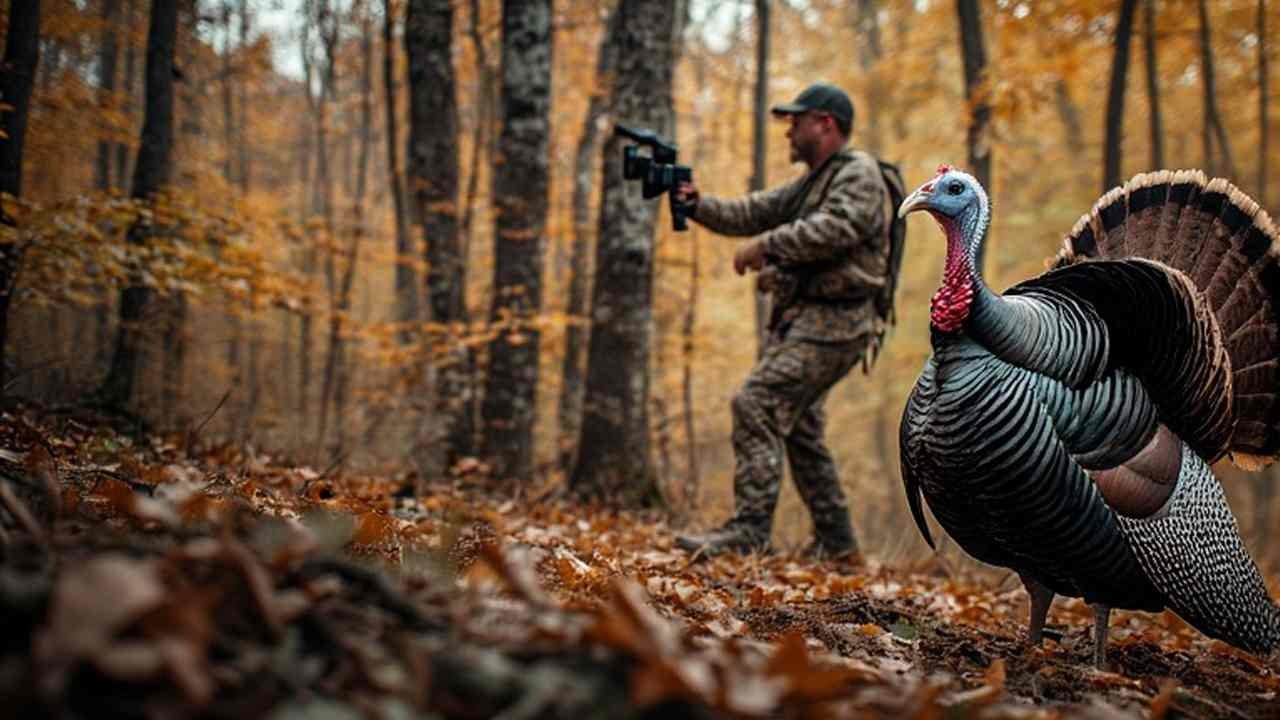
Wisconsin Turkey Season 2026-2027: Period-Based Hunting Dates
This advice is for you if you’re planning spring mornings, cleaning up your calls, and attempting to recall where you put that one glove (there’s always only one). The following information pertains to Wisconsin during the hunting season of 2026–2027:
The official dates for 2026–2027, common birds to target, the operation of Wisconsin’s seven management zones, and a detailed rundown of permits, stamps, and harvest authorizations (including the drawing and bonus possibilities) will all be covered. The Wisconsin Department of Natural Resources (DNR) websites and their listings of seasonal dates provide the majority of the information used here.
In addition, I’ll discuss other game birds in the state and offer some “from-my-experience” preparation tips, such as why I always check my license before parking at the property gate.
Quick Overview
| Bird / Type | Open & Close Dates (2026–2027) | Legal Hunting Methods (High-Level) |
|---|---|---|
| Wild turkey (Spring structure) | Youth: Apr 11–12, 2026; Regular periods Apr 15–May 26, 2026 | Commonly shotgun, bow/crossbow (always confirm current regs & unit rules) |
| Wild turkey (Fall) | Sept 12, 2026 – Jan 3, 2027 (statewide) | Fall methods vary; confirm rules, including any dog-related allowances and weapon details |
Note: Wisconsin’s program is organized around 7 turkey management zones, and your authorization is tied to your zone choice.
All Turkey Seasons (Detailed Table)
| Season Name | Exact Dates (2026–2027) | Zones / Regions | Bag Limit | Permit / Tag Details |
|---|---|---|---|---|
| Spring Youth Hunt | April 11–12, 2026 | All 7 turkey management zones open | 1 bird per valid authorization (spring rules) | Must have spring license, stamp, and a valid harvest authorization; youth hunt rules apply |
| Spring Period A | April 15–21, 2026 | Zone-specific authorization | 1 bird per authorization | Spring harvest authorizations issued via drawing; leftover “bonus” authorizations may be available after drawing |
| Spring Period B | April 22–28, 2026 | Zone-specific authorization | 1 bird per authorization | Same as above |
| Spring Period C | April 29–May 5, 2026 | Zone-specific authorization | 1 bird per authorization | Same as above |
| Spring Period D | May 6–12, 2026 | Zone-specific authorization | 1 bird per authorization | Same as above |
| Spring Period E | May 13–19, 2026 | Zone-specific authorization | 1 bird per authorization | Same as above |
| Spring Period F | May 20–26, 2026 | Zone-specific authorization | 1 bird per authorization | Same as above |
| Fall Season (General) | Sept 12, 2026 – Jan 3, 2027 | Statewide (zones still matter for authorizations) | 1 bird per fall harvest authorization | Fall license includes one fall harvest authorization; bonus fall authorizations may be available (zone-based) |
Personal prep note: I’ve learned to screenshot my Go Wild license/authorization and keep a printed backup. Phone batteries mysteriously sprint toward 1% once you’re a mile from the truck. Wisconsin allows digital proof options, but redundancy is sanity.
More Bird Species 🕊️ (Other Game Birds in Wisconsin)
If you like keeping the fall calendar busy (and your freezer organized like a chaotic puzzle), Wisconsin also offers other game bird opportunities. Here are 2026–2027 dates listed by Wisconsin DNR:
- Pheasant (statewide): Oct 17, 2026 (9 a.m.) – Jan 3, 2027
- Ruffed grouse:
- Zone A: Sept 12, 2026 – Jan 3, 2027
- Zone B: Oct 17, 2026 – Dec 7, 2026
- Hungarian partridge (with county closures noted by DNR): Oct 17, 2026 (9 a.m.) – Jan 3, 2027
- Bobwhite quail: Oct 17, 2026 (9 a.m.) – Dec 9, 2026
- Crow: Nov 21, 2026 – March 24, 2027
Wisconsin Turkey Regulations 🌾 (Practical, Plain-English)
Regulations exist for two big reasons: hunter safety and wildlife conservation. Here are the field-realistic basics to keep in mind, with official references for deeper detail:
- Legal weapons: Rules can vary by season and context; always confirm the current regulation booklet for legal weapons and any restrictions.
- Shooting hours: Wisconsin posts northern vs southern shooting hours PDFs for 2026 (spring and fall). Always check the correct region before you go.
- Land access rules: Public access options include DNR-managed lands and specific access programs. Don’t assume “looks public” means “is public.”
- Tagging & transport basics: You must carry proof of your approvals while afield, and registration is mandatory—Wisconsin notes you must register by 5 p.m. the day after harvest.
- Ethical and safety expectations: Wisconsin DNR emphasizes avoiding behaviors that could cause another hunter to mistake you for game and encourages blaze orange when moving.
Quick safety reminders (worth re-reading every year)
- Wear blaze orange while walking in/out and when setting up (then follow concealment rules once settled).
- Know your target and what’s beyond it.
- Never stalk sounds or movement—identify first.
- Handle firearms safely and keep your muzzle controlled at all times.
License & Tag Fees 🎟️ (Resident vs Nonresident)
Prices can change through policy updates, but Wisconsin DNR publishes fee tables. Here are the listed items relevant to turkey hunting:
Residents (Wisconsin DNR fee listing)
- Spring turkey application: $3.00
- Spring turkey license: $15.00
- Turkey stamp: $5.25
- Fall turkey license & harvest authorization: $15.00
- Bonus spring harvest authorization: $10.00
- Bonus fall harvest authorization: $10.00
Nonresidents (Wisconsin DNR fee listing)
- Spring turkey application: $3.00
- Spring turkey license: $65.00
- Turkey stamp: $5.25
- Fall turkey license & harvest authorization: $65.00
- Bonus spring harvest authorization: $15.00
- Bonus fall harvest authorization: $15.00
Where to buy
Wisconsin’s official purchasing hub is Go Wild (online) and authorized sales locations.
From a planning standpoint, this is also where things like hunting licenses, harvest authorizations, and your stamp permissions stay neatly tied to your customer profile—helpful when you’re also budgeting for hunting gear, optional outdoor insurance, and maybe a once-a-year guided hunt to learn a new area without wandering like a lost cloud. (No sales pitch—just real-world planning.)
License Requirements (Who needs what?)
Wisconsin’s system is fairly structured:
- You generally need: a license, a stamp, and the correct harvest authorization for the time period/zone you’re hunting.
- Hunter education: If you were born on or after Jan. 1, 1973, Wisconsin requires hunter education to buy a hunting license—unless you hunt under the mentored program rules.
- Mentored hunting option: Wisconsin’s Mentored Hunting Program allows new hunters (including those under 12, and others without hunter education) to hunt with a qualified mentor under specific rules (arm’s reach, etc.).
- Youth hunt: Youth hunters must meet eligibility rules and carry the proper approvals; Wisconsin outlines youth hunt details for those under age 16.
FAQs (Wisconsin-focused)
1) What time of day is most productive?
From my experience preparing for spring hunts, early morning activity can be strong—but Wisconsin’s key is following posted shooting hours for your region (north vs south). I always check the DNR PDF the night before.
2) Do I have to hunt in a specific zone?
Yes—your spring harvest authorization is tied to the management zone you chose (and the period you drew). Read the authorization carefully before stepping onto a property.
3) Is there a drawing deadline for spring permits?
Yes. Wisconsin DNR notes the spring drawing application deadline is Dec. 10 each year. (That’s the date I set a calendar reminder for—because “I’ll remember later” is a lie.)
4) Can I buy leftover authorizations if I don’t draw?
Often, yes. Wisconsin sells remaining authorizations as bonus harvest authorizations after the drawing, first-come/first-served with zone-based sales timing.
5) How soon do I have to register after a harvest?
Wisconsin requires registration by 5 p.m. the day after harvest and provides electronic registration options.
6) Can I hunt public land?
Yes, but verify the property is open to hunting and follow any posted rules. Wisconsin also highlights specific public access resources and programs (including walk-on style options during spring).
7) Do I need a license if I’m just calling for someone else?
Wisconsin DNR notes you don’t need a license to call if you don’t possess a firearm or bow; guiding for a fee is different.
Conservation & Access Notes (Why the rules matter)
Wisconsin’s structured time periods, zone system, and authorization approach help manage harvest pressure and support long-term population goals—basically keeping opportunity strong without burning out local bird numbers. It also reduces conflicts on the landscape by spreading hunters across time and geography.
Respecting land matters, too: Double-check boundaries, follow parking rules, and treat gates and signage like they’re there for a reason—because they are.
For broader planning across the state’s full hunting calendar, see Wisconsin hunting seasons overview.
For comparison planning if you travel, here’s Minnesota turkey season guide .
For official purchase and account management, use Go Wild licensing portal
For official rules and regulation booklets, see Wisconsin DNR Hunting Regulations
Conclusion
Once you match your dates to your zone and get the appropriate approvals, Wisconsin’s 2026–2027 framework is simple. Keep an eye on shooting hours, plan ahead (particularly for the spring drawing), and include land access as part of your preparation rather than an afterthought.
Last but not least, always confirm last-minute updates before leaving, since rulemaking or policy modifications may result in minor regulatory changes. Be cautious, hunt responsibly, and relish the mornings when your coffee tastes better even when it’s lukewarm.
The Wisconsin DNR’s publicly accessible material serves as the basis for this instructional guide. Before hunting, always check the official Wisconsin DNR website for final dates, unit boundaries, techniques, and regulations.