

Winter Hunting Species You Can Still Hunt After Big Game Season Ends
Many hunters wrongly think that their outdoor activities must halt until October arrives when big game season ends in the majority of the United States. Nonetheless, many species that are still legally huntable and active during the coldest months of the year provide excellent hunting chances during the winter. From ducks moving through southern latitudes to predators with great winter pelts, late-season hunting offers special difficulties and rewards that seasoned hunters acknowledge as some of the most fruitful times of the year.
Small game, upland birds, waterfowl, predators, and even extended seasons for particular large game animals in some states are among the many types of hunting that take place during the winter months after the typical big game seasons expire. These opportunities vary significantly by state and region, requiring hunters to understand legal hunting requirements and current regulations that govern winter hunting activities. The following comprehensive guide details huntable species throughout winter months, tactics for success in harsh weather conditions, and essential gear considerations that differentiate cold-weather hunting from other seasons.
Primary Winter Hunting Categories
Winter hunting opportunities fall into distinct classifications that remain available long after deer and elk tags have been filled. Understanding these categories helps hunters plan their late-season pursuits effectively.
Predator Hunting Opportunities
Predator hunting reaches its peak during winter months when fur quality achieves its finest condition and population management objectives align with hunting seasons.
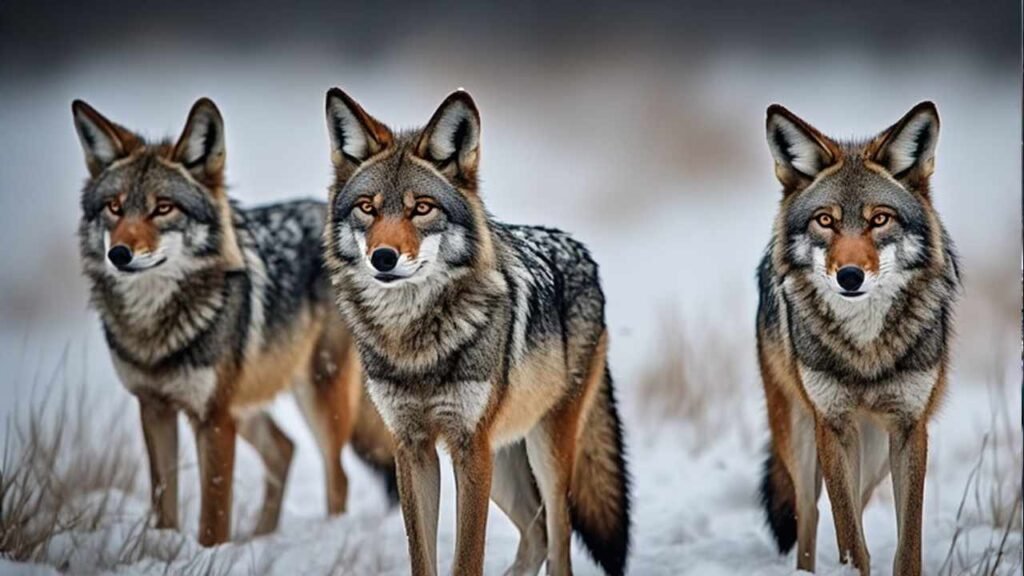
Coyotes
Season availability: Year-round in most states; winter represents peak hunting period
Coyotes remain one of the most accessible winter hunting targets across the United States. These adaptable predators maintain activity throughout the coldest months, with several factors making winter the ideal hunting period:
- Prime fur condition: Dense winter coats achieve maximum quality from December through February
- Increased visibility: Leafless vegetation and snow cover reveal coyote movements
- Breeding season behavior: Late January through February mating season increases vocal responses to calls
- Agricultural damage control: Many states offer unlimited harvest to protect livestock
- Snow tracking advantages: Fresh snow reveals travel patterns and recent activity
Top states for winter coyote hunting: Montana, Wyoming, Kansas, Oklahoma, Texas, Nebraska, North Dakota, South Dakota
Red Fox and Gray Fox
Season availability: November through February in most regions
Fox hunting provides challenging winter sport with valuable pelts as additional incentive. Winter conditions affect fox behavior significantly:
- Territorial marking: Increased scent marking during breeding season (January-February) makes tracking more productive
- Den site scouting: Late winter reveals den locations for following year’s management
- Premium pelt value: Winter fox fur commands highest market prices
- Reduced competition: Fewer hunters pursue fox compared to coyotes
Bobcats
Season availability: December through February (varies significantly by state; requires tags in most jurisdictions)
Bobcat hunting demands specialized skills and represents trophy-quality winter pursuit:
- Limited tags: Many states issue restricted bobcat permits through lottery systems
- Hound hunting tradition: Trailing bobcats with dogs remains primary hunting method in mountainous terrain
- High-value pelts: Bobcat fur prices reflect rarity and quality
- Predation management: Bobcat hunting supports wild turkey and quail population health
Notable bobcat hunting states: Idaho, Montana, Nevada, Oregon, Utah
Raccoons
Season availability: October through February in most states
Nighttime raccoon hunting provides accessible winter activity:
- Night hunting with hounds: Traditional pursuit method across Southern and Midwestern states
- Thermal and night vision technology: Modern equipment enhances hunting effectiveness
- Agricultural pest management: Crop damage control motivates extended seasons
- Social hunting culture: Multi-hunter groups with dog packs create community experience
Waterfowl Winter Hunting
Waterfowl hunting extends well into winter across much of the United States, following migratory patterns southward as the season progresses. According to the U.S. Fish & Wildlife Service, carefully managed waterfowl seasons support healthy populations while providing significant hunting opportunities.
Ducks
Season availability: Through late January in most flyways; through late February in some southern zones
Winter duck hunting targets late-migrating species and birds pushed south by weather fronts:
- Northern flight arrivals: Severe weather in northern states pushes fresh birds into hunting zones
- Concentrated feeding areas: Limited open water creates predictable patterns
- Species diversity shifts: Late season brings goldeneyes, buffleheads, mergansers, and other divers
- Layout boat opportunities: Large water body hunting becomes more productive
Prime winter duck hunting regions:
- Mississippi Flyway: Arkansas, Louisiana, Mississippi, Tennessee
- Central Flyway: Texas coastal regions, Oklahoma reservoirs
- Pacific Flyway: California Central Valley, Columbia River basin
Geese (Canada Geese, Snow Geese, Specklebelly Geese)
Season availability: Through late January for Canada geese; through February-March for light geese in conservation order states
Goose hunting remains highly productive throughout winter:
Canada Geese:
- Resident populations supplement migratory birds in many regions
- Agricultural field feeding creates patternable behavior
- Late-season pressured birds require advanced decoy strategies
Snow Geese and Ross’s Geese:
- Light goose conservation orders extend seasons beyond traditional dates
- Spring conservation season (February-April) offers unlimited harvest in many states
- Massive concentrations along Gulf Coast and in agricultural regions
Specklebelly (Greater White-Fronted) Geese:
- Premier table fare among goose species
- Concentrated in rice country and coastal marshes
- Requires careful identification from similar-sized Canada geese
Upland Game Birds
Several upland species maintain hunting seasons throughout winter months, offering opportunities in diverse habitats.
Rabbits (Cottontail and Jackrabbit)
Season availability: Through February-March in most states
Rabbit hunting provides excellent winter activity for hunters of all experience levels:
- Beagle hunting tradition: Small hound packs trailing cottontails creates exciting action
- Excellent table fare: Winter rabbits avoid parasite concerns of warmer months
- Youth hunter opportunity: Accessible hunting develops next generation skills
- Snow tracking: Fresh snow reveals travel corridors and bedding locations
- Shotgun or .22 rifle: Versatile weapon choices accommodate various hunting styles
Best rabbit hunting states: Kansas, Missouri, Illinois, Indiana, Ohio, Pennsylvania
Squirrels (Gray Squirrel and Fox Squirrel)
Season availability: Year-round or through January-February in most states
Winter squirrel hunting offers underrated sporting challenges:
- Leaf-off visibility: Bare hardwoods expose squirrel movements
- Concentrated food sources: Remaining mast crops create predictable feeding
- Quality meat resource: Cold weather provides natural refrigeration
- Sporting rifle hunting: .22 rifles and small-bore hunting develop marksmanship
- Public land abundance: Extensive opportunities on national forests and state lands
Quail (Bobwhite, Scaled, Gambel’s, Valley)
Season availability: Through January-February depending on region and species
Traditional quail hunting continues through winter across suitable habitat:
Bobwhite Quail:
- Southeastern strongholds in Georgia, Alabama, Florida
- Controlled hunting preserves extend opportunity beyond wild bird seasons
- Pointer dog work showcases hunting dog culture
Western Quail Species:
- Scaled quail in shortgrass prairie of New Mexico, Texas, Oklahoma
- Gambel’s quail in desert Southwest
- Valley quail in California agricultural edges
Pheasant
Season availability: Through early January in most states
Ring-necked pheasant hunting extends into winter in primary range states:
- Public access: Walk-in programs provide extensive hunting ground in Dakotas, Kansas, Nebraska
- Late-season survivor challenge: Educated roosters demand strategic approach
- Group hunting drives: Organized pushes through cattails and shelterbelts
- Winter cover concentration: Reduced habitat availability concentrates birds
Top pheasant states for late season: South Dakota, North Dakota, Kansas, Nebraska, Iowa
Small Game Mammals
Beyond traditional quarry, several other small game species remain huntable through winter.
Nutria
Season availability: Year-round in Louisiana and other Gulf states
Invasive nutria hunting serves dual purposes of population control and wetland protection:
- Bounty programs: Louisiana Nutria Control Program pays per tail
- Wetland conservation: Nutria damage destroys critical coastal marsh habitat
- Night hunting allowed: Spotlighting permitted for these destructive rodents
- Meat utilization: Growing culinary interest in nutria as sustainable protein
Opossum
Season availability: Year-round or through winter in most states
Nighttime opossum hunting with hounds maintains regional popularity:
- Tree dog training: Young hounds develop skills pursuing opossums
- Traditional sport: Particularly strong following in Ozarks and Appalachian regions
- Competition hunts: Organized night hunts with scoring systems
Extended Big Game Seasons
Select big game opportunities continue beyond primary fall seasons in specific states and zones.
Late-Season Deer Hunts
Season availability: Extended seasons and special hunts through January-February in some states
Several states offer extended or special late deer seasons:
- Agricultural damage permits: Special crop protection hunts in states like Illinois, Iowa, Missouri
- Doe-only extensions: Population management drives late antlerless seasons
- Muzzleloader seasons: Late primitive weapon opportunities in various states
- Youth-only extensions: Several states add late youth seasons to increase recruitment
Pronghorn Antelope
Season availability: Special late seasons in Wyoming, Montana, New Mexico
Limited late pronghorn hunts address specific management goals:
- Damage hunts: Agricultural protection motivates some late tags
- Difficult access areas: Extended seasons for remote units with low hunter pressure
Wild Hog
Season availability: Year-round in Texas, Oklahoma, Louisiana, and most states with populations
Invasive wild hog hunting provides unlimited opportunity:
- No license required: Some states exempt feral hog hunting from license requirements
- Night hunting permitted: Thermal and night vision technology highly effective
- Population control priority: Unlimited harvest encouraged due to ecological damage
- Year-round meat source: Excellent table fare when properly handled
State-by-State Winter Hunting Opportunities
Understanding regional variations in winter hunting requires examining opportunities across different geographic zones.
Northern States (December-February)
| State | Primary Winter Species | Notable Opportunities | Season Extensions |
|---|---|---|---|
| Minnesota | Coyote, fox, rabbit, squirrel | Extensive public land rabbit hunting | Some late deer zones |
| Wisconsin | Coyote, fox, rabbit, squirrel | Cottontail abundance in southern regions | Extended doe seasons |
| Michigan | Coyote, rabbit, squirrel | Snowshoe hare in Upper Peninsula | Late muzzleloader deer |
| Maine | Coyote, fox, rabbit, bobcat | Snowshoe hare tradition; bobcat with hounds | Limited late deer |
| New York | Coyote, fox, rabbit, squirrel | Adirondack winter predator hunting | Extended southern zone deer |
| Pennsylvania | Coyote, fox, rabbit, squirrel | Excellent cottontail populations | Extended doe seasons |
Central States (December-February)
| State | Primary Winter Species | Notable Opportunities | Season Extensions |
|---|---|---|---|
| Kansas | Coyote, pheasant, quail, rabbit | Walk-in hunting access (WIHA) program | Extended antlerless deer |
| Nebraska | Coyote, pheasant, rabbit | Public access extensive for uplands | Late deer opportunities |
| Oklahoma | Coyote, rabbit, quail, feral hog | Year-round hog hunting; quail resurgence | No closed coyote season |
| Texas | Coyote, feral hog, waterfowl, rabbit | Most liberal hunting regulations nationwide | Extended deer in some counties |
| Missouri | Coyote, rabbit, squirrel | Conservation area network for small game | Late youth deer seasons |
| Iowa | Coyote, pheasant, rabbit | Late pheasant season productive | Extended doe tags available |
Southern States (December-February)
| State | Primary Winter Species | Notable Opportunities | Season Extensions |
|---|---|---|---|
| Arkansas | Waterfowl, rabbit, coyote, squirrel | Premiere duck hunting in flooded timber | Extended doe seasons |
| Louisiana | Waterfowl, nutria, rabbit, coyote | Snow goose conservation order; nutria bounty | Year-round hog hunting |
| Mississippi | Waterfowl, rabbit, coyote, feral hog | Delta waterfowl; extensive hog populations | Extended deer zones |
| Alabama | Waterfowl, rabbit, coyote, feral hog | Mobile Bay coastal waterfowl | Hog year-round |
| Georgia | Waterfowl, rabbit, coyote, feral hog | Quail plantation tradition | Extended deer opportunities |
| Florida | Waterfowl, feral hog, coyote | Osceola turkey season begins late winter | Year-round hog harvest |
Western States (December-February)
| State | Primary Winter Species | Notable Opportunities | Season Extensions |
|---|---|---|---|
| Montana | Coyote, fox, bobcat, rabbit | Premium predator hunting; exceptional fur quality | Some late deer/antelope |
| Wyoming | Coyote, rabbit, jackrabbit | High-volume predator calling | Late pronghorn hunts |
| Idaho | Coyote, bobcat, rabbit | Mountain lion with hounds | Extended wolf hunting |
| Colorado | Coyote, rabbit, jackrabbit | High plains predator abundance | Limited late deer |
| Nevada | Coyote, bobcat, jackrabbit | Desert predator hunting | Late muzzleloader deer |
| New Mexico | Coyote, rabbit, quail, javelina | Scaled quail hunting; late javelina | Barbary sheep year-round |
Winter Hunting Tactics and Strategies
Cold-weather hunting demands specialized approaches that differ significantly from fall hunting methods.
Predator Calling Techniques
Winter predator calling produces exceptional results when executed with proper techniques:
Electronic calling advantages:
- Library of diverse sounds targets various predator responses
- Remote placement reduces hunter detection
- Volume adjustment overcomes wind conditions
- Breeding season sounds particularly effective January-February
Hand calling benefits:
- Traditional skill development
- No battery failure concerns in extreme cold
- Lighter equipment load for mobile hunting
- Stealth advantages in quiet winter landscapes
Setup location criteria:
- Elevated positions provide visibility advantage
- Downwind approaches essential for scent control
- Snow-covered backgrounds enhance camouflage effectiveness
- Multiple shooting lanes accommodate unpredictable approach angles
Cold Weather Waterfowl Strategies
Late-season waterfowl hunting requires adjustments for weather-pressured birds:
Layout hunting on large water:
- Lakes and reservoirs with minimal hunting pressure
- Layout boats or A-frame blinds access open-water rafts
- Diver duck species dominate late-season opportunities
- Long-line spread configurations mimic natural rafts
Cold front hunting:
- Northern weather pushes fresh migration waves
- First day after front arrival produces peak action
- Birds actively feed to restore energy after migration flight
- Scouting immediately following weather changes critical
Minimal decoy spreads:
- Highly pressured birds respond better to small, realistic setups
- Premium decoy quality matters more than quantity
- Motion critical for attracting late-season attention
- Jerk cords and spinning-wing decoys overcome wariness
Small Game Winter Patterns
Understanding how winter conditions affect small game behavior increases success:
Rabbit movement patterns:
- Midday activity increases during extreme cold nights
- Thermal cover concentration in dense brush and briar thickets
- Snow tracking reveals consistent travel corridors
- Post-storm periods show increased feeding activity
Squirrel feeding behavior:
- Morning and late afternoon feeding peaks
- Oak groves with remaining acorn crops attract concentrations
- Leaf nests visible in bare trees indicate resident populations
- Warm sunny days trigger maximum activity
Upland bird cover selection:
- Thick cattail marshes for pheasants during cold snaps
- South-facing slopes for quail seeking sun exposure
- Woody cover and switchgrass for thermal protection
- Feeding near cover reduces exposure time
Essential Winter Hunting Gear
Cold-weather hunting demands specialized equipment beyond standard hunting gear. Proper preparation prevents discomfort and safety concerns in harsh conditions.
Layering System for Extreme Cold
Effective winter hunting clothing follows proven layering principles:
Base layer (moisture management):
- Merino wool or synthetic moisture-wicking fabrics
- Avoid cotton which retains perspiration and loses insulation value
- Midweight options for active hunting; heavyweight for stand hunting
- Full coverage including long underwear bottoms
Insulation layer (warmth retention):
- Fleece, synthetic insulation, or down depending on activity level
- Down provides maximum warmth-to-weight in dry conditions
- Synthetic insulation maintains warmth when wet
- Packable options allow adjustment for varying activity
Outer layer (weather protection):
- Windproof and waterproof shell critical for winter weather
- Quiet fabrics essential for hunting applications
- Ventilation zippers regulate body temperature during activity
- Camouflage patterns appropriate for winter landscapes
Extremity protection:
- Insulated gloves with trigger finger capability or removable mitts
- Merino wool sock systems prevent cold feet
- Insulated waterproof boots rated for expected temperatures
- Face masks or balaclavas for extreme wind chill
For comprehensive cold-weather preparation, consider winter camping gear principles which apply similarly to extended winter hunting trips.
Specialized Winter Hunting Equipment
Beyond clothing, winter hunting requires specific gear:
Cold-weather firearm considerations:
- Semi-automatic actions may experience cold-related malfunctions
- Bolt-actions provide superior reliability in extreme temperatures
- Dry lubrication prevents freezing of excess oil
- Barrel condensation when moving from cold to warm requires attention
Battery management for electronics:
- Cold temperatures significantly reduce battery life
- GPS units, rangefinders, and game calls require spare batteries
- Body-heat storage (interior pockets) extends battery function
- Lithium batteries outperform alkaline in cold conditions
Snow camouflage options:
- White coveralls over regular camouflage for adaptability
- Snow camo patterns for sustained winter hunting
- Natural concealment using terrain features and shadows
- Movement minimization more critical with high-contrast backgrounds
Winter survival essentials:
- Fire-starting materials maintained in waterproof storage
- Emergency shelter capability for unexpected situations
- High-calorie food supplies combat cold-related energy depletion
- Understanding basic wilderness first aid becomes crucial in winter environments
Technology Advantages in Winter Hunting
Modern technology significantly enhances winter hunting effectiveness:
Thermal imaging devices:
- Detect body heat signatures through vegetation
- Night hunting applications for hogs and predators
- Identify game animals in heavy snow or fog conditions
- Higher price point but transformative capability
Trail camera strategies:
- Winter patterns differ from fall camera placement
- Focus on feeding areas rather than travel routes
- Cold-rated lithium batteries essential for function
- Time-lapse mode documents daily patterns
Weather monitoring applications:
- Wind direction predictions critical for setup planning
- Temperature trend tracking influences game movement
- Barometric pressure changes trigger activity peaks
- Precipitation forecasts affect access and animal behavior
Winter Hunting Safety Considerations
Cold-weather hunting introduces specific hazards requiring preparation and awareness.
Hypothermia and Frostbite Prevention
Understanding cold-weather physiology prevents serious injuries:
Hypothermia warning signs:
- Uncontrolled shivering indicates early-stage hypothermia
- Mental confusion and poor decision-making as core temperature drops
- Slurred speech and coordination loss signal dangerous progression
- Immediate warming required once symptoms appear
Frostbite vulnerable areas:
- Fingers, toes, ears, and nose experience reduced circulation
- Skin appears white or grayish-yellow when frostbitten
- Numbness or tingling precedes tissue damage
- Gradual rewarming prevents additional injury; never rub affected areas
Prevention strategies:
- Maintain adequate caloric intake throughout hunting day
- Stay hydrated despite reduced thirst sensation in cold
- Avoid alcohol which increases heat loss
- Recognize personal limits and return to warmth before emergency develops
Ice Safety for Waterfowl Hunters
Hunting near frozen water bodies demands specific precautions:
Ice thickness requirements:
- Minimum 4 inches clear ice for foot travel
- Variable freeze patterns create dangerous thin areas
- Springs, current, and underwater obstacles weaken ice
- Never assume uniform thickness across entire water body
Emergency equipment:
- Ice picks or awls worn around neck enable self-rescue
- Throw rope accessible for assisting others
- Dry clothing change stored in vehicle
- Floating retrieval equipment prevents swimming after downed birds
Navigation in Snow Conditions
Winter weather creates navigation challenges requiring preparation:
- GPS devices with fresh batteries provide primary navigation
- Terrain features obscured by snow cover alter familiar landscapes
- Whiteout conditions eliminate visual reference points
- Marked return routes prevent disorientation in featureless terrain
Processing and Utilizing Winter Game
Proper handling of winter-harvested game ensures quality table fare and pelt value.
Field Care in Cold Weather
Winter temperatures provide natural refrigeration advantages but require specific techniques:
Immediate field dressing:
- Prompt gutting prevents internal heat from tainting meat
- Cold ambient temperatures slow bacterial growth significantly
- Body cavity should remain open for cooling airflow
- Remove hide quickly on animals harvested for meat rather than fur
Freezing prevention:
- Below-freezing temperatures can freeze surface meat
- Frozen carcasses difficult to butcher without thawing
- Game bags provide insulation during transport
- Vehicle interior storage (if clean) prevents excessive freezing
Aging considerations:
- Cold winter temperatures ideal for aging venison and other big game
- Extended aging develops flavor and tenderness
- Consistent 34-38°F range optimal for aging process
- Winter ambient temperatures often perfect for natural aging
Fur Handling and Preparation
Winter predators and furbearers provide valuable pelts when properly handled:
Prime fur characteristics:
- Dense underfur with guard hairs fully developed
- Late December through February represents peak quality
- Rubbed or damaged fur reduces value significantly
- Color variations affect market value by species
Skinning techniques:
- Case skinning for fox, coyote, bobcat leaves tube-shaped pelt
- Open skinning for raccoon and beaver lays pelt flat
- Sharp knives minimize fat and tissue left on hide
- Immediate processing after harvest maintains quality
Pelt preservation:
- Stretching boards maintain shape during drying process
- Flesh side out for initial drying phase
- Cool, dry environment prevents spoilage
- Turning fur-side out after partial drying
Winter Hunting Regulations and License Requirements
Winter hunting requires understanding specific regulatory frameworks that differ from general hunting seasons.
License and Tag Requirements
Most states structure winter hunting licenses similar to other seasons:
- Base hunting license: Required for all hunting activities
- Habitat stamps: Additional fees support specific wildlife management programs
- Waterfowl stamp: Federal Duck Stamp plus state waterfowl validation required
- Furbearer licenses: Separate from small game in many states
- Predator hunting: Generally included with base license; some states require separate validation
Species-Specific Regulations
Understanding regulations for target species prevents violations:
Bag limits and possession limits:
- Daily bag limits specify harvest within single day
- Possession limits control total number in possession
- Waterfowl limits vary by species and flyway
- Small game limits differ significantly between states
Legal hunting hours:
- Most species: 30 minutes before sunrise to 30 minutes after sunset
- Waterfowl: Specific time tables published annually
- Predator hunting: Many states allow night hunting with artificial light
- Check state regulations for species-specific hour restrictions
Weapons restrictions:
- Shotgun gauge minimums for waterfowl (10-gauge maximum, no larger than 10)
- Non-toxic shot requirements for waterfowl and some upland areas
- Rimfire rifle restrictions in some states for certain species
- Magazine capacity limits for some game birds
Reporting requirements:
- Bobcat and river otter harvests require check-in in most states
- Waterfowl hunters selected for harvest surveys must submit data
- Some states require furbearer pelt tagging before sale
- Trophy species may require specific reporting timelines
Physical Fitness and Preparation for Winter Hunting
Cold-weather hunting demands physical capabilities that differ from moderate-weather pursuits.
Cold Weather Conditioning
Preparing your body for winter hunting conditions improves safety and success:
- Cardiovascular endurance: Winter gear adds weight requiring enhanced fitness
- Cold acclimatization: Gradual exposure builds tolerance
- Flexibility maintenance: Cold muscles more prone to strain injuries
- Core strength: Essential for maintaining balance in snow and ice conditions
Dealing with Extreme Weather
Mental preparation equals physical readiness for severe winter conditions:
- Patience development: Winter hunting often involves extended periods of cold exposure
- Decision-making protocols: Predetermined limits prevent poor judgment in deteriorating conditions
- Emergency preparedness mindset: Always prepare for worst-case scenarios
- Physical limit recognition: Understanding personal cold tolerance prevents emergencies
Conservation Role of Winter Hunting
Winter hunting seasons serve specific wildlife management objectives beyond recreation.
Population Management
Winter harvest supports healthy wildlife populations:
Predator control benefits:
- Coyote harvest reduces predation pressure on deer, antelope, and ground-nesting birds
- Fox reduction supports quail, pheasant, and rabbit populations
- Balanced predator-prey ratios maintain ecosystem health
- Fur harvest provides economic incentive for participation
Invasive species control:
- Feral hog eradication protects native species and agricultural interests
- Nutria removal preserves critical coastal wetland habitats
- Year-round seasons for invasive species support control efforts
- Liberal bag limits encourage maximum harvest
Waterfowl population sustainability:
- Carefully managed seasons maintain healthy continental populations
- Harvest surveys provide critical data for setting future seasons
- Habitat conservation funding through license sales and Duck Stamp purchases
- Hunter participation directly correlates with conservation investment
Habitat Funding Connection
Winter hunters contribute significantly to conservation funding:
- License sales fund state wildlife agency operations
- Federal Duck Stamp revenues ($25 per stamp) protect wetland habitats
- Pittman-Robertson excise taxes on firearms and ammunition support state programs
- Conservation organization memberships among hunters drive habitat projects
Regional Specialty Hunts
Certain winter hunting opportunities exist only in specific regions, representing unique cultural traditions.
Southern Snow Goose Conservation Hunts
The light goose conservation order creates exceptional hunting opportunities:
Conservation order specifics:
- No daily bag limits during conservation order periods
- Electronic calls permitted unlike regular waterfowl seasons
- Unplugged shotguns allowed (more than 3 shells)
- February through March in many states
- Addresses overpopulation threatening Arctic nesting habitat
Top snow goose hunting areas:
- Missouri and Illinois rice country during migration
- Arkansas rice fields and flooded fields
- Louisiana coastal marsh and rice agriculture
- Texas rice belt and coastal prairie
Western Jackrabbit Hunting
High plains jackrabbit hunting provides volume shooting opportunities:
- Species: White-tailed and black-tailed jackrabbits
- Population cycles: Periodic population peaks create exceptional hunting
- Shooting practice: Moving targets develop wing-shooting skills
- Pest control: Agricultural protection motivates liberal seasons
- Prime states: Wyoming, Montana, Colorado, New Mexico
Gulf Coast Teal Hunting
Late-season blue-winged and green-winged teal concentrate along Gulf Coast:
- Southern concentrations: Teal winter in Gulf states and Mexico
- Specialized hunting: Small, fast-flying targets challenge shooting skills
- Later opportunities: Some areas maintain teal seasons after other ducks close
- Quality table fare: Teal considered premium eating among waterfowl
Frequently Asked Questions
What is the best winter hunting for beginners?
Rabbit and squirrel hunting provide ideal introduction to winter hunting. These species offer abundant populations, liberal bag limits, forgiving shooting opportunities, and minimal specialized equipment requirements. Public land access remains excellent for small game, and success rates support skill development without requiring perfect execution.
Can you hunt deer in winter months?
Limited late-season deer hunting exists in specific states through extended doe seasons, agricultural damage permits, and special management hunts. These opportunities typically run through January or early February in select zones. However, most traditional deer seasons close by early January. Check specific state regulations for extended season availability in your area.
What states have the best winter predator hunting?
Kansas, Wyoming, Montana, Nebraska, and the Dakotas offer exceptional winter predator hunting for coyotes and fox. These states combine abundant predator populations with extensive public access, minimal restrictions on hunting methods, and premium fur quality due to harsh winter conditions developing thick pelts.
Is waterfowl hunting good in winter?
Winter waterfowl hunting can be extremely productive, particularly following cold fronts that push migratory birds southward. Late-season concentrates birds on remaining open water, creating predictable patterns. Southern states see peak duck populations during winter months. However, hunting pressure throughout the season makes birds more wary, requiring refined strategies and quality equipment.
What gear is essential for winter hunting?
Essential winter hunting gear includes proper layered clothing systems (moisture-wicking base, insulation mid-layer, weatherproof outer layer), insulated waterproof boots, quality gloves allowing weapon operation, and survival items including fire-starting materials, emergency shelter, high-calorie food, and extra batteries for electronics. Cold-weather gear prevents hypothermia and ensures safe hunting experiences.
Do you need special licenses for winter hunting?
License requirements depend on target species. Base hunting licenses typically cover small game and predators. Waterfowl requires both Federal Duck Stamp and state waterfowl validation. Some states require separate furbearer or trapping licenses even for hunting bobcats or fox. Certain species like bobcat may require limited draw tags. Always verify specific requirements for your target species and state.
What is the most challenging winter hunting?
Late-season pheasant hunting ranks among the most challenging winter pursuits. Birds surviving months of hunting pressure become extremely wary, flush at long distances, and utilize the heaviest cover available. Winter weather compounds difficulty with reduced hunter comfort and access challenges. Successfully harvesting late-season roosters requires strategic planning, physical endurance, and expert dog work.
Can you hunt at night during winter?
Night hunting regulations vary significantly by state and species. Many states permit night hunting for predators (coyotes, fox, raccoon) and feral hogs using artificial lights and night vision or thermal devices. Waterfowl hunting ends at sunset per federal regulations. Most small game species have daytime-only seasons. Always verify state-specific regulations before attempting night hunting.
What temperature is too cold for hunting?
No universal temperature threshold exists, but personal safety should guide decisions. Temperatures below 0°F with wind chill create serious hypothermia and frostbite risks without proper gear. Equipment reliability decreases in extreme cold, with firearm malfunctions and dead batteries more likely. Experienced hunters with quality cold-weather gear can hunt comfortably to -20°F, while beginners should avoid conditions below 10-15°F.
How do I find places to hunt in winter?
Public land provides extensive winter hunting access. State wildlife management areas, national forests, Bureau of Land Management lands, and walk-in hunting programs (like Kansas WIHA) offer opportunities. Wildlife agency websites provide maps and species-specific recommendations. Local sporting goods stores and online forums connect hunters with area-specific information. Winter typically sees reduced hunting pressure, improving public land experiences.
Conclusion
Following the conclusion of large game seasons, winter hunting presents a variety of chances for other species. For hunters who are ready to endure tough circumstances, cold-weather hunting offers both challenging and lucrative hobbies, from late-migrating ducks and numerous small game to predators with prime winter pelts. Understanding species-specific wintertime habits, modifying strategies for cold weather, and being prepared with the right specialized equipment are all necessary for success.
Research is crucial before organizing a particular hunt because state laws pertaining to winter hunting options vary greatly. Beyond just being enjoyable, winter hunting helps regulate predator populations, remove exotic species, and provide ongoing financing for habitat protection through license sales and equipment purchases.
Winter hunting prolongs the outdoor season and helps hunters become more proficient in all seasons, whether they are chasing coyotes across snowy terrain, tricking ducks on icy marshes, or pursuing beagles through thorn thickets after cottontails. Passionate hunters look forward to the unique challenges of cold-weather hunting all year long, from controlling body temperature to modifying calling strategies for winter habits.