
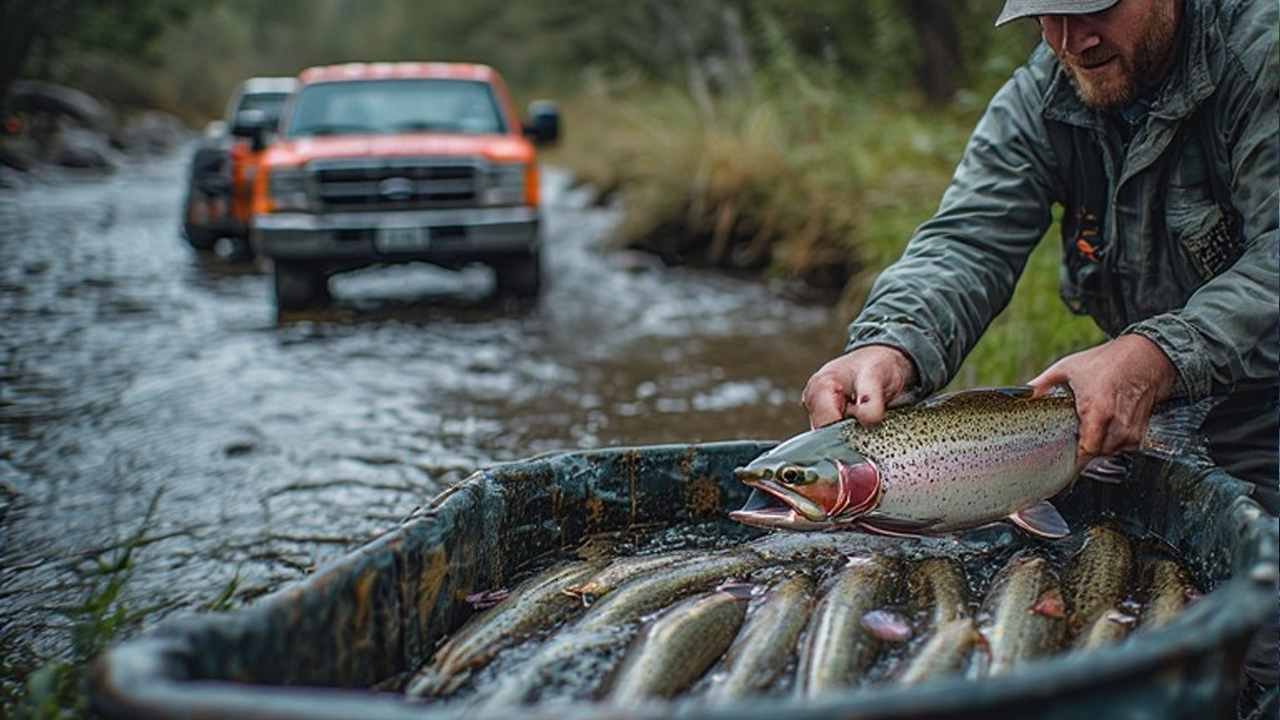
2026 National Trout Stocking Schedule Calendar: Complete State-by-State Guide
Finding current trout stocking schedules across the United States requires accessing state-specific wildlife department resources, as each state manages its own hatchery and stocking programs independently. The 2026 trout stocking season is now underway across most states, with stocking activities typically running from late fall through late spring, though some southern states operate year-round programs while northern states focus on spring and early summer stockings. This comprehensive guide provides direct access to official trout stocking schedules for all 50 states, along with essential information about stocking patterns, notification systems, and how to maximize your success fishing freshly stocked waters.
Understanding when and where state fish and wildlife departments release trout into public waters is crucial for planning successful fishing trips. Most states stock rainbow trout as their primary species, though brown trout and brook trout are also commonly stocked depending on water temperatures and regional preferences. Stocking schedules vary dramatically by location, with some states providing exact daily stocking updates while others publish weekly or monthly projections. Learning how to access and interpret your state’s stocking schedule will significantly improve your catch rates and help you discover new productive fishing locations throughout the season.
Understanding Trout Stocking Programs in the United States
State fish and wildlife agencies stock millions of trout annually into public waters to provide recreational fishing opportunities where natural reproduction cannot sustain fishable populations. These programs support both put-and-take fisheries in urban parks and community lakes, as well as put-grow-and-take programs in larger rivers and reservoirs where stocked fish can grow larger over time.
Types of Trout Stockings
| Stocking Type | Fish Size | Purpose | Season |
|---|---|---|---|
| Catchable Adults | 9-12 inches | Immediate fishing opportunities | Fall through Spring |
| Trophy Trout | 14+ inches | Premium fishing experience | Limited special events |
| Fingerlings | 2-6 inches | Long-term population establishment | Summer and Fall |
| Brood Stock | 16-24 inches | Special quality waters | Spring |
| Sub-catchable | 7-9 inches | Put-grow-take fisheries | Year-round |
Common Trout Species Stocked
Rainbow Trout remain the most widely stocked species across all states due to their hardy nature, rapid growth, and willingness to bite artificial lures. These fish typically range from 9 to 12 inches at stocking and tolerate warmer water temperatures better than other trout species.
Brown Trout are stocked in states seeking to establish holdover populations, as browns survive warmer summer conditions and become more challenging to catch as they mature. Many northeastern and midwestern states prefer brown trout for their ability to provide year-round fishing opportunities.
Brook Trout stockings occur primarily in colder mountain streams and high-elevation lakes where water temperatures remain ideal throughout the year. These colorful fish are native to eastern North America and hold special significance for anglers in Appalachian states.
How to Access Official State Stocking Schedules
Each state maintains its own system for publishing and updating trout stocking schedules. Most state wildlife agencies have transitioned to real-time online databases that update as hatchery trucks complete their stocking routes, providing anglers with the most current information available.
Digital Notification Systems
Many states now offer email alerts, text message notifications, or mobile apps that announce when specific waters receive stockings. Subscribing to these services ensures you receive immediate updates for your favorite fishing locations without constantly checking websites.
Before planning any fishing trip, verify you have the appropriate fishing license and permits for your target state, as regulations vary significantly between jurisdictions.
2026 Trout Stocking Schedules by State
Alabama Trout Stocking Schedule
The Alabama Department of Conservation and Natural Resources stocks trout from November through March in select tailwaters and designated trout waters. The primary stocking locations include Weiss Lake tailrace and Smith Lake tailrace, where cooler water temperatures from dam releases create suitable trout habitat year-round.
Stocking Season: November through March
Primary Species: Rainbow Trout
Official Schedule: Alabama Wildlife and Freshwater Fisheries Division
Alaska Trout Stocking Schedule
Alaska relies primarily on wild trout populations and conducts limited stocking operations. The Alaska Department of Fish and Game focuses stocking efforts on urban lakes near population centers like Anchorage and Fairbanks, providing accessible fishing opportunities for residents who cannot access remote wilderness fisheries.
Stocking Season: May through September
Primary Species: Rainbow Trout, Arctic Grayling
Official Schedule: Alaska Department of Fish and Game Stocking
Arizona Trout Stocking Schedule
Arizona Game and Fish Department operates an extensive urban trout stocking program from November through March, targeting community fishing waters in Phoenix, Tucson, and Flagstaff. The state stocks more than 400,000 rainbow trout annually across 30+ lakes and ponds.
Stocking Season: October through April
Primary Species: Rainbow Trout
Official Schedule: Arizona Game and Fish Stocking Schedule
Arkansas Trout Stocking Schedule
The Arkansas Game and Fish Commission maintains year-round trout fishing in the White River, Little Red River, and North Fork River tailwaters below major dams. Monthly stockings occur throughout the year, with increased frequency during spring and fall when angling pressure peaks.
Stocking Season: Year-round
Primary Species: Rainbow Trout, Brown Trout, Cutthroat Trout
Official Schedule: Arkansas Game and Fish Commission Trout Fishing
California Trout Stocking Schedule
California Department of Fish and Wildlife operates the largest trout stocking program in the western United States, releasing over 9 million catchable-sized trout annually. The state maintains a dynamic, real-time stocking schedule updated by hatchery staff immediately after completing deliveries.
Stocking Season: Year-round (most intensive November through May)
Primary Species: Rainbow Trout, some Brook and Brown Trout
Official Schedule: California Fish Planting Schedule Database
California’s provisional stocking document provides week-by-week projections for hundreds of lakes, rivers, and urban ponds throughout the state. Southern California waters receive consistent stockings through spring, while higher elevation waters receive summer stockings after ice-out.
Colorado Trout Stocking Schedule
Colorado Parks and Wildlife stocks trout in more than 300 lakes and reservoirs statewide, with approximately 90 million fish distributed annually. The state operates both a catchable trout program and an extensive fingerling stocking effort to establish self-sustaining populations.
Stocking Season: Year-round with peak activity April through June
Primary Species: Rainbow Trout, Snake River Cutthroat, Brook Trout
Official Schedule: Colorado Parks and Wildlife Stocking Reports
Connecticut Trout Stocking Schedule
The Connecticut Department of Energy and Environmental Protection conducts pre-season stockings before Opening Day (second Saturday in April) and continues in-season stockings through May. The state stocks approximately 600,000 trout across 100+ public waters.
Stocking Season: March through May
Primary Species: Rainbow Trout, Brown Trout, Brook Trout
Official Schedule: Connecticut DEEP Trout Stocking
Delaware Trout Stocking Schedule
Delaware Division of Fish and Wildlife operates a put-and-take trout program from late fall through early spring, focusing stockings on accessible ponds and streams in northern Delaware where water temperatures remain suitable.
Stocking Season: November through April
Primary Species: Rainbow Trout, Brown Trout
Official Schedule: Delaware Division of Fish and Wildlife
Florida Trout Stocking Schedule
Florida Fish and Wildlife Conservation Commission stocks rainbow trout only during winter months in the panhandle region where temperatures drop sufficiently. The limited stocking program targets select ponds and small lakes in northwest Florida.
Stocking Season: December through February
Primary Species: Rainbow Trout
Official Schedule: Florida FWC Freshwater Fishing
Georgia Trout Stocking Schedule
The Georgia Department of Natural Resources stocks trout from October through May in north Georgia mountain streams and designated trout waters. Delayed harvest streams receive frequent stockings during winter months, while hatchery-supported streams see regular replenishment throughout the season.
Stocking Season: October through May
Primary Species: Rainbow Trout, Brown Trout, Brook Trout
Official Schedule: Georgia DNR Trout Stocking
Hawaii Trout Stocking Schedule
Hawaii does not have active trout stocking programs due to tropical climate conditions that prevent trout survival. The state focuses on warmwater and saltwater fishing opportunities instead.
Stocking Season: Not applicable
Primary Species: None
Official Schedule: Hawaii Division of Aquatic Resources
Idaho Trout Stocking Schedule
Idaho Department of Fish and Game stocks catchable rainbow trout in community ponds and urban lakes throughout the state from spring through fall. The comprehensive stocking program focuses on providing accessible family fishing opportunities near population centers.
Stocking Season: March through October
Primary Species: Rainbow Trout, Cutthroat Trout
Official Schedule: Idaho Fish and Game Stocking Schedule
Illinois Trout Stocking Schedule
The Illinois Department of Natural Resources conducts spring and fall trout stocking programs at select lakes and ponds statewide. The spring program runs from March through May, while the fall program operates from October through November in waters that maintain suitable temperatures.
Stocking Season: March through May, October through November
Primary Species: Rainbow Trout, Brook Trout
Official Schedule: Illinois DNR Fishing Information
Indiana Trout Stocking Schedule
Indiana Division of Fish and Wildlife stocks trout from October through May, with the most intensive stockings occurring before the April season opener. The state targets approximately 30 public waters with catchable-sized rainbow, brown, and brook trout.
Stocking Season: October through May
Primary Species: Rainbow Trout, Brown Trout, Brook Trout
Official Schedule: Indiana DNR Fishing
Iowa Trout Stocking Schedule
The Iowa Department of Natural Resources maintains year-round trout fishing in northeast Iowa’s driftless region through regular stockings. The state emphasizes its cold-water streams during spring and fall when water temperatures remain optimal.
Stocking Season: Year-round with peak activity March through May
Primary Species: Rainbow Trout, Brown Trout, Brook Trout
Official Schedule: Iowa DNR Trout Fishing
Kansas Trout Stocking Schedule
Kansas Department of Wildlife and Parks operates a winter trout program from November through February at select community lakes across the state. Weekly stockings continue throughout the season at designated trout waters.
Stocking Season: November through February
Primary Species: Rainbow Trout
Official Schedule: Kansas Wildlife and Parks Trout Program
Kentucky Trout Stocking Schedule
Kentucky Department of Fish and Wildlife Resources stocks trout from November through March in tailwaters below major dams and select mountain streams in eastern Kentucky. The state maintains several trophy trout waters that receive larger fish throughout the season.
Stocking Season: November through March
Primary Species: Rainbow Trout, Brown Trout, Brook Trout
Official Schedule: Kentucky Fish and Wildlife Trout Fishing
Louisiana Trout Stocking Schedule
The Louisiana Department of Wildlife and Fisheries conducts limited trout stockings during winter months in north Louisiana when water temperatures permit. The program focuses on providing unique coldwater fishing opportunities in select ponds and small reservoirs.
Stocking Season: December through February
Primary Species: Rainbow Trout
Official Schedule: Louisiana Wildlife and Fisheries Fishing
Maine Trout Stocking Schedule
Maine Department of Inland Fisheries and Wildlife stocks trout from April through early June, focusing on lakes and ponds that provide excellent early season fishing. The state releases both brook trout and brown trout into waters throughout the state.
Stocking Season: April through June
Primary Species: Brook Trout, Brown Trout, Rainbow Trout
Official Schedule: Maine IF&W Fish Stocking
Maryland Trout Stocking Schedule
Maryland Department of Natural Resources operates an extensive trout stocking program from March through May, with additional fall stockings in October and November. The state provides a weekly recorded hotline and online updates showing exact stocking dates and locations.
Stocking Season: March through May, October through November
Primary Species: Rainbow Trout, Brown Trout, Brook Trout, Golden Rainbow Trout
Official Schedule: Maryland DNR Trout Stocking
Maryland anglers can call 800-688-3467 for weekly stocking updates during active stocking periods.
Massachusetts Trout Stocking Schedule
Massachusetts Division of Fisheries and Wildlife stocks trout from April through early June, targeting more than 150 rivers, streams, and ponds across the state. Pre-season stockings occur before the season opener, with in-season stockings continuing through spring.
Stocking Season: April through June
Primary Species: Rainbow Trout, Brown Trout, Brook Trout, Tiger Trout
Official Schedule: Massachusetts Fish Stocking
Michigan Trout Stocking Schedule
Michigan Department of Natural Resources stocks trout from late March through May, releasing approximately 10 million trout and salmon annually. The state provides detailed stocking reports showing recent plantings and upcoming scheduled stockings.
Stocking Season: March through May, select fall stockings
Primary Species: Rainbow Trout, Brown Trout, Brook Trout
Official Schedule: Michigan DNR Fish Stocking Database
Minnesota Trout Stocking Schedule
Minnesota Department of Natural Resources maintains an active trout stocking program from April through October in streams and lakes throughout the state. The southeastern bluff country receives the majority of stream stockings, while northern Minnesota waters receive lake stockings.
Stocking Season: April through October
Primary Species: Rainbow Trout, Brown Trout, Brook Trout, Splake
Official Schedule: Minnesota DNR Fish Stocking
Mississippi Trout Stocking Schedule
Mississippi Department of Wildlife, Fisheries, and Parks operates a limited winter trout program in north Mississippi during December through February. The program targets select lakes where water temperatures remain sufficiently cool.
Stocking Season: December through February
Primary Species: Rainbow Trout
Official Schedule: Mississippi Wildlife Fisheries and Parks
Missouri Trout Stocking Schedule
Missouri Department of Conservation stocks trout year-round at four designated trout parks and conducts winter trout stockings from November through March at select lakes statewide. The trout parks receive daily stockings, while winter stockings occur weekly at community lakes.
Stocking Season: Year-round at trout parks, November through March at winter areas
Primary Species: Rainbow Trout
Official Schedule: Missouri Department of Conservation Trout Fishing
Montana Trout Stocking Schedule
Montana Fish, Wildlife and Parks primarily manages wild trout fisheries but conducts supplemental stockings in specific waters to enhance fishing opportunities. The state focuses on westslope cutthroat restoration and rainbow trout stockings in select reservoirs.
Stocking Season: May through September
Primary Species: Rainbow Trout, Westslope Cutthroat Trout
Official Schedule: Montana FWP Fish Planting
Nebraska Trout Stocking Schedule
Nebraska Game and Parks Commission operates a winter trout program from October through April at select reservoirs and community lakes across the state. The program focuses on providing coldwater fishing during months when warmwater species are less active.
Stocking Season: October through April
Primary Species: Rainbow Trout
Official Schedule: Nebraska Game and Parks Fishing
Nevada Trout Stocking Schedule
Nevada Department of Wildlife stocks trout year-round in various waters across the state, with peak stocking activity from November through May. Urban fishing programs receive regular stockings throughout the year, while mountain lakes receive summer stockings after ice-out.
Stocking Season: Year-round
Primary Species: Rainbow Trout, Lahontan Cutthroat Trout
Official Schedule: Nevada Department of Wildlife Fish Stocking
New Hampshire Trout Stocking Schedule
New Hampshire Fish and Game Department stocks trout from April through early June, targeting lakes, ponds, and rivers statewide. The state releases approximately 400,000 trout annually, including special trophy fish in select waters.
Stocking Season: April through June
Primary Species: Brook Trout, Brown Trout, Rainbow Trout
Official Schedule: New Hampshire Fish and Game Stocking
New Jersey Trout Stocking Schedule
New Jersey Division of Fish and Wildlife conducts extensive spring and fall trout stocking programs at more than 200 public waters. The state stocks approximately 600,000 trout annually, with additional bonus stockings occurring throughout the season.
Stocking Season: April through May, October through November
Primary Species: Rainbow Trout, Brown Trout, Brook Trout
Official Schedule: New Jersey Fish and Wildlife Trout Stocking
New Mexico Trout Stocking Schedule
New Mexico Department of Game and Fish stocks trout year-round in cold tailwaters and high mountain lakes. The San Juan River receives weekly stockings throughout the year, while other waters receive seasonal plantings based on temperature conditions.
Stocking Season: Year-round in tailwaters, May through October in mountain lakes
Primary Species: Rainbow Trout, Rio Grande Cutthroat Trout
Official Schedule: New Mexico Game and Fish Stocking
New York Trout Stocking Schedule
New York State Department of Environmental Conservation operates one of the largest trout stocking programs in the nation, releasing approximately 2.3 million catchable trout annually. The state provides detailed stocking schedules by region, showing projected stocking dates for hundreds of waters.
Stocking Season: April through June, fall stockings September through October
Primary Species: Rainbow Trout, Brown Trout, Brook Trout
Official Schedule: New York DEC Trout Stocking
North Carolina Trout Stocking Schedule
North Carolina Wildlife Resources Commission maintains extensive trout stocking programs in mountain streams and hatchery-supported waters. The state operates delayed harvest waters with intensive winter stockings and continues regular stockings through spring in hatchery-supported streams.
Stocking Season: October through June
Primary Species: Rainbow Trout, Brown Trout, Brook Trout
Official Schedule: North Carolina Wildlife Trout Stocking
North Carolina provides daily stocking updates showing exactly which waters received trout, making it easy for anglers to time their trips perfectly.
North Dakota Trout Stocking Schedule
North Dakota Game and Fish Department stocks trout from April through September in select lakes and ponds across the state. The program emphasizes family fishing opportunities at accessible community waters near population centers.
Stocking Season: April through September
Primary Species: Rainbow Trout
Official Schedule: North Dakota Game and Fish Stocking
Ohio Trout Stocking Schedule
Ohio Department of Natural Resources stocks trout from March through May in designated trout waters throughout the state. Lake Erie tributaries receive significant steelhead stockings, while inland waters receive rainbow, brown, and brook trout.
Stocking Season: March through May
Primary Species: Rainbow Trout (Steelhead), Brown Trout, Brook Trout
Official Schedule: Ohio DNR Fish Management and Stocking
Oklahoma Trout Stocking Schedule
Oklahoma Department of Wildlife Conservation operates a winter trout program from November through March at the Lower Illinois River below Tenkiller Dam and select urban lakes. Rainbow trout stockings occur bi-weekly throughout the season.
Stocking Season: November through March
Primary Species: Rainbow Trout
Official Schedule: Oklahoma Wildlife Department Trout Fishing
Oregon Trout Stocking Schedule
Oregon Department of Fish and Wildlife maintains year-round trout stocking programs at various locations statewide. The comprehensive weekly stocking schedule shows projected stocking dates, with most activity concentrated from March through September.
Stocking Season: Year-round with peak March through September
Primary Species: Rainbow Trout, Brook Trout
Official Schedule: Oregon DFW Trout Stocking Schedule
Oregon’s online schedule includes filters allowing anglers to search by waterbody, zone, or date range, making trip planning straightforward.
Pennsylvania Trout Stocking Schedule
Pennsylvania Fish and Boat Commission operates the largest trout stocking program on the East Coast, releasing approximately 3.2 million adult trout annually. The 2026 statewide Opening Day occurs on April 4, with pre-season stockings beginning in late February and continuing through the season.
Stocking Season: February through May, select fall stockings
Primary Species: Rainbow Trout, Brown Trout, Brook Trout, Golden Rainbow Trout
Official Schedule: Pennsylvania Fish and Boat Commission Trout Stocking
Pennsylvania provides county-by-county searchable stocking schedules showing exact dates when hatchery trucks will visit each approved trout water. Mentored Youth Trout Day precedes Opening Day, allowing young anglers accompanied by mentors to fish select waters before the regular season begins.
Understanding essential fishing safety guidelines becomes particularly important during Pennsylvania’s Opening Day when thousands of anglers crowd popular trout streams.
Rhode Island Trout Stocking Schedule
Rhode Island Department of Environmental Management stocks trout from April through June in rivers, streams, and ponds throughout the state. The opening day of trout season falls on the second Saturday in April, with pre-season stockings occurring during the preceding weeks.
Stocking Season: April through June
Primary Species: Rainbow Trout, Brown Trout, Brook Trout
Official Schedule: Rhode Island DEM Fish Stocking
South Carolina Trout Stocking Schedule
South Carolina Department of Natural Resources stocks trout from October through May in upstate mountain streams and select lakes. The state focuses stockings on designated trout waters where cooler temperatures support trout throughout the stocked season.
Stocking Season: October through May
Primary Species: Rainbow Trout, Brown Trout, Brook Trout
Official Schedule: South Carolina DNR Trout Fishing
South Dakota Trout Stocking Schedule
South Dakota Game, Fish and Parks stocks trout from April through September in Black Hills streams and reservoirs. The state emphasizes both catchable adults for immediate harvest and fingerlings to establish growing populations.
Stocking Season: April through September
Primary Species: Rainbow Trout, Brown Trout, Brook Trout
Official Schedule: South Dakota GFP Fish Stocking
Tennessee Trout Stocking Schedule
Tennessee Wildlife Resources Agency maintains year-round trout stocking in tailwaters below major dams and conducts seasonal stockings in mountain streams from October through May. The state publishes weekly stocking schedules showing which waters will receive trout.
Stocking Season: Year-round in tailwaters, October through May in streams
Primary Species: Rainbow Trout, Brown Trout, Brook Trout
Official Schedule: Tennessee Wildlife Resources Agency Trout Fishing
Tennessee’s schedule uses “week of” dates, with actual stocking occurring within five days of the listed Sunday date.
Texas Trout Stocking Schedule
Texas Parks and Wildlife Department operates a winter rainbow trout program from November through March, stocking approximately 300,000 trout at designated community fishing lakes and urban ponds across the state. Stockings occur multiple times per week at each location throughout the season.
Stocking Season: November through March
Primary Species: Rainbow Trout
Official Schedule: Texas Parks and Wildlife Trout Stocking
Utah Trout Stocking Schedule
Utah Division of Wildlife Resources stocks trout year-round at various waters statewide, with approximately 13 million fish planted annually. The state provides a searchable stocking database showing past stockings and projected future plantings.
Stocking Season: Year-round
Primary Species: Rainbow Trout, Cutthroat Trout, Brook Trout, Tiger Trout
Official Schedule: Utah DWR Fish Stocking
Vermont Trout Stocking Schedule
Vermont Fish and Wildlife Department stocks trout from April through early June, releasing approximately 500,000 fish into rivers, streams, lakes and ponds statewide. Opening day occurs on the second Saturday in April, with pre-season stockings beginning two weeks prior.
Stocking Season: April through June
Primary Species: Brook Trout, Brown Trout, Rainbow Trout
Official Schedule: Vermont Fish and Wildlife Trout Stocking
Virginia Trout Stocking Schedule
Virginia Department of Wildlife Resources operates one of the most detailed trout stocking programs in the nation, with daily updates showing exactly which waters received stockings. The state stocks from October through May, with the most intensive period running October through mid-June.
Stocking Season: October through May
Primary Species: Rainbow Trout, Brown Trout, Brook Trout
Official Schedule: Virginia DWR Trout Stocking Schedule
Virginia categorizes stocking waters as A, B, C, or D based on stocking frequency and regulations. Category A waters receive the most frequent stockings, while Category D waters receive limited plants.
Washington Trout Stocking Schedule
Washington Department of Fish and Wildlife stocks trout year-round in lowland lakes, with peak activity from March through October. The state plants approximately 18 million trout and salmon annually in lakes and streams throughout Washington.
Stocking Season: Year-round with peak March through October
Primary Species: Rainbow Trout, Cutthroat Trout, Brook Trout
Official Schedule: Washington DFW Fish Stocking
West Virginia Trout Stocking Schedule
West Virginia Division of Natural Resources stocks trout from October through May in mountain streams and select lakes. The state announces stocking schedules through the fishing regulations summary but does not release daily schedules in advance of stockings.
Stocking Season: October through May
Primary Species: Rainbow Trout, Brown Trout, Brook Trout, Golden Rainbow Trout
Official Schedule: West Virginia DNR Fish Stocking
Wisconsin Trout Stocking Schedule
Wisconsin Department of Natural Resources stocks trout from April through October in streams, rivers, and inland lakes throughout the state. The program emphasizes both immediate fishing opportunities and long-term population establishment through fingerling stockings.
Stocking Season: April through October
Primary Species: Rainbow Trout, Brown Trout, Brook Trout
Official Schedule: Wisconsin DNR Fish Stocking
Wyoming Trout Stocking Schedule
Wyoming Game and Fish Department stocks trout from May through September in lakes, reservoirs, and streams across the state. The program focuses on high-elevation waters that provide excellent summer fishing opportunities.
Stocking Season: May through September
Primary Species: Rainbow Trout, Cutthroat Trout, Brook Trout, Golden Trout
Official Schedule: Wyoming Game and Fish Stocking
Best Times to Fish After Stocking
Trout behavior immediately following stocking varies dramatically based on water temperature, time of day, and how long fish have been in the stream or lake. Understanding these patterns maximizes your success when targeting freshly stocked trout.
Immediate Post-Stocking Period (0-24 Hours)
Hour 1-3: Freshly released trout remain disoriented and stressed, often holding motionless in shallow water near the stocking site. These fish rarely feed during this adjustment period, though they may strike lures out of aggression or reflexive behavior.
Hour 4-8: Trout begin exploring their new environment, moving away from the crowded release point to find suitable holding water. Feeding activity picks up gradually as fish acclimate to natural food sources and recover from transport stress.
Hour 12-24: Most trout establish temporary territories and begin feeding actively. This represents the prime time to catch freshly stocked fish before they become educated by fishing pressure.
Peak Fishing Window (24-72 Hours)
The 24 to 72-hour period following stocking provides the best combination of accessible fish and active feeding. Trout have spread throughout the waterbody but remain relatively naive to artificial lures and flies. Simple presentations with PowerBait, small spinners, or basic fly patterns produce excellent results.
Long-Term Considerations (3+ Days)
After three days, surviving trout become increasingly selective and wary of anglers. Fishing pressure educates these fish quickly, requiring more sophisticated presentations and smaller offerings to generate strikes. Switching to natural baits or downsizing lures often produces better results as fish mature in their new environment.
Effective Techniques for Stocked Trout
Successfully catching recently stocked trout requires different approaches than fishing for wild trout. Hatchery fish exhibit unique behaviors and feeding preferences shaped by their captive upbringing.
Bait Fishing Methods
PowerBait remains the most popular and effective bait for stocked rainbow trout across all regions. These trout recognize the scent and texture from hatchery pellets, triggering an immediate feeding response. Rigging PowerBait on a sliding sinker setup allows the bait to float off the bottom where trout can easily find it.
Salmon eggs provide another excellent option, particularly for brown trout and larger rainbows. Single eggs or small egg clusters fished under a small split shot work exceptionally well in moving water where trout hold in current seams and pools.
Live worms and nightcrawlers catch all species of trout and remain effective throughout the season as fish transition from hatchery pellets to natural food sources. Threading a nightcrawler onto a size 8 or 10 hook creates a natural presentation that trout cannot resist.
Lure Selection
Small spinners between 1/16 and 1/8 ounce account for more stocked trout than any other lure type. Rooster Tails, Panther Martins, and Mepps spinners in silver, gold, and rainbow patterns consistently produce strikes from active feeders. Cast upstream and retrieve slowly, allowing the spinner to work through the water column where trout hold.
Spoons work particularly well for larger trout in lakes and reservoirs. Small Kastmasters, Thomas Buoyants, and Krocodiles in 1/8 to 1/4 ounce sizes cover water efficiently and trigger aggressive strikes from competitive fish.
Fly Fishing Approaches
Stocked trout respond readily to basic fly patterns that imitate hatchery pellets or common insects. Wooly Buggers, San Juan Worms, and egg patterns catch fish consistently throughout the season. Size 10 to 14 flies work well for most situations, though downsizing to 16 or 18 improves success as fish become more selective.
Dry flies become increasingly effective as the season progresses and trout transition to feeding on natural insects. Elk Hair Caddis, Adams, and Royal Wulff patterns in sizes 12 to 16 produce surface strikes during active hatches or when fish feed opportunistically.
Understanding Stocking Regulations and Ethics
Each state establishes specific regulations governing stocked trout waters, including daily limits, size restrictions, and seasonal closures. These rules vary significantly between jurisdictions and sometimes differ from general statewide regulations.
Before fishing any water, consult the state fishing regulations to understand applicable rules. Special regulation waters may have reduced limits, catch-and-release requirements, or artificial lure restrictions designed to protect stocked populations and maintain quality fishing opportunities.
Ethical fishing practices extend beyond following legal requirements to include conservation-minded behaviors that preserve resources for future anglers. Practicing proper catch-and-release techniques, avoiding overcrowding at popular stocking locations, and respecting private property boundaries all contribute to sustainable trout fishing.
Catch Limits and Possession Rules
Most states establish daily bag limits for trout ranging from 3 to 5 fish per day, though some waters have more restrictive limits or catch-and-release-only regulations. Understanding the difference between daily limits (fish kept in one day) and possession limits (total fish you can have in your possession including those at home) prevents accidental violations.
Special regulation waters often implement slot limits protecting trout within specific size ranges. These regulations allow harvest of smaller recently stocked fish while protecting larger trout that provide better sport and breeding potential.
Bait Restrictions
Some states prohibit the use of natural bait in select trout waters to reduce mortality rates on released fish. Artificial lure-only waters limit anglers to flies, spinners, spoons, and soft plastic lures, excluding live bait, PowerBait, and scented products. These restrictions protect trout populations where delayed harvest or catch-and-release management occurs.
Understanding which waters have bait restrictions before your trip prevents frustrating situations where you arrive unprepared with only prohibited offerings. Most state regulations clearly indicate which streams and lakes fall under special regulations.
Trout Stocking Program Funding
State fish and wildlife agencies fund trout stocking programs primarily through fishing license sales, excise taxes on fishing equipment, and federal grants through the Sport Fish Restoration Program. Unlike general tax revenues, these dedicated funding sources ensure anglers who benefit from stocking programs directly support their continuation.
Fishing License Requirements
Every angler targeting stocked trout must possess a valid fishing license for the state where they fish. Most states offer various license types including annual resident and non-resident licenses, short-term visitor licenses, and senior/youth discounts. Some states also require a trout stamp or endorsement in addition to the base fishing license, with revenues specifically designated for trout programs.
Purchasing your fishing license not only keeps you legal but directly funds hatchery operations, stocking activities, and habitat improvements that benefit all anglers. States increasingly offer convenient online license purchasing, eliminating the need to visit physical vendors.
Habitat Conservation
Beyond simply raising and releasing trout, state wildlife agencies invest heavily in habitat restoration and water quality improvements. These efforts increase the carrying capacity of stocked waters, allowing more trout to survive and grow between stockings. Riparian restoration, stream bank stabilization, and aquatic vegetation management all improve long-term fishing quality.
Regional Stocking Patterns and Seasonal Variations
Trout stocking schedules follow predictable patterns based on regional climate conditions and water temperature requirements. Understanding these patterns helps anglers anticipate when their local waters will receive stockings.
Northern States (Minnesota, Wisconsin, Michigan, New York, New England)
Northern states typically begin stocking in April as ice melts and water temperatures rise above 40 degrees. Peak stocking activity occurs from mid-April through May, coinciding with opening day and the busiest fishing period. Some states conduct limited fall stockings in September and October to extend the season.
Water temperatures remain suitable for trout through early summer in many northern waters, allowing fish to survive until harvest or providing put-grow-take opportunities in deeper lakes and coldwater streams.
Mid-Atlantic States (Pennsylvania, Maryland, Virginia, West Virginia)
Mid-Atlantic states stock intensively from March through May during the prime spring season, with additional fall stockings from October through November. Many waters receive multiple stockings during the spring period to maintain fishing quality throughout the season.
Tailwater fisheries below major dams support year-round trout populations due to constant coldwater releases, receiving regular supplemental stockings to maintain catch rates.
Southern States (North Carolina, Tennessee, Georgia, Arkansas)
Southern states focus trout stockings in mountain regions and tailwaters where water temperatures remain suitable. Winter and spring stockings predominate, though some tailwaters receive year-round plants due to consistently cold water from deep dam releases.
Urban trout programs in southern states operate during winter months (November through March) when air temperatures drop sufficiently to maintain suitable water conditions in shallow ponds and community lakes.
Western States (Colorado, Montana, Wyoming, Idaho)
Western mountain states stock high-elevation lakes and streams from May through September after ice-out and before winter freeze-up. These fisheries provide excellent summer fishing when lowland areas become too warm for trout survival.
Year-round tailwater fisheries receive regular stockings throughout the season, maintaining consistent fishing opportunities even during extreme weather conditions.
Desert Southwest (Arizona, New Mexico, Nevada)
Desert states operate winter trout programs from October through April when temperatures moderate. Urban fisheries near Phoenix, Tucson, Albuquerque, and Las Vegas receive frequent stockings throughout the cool season, providing accessible family fishing when mountain waters remain inaccessible due to snow.
High-elevation mountain lakes receive summer stockings after roads open, creating unique opportunities to catch trout in spectacular alpine settings.
Special Trout Fishing Programs and Events
Many states operate special trout fishing programs designed to introduce new anglers to the sport, provide urban fishing opportunities, or create unique angling experiences.
Youth Trout Fishing Days
Nearly every state designates special youth fishing days or weekends where young anglers receive priority access to freshly stocked waters. These events often waive license requirements for youth participants and stock waters heavily to ensure high catch rates and positive experiences for beginning anglers.
Pennsylvania’s Mentored Youth Trout Day, Virginia’s Youth-Only Trout Fishing Days, and similar programs across other states create memorable opportunities for the next generation of anglers.
Urban Trout Programs
States increasingly emphasize urban trout stockings at accessible city parks and neighborhood ponds, bringing fishing opportunities directly to population centers where most residents live. These programs require no special equipment or extensive travel, lowering barriers to participation.
Urban stockings often include special events with fishing clinics, equipment demonstrations, and environmental education programs introducing families to angling.
Trophy Trout Programs
Several states stock specially marked trophy trout or particularly large fish that provide unique prizes for successful anglers. Pennsylvania stocks golden rainbow trout, Maryland includes trophy fish exceeding 20 inches, and Virginia releases tagged trout that can be redeemed for prizes.
These programs add excitement to the fishing experience and generate interest in trout fishing among anglers who might otherwise focus on other species.
Winter Trout Programs
Southern and southwestern states without significant coldwater trout habitat operate winter trout programs providing coldwater fishing during months when warmwater species remain less active. These seasonal programs transform community lakes into productive trout fisheries for a few months each year.
Tips for Locating Recently Stocked Trout
Finding trout immediately after stocking requires understanding how hatchery trucks access and release fish at different locations.
Identifying Access Points
Trout stockings occur at locations where hatchery trucks can safely park and release fish into the water. Look for parking areas, boat ramps, bridge crossings, and public access points along stocked waters. These sites typically show evidence of truck access including gravel pull-offs, wide shoulders, or paved parking lots.
Observing Stocking Operations
When possible, watching stocking operations teaches exactly where fish are released and how they behave immediately after entering the water. Hatchery staff typically release trout from large transport tanks directly into the water, creating visible concentrations of fish near release points.
Avoid crowding stocking crews or creating safety hazards during operations. Maintain respectful distances and wait until crews complete their work before beginning fishing activities.
Spreading Out from Release Sites
While many anglers concentrate at obvious stocking locations, trout quickly disperse throughout the waterbody seeking suitable habitat. Walking or boating away from crowded access points often locates concentrations of fish in less pressured areas.
In streams, trout move both upstream and downstream from release points, settling in pools, runs, and riffles that provide cover and current breaks. In lakes, fish scatter throughout the basin, often congregating near underwater structure, weed beds, or areas with favorable temperatures.
Conservation and Sustainability of Stocking Programs
Modern trout stocking programs balance providing recreational opportunities with conservation principles protecting wild trout populations and aquatic ecosystems.
Wild vs. Stocked Trout Management
State wildlife agencies increasingly emphasize wild trout management where conditions support natural reproduction and recruitment. Waters capable of sustaining wild trout populations often receive reduced or eliminated stockings, allowing native fish to thrive without competition from hatchery trout.
Stocking programs focus on waters where wild trout cannot persist due to warm temperatures, habitat limitations, or high fishing pressure exceeding natural reproductive capacity. This approach maximizes fishing opportunities while protecting valuable wild trout resources.
Disease Prevention Protocols
Hatcheries implement strict biosecurity measures preventing disease transmission between facilities and into wild populations. Fish undergo regular health inspections, quarantine periods, and testing protocols before release. These precautions protect both stocked and wild fish from pathogens that could devastate populations.
Genetic Considerations
Repeated stockings of domesticated hatchery trout can impact wild trout genetics when interbreeding occurs. State agencies address these concerns through various strategies including sterile triploid trout that cannot reproduce, stocking in waters without wild trout populations, and using locally adapted broodstock matching regional genetics.
Understanding which waters contain wild trout versus exclusively stocked populations helps anglers make informed decisions about harvest and handling practices that support conservation goals.
Planning Your Trout Fishing Trip
Successfully planning trips around stocking schedules requires considering multiple factors beyond simply knowing when fish are released.
Weather and Water Conditions
Water temperature, stream flow, and weather patterns dramatically affect trout behavior and fishing success. Even with fresh stockings, high muddy water from recent storms or extreme temperature fluctuations can shut down feeding activity.
Check current water conditions through USGS stream gauges, local fishing reports, and weather forecasts before committing to specific destinations. Sometimes better fishing exists at unstocked waters with ideal conditions than at recently stocked locations experiencing adverse environmental factors.
Avoiding Common Fishing Mistakes that Lead to Fines
Understanding regulations specific to each waterbody prevents costly citations and supports conservation efforts. Pay particular attention to special regulations, boundary markers, and seasonal restrictions that may differ from general statewide rules.
Fishing Pressure Considerations
Popular stocking locations can become extremely crowded, particularly during weekends following fresh stockings. Arriving early, fishing weekdays, or targeting less well-known access points reduces competition and improves the fishing experience.
Consider exploring waters that receive smaller stockings but experience less pressure. These locations often provide better actual catch rates despite fewer total fish due to reduced competition from other anglers.
Backup Plans
Successful anglers develop backup plans accounting for unexpected conditions or poor fishing at primary destinations. Researching multiple stocked waters in your target area ensures productive fishing even when first-choice locations disappoint.
Keeping tackle and equipment for alternative species allows switching tactics if trout fishing proves unproductive. Many stocked trout waters also contain bass, panfish, or other warmwater species providing action when trout remain uncooperative.
Technology and Modern Stocking Updates
Modern technology has revolutionized how anglers access trout stocking information and plan fishing trips.
Mobile Applications
Many states offer dedicated fishing apps providing real-time stocking updates, interactive maps, digital licenses, and fishing regulations. These apps send push notifications when nearby waters receive stockings, ensuring you never miss opportunities at favorite locations.
Popular third-party fishing apps also aggregate stocking data from multiple states, allowing anglers to track stockings across regions from a single interface.
Social Media and Online Communities
State wildlife agencies maintain active social media presence announcing stockings, sharing fishing reports, and providing customer service. Following your state’s fish and wildlife Facebook page, Twitter account, or Instagram feed keeps you informed about program updates and special events.
Online fishing forums and local angling groups share real-time reports about stocking activity, current conditions, and successful techniques. These communities provide valuable crowdsourced information supplementing official schedules.
Email Notification Services
Email subscription services offered by most state agencies send automated messages when specific waters receive stockings or when weekly schedules are published. Customizing these notifications for your preferred fishing locations ensures timely updates without constantly checking websites.
Frequently Asked Questions About Trout Stocking
When is the best time to fish after trout are stocked?
The 24 to 72-hour window following stocking provides optimal fishing conditions. Trout have recovered from transport stress and spread throughout the waterbody but remain relatively naive to fishing pressure. However, some anglers prefer waiting 3-5 days to allow fish to settle and establish natural feeding patterns.
How do I find out when my local lake or stream is stocked?
Visit your state fish and wildlife agency website and locate the trout stocking schedule section. Most states provide searchable databases or downloadable PDF schedules showing projected stocking dates. Many states also offer email alerts or mobile apps providing real-time stocking notifications.
Do stocked trout survive to grow larger?
Survival rates vary dramatically based on water temperature, available food, fishing pressure, and competition with resident fish. Coldwater tailraces and spring-fed streams support year-round populations where stocked trout can grow significantly. Warm shallow lakes rarely support trout survival through summer months in most regions.
What size are trout when they are stocked?
Standard catchable trout measure 9 to 12 inches at stocking and weigh approximately 0.5 to 0.75 pounds. Trophy trout exceed 14 inches and often reach 18-20 inches in special programs. Fingerling stockings range from 2 to 6 inches and require months or years to reach catchable size.
Can I keep all the trout I catch?
Daily bag limits and possession limits vary by state and specific waterbody. Most states allow keeping 3 to 5 trout per day, though some waters have catch-and-release-only regulations or reduced limits. Always check current regulations before fishing to ensure compliance.
Do I need a special license to fish for stocked trout?
A valid state fishing license is required in all states. Some states additionally require trout stamps or endorsements beyond the base fishing license. Youth and senior anglers often qualify for discounted or free licenses depending on age and state regulations.
What is the difference between a hatchery-supported stream and a delayed harvest stream?
Hatchery-supported streams receive regular stockings and allow year-round harvest under general regulations. Delayed harvest streams receive intensive winter stockings but restrict harvest during certain months, typically requiring catch-and-release with artificial lures only until a specified date when harvest opens.
Are stocked trout safe to eat?
Yes, stocked trout are safe to eat and provide excellent table fare. Hatchery fish are raised on controlled diets in clean water and undergo regular health inspections. However, check for any fish consumption advisories related to mercury or other contaminants in specific waterbodies, as these apply to all fish regardless of origin.
How many trout does my state stock each year?
Stocking numbers vary dramatically by state based on hatchery capacity and program funding. Pennsylvania stocks over 3 million trout annually, California plants approximately 9 million, and New York releases about 2.3 million. Smaller states may stock fewer than 100,000 trout per year.
What happens to stocked trout that aren’t caught?
Uncaught trout face multiple fates depending on water conditions. In suitable coldwater habitats, fish may survive indefinitely and grow larger, integrating with wild populations. In marginal waters, most stocked trout succumb to warm summer temperatures, predation by larger fish, or natural mortality within weeks or months of stocking.
Conclusion
Successfully fishing stocked trout waters requires staying informed about when and where state wildlife agencies release fish, understanding trout behavior following stocking, and applying appropriate techniques to catch these fish efficiently. The comprehensive state-by-state schedules provided in this guide connect anglers directly to official stocking information for their region, while the techniques and strategies discussed improve success rates at stocked waters.
Trout stocking programs represent significant investments by state fish and wildlife agencies, funded primarily through fishing license sales and dedicated taxes on fishing equipment. These programs provide millions of anglers access to quality fishing opportunities they otherwise could not enjoy, supporting local economies through angling tourism and creating lifelong connections to the outdoors.
By following official stocking schedules, practicing ethical angling, and supporting conservation through license purchases and habitat protection, anglers ensure the sustainability of trout stocking programs for future generations. Whether you fish urban community ponds or remote mountain streams, the excitement of catching freshly stocked trout creates memorable experiences that draw people back to the water season after season.
Plan your next trout fishing adventure using the official state schedules linked throughout this guide, and experience the thrill of catching beautiful trout from freshly stocked waters across America.