
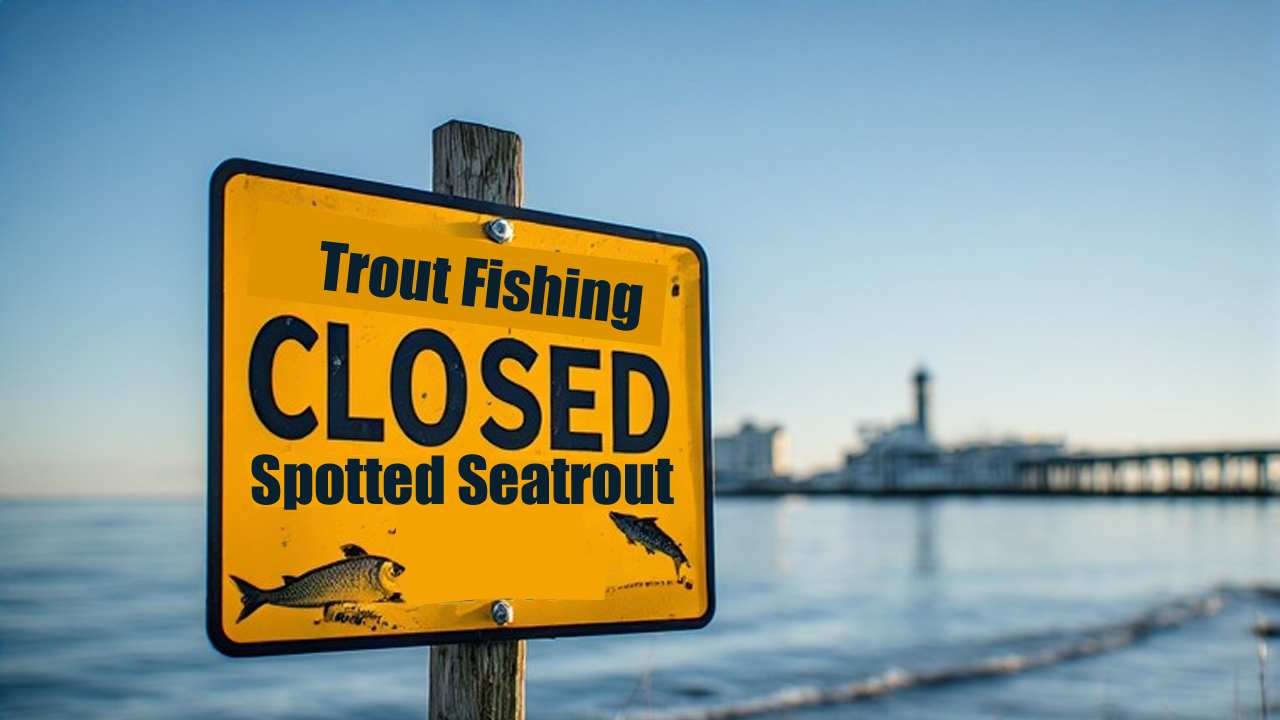
Which States Have Speckled Trout Closures in 2026? Complete Guide
Speckled trout closures in 2026 vary significantly by state, with North Carolina implementing an emergency closure through June 30, 2026, due to widespread cold stun events that began in early February. Florida’s Western Panhandle region maintains its annual February closure, while Texas operates under year-round open seasons with strict bag limits. Most Gulf and Atlantic coastal states regulate speckled trout (spotted seatrout) through size and bag restrictions rather than seasonal closures, though emergency closures can be triggered by environmental events like cold stuns. Understanding your state’s specific regulations is critical because violations can result in substantial fines and loss of fishing privileges.
Cold stun events have dramatically reshaped the 2026 speckled trout fishing landscape across the Southeast. When water temperatures plummet suddenly, these popular gamefish become lethargic and vulnerable, prompting wildlife agencies to enact protective closures. This guide breaks down every state’s closure periods, bag limits, size restrictions, and special management zones so you can plan your fishing trips legally and responsibly. Whether you’re targeting specs in the marshes of Louisiana or the sounds of North Carolina, you need to know the rules before you cast.
Understanding Speckled Trout Management Zones
Different states manage spotted seatrout populations through regional approaches based on habitat, spawning patterns, and fishing pressure.
What Are Cold Stun Events?
Cold stun events occur when water temperatures drop rapidly, typically below 45-50°F, causing speckled trout to become immobilized and unable to swim. These sudden temperature drops are particularly devastating in shallow estuaries and back bays where fish cannot escape to deeper, warmer water. During winter 2026, extreme cold weather swept through coastal regions, triggering widespread cold stuns from Virginia through Florida.
Wildlife agencies monitor these events closely because they can significantly reduce fish populations. When cold stuns affect large numbers of fish, states may implement emergency closures to protect surviving spawners and allow populations to recover during the critical spring spawning season (May through July).
North Carolina Speckled Trout Closures 2026
Emergency Closure Details
Current Status: CLOSED as of February 6, 2026, at 4:00 PM
Closure Duration: Through June 30, 2026
Reopening: Expected July 1, 2026, by proclamation
North Carolina’s Division of Marine Fisheries implemented an emergency closure for all spotted seatrout harvest following severe cold stun events in late January and early February 2026. The closure applies to both recreational and commercial fishing across all state waters.
Waters Affected
| Water Type | Closure Status | Regulations |
|---|---|---|
| Coastal fishing waters | Closed | No harvest allowed |
| Joint fishing waters | Closed | No harvest allowed |
| Inland fishing waters | Closed | No harvest allowed |
| Atlantic Ocean | Closed | No harvest allowed |
Commercial Dealer Requirements
- Commercial seafood dealers had until 3:30 PM on February 13, 2026, to sell, transport, or dispose of unfrozen spotted seatrout purchased before the closure
- All sales must cease after this deadline
- Frozen inventory must remain frozen and cannot be sold during closure
Why North Carolina Closed the Season
Under North Carolina’s Spotted Seatrout Fishery Management Plan, the state must implement closures when significant cold stun events occur. The closure allows surviving fish to spawn during peak spawning months (May-July), helping the population recover before harvest resumes. Scientists documented widespread fish kills across coastal areas, particularly in shallow estuaries and tidal creeks.
Expected Reopening Regulations
When the season reopens July 1, 2026, expect potential changes:
- Reduced bag limits (possibly 3 fish per angler)
- Adjusted slot limits (likely 17-23 inches)
- Continued monitoring of population recovery
Florida Speckled Trout Closures by Region 2026
Florida manages spotted seatrout through five distinct geographic zones, each with different regulations based on local population health and fishing pressure.
Western Panhandle Zone Closure
Location: Escambia County through portions of Gulf County west of longitude 85°13.76’ (excluding Indian Pass/Indian Lagoon)
Closed Season: February 1-28, 2026
Bag Limit: 3 per harvester
Size Limits: 15-19 inches total length (slot limit)
Trophy Allowance: One fish over 19 inches per vessel (or per person if fishing from shore)
This region experiences the only mandated seasonal closure in Florida, protecting spawning stock during late winter.
Big Bend Zone
Location: Remaining portion of Gulf County through Fred Howard Park Causeway in Pinellas County
Closed Season: OPEN YEAR-ROUND
Bag Limit: 5 per harvester
Size Limits: 15-19 inches total length
Trophy Allowance: One fish over 19 inches per vessel
The Big Bend region maintains year-round fishing due to healthy populations and lower fishing pressure.
South Zone
Location: Fred Howard Park Causeway through Broward County
Closed Season: OPEN YEAR-ROUND
Bag Limit: 3 per harvester
Size Limits: 15-19 inches total length
Special Note: Additional regulations apply in Biscayne National Park
Central East Zone
Location: Palm Beach through Volusia Counties
Closed Season: November 1 – December 31, 2026
Bag Limit: 2 per harvester
Size Limits: 15-19 inches total length
This zone has the most restrictive bag limit in Florida and a winter closure to protect spawning aggregations.
Northeast Zone
Location: Flagler through Nassau Counties
Closed Season: OPEN YEAR-ROUND
Bag Limit: 5 per harvester
Size Limits: 15-19 inches total length
Florida Gear Restrictions
All zones prohibit:
- Multiple hooks used with live or dead natural bait
- Snatching (attempting to catch fish by hooking them in the body rather than the mouth)
Allowable gear includes hook and line, and cast nets.
Texas Speckled Trout Regulations 2026
Closed Season: NONE – Open Year-Round
Current Regulations (Valid September 1, 2025 – August 31, 2026):
| Regulation Type | Limit/Requirement |
|---|---|
| Daily Bag Limit | 3 fish per angler |
| Minimum Size | 15 inches total length |
| Maximum Size | 20 inches total length |
| Possession Limit | Double the daily bag (6 fish) |
| Trophy Tag Option | One fish over 28″ with Spotted Seatrout Tag |
| Bonus Trophy Tag | One additional fish over 28″ with Bonus Tag |
Recent Texas Regulation Changes
Texas implemented significant changes in 2024 that remain in effect for 2026:
- Reduced bag limit from 5 fish to 3 fish
- Adjusted slot limit from 15-25 inches to 15-20 inches
- Enhanced trophy program allowing retention of fish over 28 inches with special tags
These changes aimed to protect the spawning stock biomass and improve long-term population sustainability after several years of declining catches.
Texas Special Notes
- Trophy fish retained under tag authority count in addition to daily bag and possession limits
- All fishing locations in Texas coastal waters follow the same regulations
- No regional variations like Florida’s zone system
Louisiana Speckled Trout Regulations 2026
Closed Season: NONE – Open Year-Round
Recreational Regulations:
| Regulation | Limit |
|---|---|
| Daily Bag Limit | 15 fish per person |
| Minimum Size | 12 inches total length |
| Commercial Closed Season | October 15 – November 30 annually |
Louisiana’s Liberal Limits
Louisiana maintains the highest bag limit of any Gulf state at 15 fish per angler. This reflects the state’s robust speckled trout populations in its extensive marsh systems and estuaries.
Captain and Crew Restrictions
- Captains and crew on charter boats may demonstrate fishing techniques to clients
- However, they cannot harvest any spotted seatrout or red drum during charter trips
- This ensures all catch goes to paying customers
Commercial Regulations
- Commercial season closes October 15 through November 30 annually
- Annual commercial quota system in place
- Season may close early if quota is reached
- 72-hour public notice required before any quota closure
Alabama Speckled Trout Regulations 2026
Closed Season: October 15 – November 30, 2026
Recreational Regulations:
| Regulation | Limit |
|---|---|
| Daily Bag Limit | 5 fish per person |
| Minimum Size | 14 inches total length |
| Closed Season | October 15 – November 30 |
Alabama Management Approach
Alabama implements a fall closure to protect spawning aggregations and allow fish to complete their reproductive cycle. The state’s regulations balance recreational opportunity with conservation needs in Mobile Bay and coastal waters.
Important Compliance Information
Anglers must check the Alabama Saltwater Season Closures, Notices, and Updates page regularly, as the state can implement emergency closures similar to North Carolina’s 2026 cold stun closure. Call the hotline at 251-861-2882 or 251-968-7576 for current status.
Mississippi Speckled Trout Regulations 2026
Closed Season: NONE for Recreational Anglers
Commercial Closure: Seasonal commercial closures apply
Recreational Regulations:
| Regulation | Limit |
|---|---|
| Daily Bag Limit | 15 fish per person |
| Minimum Size | 12 inches total length |
Mississippi maintains some of the most liberal regulations for recreational anglers, with no closed season and a generous 15-fish daily bag limit. The state’s barrier islands and coastal marshes support strong speckled trout populations.
Commercial Regulations
Mississippi’s commercial spotted seatrout fishery operates under a quota system. In 2025, the commercial season closed on August 1 when the quota was reached. Similar closures may occur in 2026 depending on commercial harvest rates.
South Carolina Speckled Trout Regulations 2026
Closed Season: Under evaluation due to population concerns
Current Recreational Regulations:
| Regulation | Limit |
|---|---|
| Daily Bag Limit | Varies by recent proclamations |
| Minimum Size | 12 inches (ASMFC requirement) |
| Special Restrictions | May have additional closures |
South Carolina’s Evolving Situation
South Carolina has experienced declining speckled trout populations in recent years. The state follows the Atlantic States Marine Fisheries Commission (ASMFC) guidelines, which require a minimum 12-inch size limit coastwide.
However, South Carolina may implement more restrictive measures similar to North Carolina’s approach if cold stun events or population assessments warrant additional protection. Anglers should verify current regulations through the South Carolina Department of Natural Resources before fishing.
Georgia Speckled Trout Regulations 2026
Status: Highly Restricted or Closed
Georgia has implemented some of the most restrictive spotted seatrout regulations on the Atlantic coast due to severe population declines.
Current Georgia Approach
- Effectively closed to most recreational fishing
- Extremely low bag limits if any harvest allowed
- Special permits may be required
- Population rebuilding efforts underway
Georgia anglers should verify current status through the Georgia Department of Natural Resources Wildlife Resources Division, as regulations may change throughout 2026 based on population assessments.
Why Georgia Has Strict Limits
Years of overfishing, habitat loss, and environmental stressors have depleted Georgia’s speckled trout stocks significantly. The state prioritizes population recovery over recreational opportunity.
Virginia Speckled Trout Regulations 2026
Commercial Quota: 51,104 pounds annually
Incidental Harvest: 50 pounds per day after quota is met
Recreational Regulations: Follow ASMFC minimum 12-inch size requirement
Virginia’s Limited Fishery
Virginia represents the northern extent of spotted seatrout range on the Atlantic coast. The state manages the species primarily as a commercial fishery with strict quotas.
Recreational Considerations
Recreational anglers in Virginia should focus on other species, as speckled trout availability is limited and subject to commercial quota restrictions. Once the commercial quota is reached, only small incidental catches are allowed.
Maryland and Delaware Speckled Trout Regulations 2026
Maryland
Minimum Size: 14 inches total length
Daily Bag Limit: Check current regulations
Status: Limited populations, primarily catch-and-release fishery
Delaware
Minimum Size: 12 inches total length
Daily Bag Limit: No specific limit (check current regulations)
Location: Atlantic Ocean, Lower Delaware Bay, and Inland Bays
Mid-Atlantic Range Limits
Both Maryland and Delaware are at the extreme northern edge of spotted seatrout range. Populations are limited, and most fish caught are considered bonus catches rather than targeted species. Cold winters can eliminate local populations entirely, requiring repopulation from southern stocks.
State-by-State Closure Summary Table
| State | Closure Period 2026 | Bag Limit | Size Limit | Special Notes |
|---|---|---|---|---|
| North Carolina | Feb 6 – Jun 30 | TBD (likely 3) | 17-23″ (expected) | Emergency cold stun closure |
| Florida – W Panhandle | February | 3 fish | 15-19″ slot | Annual spawning closure |
| Florida – Big Bend | Open year-round | 5 fish | 15-19″ slot | Healthiest population |
| Florida – South | Open year-round | 3 fish | 15-19″ slot | Urban fishing pressure |
| Florida – Central East | Nov 1 – Dec 31 | 2 fish | 15-19″ slot | Most restrictive FL zone |
| Florida – Northeast | Open year-round | 5 fish | 15-19″ slot | Good populations |
| Texas | Open year-round | 3 fish | 15-20″ slot | Trophy tag program |
| Louisiana | Open year-round | 15 fish | 12″ minimum | Most liberal limits |
| Alabama | Oct 15 – Nov 30 | 5 fish | 14″ minimum | Fall spawning closure |
| Mississippi | Open year-round (rec) | 15 fish | 12″ minimum | Commercial quota applies |
| South Carolina | Variable | Variable | 12″ minimum | Check current status |
| Georgia | Highly restricted | Very limited | 12″ minimum | Rebuilding population |
| Virginia | Quota system | 50 lbs incidental | 12″ minimum | Commercial priority |
| Maryland | Open (limited) | Check regs | 14″ minimum | Northern range edge |
| Delaware | Open (limited) | Check regs | 12″ minimum | Rare catches |
How Cold Stun Events Trigger Emergency Closures
Understanding the science behind cold stun closures helps anglers appreciate why compliance matters for long-term fishing opportunities.
The Cold Stun Process
- Rapid Temperature Drop: Water temperature falls below 50°F suddenly (often overnight)
- Metabolic Shutdown: Speckled trout cannot regulate body temperature and become lethargic
- Stranding: Fish float to the surface or wash ashore, unable to swim
- Mortality or Recovery: Some fish die immediately, others may recover if temperatures moderate
Management Response
When widespread cold stuns occur:
- Monitoring: Agencies assess mortality through public reports and field surveys
- Population Impact Assessment: Biologists estimate percentage of population affected
- Closure Decision: If impacts are significant (typically >20% mortality), emergency closures are enacted
- Spawning Protection: Closures extend through peak spawning months to maximize recovery
- Adaptive Management: Reopening occurs with potential new restrictions based on population status
Why Anglers Must Report Cold Stuns
Your observations help wildlife agencies:
- Assess geographic extent of events
- Estimate population impacts
- Make informed management decisions
- Protect your future fishing opportunities
Always report cold-stunned or dead speckled trout to your state wildlife agency’s marine patrol or fisheries division.
Regional Fishing Opportunities During Closures
When speckled trout are closed in your state, consider these alternative target species to stay on the water.
North Carolina Alternatives (During Feb-Jun Closure)
- Red Drum (Redfish): Open with slot limits
- Flounder: Check seasonal openings
- Black Drum: Good spring fishing
- Spanish Mackerel: Arriving in spring
- Bluefish: Excellent spring run
Florida February Alternatives (Western Panhandle)
- Redfish: Open year-round with slot limits
- Sheepshead: Peak season in February
- Black Drum: Active during cooler months
- Pompano: Excellent surf fishing
- Whiting: Great for family fishing
Comparing Bag Limits Across States
Understanding how different states approach speckled trout management reveals regional population health and management philosophies.
Liberal Management States
Louisiana (15 fish) and Mississippi (15 fish) maintain the highest bag limits, reflecting:
- Extensive marsh habitat supporting large populations
- Strong recreational fishing culture
- Healthy spawning stock biomass
- Lower fishing pressure per water acre
Moderate Management States
Texas (3 fish), Alabama (5 fish), and most Florida zones (3-5 fish) balance conservation with recreational opportunity through:
- Moderate bag limits
- Slot limits protecting both juveniles and large spawners
- Seasonal closures in some areas
- Responsive management adjusting to population trends
Conservation-Priority States
Georgia (highly restricted), North Carolina (currently closed), and South Carolina (restricted) prioritize population rebuilding:
- Severe population declines documented
- Emergency closures when necessary
- Research-based recovery targets
- Long-term sustainability over short-term harvest
Essential Gear and Techniques for Spec Fishing
Make the most of open seasons with effective approaches tailored to speckled trout behavior.
Tackle Recommendations
Rods: 6’6″ to 7’ medium-light spinning or baitcasting rods
Reels: 2500-3000 size spinning reels or low-profile baitcasters
Line: 10-15 lb braided main line with 15-20 lb fluorocarbon leader
Hooks: Circle hooks (for live bait) or treble hooks on lures
Top Lure Choices
- Soft Plastic Paddle Tails: 3-4 inches, natural colors
- MirrOlure Catch 2000: Classic suspending twitch bait
- Topwater Plugs: Early morning and evening surface strikes
- Gold Spoons: Effective in moving water
- Jig Heads: 1/4 to 1/2 oz with soft plastics
Live Bait Options
- Live Shrimp: Universal speckled trout bait
- Finger Mullet: Larger baits for trophy fish
- Mud Minnows: Hardy bait for cooler months
- Pinfish: Good for large specks
Prime Locations
Structure targets:
- Oyster bars and shell beds
- Marsh grass edges
- Dock pilings and bridge pylons
- Channel drop-offs
- Points and cuts between islands
Understanding Size and Slot Limits
Size restrictions protect both young fish (allowing them to spawn at least once) and large breeding females (trophy spawners).
Why Slot Limits Work
Lower limit (typically 12-15 inches): Ensures fish reach sexual maturity before harvest
Upper limit (typically 19-25 inches): Protects large females that produce exponentially more eggs
Trophy exceptions: Allow retention of rare, large fish while protecting the breeding sweet spot
Age and Size Relationships
| Total Length | Approximate Age | Reproductive Capacity |
|---|---|---|
| 12 inches | 1-2 years | First-time spawner |
| 15 inches | 2-3 years | Established breeder |
| 20 inches | 4-5 years | Prime spawner |
| 25+ inches | 6+ years | Super spawner (exponentially more eggs) |
Why Upper Slot Limits Matter
A 25-inch female produces 10-20 times more eggs than a 15-inch female. Protecting these super spawners ensures future year classes remain strong.
Enforcement and Penalties for Violations
Respecting closures and regulations protects the resource and your wallet.
Common Violations and Fines
| Violation | Typical Fine Range | Additional Penalties |
|---|---|---|
| Fishing during closed season | $250-$1,000 | Possible license suspension |
| Undersized fish possession | $100-$500 per fish | Court costs |
| Over bag limit | $200-$750 | Gear confiscation possible |
| No saltwater license | $50-$250 | Must purchase license |
| Commercial violations | $500-$5,000 | Dealer license revocation |
Enforcement Methods
- Random vessel inspections at boat ramps
- Dockside checks at marinas
- Aerial surveillance of fishing areas
- Public reporting through tip lines
- Digital monitoring of social media posts
How to Stay Compliant
- Check regulations before every trip – rules change frequently
- Measure fish correctly – total length from nose to tail tip (pinched)
- Count your catch – include all fish in possession, even in coolers
- Respect closures – even if you see others fishing illegally
- Keep your license accessible – digital or physical copies
- Know the boundaries – some regulations vary by specific water bodies
For comprehensive information on fishing regulations and compliance, visit the Complete Fishing License Guide USA.
Conservation Tips for Responsible Anglers
Your fishing practices directly impact speckled trout populations and future opportunities.
Catch and Release Best Practices
Handling techniques:
- Wet hands before touching fish
- Support body horizontally, never vertically by jaw
- Minimize air exposure (under 30 seconds)
- Remove hooks quickly with needle-nose pliers
- Use circle hooks to reduce gut-hooking
Release methods:
- Hold fish upright in water until it swims away strongly
- In current, face fish upstream
- Never throw fish back
- If fish is lethargic, gently move it back and forth to oxygenate gills
Selective Harvest
- Take only what you’ll eat within a day or two
- Prioritize mid-slot fish over trophy specimens
- Release fish during spawning season when legal
- Practice high-grading (keeping best eating size, releasing large breeders)
Habitat Protection
- Don’t anchor on grass beds – use trolling motor or stake out
- Pack out all trash and fishing line
- Respect no-wake zones protecting marsh edges
- Support habitat restoration projects
Learn more about sustainable practices through Ethical Fishing Practices and Responsible Angling.
Frequently Asked Questions
Can I catch and release speckled trout during closed seasons?
This depends on your state. In North Carolina’s 2026 emergency closure, no harvest is allowed, but catch-and-release may be permitted. However, some states prohibit even targeting closed species. Always verify with your state wildlife agency, as rules vary. Using proper catch-and-release techniques minimizes mortality during closures.
How do I know if a cold stun closure will affect my fishing trip?
Monitor your state wildlife agency’s website, social media channels, and sign up for email alerts. Cold stun closures are emergency measures announced with short notice (typically 24-72 hours). Check regulations within 48 hours of your planned trip during winter months. Most agencies provide hotlines with recorded updates on closure status.
Can I fish for speckled trout in federal waters during state closures?
Federal waters (typically beyond 9 nautical miles) may have different regulations than state waters. However, you must comply with state regulations when you land fish in that state, even if caught in federal waters. Additionally, transporting fish caught legally in federal waters through a state with closures may violate state law. Consult both state and federal regulations before offshore trips.
What’s the difference between speckled trout and weakfish?
While both are in the drum family, speckled trout (spotted seatrout) have numerous distinct black spots on their back, dorsal fin, and tail. Weakfish (gray seatrout) lack the prominent spotting pattern and are generally found in more northern waters. Some states regulate them as separate species with different limits, while others group them together. Proper identification is essential for compliance.
Do charter boat captains count toward the bag limit?
In most states, no. Charter boat captains and crew typically have zero bag limits when on for-hire trips. All harvest goes to paying customers. However, when captains fish recreationally on their personal time, normal bag limits apply. Louisiana specifically allows captains to demonstrate fishing techniques but prohibits them from harvesting speckled trout or red drum during charters.
How long do emergency closures typically last?
Emergency closures triggered by cold stun events typically extend through the spring spawning season (May through July). North Carolina’s 2026 closure runs February through June 30. The duration depends on the severity of the mortality event and the need to protect spawning stock. States announce reopening dates based on population assessments, often with modified bag or size limits.
Can I transport frozen speckled trout across state lines?
Generally yes, if the fish were legally harvested and properly documented. However, you must comply with both the state where harvested and the state where you’re traveling. Keep receipts, licenses, and documentation showing legal harvest. Some states require fish to remain identifiable (head or tail intact) during transport. Commercial transport has additional requirements including dealer licenses.
Are speckled trout and spotted seatrout the same fish?
Yes, these are two common names for the same species (Cynoscion nebulosus). Regional naming varies:
- Southeast and Gulf Coast: Primarily “speckled trout” or “specks”
- Official/Scientific contexts: “Spotted seatrout”
- Regulations: May use either name interchangeably
Always verify the scientific name if unsure about which species regulations cover.
Planning Your 2026 Speckled Trout Fishing Trip
Successful trips require research beyond just closure dates.
Pre-Trip Checklist
Regulations research:
- Verify current closure status (within 48 hours of trip)
- Check bag and size limits
- Confirm license requirements (resident vs. non-resident)
- Review special management zones
- Note any gear restrictions
Seasonal considerations:
- Spring (March-May): Pre-spawn and spawn, fish moving to shallow flats
- Summer (June-August): Grass beds and deeper channels during heat
- Fall (September-November): Best overall fishing, active feeding
- Winter (December-February): Deeper holes and warm water discharges, cold stun risk
Location scouting:
- Identify backup locations if primary spot has closures
- Research access points and boat ramps
- Check tide charts and water levels
- Review recent fishing reports
State Agency Contact Information
Always verify regulations through official sources:
- Alabama: www.outdooralabama.com | 251-861-2882
- Delaware: dnrec.delaware.gov/fish-wildlife
- Florida: myfwc.com | MyFWC mobile app
- Georgia: georgiawildlife.com
- Louisiana: www.wlf.louisiana.gov
- Maryland: dnr.maryland.gov/fisheries
- Mississippi: dmr.ms.gov
- North Carolina: www.deq.nc.gov/marine-fisheries | 252-515-5507
- South Carolina: www.dnr.sc.gov
- Texas: tpwd.texas.gov | Outdoor Annual mobile app
- Virginia: dwr.virginia.gov
For more seasonal fishing information, check out Trout Opening Day Dates All States (note: this covers freshwater trout, not saltwater speckled trout).
Future Outlook for Speckled Trout Populations
Climate change and habitat pressures present long-term challenges for spotted seatrout management.
Climate-Related Threats
Temperature extremes: More frequent cold snaps in northern range areas, excessive heat in southern regions
Sea level rise: Loss of marsh habitat critical for juvenile recruitment
Storm intensity: Hurricanes disrupt spawning and destroy habitat
Water quality: Increased runoff and pollution from development
Conservation Efforts
States are implementing various strategies:
- Habitat restoration: Oyster reef construction, marsh restoration, seagrass protection
- Hatchery supplementation: Some states exploring stocking programs (controversial)
- Adaptive management: Quick response to population changes through emergency rules
- Research investment: Population monitoring, tagging studies, spawning behavior research
- Angler education: Promoting catch-and-release and proper handling techniques
What Anglers Can Do
Support conservation through:
- Advocacy: Contact legislators about habitat protection and water quality
- Donations: Contribute to fishery conservation organizations
- Volunteer work: Participate in habitat restoration projects
- Data contribution: Report catches through state monitoring programs
- Education: Share conservation ethics with new anglers
Understanding Common Fishing Mistakes and Their Consequences helps you avoid actions that harm fish populations.
Conclusion: Navigating 2026 Speckled Trout Regulations
The 2026 speckled trout fishing season presents unique challenges, particularly the emergency closure in North Carolina following devastating cold stun events. Anglers across the Southeast must stay informed about rapidly changing regulations as states respond to environmental pressures and population dynamics.
Key takeaways:
- North Carolina remains closed through June 30, 2026 – plan alternative species or locations
- Florida’s Western Panhandle closes every February – this is predictable and annual
- Texas, Louisiana, and Mississippi offer year-round opportunities with varying bag limits
- Georgia and South Carolina have highly restricted fisheries due to population concerns
- Check regulations within 48 hours of any fishing trip – emergency closures can happen with little notice
The dramatic variation in regulations across states reflects different population statuses, habitat conditions, and management philosophies. Responsible anglers respect these differences and adapt their fishing plans accordingly. Your compliance with closures and harvest restrictions directly determines the quality of fishing available for future generations.
When speckled trout fishing is available in your area, practice selective harvest, proper catch-and-release techniques, and habitat conservation. Report cold stuns immediately, follow all size and bag limits precisely, and consider keeping mid-slot fish while releasing trophy spawners. These practices ensure speckled trout populations remain healthy enough to support the recreational fisheries we all value.
Stay connected with your state wildlife agency through mobile apps, email alerts, and social media for real-time regulation updates. The 2026 season demonstrates that speckled trout management is dynamic and responsive to environmental challenges. Being an informed, adaptable, and conservation-minded angler is more important than ever.