
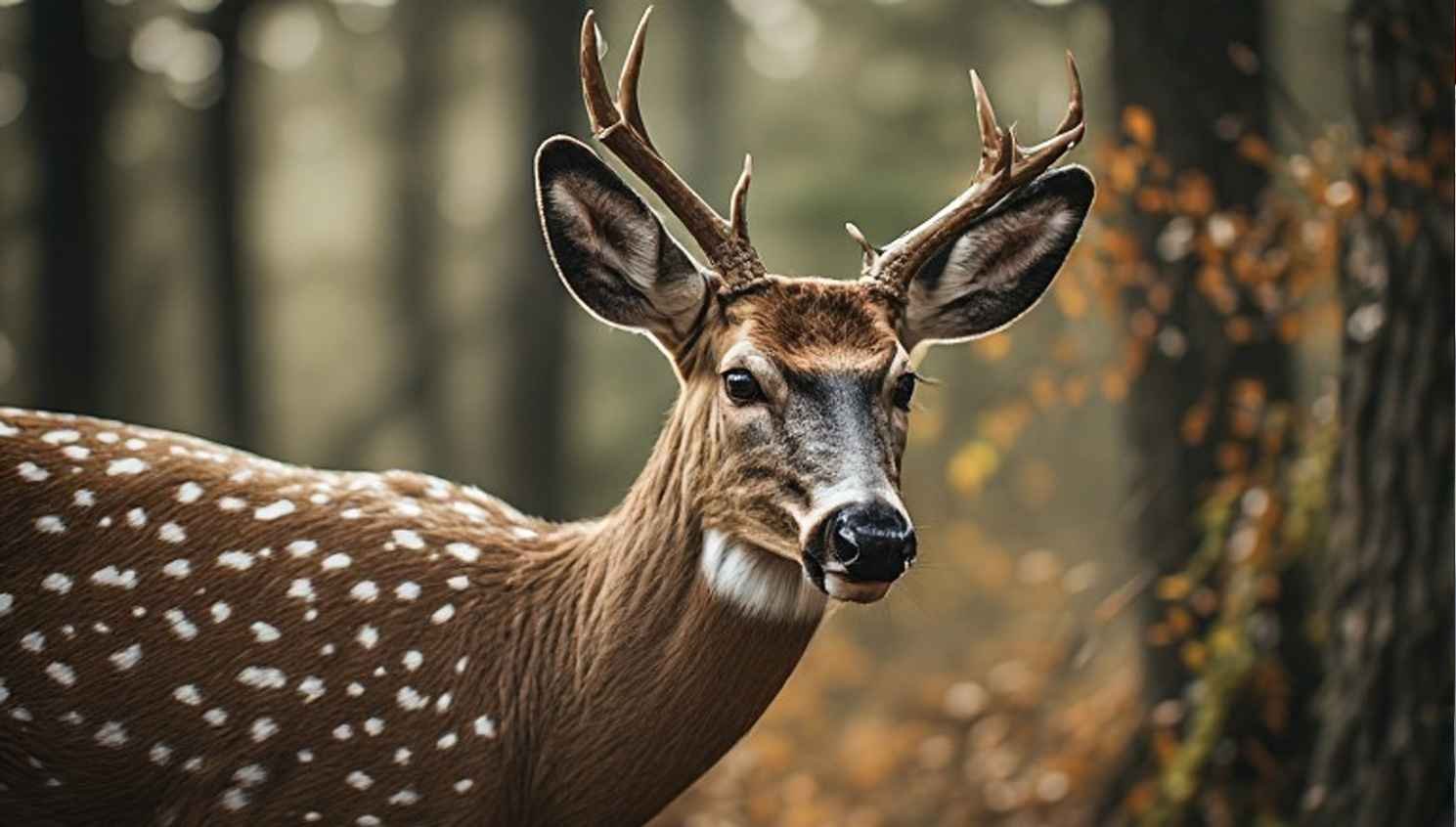
Lower Peninsula Deer Hunting Rules 2026-2027: Season Dates, Bag Limits & the One-Buck Rule
If you hunt whitetails south of the Mackinac Bridge, the 2026-2027 seasons deliver the biggest regulatory shakeup Michigan has seen in decades: the one-buck limit lands in 2027, the old rifle line is gone, and the former 10-day muzzleloader season is now a three-day December firearm hunt. Here is the complete, no-nonsense walkthrough of the Lower Peninsula rules — every date, license fee, bag limit, and firearm change, plus the planning steps that keep you legal from the Liberty Hunt to the final day of January.
Start with the dates, because the calendar tells most of the story. Archery season runs October 1 through November 14, 2026, then reopens December 1 through January 1, 2027. Regular firearm season spans November 15–30. The Liberty Hunt and the early antlerless firearm season share the September 12–13 weekend, the renamed December Firearm season runs December 4–6, and late antlerless opens December 7 and closes January 1. License math shifts, too: beginning March 1, 2027, Lower Peninsula hunters may take one antlered buck per season, a single deer license covers one buck (three or more points on one side) or one antlerless deer, and a combo license allows a buck plus a doe, or two does. Baiting and feeding stay banned south of the bridge, and every harvest must be reported within 72 hours.
Why Michigan Overhauled the Rules
The Natural Resources Commission approved this package in May 2026 after gathering public input for years. Managers weren’t chasing headlines — they were chasing numbers. Specifically, the state wants to fix a harvest pattern where hunters shoot far more antlered deer than antlerless deer, which skews age structure and leaves too many does in farm country.
The approved changes target these goals:
- Improve buck age structure so more bucks survive into older, larger-antlered age classes
- Re-balance the buck-to-doe ratio in the Lower Peninsula, where does have outpaced bucks
- Cut crop and landscape damage in agricultural counties by steering harvest toward antlerless deer
- Manage disease risk through the baiting ban and surveillance area rules tied to CWD and bovine TB
- Boost hunter satisfaction by making the December season shorter but more open in terms of what you can carry
Worth noting: the original proposal was statewide, but commissioners scaled it back. The Upper Peninsula keeps its existing hunter’s-choice framework, so all the big structural changes below are Lower Peninsula stories. Michigan’s official deer hunting portal remains the definitive reference, but this guide mirrors it for quick reading.
The 2027 One-Buck Rule: How It Works
This is the change every hunter is talking about, and it’s simpler than the rumor mill makes it sound. Effective with the 2027 seasons, a hunter who tags an antlered buck is done buck hunting for the year — period. You can still buy and use antlerless licenses where available, but the antlered opportunity closes after your first harvest.
| What changes | 2026 season (current) | 2027 season (Lower Peninsula) |
|---|---|---|
| Antlered deer limit | Up to two bucks possible on a combo license in many areas | One antlered buck per hunter, hard cap |
| Single deer license | One antlered deer (APR applies) or one antlerless | One buck with at least 3 antler points on one side, or one antlerless |
| Combo license | Two-deer options varied by deer management unit | One buck + one doe, or two does |
| Antler point restrictions | DMU-specific | Existing DMU-specific APRs remain in place |
There’s also a pilot twist worth knowing about. The “earn a second buck” program launches in 2027 across the southern Lower Peninsula (Zone 3). Under this pilot, you must first harvest an antlerless deer before you become eligible for a second buck, and that second buck carries a four-point antler point restriction. The DNR was slated to name participating counties in a July order, so check the official 2026 deer regulations summary before you bank on hunting a second buck anywhere.
The reasoning is straightforward: supporters want hunters to be selective and shift pressure onto does. Critics, fairly, point out that deer conditions in southern farm country are nothing like those in the northern forest, and one rule can’t fit every county. Either way, 2027 planning starts now — if you tag a good buck in September archery, your firearm season becomes a doe hunt.
Lower Peninsula Deer Season Dates 2026-2027
Memorize this table; it replaces half of what you previously knew about the fall calendar.
| Season | 2026 Dates | What You Should Know |
|---|---|---|
| Liberty Hunt (youth & qualifying disabilities) | Sept. 12–13 | Youth 10–16 can use bow, crossbow, or firearm; apprentices qualify too |
| Early Antlerless Firearm | Sept. 12–13 | Now runs with the Liberty weekend, not separate dates |
| Archery | Oct. 1–Nov. 14, then Dec. 1–Jan. 1 | Two splits; the late split now ends Jan. 1 |
| Regular Firearm | Nov. 15–30 | The traditional peak of pressure and success |
| December Firearm (renamed muzzleloader) | Dec. 4–6 | Cut from 10 days to 3; any legal firearm allowed in the LP |
| Late Antlerless Firearm | Dec. 7–Jan. 1 | Open LP-wide except DMUs 245 and 145; DMU 115 (Beaver & Garden islands) newly added |
| Independence Hunt (veterans) | Mid-October; confirm in the 2026 digest | For qualifying veterans and former active-duty hunters |
| Extended late antlerless & January archery | Eliminated | All deer seasons now end by Jan. 1 |
To be clear, that last change stings for late-winter hunters: there is no January archery window anymore, and no extended late antlerless push. If you’ve always counted on January to fill a doe tag, reorganize your season around that December 7–January 1 window instead.
For a state-level view of how these dates line up with other species, the Michigan seasons and regulations hub is a handy cross-reference when you’re also chasing turkey, bear, or small game on the same property.
License Structure and Fees, 2026-2027
Before you buy anything, decide whether a single deer license or a combo makes sense for your goals. The 2026 fee schedule from the DNR:
| License type | Resident (17–64) | Senior (65+) | Youth (10–16) | Nonresident |
|---|---|---|---|---|
| Base license | $11 | $5 | $6 | $151 |
| Deer combo license | $40 | $28 | $40 | $190 |
| Single deer license | $20 | $8 | $20 | $20 |
A few practical notes on licensing:
- The base license is valid through March 31, 2027, so buy it once and it carries you across both halves of the season pair
- The combo license is the value play for anyone hunting archery plus firearm — historically it could cover two antlered deer, and in 2027 it covers a buck plus a doe
- The single deer license rewards simplicity: one deer, $20, done — and in 2027 it’s the only way to hunt a buck without the combo
- Reserved deer hunt permit applications open July 15–August 15 each year, so mark it now for next cycle if you want a drawn hunt
- Youth 9 and under hunt free and don’t need a base license; youth 10–16 pay reduced rates across the board
Firearm Rules: The Rifle Line Is Gone
For decades, the Limited Firearms Deer Zone kept bottleneck cartridges out of the southern Lower Peninsula — the so-called rifle line. That era ends with the 2026 season.
- Bottleneck rifle cartridges are now legal throughout the Lower Peninsula — no more driving around to hunt with your .270 or 6.5 Creedmoor in a specific zone
- Any firearm larger than .22 rimfire is permitted statewide, which simplifies gear decisions substantially
- The old muzzleloader-only window is replaced by the December Firearm Deer Season, where all legal firearms can be used in the LP
- Check local ordinances and public land rules anyway — city and township restrictions, plus specific state land regulations, can still limit what you carry
- Shotgun, muzzleloader, straight-wall cartridge, and archery hunters lose nothing; the change only expands your options
Here’s the thing, though: free gear choice doesn’t mean free rein everywhere. Specific state game areas and some public parcels carry their own restrictions, and the DNR recommends confirming both county and parcel-level rules before opening weekend.
Antler Point Restrictions: Know Before You Tag
APRs vary by deer management unit and license type, and they’re easy to trip up on. The ground rules:
- A legal antlered deer is one with at least one antler 3 inches or longer — that’s the baseline definition statewide
- Beginning 2027, the single deer license’s antlered option requires at least three antler points on one side
- The earn-a-second-buck tag carries a four-point APR in the Zone 3 pilot
- Youth 16 and under, mentored program participants, and apprentice license holders are exempt from APRs in all seasons, DMUs, and license types
- DMU-specific APR maps are published with the annual digest; check the DNR’s interactive maps before you pick a hunt location
The quick takeaway: if you’re holding a 2027 single license and can’t count three points on one side, that deer stays in the field — it’s an antlerless-only situation until you either upgrade to a combo or find a unit with looser rules.
Baiting, Feeding, and Disease Rules
The baiting picture is the same as it’s been — with one legislative wrinkle.
- Baiting and feeding are banned throughout the Lower Peninsula, a restriction in place since 2018 to slow chronic wasting disease and bovine TB transmission
- Placing feed for the purpose of attracting deer to hunt over remains illegal in the LP, and conservation officers enforce it actively through the season
- A recent law change legalizes limited backyard feeding for recreational viewing and starvation prevention, but that’s strictly a viewing/backyard exemption — it doesn’t open the door to hunting over bait
- At the time of writing, a House-passed bill (HB 4445) that would lift the LP baiting ban during firearm season is pending in the state Senate, so the ban stands for the 2026 season unless the law changes before fall
- CWD and TB surveillance areas carry their own restrictions; check the current disease management zones before moving harvested deer parts or using lure products
The practical upshot: plan your late-season strategy around food sources you didn’t create. Natural mast crops, standing corn, and leftover ag waste remain fair game, but anything you dump or pile is a violation waiting to happen.
Mandatory Harvest Reporting: Don’t Skip This
Reporting went mandatory in 2025, and it’s not going anywhere. The DNR’s numbers show roughly 90% compliance, and officers are writing citations for the rest.
- Report each harvested deer within 72 hours of the kill
- Report before transferring possession of the animal — that includes dropping it at a processor or giving venison to a friend
- Use the Hunt Fish MI app, the DNR website, or call 517-284-9453
- Keep your confirmation number — it’s your proof of compliance until the tag is filled
- The penalty for noncompliance is a $150 citation, and repeat issues draw more scrutiny from officers
Five minutes with your phone beats a ticket and a lecture every time. Also note: requirements apply to every deer, buck or doe, archery or firearm, private or public land.
Antlerless Opportunities and DMU Notes
Antlerless hunting is where the LP rules changed most quietly, and it’s where savvy hunters can still rack up freezer-filling harvests.
| Opportunity | Where | When |
|---|---|---|
| Early antlerless firearm | LP-wide per the license use map | Sept. 12–13 |
| Late antlerless firearm | All LP except DMUs 245 & 145; DMU 115 newly opened | Dec. 7–Jan. 1 |
| Archery antlerless | All LP DMUs open to the season | Oct. 1–Nov. 14; Dec. 1–Jan. 1 |
| Universal antlerless licenses | Up to 10 available; new per-DMU and per-county use limits published annually | Throughout season |
That last line deserves attention. The department can now cap how many universal antlerless licenses you actually use inside a specific DMU or county, even if you legally bought ten. Check the annual use-limit map before planning a heavy doe-harvest weekend in one county — you may need to spread your hunting across neighboring units.
Planning Your 2026-27 Season: What to Buy and Prep
Consider this the practical runway. Gear choices matter more than ever because the license structure changed, not the deer.
- Decide combo vs. single now — your 2027 buck math starts with this one purchase
- Sight in your rifle (or crossbow) in September, not November; bottleneck shooters finally get to run their preferred caliber anywhere in the LP
- Deploy trail cameras in late August to pattern bucks before archery opener and again before the December firearm window, when movement shifts
- Set up blinds or hang stands near confirmed food sources — mast trees, standing corn, and field edges — since baiting is off the table
- Dial in scent control and shot placement early; a one-buck future punishes wasted opportunities
- Prep a meat-care kit — field dressing gear, game bags, and a cooler system — because does are a real possibility now, and venison logistics run smoother with a plan
- Scout public land with DNR maps and look for walk-in parcels away from road pressure; the December crowds concentrate hard in firearm week
- Double-check the baiting and disease rules for your exact DMU before setting up near agricultural fields
If you’re new to the whitetail side of things, the big-game hunting guidance library has solid starting points on shot selection, stand placement, and blood-trailing that apply directly to Michigan’s wooded and agricultural terrain.
Common Questions About the New Rules
When exactly does the one-buck rule take effect?
With the 2027 deer seasons, effective March 1, 2027. The 2026 season still runs under the older structure, though the December and firearm changes apply right away.
Can I still take two antlerless deer?
Yes — a 2027 combo license covers a buck plus a doe, or two does. Antlerless opportunity isn’t shrinking; the antlered side is where the cap lands.
The December season was muzzleloader-only. Is that still true?
No. In the Lower Peninsula it’s now the December Firearm Deer Season, December 4–6, and any legal firearm is allowed — rifles included.
What counts as a legal buck in 2027?
For the single deer license, an antlered deer with at least three antler points on one side, or an antlerless deer. The baseline “legal antlered deer” definition — one antler 3 inches or longer — still applies generally, and youth, mentored, and apprentice hunters are exempt from APRs.
Is baiting really still banned in the Lower Peninsula?
Yes, as of the 2026 season. A House bill to lift the ban is pending in the Senate, but nothing has passed, so plan accordingly.
How do I report a deer harvest?
Within 72 hours, via the Hunt Fish MI app, online, or by phone at 517-284-9453. Failure to report carries a $150 citation.
Did anything change in the Upper Peninsula?
The one-buck rule is Lower Peninsula-only. The U.P. keeps its hunter’s-choice framework, though the statewide December season shortening and mandatory reporting apply everywhere.
Can I hunt deer after January 1?
No. The extended late antlerless and January archery seasons are eliminated — every deer season now wraps up by January 1, full stop.
The Bottom-Line Checklist
Print this, tape it to your gun case, and run it before every hunt.
| Task | Deadline |
|---|---|
| Review DMU and APR maps for your hunting area | Before buying tags |
| Choose combo vs. single license | Before your first sit |
| Confirm firearm legality for your county and public land | Before opening day |
| Liberty Hunt / early antlerless | Sept. 12–13 |
| Archery opener | Oct. 1 |
| Regular firearm season | Nov. 15–30 |
| December Firearm season | Dec. 4–6 |
| Late antlerless close | Jan. 1 |
| Report every harvest | Within 72 hours |
Bottom line: 2026 is a transition year, and 2027 is a new era. The hunters who read the rules twice, pass on borderline bucks, and treat doe tags as an option rather than an afterthought will have the best freezer and the cleanest record.