
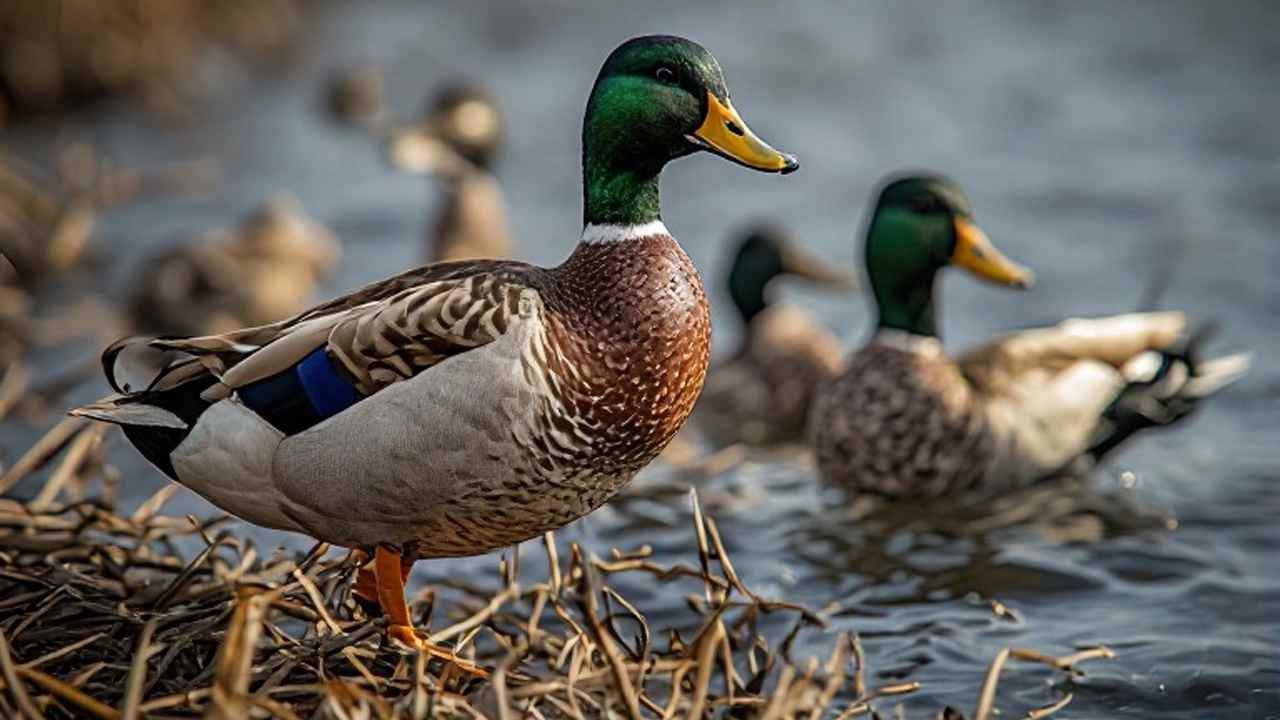
Florida Duck Season Dates 2026-2027, Rules & Waterfowl Guide
Florida duck season 2026-2027 follows a familiar rhythm: a short early opener for teal and wood ducks in September, a brief nine-day Thanksgiving window, and a longer December-through-January segment that carries hunters through most of the winter. Unlike Midwest and Mid-South states that divide their waterfowl hunt into multiple geographic zones, Florida runs a single statewide season, which simplifies planning for hunters who travel between the Panhandle, north-central Florida, and the Everglades.
Before you go afield, lock down the four documents you need (a Florida hunting license, a Florida Waterfowl Permit, the no-cost Migratory Bird Permit, and a signed Federal Duck Stamp), then check the specific regulations for whichever public wetland, storm-water treatment area, or Wildlife Management Area (WMA) you intend to hunt. Rules, closures, and draw deadlines change each year, so always re-confirm on the official Florida Fish and Wildlife Conservation Commission (FWC) waterfowl regulations page before hunting.
Florida Duck Season 2026-2027 at a Glance
| Information | 2026-2027 Details |
|---|---|
| Early Teal & Wood Duck Season | Sept. 19 – Sept. 23, 2026 (teal and wood duck only) |
| Regular Duck Season Segment 1 (statewide) | Nov. 21 – Nov. 29, 2026 |
| Regular Duck Season Segment 2 (statewide) | Dec. 12, 2026 – Jan. 31, 2027 |
| Hunting Zones | Single statewide season; no North/South/Central duck zones |
| Daily Bag Limit | 6 ducks (single species or aggregate) |
| Possession Limit | 3× the daily bag limit |
| Shooting Hours | One-half hour before sunrise to sunset |
| Youth Waterfowl Days | Nov. 14, 2026 and Feb. 13, 2027 |
| Veteran / Active-Duty Military Days | Feb. 6 – Feb. 7, 2027 (first weekend after the regular season closes) |
| Required License | Hunting license + Migratory Bird Permit + Florida Waterfowl Permit + Federal Duck Stamp |
| Florida Waterfowl Permit | $5 resident annual / $25 resident five-year; non-residents available seasonally |
| Federal Duck Stamp | Required for hunters age 16 and older; Florida sells the E-Stamp |
| HIP (Migratory Bird Permit) | No-cost; valid Sept. 1 – March 31 |
Florida Duck Season Dates for 2026-2027
Florida runs one statewide duck season with two regular segments rather than splitting the state by latitude or climate zone. The dates below are published by the FWC for the 2026-2027 license year.
| Segment | Dates | What Opens |
|---|---|---|
| Early Teal & Wood Duck | Sept. 19 – Sept. 23, 2026 | Teal and wood duck only |
| Regular Segment 1 | Nov. 21 – Nov. 29, 2026 | All legal duck species |
| Regular Segment 2 | Dec. 12, 2026 – Jan. 31, 2027 | All legal duck species |
Opening day: November 21, 2026 (Segment 1)
Closing day: January 31, 2027 (Segment 2)
Segment break: A short, roughly two-week reset runs from Nov. 30 through Dec. 11, 2026, when most public wetlands get heavy hunting pressure for the first few days of Segment 2.
Note that some WMAs and special areas publish their own season dates that may differ from the statewide framework. Always check the FWC WMA brochure for the specific tract you plan to hunt.
Florida Duck Hunting Zones
Florida does not use a multi-zone duck season the way states such as Texas or California do. From the Gulf Coast marshes to the St. Johns River floodplain, every county shares the same opening and closing dates listed above.
That said, Florida does maintain a small set of location-specific waterfowl rules that hunters frequently confuse with “zones”:
- Leon County and Lake Miccosukee: Ducks may be hunted only on Wednesdays, Saturdays, and Sundays during the regular season and on Thanksgiving Day, Christmas Day, New Year’s Day, and Martin Luther King Jr. Day (Jan. 18, 2027). FWC Migratory Bird Regulations.
- Lake Talquin and the Ochlockonee River: Similar weekday/weekend restrictions; consult the FWC WMA brochures for the current rule.
- Hernando County: Specific access and firearm restrictions apply and should be verified locally.
Because these local rules are layered on top of the statewide season, confirm the WMA brochure or county rule before driving to a new spot.
Florida Duck Season Bag Limits
Florida follows the federal framework with a few local twists, most notably a one-mottled-duck daily sub-limit to protect the state’s resident Florida duck population.
| Duck Species | Daily Limit | Important Restrictions |
|---|---|---|
| Total ducks (aggregate) | 6 | Single species or combination |
| Mallard | 4 | No more than 2 may be female (hen mallard) |
| Mottled Duck (Florida duck) | 1 | Daily; no more than 1 hen |
| Wood Duck | 3 | — |
| Northern Pintail | 3 | — |
| Canvasback | 2 | — |
| Redhead | 2 | — |
| Black Duck (American Black Duck) | 2 | — |
| Scaup (Lesser/Greater) | 1 (Nov. 21 – Nov. 29; Dec. 12 – Jan. 11) — 2 (Jan. 12 – Jan. 31 and during Youth & Veteran/Military Days) | Two-tier limit during the season |
| Other ducks not listed | Subject to the 6-bird aggregate | After species sub-limits are filled |
Possession limit: Three times the daily bag limit, applied to ducks kept in their whole (unprocessed/uncleaned) form.
It is illegal to take or attempt to take harlequin ducks and purple gallinule in Florida.
What License Do You Need to Hunt Ducks in Florida?
Hunters must carry four documents in the field (and the supervising adult during youth hunts may need them as well):
Florida Hunting License
- Resident hunting license: $17.00 annual or $79.00 five-year.
- Non-resident hunting license: $151.50 annual.
- Youth hunting license (resident): $17.00 — hunters under 16.
- Age exemptions: Florida exempts residents under 16 and residents 65 and older from the basic hunting license (Florida residents 65+ may obtain a no-cost Resident 65+ Hunting License), though permits and stamps are still required to hunt migratory birds. Non-residents under 16 may also be exempt in some categories — verify on the FWC “Do I Need One?” page.
Florida Waterfowl Permit
Every waterfowl hunter 16 and older needs this in addition to the hunting license. Residents: $5 annually or $25 for five years. Non-residents may also purchase the permit seasonally.
Migratory Bird Permit (Florida’s HIP equivalent)
Florida calls its Harvest Information Program (HIP) registration the Migratory Bird Permit. It is no-cost, valid Sept. 1 – March 31, and required in addition to a hunting license for anyone taking ducks, geese, coots, snipe, woodcock, rails, doves, and gallinules.
Federal Duck Stamp
The Federal Migratory Bird Hunting and Conservation Stamp (“Federal Duck Stamp”) is required of every waterfowl hunter age 16 and older, whether resident or non-resident. Florida is one of 30 states that sells the Electronic Duck Stamp (E-Stamp) directly through its GoOutdoorsFlorida portal. The current physical stamp must be signed across the face to be valid for hunting. Buy from the U.S. Fish & Wildlife Service.
Requirement Summary
| Requirement | Resident | Non-Resident | Notes |
|---|---|---|---|
| Florida Hunting License | $17 annual | $151.50 annual | Under 16 and 65+ exemptions may apply |
| Florida Waterfowl Permit | $5 / $25 five-year | Available annually | Required for any waterfowl hunter |
| Migratory Bird Permit (HIP) | No cost | No cost | Sept. 1 – March 31 |
| Federal Duck Stamp | Required (16+) | Required (16+) | Florida sells E-Stamp via GoOutdoorsFlorida |
Florida Duck Hunting License Costs for 2026-2027
| License or Permit | Resident Cost | Non-Resident Cost |
|---|---|---|
| Annual Hunting License | $17.00 | $151.50 |
| 5-Year Hunting License | $79.00 | N/A (annual only) |
| Florida Waterfowl Permit (annual) | $5.00 | $5.00 |
| Florida Waterfowl Permit (5-year) | $25.00 | N/A |
| Migratory Bird Permit (HIP) | No cost | No cost |
| Federal Duck Stamp (physical or E-Stamp) | $30.00 (subject to federal change) | $30.00 |
| Resident Youth Hunting License | $17.00 | N/A |
| Resident 65+ Hunting License | No cost | N/A |
License and permit fees are set by the FWC and the U.S. Fish & Wildlife Service and may be updated annually. Always verify before purchasing through GoOutdoorsFlorida.com.
Youth Waterfowl Hunting Days in Florida
Florida’s two statewide Youth Waterfowl Hunting Days for 2026-2027 are:
- Saturday, Nov. 14, 2026 — the Saturday before the regular duck season opens.
- Saturday, Feb. 13, 2027 — the second Saturday after the regular season closes.
Eligibility: Only hunters age 15 and younger may harvest birds, and they must be supervised by a non-hunting adult 18 or older. The adult is not allowed to shoot.
Licensing: No license or permit is required of either the youth or the supervising adult. However, if the adult helps with decoys, calling, or retrieving, the adult must hold a hunting license and the required permits.
Bag limits and gear rules: Same daily limits as the regular season, including the mottled duck sub-limit and the two-tier scaup rule. Shotguns must be plugged to a 3-shell capacity and only non-toxic shot may be used or possessed. Special youth events are scheduled at T.M. Goodwin, STA-1W, and Guana River – Lake Ponte Vedra; check the FWC youth waterfowl page for details.
Veteran and Active-Duty Military Waterfowl Hunting Days
Since 2020, FWC has set aside a weekend for veterans and active-duty service members. Under the regular “first weekend after the season closes” rule, the 2026-2027 Veterans and Active Military Waterfowl Days will run Saturday–Sunday, Feb. 6 – Feb. 7, 2027.
Who qualifies: Veterans of the U.S. Armed Forces, plus members on active duty, including the National Guard and Reserves. A qualifying hunter may bring non-veteran guests, but only the veteran may harvest waterfowl.
Required documents: Hunting license, Migratory Bird Permit, Florida Waterfowl Permit, and Federal Duck Stamp (exemptions for license/permit requirements do not apply to the federal duck stamp).
Bag limits and gear rules: Same as the regular season — six ducks, three times the daily bag for possession, two-tier scaup rule, mottled duck sub-limit, plugged 3-shell capacity, non-toxic shot only.
Quota hunts: Many WMAs require an Active Military and Veteran Waterfowl Quota Permit, applied for in November through GoOutdoorsFlorida. See the FWC veterans waterfowl page for current deadlines.
Early Teal Season in Florida
Florida does not run a separate September “teal-only” opener. Its September five-day season is an early teal AND wood duck season in which hunters may take blue-winged teal, green-winged teal, and wood ducks. (Hunters should note that toward the end of September, some early-arriving mottled ducks may be present on the landscape — keep your ID skills sharp, because mottled ducks are off-limits during this segment.)
- Dates: Sept. 19 – Sept. 23, 2026
- Legal species: Teal (blue-winged and green-winged) and wood duck
- Daily bag limit: 6 (combined teal and wood duck)
- Possession limit: 3× the daily bag
- Shooting hours: One-half hour before sunrise to sunset
- Required permits: Hunting license, Florida Waterfowl Permit, Migratory Bird Permit, and Federal Duck Stamp if 16 or older
Because bag limits are different from the regular season and only certain species may be harvested, treat the September days as a special opportunity, not a general duck opener.
Florida Duck Hunting Shooting Hours
Legal shooting hours for waterfowl in Florida are one-half hour before sunrise until sunset, statewide. Hours do not vary by zone or segment, and there are no extended hours for early teal season.
For sunrise/sunset times at your specific hunting location, use the FWC Fish|Hunt FL app or a reliable sunrise/sunset lookup. Public areas such as the storm-water treatment areas (STA-1W, STA 2, STA 3/4) and the Big Cypress WMA may impose their own entry and exit times that effectively shorten the hunt, so check the WMA brochure.
Where Can You Hunt Ducks in Florida?
Florida is one of the most geographically varied duck-hunting states in the country, ranging from gum-bottom swamps to brackish coastal marsh.
Public Land
- Wildlife Management Areas (WMAs): Florida’s WMAs offer the most public duck hunting in the state. Top waterfowl destinations include T.M. Goodwin Public Small Game Hunting Area, the Stormwater Treatment Areas (STA-1W, STA 2, STA 3/4) along the Loxahatchee, Ocklawaha Prairie PSGHA, Emeralda Marsh PSGHA, A-1 FEB Impoundment PSGHA, and Guana River – Lake Ponte Vedra PSGHA.
- National Wildlife Refuges: Arthur R. Marshall Loxahatchee NWR (Waterfowl Season permit lottery), St. Marks NWR, Merritt Island NWR, and Lake Woodruff NWR offer quality public duck hunting, each with its own permit, draw, or quota system.
- Water Management District lands: St. Johns River Water Management District, South Florida Water Management District, and Southwest Florida Water Management District each have public hunting programs.
Private Land
Written or verbal landowner permission is required. Florida trespass laws make unauthorized hunting a first-degree misdemeanor. Many of the best Florida duck holes are leased long-term by hunt clubs, so expect competition for prime coastal marsh and slough hunting.
Public Hunting Draws and Reservations
Most limited-entry WMAs require a quota permit applied for in advance through GoOutdoorsFlorida.com during published application windows (often in September–October for the regular season and November for the active-duty/veteran quota). Free-roam public lands and PSGHA areas do not usually require a quota permit for the regular season but may have one for youth hunts or holiday-weekend hunts.
Important Florida Duck Hunting Regulations
These rules apply to every duck hunter in Florida:
- Non-toxic shot only: Steel, iron, bismuth-tin, and tungsten-alloy shot is required; lead shot is unlawful when hunting ducks, geese, and coots, and no lead may be carried in the blind or boat.
- Plugged shotgun: Shotguns may be no larger than 10 gauge and must be plugged to a 3-shell capacity (one in the chamber, two in the magazine).
- Legal methods of take: Shotgun, bow, and crossbow.
- Illegal methods of take: Rifles, pistols, air guns, swivel guns, punt guns, battery guns, machine guns, sinkboxes, live birds as decoys, fish hooks, nets, traps, snares, drugs, poisons, and explosives.
- No electronic calls may be used; calls must be manual or mouth-operated.
- No baiting: Hunting over baited areas or where feed has been placed is prohibited; this applies whether you baited it or knew it was baited.
- No shooting from a powered vessel or vehicle and no herding/driving birds with boats or motorized vehicles.
- Wanton waste: All harvested birds must be retrieved and kept, where possible.
- ID responsibility: Hunters must positively identify every bird before firing; the mottled duck sub-limit and the teal/wood duck rest of the September season make misidentification costly.
- Harlequin ducks and purple gallinule are fully protected and may not be hunted at any time.
Best Ducks to Hunt in Florida
Because Florida stretches across three flyways (Atlantic, Mississippi, and Central) and offers a wide range of habitats, hunters can expect a diverse mix of puddle ducks, divers, and resident species.
- Mottled Duck (Florida Duck): Florida’s signature resident duck; hunt freshwater marshes, STA impoundments, and coastal prairie throughout the state. Live year-round.
- Wood Duck: Found in swamps, beaver ponds, river bottomlands, and tupelo sloughs; hunt flooded timber and beaver ponds with small decoy spreads.
- Blue-winged Teal and Green-winged Teal: First migrants of the fall; show up in Florida before most other duck species and provide the bulk of the September bag.
- Northern Pintail: Common on the STAs, Lake Okeechobee littoral zone, and central-Florida prairies.
- Mallard: Increasing in Florida; hunt agricultural fields along the Panhandle and central pastures.
- Northern Shoveler: Shallow freshwater wetlands, especially on the STAs and prairie lakes.
- Gadwall: Common mid-winter visitor; favors larger impoundments and STA cells.
- American Wigeon: Found on flooded pastures and prairie lakes; often arrives late November.
- Canvasback and Redhead: Divers on bigger lakes, Lake Okeechobee, and the Gulf bays; redheads often flock offshore on the flats.
- Lesser Scaup: Florida’s most common winter diver; St. Johns River, Lake Apopka, Lake Istokpoga, and Tampa Bay.
- American Black Duck: Uncommon but increasing; usually mixed with mottled ducks on the East Coast.
Tips for Hunting During the Florida Duck Season
- Scout often: Florida water levels fluctuate wildly; scout the STAs, conservation easements, and WMA impoundments weekly during the season.
- Check water levels: A dry STA or drained impoundment means no birds; an over-flooded sheet may push ducks to refuges.
- Watch weather fronts: Cold fronts from the north push new birds into the state; check the radar the night before a hunt for In-Florida migrant arrival.
- Run lighter decoy spreads: Florida ducks respond well to 6–12 dozen mixed dabblers or 4–6 dozen teal in early season.
- Identify cleanly: Practice quick gullies on hen vs. drake mottled ducks, hen mallards during the 2-hen sub-limit window, and teal vs. wood duck during the September opener.
- Avoid lead shot mistakes: Clean out truck and blind every trip; FWC and USFWS citation for a single lead shell on the seat is common and expensive.
- Mind the heat: Early teal season and even December hunts in south Florida can be warm; bring bug spray, hydration, and lightweight camo.
- Time the hunt to shooting light: Florida trees often block sunrise, so scout set-up angles for the first legal shot.
Frequently Asked Questions About Florida Duck Season
When does the 2026-2027 Florida duck season open?
Florida duck season 2026-2027 opens after a five-day September teal and wood duck season (Sept. 19-23, 2026), with the regular duck season opening Nov. 21, 2026 for a nine-day Thanksgiving segment, then reopening Dec. 12, 2026 through Jan. 31, 2027.
Does Florida have multiple duck hunting zones?
No. Florida runs a single statewide duck season, so the same dates and bag limits apply in Pensacola, Tallahassee, Orlando, and Miami. Certain local rules (Leon County, Lake Miccosukee) restrict days of the week but not length or limit.
How many ducks can you take per day in Florida?
The daily bag limit is 6 ducks, with species sub-limits on mallard (4, no more than 2 hens), mottled duck (1), wood duck (3), pintail (3), canvasback (2), redhead (2), black duck (2), and scaup (1–2 depending on the date).
What is the possession limit for ducks in Florida?
The possession limit is three times the daily bag limit, applied to ducks in the whole (unprocessed) form. That works out to 18 ducks total in most categories.
Do I need a Federal Duck Stamp to hunt ducks in Florida?
Yes. Every waterfowl hunter age 16 and older, resident or non-resident, must carry a signed Federal Duck Stamp or Electronic Duck Stamp (E-Stamp) from a participating state. Florida is one of 30 states authorized to sell the E-Stamp online.
Do I need a Florida Waterfowl Permit?
Yes. The Florida Waterfowl Permit costs $5 annually for residents and is a separate state privilege required in addition to your hunting license and the no-cost Migratory Bird Permit.
Can kids hunt for free during the Youth Waterfowl Days?
During the Nov. 14, 2026 and Feb. 13, 2027 Youth Waterfowl Days, participating youth (under 16) and the supervising non-hunting adult do not need a license or permit, although adults who help with decoys, calling, or retrieving must hold the required licenses and permits. Check the FWC youth waterfowl page.
Do veterans get a special duck hunting weekend in Florida?
Yes. Veterans and active-duty service members (including National Guard and Reserves) have a designated weekend — Feb. 6 – Feb. 7, 2027 for the 2026-2027 season — with regular-season bag limits, same non-toxic shot and plug requirements. Many WMAs require a free quota permit applied for in November.
Before You Hunt: Check the Latest Florida Regulations
Migratory bird regulations, WMA-specific dates, water-level closures, and quota permit deadlines change year to year. Some seasons may also be modified due to disease outbreaks (e.g., HPAI) or federal framework changes. Always re-confirm your hunt plan with the official FWC migratory bird regulations, the FWC WMA brochure for your specific area, and the U.S. Fish & Wildlife Service waterfowl rules before you head out.
Official Florida Duck Hunting Resources
- FWC 2026-2027 Florida Migratory Bird Hunting Season Dates and Bag Limits
- FWC Florida Hunting Regulations (Downloadable Handbook)
- FWC Recreational Hunting Licenses and Permits
- Buy Florida Licenses – GoOutdoorsFlorida
- FWC Youth Waterfowl Hunting Days
- FWC Veterans and Active Military Waterfowl Days
- FWC WMA Brochures
- U.S. Fish & Wildlife Service – Buy a Federal Duck Stamp or E‑Stamp
- 50 CFR Part 20 – Federal Migratory Bird Regulations