
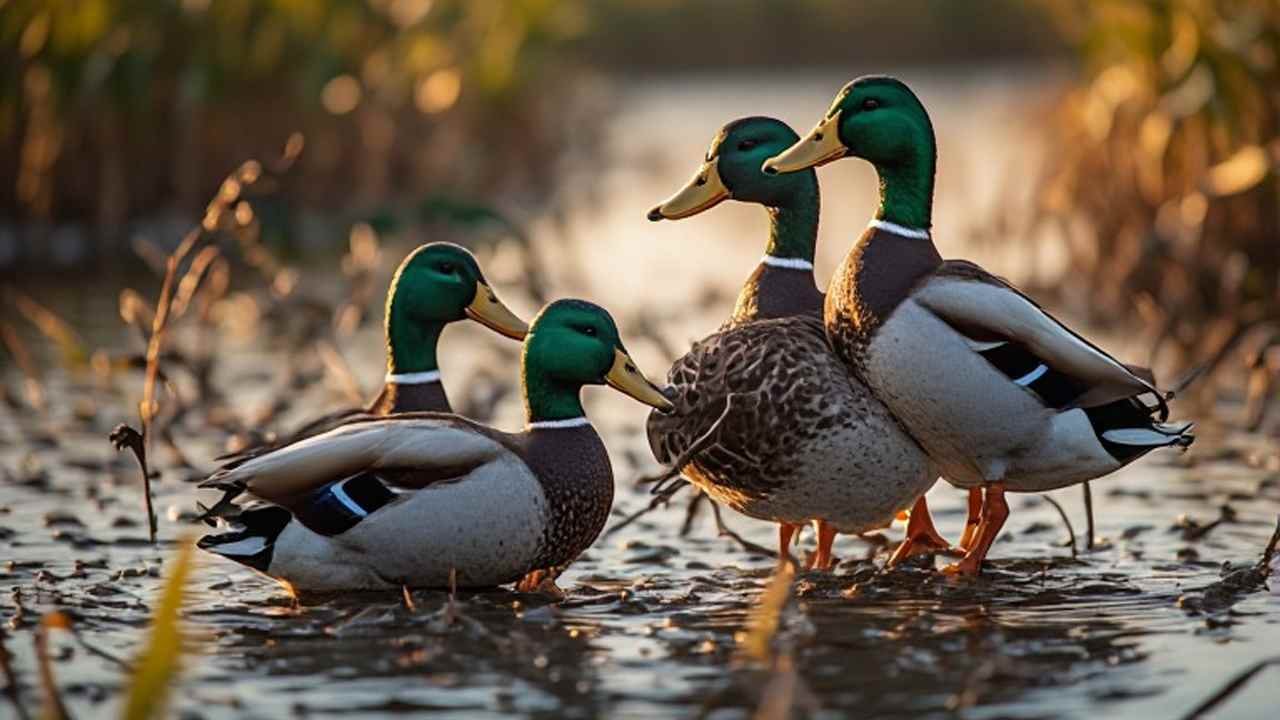
Kansas Duck Season 2026-2027: Opening Dates, Zones & Regulations
The Kansas duck season 2026-2027 runs roughly from mid-October through the end of January, and Kansas is one of the few states that splits its duck hunting into four distinct zones — the High Plains Unit and three Low Plains zones — most with split season segments designed to track waterfowl migration across the Central Flyway.
KDWP has already published the official 2026-2027 seasons, which you’ll find detailed below, including early teal dates, combined youth/veteran/military days, bag limits, license and stamp requirements, and a brand-new public-land rule for nonresidents. Regulations can always change, so verify the current rules with the official Kansas Department of Wildlife and Parks (KDWP) waterfowl pages before you head afield.
Kansas Duck Season 2026-2027 at a Glance
| Information | 2026-2027 Details |
|---|---|
| Regular Duck Season | Varies by zone; begins October 10, 2026 (High Plains & Early Zone) and ends January 31, 2027 (second segments) |
| Hunting Zones | 4 zones: High Plains, Low Plains Early, Low Plains Late, Low Plains Southeast |
| Daily Bag Limit | 6 ducks & mergansers (any combination) |
| Possession Limit | 18 ducks & mergansers (3× daily) |
| Shooting Hours | One-half hour before sunrise to sunset |
| Youth, Veteran & Military Days | Yes — 2 days per zone in late September/October 2026 |
| Early Teal Season | Yes — High Plains: Sept 19–27; Low Plains: Sept 12–20, 2026 |
| Required License | Kansas hunting license (resident or nonresident) |
| Kansas Waterfowl Stamp | $10 (required) |
| Federal Duck Stamp | $25 (2026-2027; required for hunters 16+) |
| HIP Registration | $2.50 (required for all who must hold a Kansas hunting license) |
Kansas Duck Season Dates for 2026-2027
The following dates were published by KDWP for the official 2026-2027 season. Because Kansas uses four zones with split seasons, check your exact zone before planning a trip — hunting on the wrong dates is the most common violation Kansas game wardens see.
| Duck Hunting Zone | Season Dates (Duck, Coot & Merganser) |
|---|---|
| High Plains Unit | Segment 1: October 10, 2026 – January 3, 2027 Segment 2: January 22–31, 2027 |
| Low Plains – Early Zone | Segment 1: October 10 – December 6, 2026 Segment 2: December 19, 2026 – January 3, 2027 |
| Low Plains – Late Zone | Segment 1: October 31, 2026 – January 3, 2027 Segment 2: January 23–31, 2027 |
| Low Plains – Southeast Zone | Segment 1: November 7, 2026 – January 3, 2027 Segment 2: January 16–31, 2027 |
Key takeaways for planning
- Opening day arrives first in western and north-central Kansas: October 10, 2026 (High Plains and Early Zone).
- Late Zone opens October 31, and the Southeast Zone — historically the best late-season mallard water — opens November 7.
- Every zone closes its first segment January 3, 2027, then reopens for a 10-to-16-day January second segment.
- The latest closing date is January 31, 2027 (High Plains, Late, and Southeast zones).
- Extended falconry season for Low Plains zones runs February 24 – March 10, 2027 (High Plains closed).
All dates above reflect KDWP’s published 2026-2027 regulations, last verified on September 5, 2026. Always confirm on ksoutdoors.gov before hunting.
Kansas Duck Hunting Zones
Kansas divides the state into four official waterfowl zones so season timing can match migration across very different regions — from the short-grass High Plains to the flooded Missouri River bottoms. If you’re coming from out of state, this matters more than almost anything: the four zones open on four different weekends.
- High Plains Zone — All of Kansas west of U.S. Highway 283, from the Nebraska line south to the Oklahoma border and west to Colorado. It has the earliest opening (October 10) and a January closing segment.
- Low Plains Early Zone — North-central Kansas: a roughly triangular pocket bounded by highways and county roads running through counties such as Rooks, Osborne, Smith, Republic, Cloud, McPherson, Rice, Stafford, and Kiowa counties. This zone mirrors the High Plains’ October 10 opener.
- Low Plains Late Zone — Eastern and south-central Kansas, including the Kansas River valley, the Flint Hills, Wichita, and the state’s eastern reservoirs. Opens October 31.
- Low Plains Southeast Zone — The southeast corner of the state, bounded by K-68, I-35, Butler County NE 150th Street, U.S. 77, and the Missouri/Oklahoma lines. Opens November 7 and features the longest January second segment (January 16–31, 2027).
KDWP publishes the full boundary descriptions and an interactive zone map; you can also download the Kansas duck zones as a Google Earth layer from the official zone page. Confirm your hunting location’s zone before buying plane tickets or booking a blind — a county line can change your opening day by nearly a month.
Kansas Duck Season Bag Limits
KDWP’s 2026-2027 daily bag limit is 6 ducks and mergansers in any combination, with a possession limit of 18 (three times the daily bag, as required by federal framework). Sub-limits apply within the overall six-bird limit:
| Duck Species | Daily Limit | Important Restrictions |
|---|---|---|
| Mallard | 5 | No more than 2 hen mallards per day |
| Wood Duck | 3 | Within overall 6-duck limit |
| Northern Pintail | 3 | Within overall 6-duck limit |
| Canvasback | 2 | Within overall 6-duck limit |
| Redhead | 2 | Within overall 6-duck limit |
| Scaup | 2 | Within overall 6-duck limit |
| Mergansers | Counted in the 6 | Hooded, common & red-breasted mergansers count toward the duck bag |
| All other ducks | Fill to 6 | Any legal species (gadwall, wigeon, shovelers, teal, etc.) |
| Coot | 15 | Separate daily limit; 45 possession |
What this means in the field: you could legally take 5 mallards (2 hens max), plus 1 more duck of any species; or 3 wood ducks and 3 pintails; or any mix up to six total. Kansas does not list separate black duck or mottled duck sub-limits in its current framework. Possession limits apply in the field, in camp, and in transit — ducks must be tagged if left at a processing facility or with another person (see Section 13).
What License Do You Need to Hunt Ducks in Kansas?
Kansas Hunting License
- Residents (ages 16–74) must have a resident annual hunting license ($27.50). Residents 15 and younger and 75 and older do not need a hunting license.
- Nonresidents, regardless of age, must have a nonresident hunting license ($127.50 for 16+, $42.50 for under 16) — there is no age exemption for out-of-state hunters.
Kansas Waterfowl Stamp (State)
All hunters required to hold a Kansas hunting license must also have the Kansas State Waterfowl Stamp ($10) before hunting ducks, geese, or mergansers. It’s valid for the season and available at licensed agents, the Pratt Operations Office, or online. Waterfowl stamps are not required for coot, dove, rail, snipe, woodcock, or sandhill crane.
Federal Duck Stamp
Every waterfowl hunter 16 and older must carry a current, signed Federal Migratory Bird Hunting and Conservation Stamp — for the 2026-2027 stamp year (valid July 1, 2026 – June 30, 2027), it sells for $25. A receipt is not a legal substitute: you must have a signed physical stamp or a valid electronic E-Stamp on your person. Kansas is one of the states that sells the E-Stamp through its online licensing system, per the U.S. Fish and Wildlife Service Duck Stamp program — note that KDWP’s license portal currently lists the federal stamp at $29, so confirm the exact price at checkout.
HIP Registration
The Harvest Information Program (HIP) is a federal survey of migratory bird harvest, mandatory in Kansas for anyone who must hold a Kansas hunting license and hunts ducks, geese, doves, woodcock, snipe, rails, or coots. Kansas charges $2.50 to cover administration. Lifetime license holders still need HIP. Exempt: people hunting their own land and residents under 16 or over 75. Carry proof of HIP with you — officers can ticket you for hunting migratory birds without it.
Requirement Summary
| Requirement | Resident | Nonresident | Notes |
|---|---|---|---|
| Hunting License | $27.50 (16–74); free/exempt under 16 & 75+ | $127.50 (16+); $42.50 (under 16) | Nonresidents of all ages must buy one |
| HIP Registration | $2.50 | $2.50 | Required unless exempt (own land; residents <16 or 75+) |
| Kansas Waterfowl Stamp | $10 | $10 | Required for all who must hold a license |
| Federal Duck Stamp | $25 (16+) | $25 (16+) | Must be signed; E-Stamp acceptable; must be 16+ |
Kansas Duck Hunting License Costs for 2026-2027
| License or Permit | Resident Cost | Nonresident Cost |
|---|---|---|
| Annual Hunting License | $27.50 (16–74); $15 senior (65–74); free/exempt under 16 and 75+ | $127.50 (16+); $42.50 (under 16) |
| Kansas State Waterfowl Stamp | $10 | $10 |
| Federal Duck Stamp | $25 (2026-2027) | $25 (2026-2027) |
| HIP Registration | $2.50 | $2.50 |
| Youth (under 16) | No hunting license required (stamps/HIP still apply where noted) | Nonresident youth license $42.50 |
A 5-year resident combo and various apprentice licenses are also offered. Fees are set by KDWP and the federal government, so treat the table above as current as of September 5, 2026 and verify at the online license portal before paying.
Youth Waterfowl Hunting Days in Kansas
Kansas sets aside two days per duck zone for youth waterfowl hunting of ducks and dark geese in 2026:
| Zone | 2026 Youth, Veteran & Military Days |
|---|---|
| High Plains Unit | October 3–4, 2026 |
| Low Plains – Early Zone | September 26–27, 2026 |
| Low Plains – Late Zone | October 17–18, 2026 |
| Low Plains – Southeast Zone | October 24–25, 2026 |
- Eligibility: Hunters 15 and younger may hunt under the supervision of an adult 18 or older.
- The supervising adult may not hunt on youth days.
- License/stamps: Youth still need the same stamps/HIP as adult hunters in most cases, though resident hunters under 16 are exempt from the license, state waterfowl stamp, HIP, and federal stamp requirements — check the youth waterfowl rules for the specific zone before going.
- Bag limits: Standard season bag limits apply on youth days.
Veteran and Active-Duty Military Waterfowl Hunting Days
Kansas combines its veteran and active-duty military waterfowl days with the youth days listed above — the same two-day windows in each zone (e.g., October 3–4, 2026 in the High Plains). On these days:
- Who qualifies: Honorably discharged veterans and active-duty military members who otherwise meet Kansas license requirements.
- Documentation: Be prepared to show proof of veteran or active-duty status (DD-214, military ID) if asked by an officer.
- Licenses/stamps: Regular licensing and stamp requirements apply (nonresidents included), unless the hunter is under 16.
- Bag limits: Regular bag and possession limits apply.
- These days are separate from the regular season — they add two additional hunting dates per zone, not longer daily hours.
Early Teal Season in Kansas
Yes — Kansas offers an early teal season in September 2026, before the regular duck season:
| Unit | 2026 Teal Season |
|---|---|
| High Plains Unit | September 19–27, 2026 |
| Low Plains Unit | September 12–20, 2026 |
- Legal species: Blue-winged teal, green-winged teal, and cinnamon teal — any combination of teal only; other ducks are not legal during this season.
- Daily bag limit: 6 teal; possession limit: 18.
- Shooting hours: One-half hour before sunrise to sunset (same as regular season).
- Licenses: All regular waterfowl requirements apply (hunting license, state waterfowl stamp, HIP, and federal duck stamp for hunters 16+).
- Note the early teal regulations differ from regular duck season — no mallards, wood ducks, or other species may be taken.
Kansas Duck Hunting Shooting Hours
Kansas waterfowl shooting hours are one-half hour before sunrise until sunset — for the regular duck season, the early teal season, and all waterfowl seasons. (Sandhill crane is the only migratory bird exception, at sunrise-to-sunset.) That means legal shooting starts before first light, so set decoys and get concealed while it’s still dark. Some individual WMAs, refuges, or special hunts may impose stricter hours — check area-specific rules when planning public-land hunts.
Where Can You Hunt Ducks in Kansas?
Public Land
Kansas offers generous public waterfowl access: KDWP-managed wildlife areas, more than 300 public water bodies, state fishing lakes, and state parks, plus national wildlife refuges including Marais des Cygnes NWR (a special-hunt location) and other Refuge System lands in the state. Cheyenne Bottoms and Quivira NWR, the sprawling wetlands west of Great Bend, are legendary migration stops in the Early/Late zone boundary country, and eastern reservoirs like Milford, Tuttle Creek, and Perry anchor the popular Late and Southeast zone hunts.
New for 2026-2027 — read this before hunting public land: Beginning with the fall 2026 seasons, nonresidents hunting waterfowl, coot, rail, or snipe on KDWP-managed public lands and waters must stop hunting before noon and leave department lands by 1:00 p.m. The restriction does not apply to the September teal season, light-goose hunting during the Light Goose Conservation Order, WIHA/iWIHA walk-in areas (when hunting other species), or KDWP Special Hunts. Residents are unaffected.
Private Land
Most Kansas waterfowl takes place on private land, where written or verbal permission from the landowner is required — Kansas trespass law provides no “implied access” to fields, ponds, or streambeds. Always confirm access before dawn and respect ag practices, especially during fall harvest and spring planting.
Public Hunting Draws and Reservations
Kansas runs a Special Hunts program: limited-entry, application-only hunts (including waterfowl opportunities on refuges, wildlife areas, and state parks) drawn online, with separate Fall/Winter and Spring rounds. The Fall 2026–Winter 2027 draw has closed, but remaining unfilled slots may pop up after the original drawing. Special hunts provide access only — all licenses, stamps, and hunter education requirements still apply. Check the KDWP Special Hunts portal for late-season availability and next year’s application window.
Answer first: always confirm zone boundaries and area-specific rules (park entrance permits, refuge closures, waterfowl restrictions) for wherever you plan to hunt — the new 2026 nonresident public-land rule alone should change nonresident trip planning.
Important Kansas Duck Hunting Regulations
- Non-toxic shot only: Federal law requires non-toxic shot (steel, bismuth, tungsten, etc.) for all waterfowl hunting; lead shot is illegal.
- Plugged shotguns: Shotguns must be plugged to hold no more than three shells.
- Legal methods: Shotguns (10 gauge or smaller) and archery; no rifles, pistols, or electronic/recorded calls for ducks.
- Electronic calls and live decoys are prohibited for waterfowl.
- Baiting is illegal: You may not hunt over bait — including scattered grain — or within 10 days of complete bait removal. You are responsible for checking that your hunting area isn’t baited.
- Natural/agricultural hunting is legal: Standing crops, flooded crops, and harvested cropland are fine; mowed natural vegetation is fine.
- Tagging requirement: Any ducks left at a processor, taxidermist, or with another person must carry a tag signed by the hunter with name, address, species count, and date killed.
- Wanton waste: You must make a reasonable effort to retrieve downed birds; leaving birds to waste is a federal violation.
- Species identification is your responsibility — hen mallard limits, pintail and canvasback sub-limits, and teal-only early season rules mean misidentification can easily produce a violation.
- No hunting from a motor-driven vehicle or with the motor running while shooting (per federal regulations).
- Roads and buildings: Observe Kansas restrictions on shooting from or across public roads and near occupied buildings.
Best Ducks to Hunt in Kansas
- Mallard — The bread-and-butter Kansas duck. Late-season mallards pile into eastern Kansas (Late/Southeast zones) reservoirs, river timber, and flooded ag fields through December and January.
- Wood Duck — Abundant along the Kansas, Marais des Cygnes, and Neosho river corridors and timbered backwaters; early-season favorite in Low Plains zones.
- Northern Pintail — Show up early in western High Plains playas and wetlands; Kansas commonly allows 3 per day.
- Blue-winged & Green-winged Teal — Early-season fixtures on prairie marshes, playas, and small ponds; the September teal season targets these species.
- Gadwall & American Wigeon — Wide distribution on lakes, reservoirs, and marsh systems statewide through fall.
- Northern Shoveler — Common on shallow, muddy wetlands across the state, especially during October/November.
- Canvasback & Redhead — Open-water divers on big reservoirs (Milford, Tuttle Creek, Wilson) and on Cheyenne Bottoms; limited to 2 each daily.
- Scaup — Late-migrating divers, most often on larger lakes in the Late and Southeast zones in December–January.
- Mergansers — Hooded, common, and red-breasted mergansers are included in the 6-bird duck bag.
Migration timing varies with weather — cold fronts in November and December push birds south through Kansas, so monitor forecasts rather than relying on fixed dates.
Tips for Hunting During the Kansas Duck Season
- Scout public water early: Reservoirs, WMAs, and river timber change daily; find where ducks actually feed (flooded milo, corn, soybeans) before you commit to a spot.
- Watch the weather, not the calendar: The best shooting in Kansas usually comes on strong north fronts that drop birds into the Late and Southeast zones in December–January — plan around cold fronts.
- Hunt the ag connection: Flooded grain fields adjacent to roost water are the classic Kansas setup; get permission early and check flood conditions after fall rains.
- Decoy spreads: Big afternoon feed spreads work on field hunts; smaller, motion-heavy spreads (jerk rigs, spinners where legal) work on marshes and reservoirs. Match species — diver spreads need diver decoys.
- Calling: Lighter, less aggressive calling early in the season; louder, more assertive greeting calls when birds lock in. Watch for the wind — birds land into it, so set your spread downwind of your hide.
- Concealment: The High Plains are wide open — brush in a pit or a cattail blind early; on eastern reservoirs, timber and shoreline cover hide you better. Keep your face and gun shiny surfaces covered.
- Identify before you shoot: Check for hen mallards beyond your limit, and confirm species against pintail/canvasback/scaup restrictions — misidentification is the fastest way to a ticket.
- Respect the new nonresident rule: If you’re from out of state, know whether your public spot requires you off by 1:00 p.m. and plan afternoon hunts on private land or WIHA accordingly.
- Check water levels and access: Late-season freeze-ups and drawdowns close boat ramps and flood roads; call the local KDWP area office before making the drive.
Frequently Asked Questions About Kansas Duck Season
When does duck season open in Kansas in 2026?
The High Plains Unit and the Low Plains Early Zone open October 10, 2026; the Late Zone opens October 31, 2026; and the Southeast Zone opens November 7, 2026. All zones close a January second segment by January 31, 2027.
What is the daily duck bag limit in Kansas?
6 ducks and mergansers per day, any combination, with species sub-limits: 5 mallards (max 2 hens), 3 wood ducks, 3 pintails, 2 canvasbacks, 2 redheads, and 2 scaup. Possession limit is 18.
Do I need a federal duck stamp to hunt ducks in Kansas?
Yes — every hunter 16 or older must carry a current, signed Federal Duck Stamp ($25 for 2026-2027) or a valid E-Stamp while duck hunting.
How much does a Kansas duck hunting license cost?
Residents pay $27.50 for an annual hunting license; nonresidents pay $127.50 (16+). Add the $10 state waterfowl stamp, $2.50 HIP, and $25 federal duck stamp for the full legal package.
Can my 14-year-old hunt ducks without a license?
Resident hunters under 16 don’t need a Kansas hunting license, but must be supervised by an adult 18+ during youth waterfowl days; nonresident minors still need a $42.50 nonresident youth license and follow the same stamp rules as adults.
Is there a nonresident restriction on Kansas public land in 2026?
Yes, new for fall 2026: nonresidents hunting waterfowl on KDWP-managed public lands must stop hunting before noon and leave by 1:00 p.m. — with exceptions for teal season, the Light Goose Conservation Order, WIHA, and Special Hunts.
Does Kansas have an early teal season?
Yes — September 12–20, 2026 in the Low Plains Unit and September 19–27, 2026 in the High Plains Unit, with a 6-teal daily bag.
What are the shooting hours for ducks in Kansas?
Shooting hours are one-half hour before sunrise until sunset for all waterfowl seasons.
Before You Hunt: Check the Latest Kansas Regulations
Migratory bird frameworks, zone boundaries, public-land rules, emergency closures, and fees can change at any time — and Kansas enacted a major nonresident public-land change just before the 2026 season. Always verify the current regulations with the Kansas Department of Wildlife and Parks immediately before hunting. This guide was last researched and updated on September 5, 2026.
Planning a multi-state waterfowl trip? Compare the Kansas duck hunting season with neighboring Missouri duck season dates to time a Midwest migration hunt.