
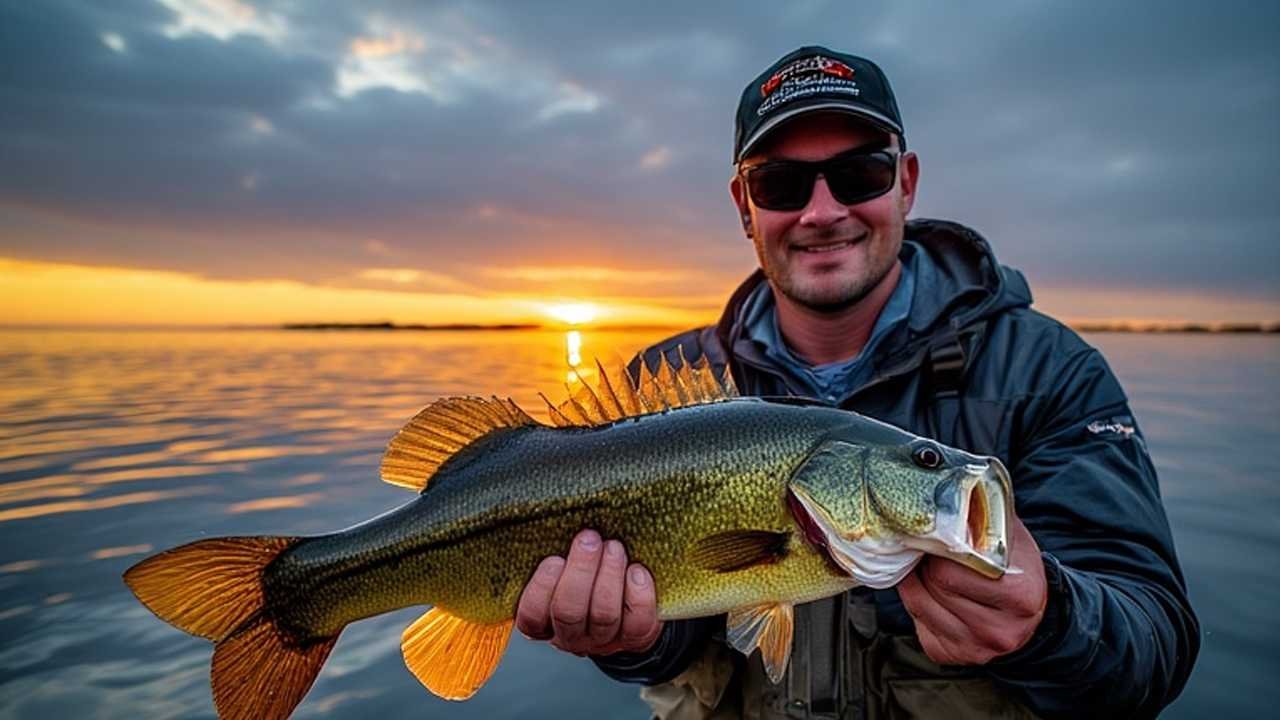
Kansas Fishing Season and Limits for 2026–2027 by Month – Species, Licenses & Hotspots
There’s something very Kansas about a sunrise over a reservoir, a thermos in the cup holder, and the quiet confidence that even if the fish aren’t exactly cooperative, the day still counts. If you’re planning trips for the 2026–2027 window, the good news is that most freshwater angling here is open year-round. The big exceptions are trout, paddlefish snagging, and bullfrogs, which run on specific catch dates and permit rules. Kansas also keeps things fairly beginner-friendly: strong public access, lots of stocked waters, clear creel limits, and a mix of easy family lakes and serious trophy water. For this guide, we’ve used Kansas rules and fee pages posted in 2026; if you’re reading this deeper into 2027, give the state pages one last check before you go. If you also fish neighboring states, the Oklahoma fishing season guide makes a useful side-by-side comparison.
🌊 Kansas at a Glance
Kansas is all about freshwater—no saltwater stamp, no coastal complications, just reservoirs, community lakes, streams, river access points, and private ponds. Popular targets include bass, catfish, crappie, walleye, trout, white bass, wiper, and the occasional bucket-list paddlefish trip. The statewide possession rule is simple: in general, your possession limit is three times the daily creel limit, unless a water has its own posted regulation. That’s the kind of detail beginners should memorize early because it matters just as much as what bait you tie on. Source
📅 Quick Reference Table by Month
| Month | Best Bets 🐟 | Open/Close Dates | Typical Daily Bag Limit | Special Notes |
|---|---|---|---|---|
| January | Trout, crappie, catfish | Trout season open | Trout 5 | Trout permit required on designated waters |
| February | Trout, walleye, crappie | Trout season open | Trout 5 | Great month for stocked trout waters |
| March | Trout, crappie, paddlefish | Trout through Mar 31; paddlefish opens Mar 15 | Paddlefish 2 | Trout permit still applies; paddlefish season limit 6 |
| April | Bass, crappie, catfish, walleye | Most species open year-round | Bass 5; walleye combo 5 | Trout permit generally no longer required after Mar 31 |
| May | Walleye, catfish, crappie, paddlefish | Paddlefish through May 15 | Channel catfish 10 | Prime travel month for public lakes |
| June | Bass, catfish, wiper, bluegill | Year-round species open | Varies by species | Free Fishing Days were June 6–7, 2026; permits/limits still apply |
| July | Catfish, panfish, wiper | Bullfrog opens Jul 1 | Bullfrogs 8 | Urban lakes are especially family-friendly |
| August | Catfish, bass, bluegill | Year-round species open | Bluegill/sunfish: no statewide limit | Early/late hours fish best in the heat |
| September | Crappie, bass, walleye | Year-round species open | Crappie 50 | Fall pattern starts building |
| October | Crappie, walleye, catfish | Bullfrog through Oct 31 | Bullfrogs 8 | Great month for bank anglers |
| November | Bass, catfish, crappie | Year-round species open | Species-specific | Good scouting month before trout stocking |
| December | Trout, bass, crappie | Trout season reopens Dec 1 | Trout 5 | Designated trout waters become a major draw |
Most Kansas species are open all year; fixed seasons mainly affect trout, paddlefish, and bullfrogs. Always double-check water-specific slot limits and posted exceptions before you launch.
🐟 Popular Sport Fish
Bass
Largemouth, smallmouth, and spotted bass fall under a combined statewide daily creel limit of five, with a 15-inch statewide minimum for black bass unless a lake posts something stricter. In practice, many popular lakes do. Clinton, Melvern, Perry, Hillsdale, and La Cygne all have more restrictive bass rules in places, so don’t assume “statewide” means “everywhere.” Bass are available year-round, but spring and early fall are when Kansas really starts showing off.
Trout
Kansas trout angling is highly managed and surprisingly accessible. The main trout season runs from December 1 through March 31. During that period, some trout waters require every angler to carry a trout permit, while others require it only if you’re actually targeting or possessing trout. Daily bag is five, and possession is 15. After March 31, trout can still be caught in stocked waters without that seasonal permit requirement, but the trout bag limit remains in effect. That catches people off guard every year.
Walleye, Sauger, and Saugeye
Kansas groups walleye, sauger, and saugeye into a combined daily creel limit of five, with a 15-inch statewide minimum length. One important wrinkle: that 15-inch minimum does not apply in rivers, streams, and tailwaters. Reservoirs like Milford, Cheney, Glen Elder, Clinton, and El Dorado are the waters many anglers circle first when they’re planning a serious walleye run.
Catfish
Channel cats are generous statewide at 10 per day, flatheads are five, and blue catfish rules can be more nuanced depending on the lake. Statewide, blue cats are listed at 10 daily with only one over 30 inches, but several reservoirs post tighter lake-specific restrictions or size structures. If you’re new, urban stockings and community lakes are a very nice entry point because Kansas heavily supports easy-access catfish opportunities. 🐠
Crappie
Crappie are one of those “maybe we’ll just fish for an hour” species that somehow turn into all-day plans. The statewide daily creel limit is 50, but some reservoirs—especially higher-profile public lakes—drop lower and may add minimum lengths. Clinton, Glen Elder, Hillsdale, Lovewell, Melvern, and Perry all have special crappie rules worth checking before you head out.
Pike and Muskie
Northern pike have a statewide daily bag of two and a 30-inch minimum length. Muskellunge are more of a niche Kansas target and are handled more through water-specific management than as a broad statewide beginner fishery, so if that’s your goal, read the lake page carefully before your trip. In other words, this is not the species to “just wing it” on.
🦞 Specialty Species
Paddlefish are the big headline fish here. Their snagging season runs March 15 through May 15 in posted areas, and the rules are very specific: daily bag is two, season limit is six, and a paddlefish permit includes six carcass tags. As soon as a fish goes on the stringer, the tag has to be filled out and attached to the lower jaw. Legal tackle is limited to pole-and-line setups using no more than two single or treble barbless hooks. If you want a memorable Kansas trip, this is it. It’s weird, fun, and a little chaotic in the best possible way. 🐟
Striped bass and wiper also deserve a mention as specialty targets for traveling anglers. Statewide, each sits at five fish daily, though reservoir-level rules may be tighter. They show up often in “I didn’t know Kansas had fish like that” conversations, especially at larger reservoirs with monthly biologist reports.
🐠 Panfish & Everyday Catches
| Species | Statewide Daily Creel Limit | Common Beginner Notes |
|---|---|---|
| Crappie | 50 | Check public lakes for stricter local rules |
| Bluegill | No statewide limit | Great for kids and simple bobber setups |
| Sunfish | No statewide limit | Often plentiful in small public lakes |
| White Bass | No statewide limit | Can provide fast action when schooled up |
| Bullhead | No statewide limit | Underrated for casual bank angling |
For everyday catches, Kansas is refreshingly approachable. Bluegill, sunfish, and white bass keep families busy, and they’re exactly the sort of fish that turn a kid into a lifelong angler. Just remember that “no statewide limit” does not mean “no rules anywhere”—local restrictions can still apply at managed waters.
🦆 Stocked & Managed Waters
Kansas does a lot of active fish management. The trout program is the most obvious example, with designated Type 1 and Type 2 trout waters plus region-by-region stocking updates. There’s also a broad urban stocking effort: more than 85 lakes are stocked from spring into fall with harvest-size channel catfish, hybrid sunfish, and wipers. For beginners, that’s gold. You don’t need a boat, you usually don’t need elaborate gear, and you can still have a very real shot at a productive afternoon. For the official schedule and trout waters list, check the Kansas trout stocking program.
🌍 Public vs Private Waters
Kansas gives anglers a nice mix of state fishing lakes, federal reservoirs, river access, community lakes, and WIFA sites. WIFA—Walk-In Fishing Access—is one of the more useful programs in the state because it leases private waters for public use while keeping them in private ownership. Many sites are open March 1 through October 31, with some year-round access. These spots often come with extra site rules, foot-traffic restrictions, and special creel limits on impounded waters, so treat them with care and read the signs.
Private ponds are a different story. Nonresidents 16 and older generally need a Kansas license unless they’re fishing on a private pond not leased for public fishing, and everyone should verify local status before assuming a pond is exempt. When in doubt, look it up first rather than sorting it out with a conservation officer later.
🎟️ Fishing License Guide
Here are the main 2026 base prices posted by Kansas. These are base fees, and the state notes that agent and transaction fees are added at checkout.
| License / Permit | Resident | Nonresident | Notes |
|---|---|---|---|
| 1-day license | $3.50 | $10.00 | Good for quick trips |
| 5-day license | — | $25.00 | Handy for travel anglers |
| 1-year license | $25.00 | $75.00 | Standard annual option |
| 1-year combo hunt + fish | $45.00 | $190.00 | Good value if you do both |
| Senior 1-year license (65–74) | $12.50 | — | Discounted resident option |
| Youth multi-year license (16–20 resident) | $40.00 | — | Runs through the year you turn 21 |
| Trout permit (16+) | $17.50 base | $17.50 base | Trout page may show rounded higher total |
| Youth trout permit (15 and under) | $4.50 base | $4.50 base | Required for designated trout angling |
| Paddlefish permit | $10.00 base | $10.00 base | Includes carcass tags |
| Three-pole permit | $6.00 | $6.00 | Extra line option where legal |
Kansas residents 15 and younger don’t need a fishing license, and residents 75+ are exempt from the license requirement too, though species-specific permits can still apply. One small but important note: the trout page uses rounded prices that are a bit higher than the base fee page because checkout adds transaction costs, so expect your final total to be slightly above the posted base number. For current purchases, use the Kansas fishing licenses and permit fees page. Source
❓ FAQ
Do you need a fishing license in Kansas?
Yes—most residents ages 16 to 74 and nonresidents 16+ need one, unless a specific exemption applies.
Is fishing open year-round in Kansas?
For most species, yes. Trout, paddlefish, and bullfrogs are the main seasonal exceptions.
When does trout season start in Kansas?
The managed trout season begins December 1 and runs through March 31.
Do I need a trout permit if I’m not targeting trout?
Sometimes. On Type 1 trout waters during the season, all anglers need the permit; on Type 2 waters, only trout anglers do.
What is the Kansas paddlefish season?
Paddlefish snagging season runs March 15 through May 15 in posted areas.
Can you fish private ponds in Kansas?
Yes, but access and license rules depend on whether the pond is truly private or leased for public use. Always verify first.
Where can I find official Kansas fishing maps?
The state provides a searchable public access map, atlas PDFs, and bathymetric maps.
🗺️ Map & Hotspots
For trip planning, start with the 2026 Public Fishing Access map. It’s one of the best tools on the state site because it lets you zoom by county or city and preview the mix of reservoirs, public lakes, and access tracts.
If you want a short “don’t overthink it” list, these are the Kansas hotspots I’d put on the whiteboard first: Milford Reservoir for sheer scale and multi-species potential; Clinton Reservoir for bass, crappie, and easy travel access; El Dorado Reservoir for walleye, catfish, wiper, and even managed trout opportunities; Glen Elder Reservoir for big-water variety; and Cheney Reservoir for central access plus walleye/striper energy. They’re also among the reservoirs covered in KDWP’s regularly updated biologist reports, which makes them practical picks for planning real trips instead of guessing from old dock talk.
✅ Wrap-Up
Kansas may not always get the same fishing buzz as the coasts or the Great Lakes states, but honestly, that’s part of the charm. You can still find room to breathe here. Grab a license, check water levels and local creel limits, toss a couple of rods in the truck, and take somebody with you—your kid, your dad, your neighbor, your overly competitive friend who swears he “just knows a spot.” Before you go, review the bag limits, special lake rules, and safety basics one more time. It’s the easiest way to keep a relaxed day from becoming an expensive one. 🎣