
South Carolina Fishing Season and limits for 2026–2027 by Month – Species, Licenses & Hotspots
Getting up early on a crisp morning, picking up your tackle box, and traveling to one of South Carolina’s immaculate lakes or coastal marshes has a certain allure. The Palmetto State provides year-round chances that will keep your fishing reel singing, whether you’re a weekend warrior wanting to catch some panfish with your kids or a dedicated angler hunting prize stripers on Santee Cooper.
From the expansive reservoirs of the Midlands to the mountain trout streams of the Upstate, and all the way down to the salt marshes and beaches along the coast, South Carolina is endowed with a variety of water types. This state is an angler’s heaven, with more than 370,000 acres of significant reservoir waters and limitless access to sea. The problem is that knowing when and where to fish, as well as being aware of creel limitations and licensing requirements, may make the difference between a fantastic day and one that will go down in history.
Everything you need to know about the 2026–2027 South Carolina fishing seasons will be covered in this in-depth guide, including species-specific laws, daily bag limits, license types, and the best places to fish in the state. We can help you catch catfish, red drum, speckled trout, or largemouth bass.
South Carolina fishing news & update
South Carolina’s 2026–2027 fishing rules are best understood as two systems: freshwater rules with almost no general closed season, and saltwater rules with species-specific seasons, slot limits, and a few seasonal closures. The most important 2026 update is the new red drum rule effective July 1, 2026: 1 fish per person per day, 2 per boat per day, 18–25 inches total length.
| Item | 2026–2027 update | Notes |
|---|---|---|
| Current rule source | SCDNR fishing regulations and eRegulations summaries dnr. | Always check the current waterbody page for exceptions dnr. |
| Freshwater general season | No closed freshwater game fish season except listed areas | Some hatchery/management areas have access closures |
| Free Fishing Days | May 25, 2026 and July 4, 2026 for residents in freshwater only | License-free freshwater fishing on those dates |
| Red drum change | Effective July 1, 2026 | 1 per person per day; 2 per boat per day; 18–25 inch slot |
| Saltwater stripers | June 16–Sept. 30 closed in most areas; lower Savannah River exception | 3/day Oct. 1–June 15 in most saltwaters |
| Saltwater trout | 10/day, 14-inch minimum | Gigging prohibited Dec. 1–Feb. 28 |
| Flounder | 5/day, 16-inch minimum, boat cap 10/day | Hook-and-line or gig only |
| Cobia | May 1–May 31 in state waters south of 32°31.0’ N | 1/person/day and 3/boat/day in southern state waters |
📅 Quick Reference: Major Species by Month
Here’s a month-by-month breakdown of prime angling opportunities in South Carolina. Keep in mind that while many species are available year-round, their activity levels and legal harvest periods vary seasonally.
| Month | Freshwater Highlights | Saltwater Highlights |
|---|---|---|
| January | Crappie, Striped Bass (Santee), Blue Catfish | Red Drum, Spotted Seatrout, Sheepshead |
| February | Crappie (pre-spawn), Striped Bass, White Perch | Red Drum, Black Drum, Whiting |
| March | Largemouth Bass (pre-spawn), Crappie, Catfish | Red Drum, Spotted Seatrout, Flounder (starts late) |
| April | Bass (spawning), Bream, Catfish | Flounder, Spotted Seatrout, Spanish Mackerel |
| May | Bass, Bream (peak), Catfish, Trout (stocked lakes) | Flounder, Red Drum, Cobia, Tarpon |
| June | Bream, Catfish, Bass (post-spawn) | Striped Bass CLOSED (June 16-Sept 30) |
| July | Catfish, Bream, Largemouth Bass | Flounder, Tarpon, Sharks, Red Drum |
| August | Catfish, Bream, early Crappie movement | Flounder, Red Drum, Spotted Seatrout |
| September | Crappie, Bass (early fall feeding) | Flounder, Red Drum, Spanish Mackerel |
| October | Striped Bass OPENS (Oct 1), Bass, Crappie | Flounder, Red Drum, Spotted Seatrout |
| November | Striped Bass, Crappie, Bass | Red Drum, Spotted Seatrout, Sheepshead |
| December | Crappie, Striped Bass, Catfish | Red Drum, Sheepshead, Black Drum |
Note: While some fish can be caught year-round, the table highlights peak activity and legal harvest windows.
🐟 Popular Sport Fish: Seasons, Sizes & Limits
Largemouth Bass 🎣
Largemouth bass are the bread and butter of South Carolina freshwater angling. These feisty fighters thrive in our reservoirs, rivers, and ponds, providing action nearly year-round.
- Season: Open year-round (no closed season)
- Size Limit: Varies by water body
- Statewide default: No minimum size
- Major lakes (Marion, Moultrie, Murray, Wateree, Wylie, Jocassee, and others): 14 inches minimum
- Border lakes (Hartwell, Russell, Thurmond, Keowee): 12 inches minimum
- Daily Bag Limit: 5 fish per person (combined with smallmouth, redeye, and spotted bass)
- Prime Waters: Lake Murray, Lake Hartwell, Lake Marion, Santee Cooper system, Lake Wateree
- Best Months: March-May (pre-spawn/spawn), October-November (fall feeding)
Pro tip: Spring is when largemouth bass move shallow to spawn, making them accessible from shore and perfect for topwater presentations. Fall brings another fantastic bite as bass fatten up before winter.
Striped Bass (Rockfish) 🐠
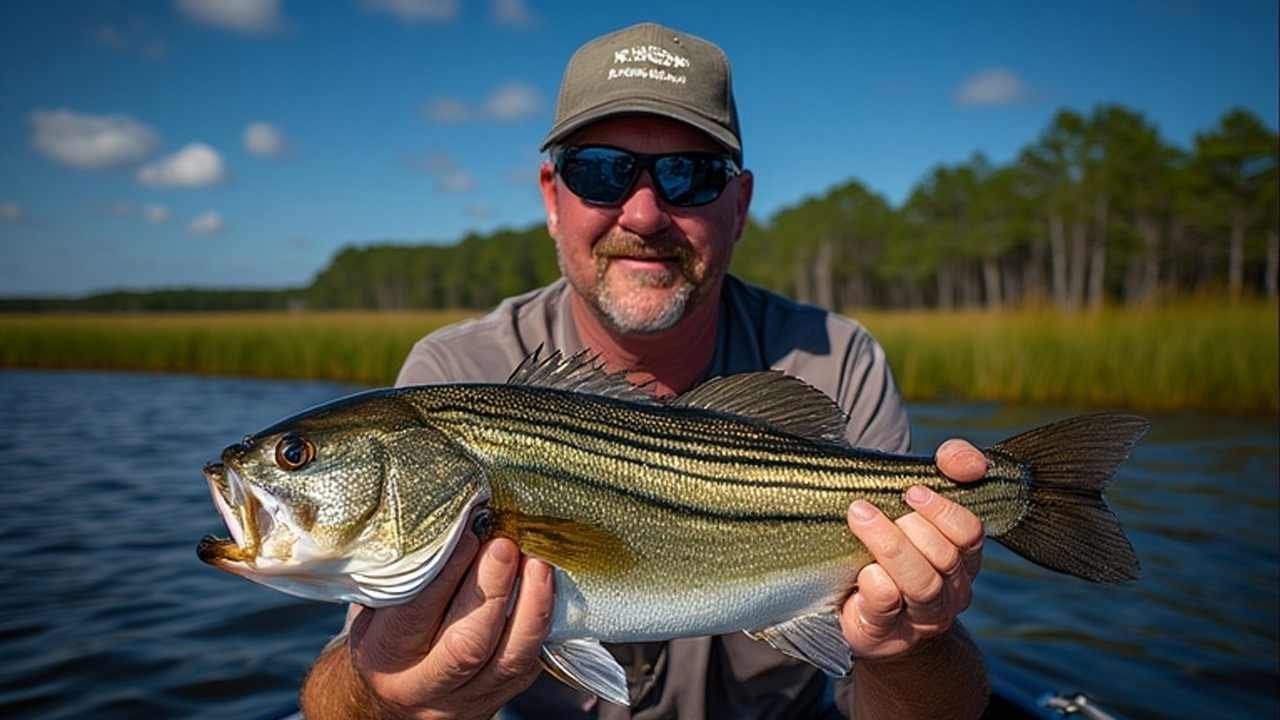
Striped bass fishing is legendary in South Carolina, especially on the Santee Cooper lakes (Marion and Moultrie). These powerful fish can exceed 40 pounds and provide an unforgettable fight.
- Season:October 1 – June 15 (Santee River system, including Lakes Marion & Moultrie)
- CLOSED June 16 – September 30
- Size Limit: Striped bass between 23-25 inches, plus one fish over 26 inches allowed
- Daily Bag Limit: 3 fish total (striped or hybrid bass combined)
- Prime Waters: Lake Marion, Lake Moultrie (Santee Cooper), Lake Murray, Lake Hartwell, Lake Thurmond
- Best Months: October-November (season opener), March-May (spring feeding)
The Santee Cooper lakes are world-renowned for their striped bass fishery. Trolling with live herring or casting large swimbaits near river channels and creek mouths produces excellent results. Remember: catch-and-release only during the summer closed season!
Crappie (Speckled Perch) 🐟
Crappie fishing is wildly popular in South Carolina, and for good reason—they’re delicious! These schooling fish offer fantastic action, especially during their spring spawn.
- Season: Open year-round
- Size Limit: 8 inches minimum
- Daily Bag Limit: 20 fish per person
- Prime Waters: Lake Murray, Santee Cooper lakes, Lake Wateree, Lake Greenwood
- Best Months: February-April (pre-spawn/spawn), October-December (fall aggregation)
During spring, crappie move shallow into brush piles, docks, and cypress trees. Jigs and live minnows under a bobber are deadly. In winter, fish deeper structure with vertical presentations.
Blue Catfish 🐡
Blue catfish can grow to massive sizes in South Carolina waters, with fish over 50 pounds caught regularly. They’re strong fighters and excellent table fare.
- Season: Open year-round
- Size Limit: Only 2 fish larger than 32 inches may be kept
- Daily Bag Limit: 25 fish per person
- Prime Waters: Santee Cooper lakes, Cooper River, Pee Dee River, Lake Wateree
- Best Months: May-September (warm water periods)
Cut bait, chicken liver, and live bream are top producers. Fish deep holes, river channels, and dam tailraces for best results.
Bream (Bluegill, Redear, Shellcracker) 🐠
Bream fishing is a family-friendly favorite and a great way to introduce kids to angling. These scrappy panfish are abundant and accessible.
- Season: Open year-round
- Size Limit: No minimum
- Daily Bag Limit: 30 bream per person (15 redbreast sunfish)
- Prime Waters: Nearly every pond, lake, and slow-moving river in the state
- Best Months: April-July (bedding season)
When bream are bedding in shallow water, you can sight-fish for them with crickets, worms, or small jigs. It’s simple, effective, and tons of fun.
Trout (Rainbow, Brown, Brook) 🌊
While South Carolina isn’t known for wild trout fisheries, the state stocks trout in several mountain lakes and streams, providing cold-water angling opportunities.
- Season: Check specific water body regulations; many have special delayed harvest or catch-and-release seasons
- Size Limit: Varies by water (check SCDNR trout regulations for details)
- Daily Bag Limit: Typically 7 trout per day (check specific waters)
- Prime Waters: Lake Jocassee, Chattooga River, Oconee State Park Lake, Pinnacle Lake (Table Rock State Park)
- Best Months: November-March (stocked periods and cooler water temps)
For updated trout stocking schedules, visit the SCDNR website. Many Upstate waters receive regular stockings during fall and winter months.
🦞 Saltwater Specialty Species
South Carolina’s coastal waters are rich with game fish that attract anglers from across the country. Let’s dive into some saltwater favorites.
Red Drum (Redfish) 🦐
Red drum are perhaps the most sought-after inshore species along the Carolina coast. They’re aggressive, plentiful, and gorgeous fish.
- Season: Open year-round (Closed to gigging Dec 1 – Feb 28)
- Size Limit: 15-23 inches (slot limit)
- Daily Bag Limit: 3 fish per person
- Prime Waters: Charleston Harbor, Murrells Inlet, ACE Basin marshes, Beaufort estuaries
- Best Months: April-June, September-November
Target oyster beds, marsh grass edges, and tidal creek mouths with cut mullet, live shrimp, or soft plastic lures. The Georgia fishing season guide also covers neighboring red drum opportunities if you want to expand your range.
Spotted Seatrout (Speckled Trout) 🐟
Speckled trout are a staple of South Carolina’s inshore fishery, offering year-round action with peak periods in spring and fall.
- Season: Open year-round
- Size Limit: 14-23 inches (slot limit), plus one fish over 23 inches allowed
- Daily Bag Limit: 10 fish per person
- Prime Waters: Intracoastal Waterway, coastal rivers, grass flats, oyster bars
- Best Months: March-May, September-November
Topwater plugs at dawn and dusk, soft plastics around structure, and live shrimp under popping corks all produce excellent results.
Southern Flounder 🐠
Flounder are highly prized for their mild, white flesh and challenging hunting style as ambush predators.
- Season: Best fishing May-October
- Size Limit: 16 inches minimum
- Daily Bag Limit: 5 fish per person, max 10 per boat
- Prime Waters: Inlet areas, tidal creeks, sandy bottoms near structure
- Best Months: May-July, September-October
Drift fishing with live mud minnows or finger mullet near creek mouths and drop-offs is the classic approach. Gigging at night during low tide is also popular and effective.
Cobia 🦈
Cobia are powerful, acrobatic fish that migrate along South Carolina’s coast each spring and fall.
- Season: May 1 – December 31 (CLOSED January 1 – April 30)
- Size Limit: Check current regulations (typically around 36 inches fork length)
- Daily Bag Limit: 1 fish per person, 2 per vessel
- Prime Waters: Nearshore waters, around buoys, rays, and wrecks
- Best Months: May-June (spring migration), September-October (fall migration)
Sight-casting to cruising cobia near the surface is thrilling. Live eels, bucktails, and large swimbaits work well.
🐠 Panfish & Everyday Catches
| Species | Size Limit | Daily Bag Limit | Notes |
|---|---|---|---|
| Bluegill, Shellcracker, Warmouth | None | 30 combined | Excellent table fare |
| Redbreast Sunfish | None | 15 | Popular in rivers and streams |
| Yellow Perch | None | 30 | Found in cooler reservoirs |
| Chain Pickerel | None | 30 | Aggressive predators |
| White Perch | None | No specific limit | Often caught while fishing for other species |
These species provide consistent action and are perfect for family outings or teaching beginners the basics of angling.
🦆 Stocked & Managed Waters
South Carolina’s Department of Natural Resources actively stocks trout in select mountain waters and manages several fisheries to enhance angling opportunities. The state maintains fish hatcheries that provide stockings to support recreational angling throughout the year.
Popular Stocked Trout Waters:
- Lake Jocassee (one of the most beautiful lakes in SC)
- Oconee State Park Lake
- Pinnacle Lake (Table Rock State Park)
- Pleasant Ridge County Park Lake (Greenville County)
- Burson’s Lake (Oconee County)
For the latest weekly trout stocking summary, visit the official SCDNR trout stocking page. You can also download the comprehensive South Carolina Trout Fishing Guide (PDF) for detailed maps and regulations.
Many public lakes managed by SCDNR have special regulations to protect and enhance fish populations—always check posted signs and the current regulations book before fishing.
🌍 Public vs Private Waters
Public Waters
South Carolina offers abundant public fishing access through:
- Major Reservoirs: Murray, Marion, Moultrie, Hartwell, Wateree, Wylie, and more
- State Parks: Many have fishing ponds and lake access
- Wildlife Management Areas (WMAs): Offer remote, less-pressured angling
- Public Boat Ramps: Hundreds of ramps statewide provide free or low-cost access
Public waters require a valid South Carolina fishing license (freshwater or saltwater, depending on location). Always verify you’re fishing legal public access points.
Private Waters
Private ponds, lakes, and fee-fishing operations exist throughout the state. Some offer trophy bass fishing, while others focus on family-friendly panfish. When fishing private waters:
- Always obtain landowner permission in writing
- Respect property boundaries and posted signs
- Follow any additional rules set by the landowner
- Consider tipping guides or paying access fees where applicable
Tips for Finding Fishing Spots
- Use the South Carolina DNR fishing maps to locate public waters
- Check county and municipal parks for smaller ponds and lakes
- Join local fishing clubs or online forums to learn insider spots
- Respect private property—trespassing is illegal and damages the angling community
For anglers looking to explore neighboring states, check out the Florida fishing season guide for opportunities just a few hours south.
🎟️ Fishing License Guide
All anglers 16 years and older must possess a valid South Carolina fishing license, unless fishing on designated free fishing days.
Resident Licenses (Must be a SC resident for 180+ days)
| License Type | Duration | Cost |
|---|---|---|
| Freshwater Fishing License | 14 days | $5.00 |
| Freshwater Fishing License | Annual | $10.00 |
| Freshwater Fishing License | 3-Year | $30.00 |
| Saltwater Fishing License | Annual | Varies (typically $10-35) |
| Combo Fishing License | Annual | Check SCDNR pricing |
| Senior Lifetime License (64+) | Lifetime | $9.00 (born after July 1, 1940) or FREE (born before July 1, 1940) |
Non-Resident Licenses
| License Type | Duration | Cost |
|---|---|---|
| Freshwater Fishing License | 14 days | $11.00 |
| Freshwater Fishing License | Annual | $35.00 |
| Freshwater Fishing License | 3-Year | $105.00 |
| Saltwater Fishing License | 1 day | $10.00 |
| Saltwater Fishing License | 7 days | Varies |
| Saltwater Fishing License | Annual | $35.00 |
Special Permits & Stamps
- Trout Stamp: Not currently required, but check specific managed waters
- Set Hook Permit: $5.00 (for set hook fishing)
- Eel Pot Tag: $5.00
- Gill Net Tag: Varies (commercial use)
Where to Purchase
- Online: Go Outdoors South Carolina (official SCDNR portal)
- In-Person: Sporting goods stores, bait shops, Walmart, and select retailers statewide
Free Fishing Days 🎉
South Carolina residents can fish in freshwater without a license on these dates:
- Memorial Day: May 25, 2026
- Independence Day: July 4, 2026
These free fishing days are perfect opportunities to introduce friends and family to angling without the upfront license cost. Daily bag limits and size restrictions still apply!
❓ Frequently Asked Questions (FAQ)
Do kids need a fishing license in South Carolina?
No. Anyone under 16 years old can fish without a license in South Carolina, whether they’re residents or visitors. It’s a great way to get young anglers hooked on the sport!
Can I use live bait in South Carolina?
Yes! Live bait is legal in most South Carolina waters, including worms, crickets, minnows, shrimp, and cut fish. However, chumming with corn is illegal in South Carolina. Additionally, some catch-and-release or delayed harvest trout waters may restrict bait types—always check water-specific regulations.
Are night fishing and bowfishing allowed?
Night fishing is permitted on most public waters unless specifically restricted. Bowfishing is legal for nongame fish species such as carp and gar, but NOT for game fish like bass, trout, or saltwater game species. Always verify local rules.
What waters are catch-and-release only?
Some trout streams and delayed harvest areas have seasonal catch-and-release regulations, typically from fall through spring. Check the South Carolina Trout Fishing Guide or eRegulations for specific waters and dates.
How do I report a trophy catch?
To report a potential state record fish, contact your nearest SCDNR regional office with photos, weight, length, and location details. Records are maintained for both freshwater and saltwater species.
How many fishing rods can I use at once?
From shore, anglers may use up to 4 rods and reels. When fishing from a boat, you may use an unlimited number of rods if all persons 16+ aboard have valid fishing licenses.
What should I do if I catch an endangered species?
If you accidentally catch a protected species (such as Atlantic sturgeon or certain sea turtles), handle them gently, keep them in the water as much as possible, and release them immediately. Report the encounter to SCDNR if required.
🔗 Related Guides & Resources
Want to explore fishing opportunities beyond South Carolina? Check out these helpful guides:
- North Carolina Fishing Season Guide – Discover neighboring waters and regulations
- Official SCDNR Regulations Book – Available online at SCDNR Regulations
- NOAA Fisheries Southeast Regulations – For federal saltwater rules, visit NOAA Southeast Regulations
🗺️ Map & Top Hotspots
South Carolina’s diverse geography offers something for every angler. Here are the must-visit fishing destinations:
Top 5 Freshwater Hotspots
- Lake Murray – Columbia area; renowned for striped bass, largemouth bass, and catfish
- Santee Cooper Lakes (Marion & Moultrie) – World-class striper fishing and catfish; legendary crappie action
- Lake Hartwell – Upstate border lake; excellent bass, crappie, and hybrid striped bass
- Lake Jocassee – Crystal-clear mountain lake; trophy brown trout and smallmouth bass
- Lake Wateree – Midlands reservoir; consistent bass, crappie, and catfish
Top 5 Saltwater Hotspots
- Charleston Harbor & Estuaries – Red drum, spotted seatrout, flounder, tarpon
- Murrells Inlet – Excellent inshore and nearshore fishing; diverse species
- Beaufort & ACE Basin – Pristine marshes teeming with redfish and trout
- Hilton Head Island – Inshore flats, offshore wrecks, seasonal tarpon and cobia
- Cherry Grove Pier (North Myrtle Beach) – Family-friendly pier fishing for king mackerel, Spanish mackerel, and more
For detailed maps and GPS coordinates, check out the South Carolina DNR interactive fishing map or pick up a printed map at your local tackle shop.
✅ Final Thoughts: Tight Lines in the Palmetto State
Fishing options in South Carolina are as varied as the scenery that characterizes this stunning state. There is definitely something for every fisherman, from the warm tidal flats of the Lowcountry to the chilly mountain streams of the Upstate. The experiences you make here will last a lifetime, whether you’re casting for bull red drum in the marsh, introducing your children to bream fishing at the neighborhood pond, or pursuing prize stripers on Santee Cooper.
Before you head out, make sure to:
- Purchase your fishing license through the official SCDNR portal
- Review current bag limits and size restrictions for your target species
- Check water levels and weather conditions for safety
- Respect the resource—practice catch-and-release when appropriate and follow all regulations
Above all, remember to include your loved ones in the trip. Catching fish is only one aspect of fishing; other aspects include developing relationships with the environment, making memories that will last a lifetime, and connecting with nature.