
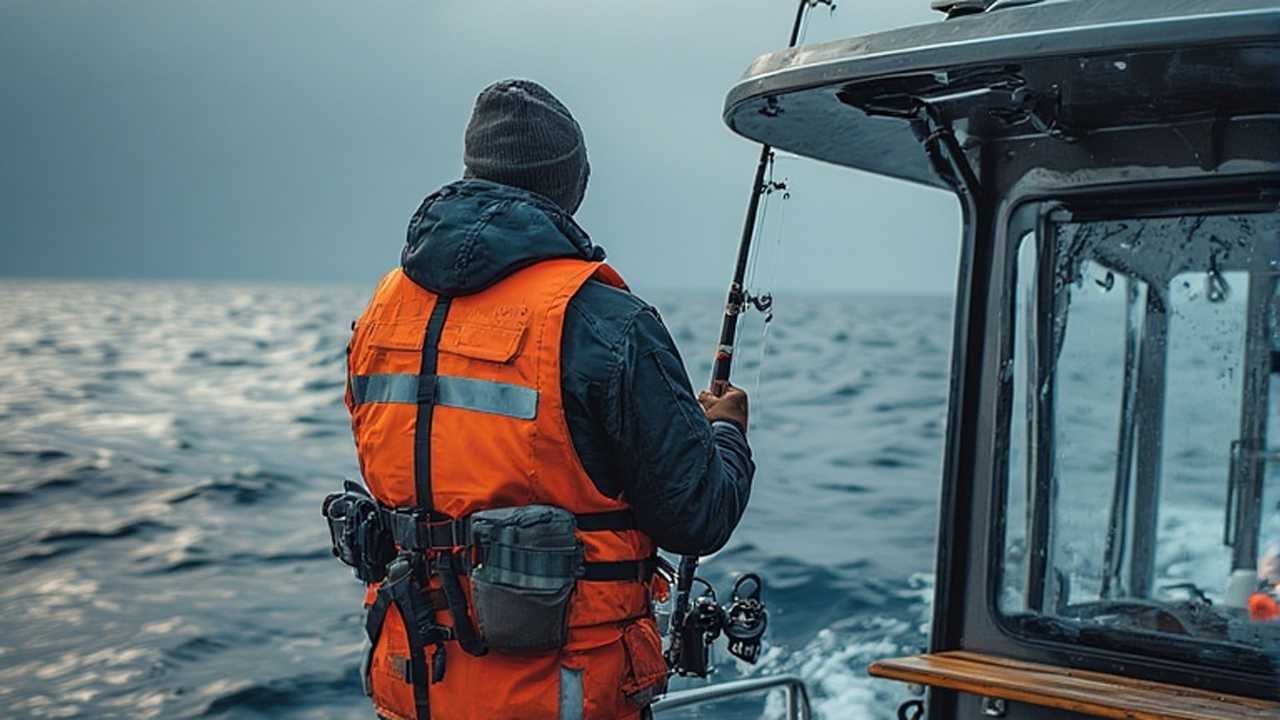
What Every Angler Must Know Before Their Next Fishing Trip
Every year, millions of anglers go to lakes, rivers, and beaches to engage in one of America’s most popular outdoor pastimes: fishing. However, the tranquility of fishing might occasionally conceal actual hazards that are present on the sea. To guarantee that their day on the water finishes with memories rather than emergencies, every angler, regardless of experience level, must put safety first. Everyone’s fishing experience may be made more pleasurable by knowing and following simple safety procedures, which can also avoid accidents and save lives.
The important safety precautions that every fisherman should follow are included in this thorough handbook. These essential guidelines serve as the cornerstone of ethical angling, from appropriate equipment preparation and weather awareness to emergency response protocols and regulatory compliance. These safety tips can help you and your fishing partners stay safe while increasing your chances of catching that big catch, whether you’re casting from shore, wading in a stream, or crossing open water in a boat.
Pre-Trip Planning and Preparation
Research Your Fishing Location
Before you even pack your tackle box, thorough research about your intended fishing spot is critical. Understanding the terrain, water conditions, and potential hazards helps you prepare appropriately.
Key Research Areas:
| Research Category | What to Check | Why It Matters |
|---|---|---|
| Water Depth & Current | Average depth, flow rate, tide schedules | Prevents wading accidents and boat navigation issues |
| Weather Patterns | Historical weather, seasonal changes | Allows proper gear selection and timing |
| Local Regulations | Licensing requirements, catch limits, restricted areas | Ensures legal compliance and conservation |
| Access Points | Boat ramps, parking, shore access | Facilitates safe entry and exit |
| Emergency Services | Nearest hospital, ranger stations, cell coverage | Critical for emergency response planning |
| Wildlife Hazards | Alligators, snakes, bears, aggressive species | Enables appropriate precautions |
Understanding your destination goes beyond simply knowing where fish congregate. Check recent fishing reports, contact local bait shops, and review online forums for current conditions. This information helps you anticipate challenges before they become problems.
Inform Others of Your Plans
Never head out fishing without telling someone your specific plans. This simple step has saved countless lives when anglers encounter unexpected difficulties.
Share These Details:
- Exact fishing location with coordinates if possible
- Expected departure and return times
- Number of people in your party
- Vehicle description and license plate
- Emergency contact numbers
- Planned route if fishing multiple spots
Consider using apps that share your real-time location with trusted contacts. If you’re fishing remote areas with limited cell service, establish check-in times and a clear protocol for what happens if you miss a check-in.
Weather Monitoring and Assessment
Weather conditions can change rapidly, especially near bodies of water. What starts as a calm morning can quickly become dangerous.
Weather Safety Checklist:
- Check forecasts from multiple reliable sources
- Monitor radar patterns for developing storms
- Understand lightning safety protocols
- Know wind speed limits for your boat
- Recognize signs of approaching weather changes
- Have a weather radio or smartphone alerts enabled
- Identify shelter locations before you need them
Lightning poses a particularly serious threat to anglers. If you hear thunder, you’re already within striking distance. The 30-30 rule applies: when you see lightning, count to 30. If thunder occurs before reaching 30, seek shelter immediately and wait 30 minutes after the last thunder before resuming fishing.
Personal Safety Equipment Requirements
Life Jackets and Flotation Devices
Life jackets, properly called Personal Flotation Devices (PFDs), are non-negotiable safety equipment. The U.S. Coast Guard requires appropriate PFDs for every person aboard any vessel.
PFD Selection Guide:
| PFD Type | Best For | Advantages | Limitations |
|---|---|---|---|
| Type I Offshore | Open water, rough conditions | Turns unconscious wearers face-up | Bulky, restricts movement |
| Type II Near-Shore | Calm inland waters | Good buoyancy, affordable | May not turn all wearers face-up |
| Type III Flotation Aid | Active water sports, fishing | Comfortable, good mobility | Requires swimming ability |
| Type V Special Use | Specific activities, inflatable styles | Comfortable when not inflated | Must be worn to meet requirements |
Ensure your PFD is Coast Guard-approved, properly sized, and in good condition. Check straps, buckles, and fabric for wear. Children require specifically sized youth PFDs—adult PFDs do not work safely on kids.
Many modern fishing PFDs incorporate tool pockets, rod holders, and breathable mesh for comfort during all-day wear. Don’t just have a PFD aboard—actually wear it, especially when water temperatures are cold, conditions are rough, or you’re fishing alone.
First Aid and Emergency Supplies
A comprehensive first aid kit tailored for fishing situations can address most common injuries before they escalate.
Essential First Aid Items:
- Waterproof bandages and gauze pads
- Antibiotic ointment
- Pain relievers (acetaminophen, ibuprofen)
- Tweezers for hook removal
- Irrigation syringe for wound cleaning
- Elastic bandages for sprains
- Burn gel for sun exposure
- Eye wash solution
- Emergency blanket
- Medical tape and scissors
- Prescription medications you require
- EpiPen if anyone has severe allergies
Keep your kit in a waterproof container and check expiration dates annually. Consider taking a wilderness first aid course to develop skills for handling medical situations in remote locations.
Communication Devices
Reliable communication equipment can be the difference between a minor inconvenience and a life-threatening emergency.
Communication Tool Options:
- Cell Phone in Waterproof Case: Primary communication method for most locations
- VHF Marine Radio: Essential for boat fishing, monitors emergency channels
- Personal Locator Beacon (PLB): Satellite-based emergency signal for remote areas
- Satellite Messenger: Two-way communication where cell service doesn’t exist
- Whistle: Simple signal device that works when electronics fail
- Signal Mirror: Daytime visual signaling for emergencies
Always carry backup power sources such as portable chargers or extra batteries. Test all communication devices before each trip and understand how to use them under stress.
Safe Boat Operation Practices
Pre-Launch Vessel Inspection
Every boat outing should begin with a thorough inspection of your vessel and equipment. Mechanical failures on the water create dangerous situations quickly.
Complete Boat Safety Checklist:
- Hull Integrity: Check for cracks, leaks, soft spots
- Bilge Pump: Verify operation and clear drain holes
- Engine: Test startup, check oil and fuel levels
- Steering: Confirm responsive control
- Navigation Lights: Test all running lights
- Horn/Sound Signal: Verify audible warning capability
- Anchor and Line: Inspect condition and secure attachment
- Paddles/Oars: Ensure backup propulsion available
- Fire Extinguisher: Check pressure gauge, accessibility
- Ventilation: Confirm blower operation for enclosed engines
- Fuel System: Inspect lines for cracks, connections for leaks
- Battery: Check charge level and connections
Create a laminated checklist and use it consistently. The few minutes spent on pre-launch inspection can prevent hours of problems or potential disasters.
Boat Loading and Weight Distribution
Improper loading causes instability, reduces performance, and can lead to capsizing. Understanding your boat’s capacity and proper weight distribution is fundamental.
Safe Loading Principles:
| Factor | Guidelines | Safety Impact |
|---|---|---|
| Capacity Plate | Never exceed listed maximums | Prevents overloading and instability |
| Weight Distribution | Balance port/starboard, fore/aft | Maintains proper trim and handling |
| Center of Gravity | Keep heavy items low and centered | Reduces capsizing risk |
| Passenger Positioning | Seat passengers evenly | Prevents listing and maintains control |
| Gear Securing | Tie down or stow all equipment | Prevents shifting during operation |
| Movement Underway | Limit standing and sudden moves | Maintains stability in motion |
Small boats are particularly sensitive to weight shifts. Brief passengers on staying seated, especially during rough water or sharp turns. When fishing from smaller craft, coordinate movements so weight shifts occur gradually.
Navigation Rules and Right-of-Way
Understanding navigation rules prevents collisions and ensures safe passage in shared waters. These rules apply regardless of boat size.
Basic Navigation Priority:
- Vessels not under command (disabled)
- Vessels restricted in ability to maneuver
- Vessels engaged in commercial fishing
- Sailing vessels under sail only
- Power-driven vessels (including fishing boats under power)
When two power vessels approach head-on, both should alter course to starboard (right). When crossing paths, the vessel on the right has right-of-way. The overtaking vessel must keep clear of the vessel being passed.
Maintain safe speeds appropriate for conditions, visibility, and traffic density. Posted no-wake zones exist for good reasons—observe them strictly. Always keep a proper lookout, using both sight and hearing to detect other vessels, swimmers, and obstacles.
Alcohol and Boating Laws
Operating a boat under the influence is illegal nationwide and extremely dangerous. Boating Under the Influence (BUI) laws carry serious penalties similar to driving under the influence.
The Effects of Alcohol on Water:
- Sun, wind, and wave motion intensify alcohol’s effects
- Impairment occurs faster on the water
- Judgment and reaction time decrease significantly
- Balance and coordination deteriorate
- Body temperature regulation becomes impaired
The legal blood alcohol limit for boat operators is 0.08% in all states, with some states having lower thresholds. Penalties include fines up to $5,000, imprisonment, loss of boating privileges, and potential liability for injuries or deaths caused.
Designate a sober operator before any outing. Save celebratory drinks for after you’re safely off the water and back at your vehicle or accommodations.
Water-Specific Hazards and Precautions
Wading Safety Techniques
Wade fishing provides access to productive waters but introduces specific risks. Swift currents, uneven bottoms, and slippery surfaces create hazardous conditions.
Safe Wading Practices:
- Use a wading staff for stability in current
- Wear felt-soled or studded boots for traction
- Shuffle feet rather than taking big steps
- Face upstream when wading in current
- Test depth before committing your weight
- Wear a wading belt to prevent chest wader flooding
- Know the water depth limits for your waders
- Wade with a partner when possible
- Avoid wading at night or in unfamiliar waters
If you lose your footing in current, don’t try to stand immediately in fast water. Float on your back with feet downstream until you reach calmer water or can safely reach shore. Fighting current exhausts you rapidly.
Hypothermia and Cold Water Dangers
Cold water kills quickly. Hypothermia can occur in water temperatures below 70°F, and the risk increases dramatically as temperatures drop.
Cold Water Immersion Timeline:
| Water Temperature | Exhaustion/Unconsciousness | Expected Survival Time |
|---|---|---|
| 32.5°F | Under 15 minutes | Under 15-45 minutes |
| 32.5-40°F | 15-30 minutes | 30-90 minutes |
| 40-50°F | 30-60 minutes | 1-3 hours |
| 50-60°F | 1-2 hours | 1-6 hours |
| 60-70°F | 2-7 hours | 2-40 hours |
If you fall into cold water, remember H.E.L.P. (Heat Escape Lessening Posture): draw your knees to your chest, press your arms to your sides, and keep your head out of water. This position protects core temperature. With multiple people, huddle together.
The initial cold shock response causes gasping and hyperventilation. Control your breathing and avoid panic. Many cold water drownings occur within the first minute due to this shock response, not hypothermia.
Sun Protection and Heat Management
Extended sun exposure while fishing causes sunburn, heat exhaustion, and potentially life-threatening heatstroke. Water reflects UV rays, intensifying exposure.
Sun and Heat Safety Measures:
- Apply broad-spectrum SPF 30+ sunscreen every two hours
- Wear UV-protective clothing with UPF ratings
- Use polarized sunglasses to protect eyes
- Wear wide-brimmed hats or fishing caps with neck protection
- Drink water regularly before feeling thirsty
- Take shade breaks during peak sun hours (10 AM – 4 PM)
- Recognize heat exhaustion symptoms: dizziness, nausea, excessive sweating
- Know heatstroke signs: confusion, hot dry skin, loss of consciousness
Dehydration occurs faster than most anglers realize. Bring more water than you think necessary—a gallon per person for full-day trips is not excessive. Avoid alcohol and excessive caffeine, which both increase dehydration.
Tackle and Equipment Safety
Hook Handling and Removal
Fish hooks cause thousands of injuries annually, from minor punctures to serious eye injuries requiring emergency surgery. Proper handling techniques minimize these risks.
Hook Safety Guidelines:
- Store hooks in closed containers, never loose in pockets
- Use barbless hooks when possible for easier removal
- Wear protective eyewear when casting
- Keep hooks away from your body when removing from fish
- Never attempt to catch falling rods or tackle
- Use pliers or forceps for hook removal from fish
- Know proper techniques for removing embedded hooks from people
- Keep tetanus vaccinations current
For deeply embedded hooks in human tissue, don’t attempt field removal. Cut the line, stabilize the hook, and seek medical attention. However, for superficial punctures where the barb hasn’t fully penetrated, the string-yank method performed correctly can be effective. Better yet, have medical professionals handle any hook embedded past the barb.
Line Management and Entanglement Prevention
Fishing line creates serious entanglement hazards for both people and wildlife. Proper management prevents accidents and environmental damage.
Line Safety Practices:
| Risk | Prevention Method | Why It Matters |
|---|---|---|
| Leg/Ankle Entanglement | Keep line organized, watch foot placement | Can cause falls overboard or restricted movement |
| Propeller Wrap | Clear lines before starting motor | Prevents mechanical failure and injury during clearing |
| Wildlife Hazards | Properly dispose of all line | Saves birds, fish, and marine mammals from injury |
| Casting Accidents | Check behind before casting | Prevents hooking people or objects |
| Rod Tip Damage | Secure rods when not actively fishing | Avoids broken tips that create flying line |
Never cut and discard fishing line in or near water. Monofilament takes 600 years to decompose and injures countless animals annually. Bring a line disposal container or take used line home for proper recycling.
Sharp Tool and Knife Safety
Fillet knives, pliers, and other fishing tools are extremely sharp by necessity. Respectful handling prevents serious cuts.
Sharp Tool Best Practices:
- Store knives in sheaths when not in use
- Cut away from your body and hands
- Use a stable cutting surface, never fillet on your lap
- Keep blades sharp—dull knives require more pressure and slip easier
- Clean and dry blades before storing to prevent rust
- Use cut-resistant gloves when cleaning fish
- Secure tools so they won’t slide around in the boat
- Never leave knives or hooks where someone might sit on them
A good essential survival kit includes proper tools for outdoor activities, but only when handled responsibly.
Environmental Awareness and Wildlife Safety
Identifying Dangerous Aquatic Species
Various fish and aquatic animals can inflict painful or dangerous injuries. Knowing what you might encounter and how to handle species safely protects you.
Common Hazardous Fish Species:
- Catfish: Sharp pectoral and dorsal spines containing mild toxin
- Stingrays: Venomous barb on tail, shuffle feet in shallow water to avoid
- Lionfish: Venomous spines, invasive species in Atlantic/Gulf waters
- Freshwater Stingrays: Present in southern waters, painful sting
- Pike/Musky: Extremely sharp teeth, use jaw spreaders
- Gar: Long teeth and hard scales, handle with care
Handle all unfamiliar species cautiously. Use appropriate tools like lip grips, landing nets, and jaw spreaders rather than bare hands. Research your target species before fishing to understand proper handling techniques.
Snake and Alligator Awareness
Many prime fishing areas are also habitat for snakes and alligators. Most encounters are harmless if you follow basic precautions.
Reptile Safety Protocols:
- Watch where you step, especially in tall grass or near logs
- Never put hands or feet where you can’t see
- Use a long stick to probe suspect areas before approaching
- Give snakes and alligators plenty of space—at least 15 feet
- Never attempt to handle or feed wildlife
- Keep fish and bait secured to avoid attracting alligators
- Be especially cautious during breeding seasons
- Stay away from nests and young animals
In alligator territory, avoid fishing at dawn, dusk, or night when they’re most active. Never clean fish near the water’s edge where you’re fishing, as this attracts predators. If an alligator approaches, move away from the water calmly but promptly.
Insect Protection and Disease Prevention
Mosquitoes, ticks, and other insects are more than nuisances—they transmit serious diseases including West Nile virus, Lyme disease, and various encephalitis strains.
Insect Defense Strategy:
- Apply EPA-registered insect repellent containing DEET, picaridin, or oil of lemon eucalyptol
- Wear light-colored, long-sleeved shirts and long pants when possible
- Treat clothing with permethrin spray before trips
- Avoid heavily wooded areas during peak mosquito hours (dawn/dusk)
- Check for ticks immediately after fishing and again before bed
- Learn proper tick removal techniques using fine-tipped tweezers
- Monitor for signs of tick-borne illness for several weeks after exposure
Tick checks should be thorough, examining all areas including scalp, behind ears, armpits, and groin. Ticks must generally be attached 36-48 hours to transmit Lyme disease, so prompt removal significantly reduces risk.
Legal Compliance and Ethical Practices
Licensing and Permit Requirements
Fishing without proper licenses and permits is illegal nationwide, with penalties ranging from fines to confiscation of equipment and vehicles.
License Compliance Checklist:
- Obtain valid fishing license for the state you’re fishing
- Understand resident vs. non-resident requirements
- Check if special stamps or endorsements are needed (salmon, trout, etc.)
- Know age requirements for youth and senior exemptions
- Carry physical or digital license while fishing
- Understand reciprocal agreements between neighboring states
- Renew licenses before expiration dates
- Display boat registration if required
License fees support conservation efforts, habitat restoration, and fisheries management programs. These programs directly improve fishing quality, making your license an investment in the sport.
Species Identification and Regulations
Misidentifying fish species can result in keeping illegal fish, violating size limits, or exceeding bag limits—all carrying significant penalties.
Regulation Compliance Requirements:
| Regulation Type | What You Must Know | Verification Method |
|---|---|---|
| Species Identification | Accurately identify your catch | Use fish ID guides, apps, or ask experienced anglers |
| Size Limits | Minimum and maximum legal lengths | Carry a measuring device, measure properly |
| Bag Limits | Daily and possession limits | Count accurately, include all fish in cooler/livewell |
| Seasonal Restrictions | Open and closed seasons | Check current regulations before each trip |
| Protected Species | Fish that must be released | Learn to identify before fishing |
| Special Regulations | Water-specific rules | Review waterbody-specific regulations |
Regulations vary by waterbody, species, and season. A fish legal on one lake may be prohibited on another just miles away. Always consult current regulations—they change annually and sometimes mid-season.
States like Florida, Texas, and California have particularly complex regulations due to diverse fisheries and species.
Catch and Release Best Practices
Even when keeping fish is legal, many anglers practice selective harvest and catch-and-release to preserve fisheries for future generations.
Proper Release Techniques for Fish Survival:
- Use appropriate tackle to land fish quickly, minimizing fight time
- Keep fish in water whenever possible during unhooking
- Wet hands before handling fish to protect their protective slime coating
- Support fish horizontally, never hanging vertically by jaw (except bass)
- Use barbless hooks or crimp barbs for faster, less damaging removal
- Cut line if hook is deeply embedded rather than causing internal damage
- Revive exhausted fish by moving them forward through water until they swim away strongly
- Release fish in calm water, not strong current
- Take quick photos with fish partially in water
- Avoid fishing in extreme temperatures when survival rates decline
Fish caught from deep water may suffer barotrauma (swim bladder expansion). In such cases, special venting or descending devices help fish survive release. Research proper techniques for deep-water species in your area.
Emergency Response Procedures
Recognizing Medical Emergencies
Quick recognition and response to medical emergencies significantly improves outcomes. Know the warning signs of common fishing-related medical issues.
Critical Symptoms Requiring Immediate Action:
- Heart Attack: Chest pain, shortness of breath, nausea, cold sweat
- Stroke: Face drooping, arm weakness, speech difficulty (F.A.S.T.)
- Severe Bleeding: Blood spurting or flowing that won’t stop with pressure
- Anaphylaxis: Difficulty breathing, swelling, rapid pulse after insect sting
- Spinal Injury: Neck/back pain, numbness, paralysis after fall
- Heatstroke: High body temperature, confusion, loss of consciousness
- Hypothermia: Shivering, confusion, drowsiness, slurred speech
- Near Drowning: Coughing, difficulty breathing, altered consciousness
For any serious medical emergency, call 911 immediately. Provide precise location information, including GPS coordinates if available. Begin appropriate first aid while waiting for professional help.
Man Overboard Recovery
Retrieving someone from the water quickly and safely requires a practiced procedure. Panic and disorganization during man overboard situations often compounds the emergency.
Man Overboard Response Steps:
- Immediate Actions: Shout “Man overboard!” and throw a flotation device
- Maintain Visual Contact: Assign someone to point at the person continuously
- Stop the Boat: Shift to neutral immediately
- Begin Recovery Approach: Circle back keeping person on the boat’s port side
- Make Contact: Approach slowly from downwind/downcurrent
- Assist Re-entry: Use ladder, rope, or PFD to help person aboard
- Assess Condition: Check for injuries, hypothermia, and panic
- Provide Care: Warm the person, monitor vital signs, seek medical attention if needed
Practice man overboard drills with your regular fishing partners. Knowing the procedure intellectually is vastly different from executing it under stress when someone’s life depends on your actions.
Signaling for Help
When emergencies exceed your ability to handle them independently, effective signaling brings rescue resources to your location.
Emergency Signaling Methods:
| Signal Type | Description | Best Used When |
|---|---|---|
| VHF Radio Mayday | Channel 16, repeat “Mayday” three times | Life-threatening emergency, immediate danger |
| Visual Distress Signals | Flares, orange flag, mirror | Daytime rescue efforts, attracting attention |
| Sound Signals | Air horn, whistle – three blasts repeated | Fog, limited visibility, signaling position |
| Electronic Beacon | PLB, EPIRB activation | Life-threatening situation, serious emergency |
| Cell Phone | 911 call with GPS location | When within cell coverage area |
| Social Media/Text | Last resort communication | Minimal cell service, establishing location |
Understand the difference between urgency (Pan-Pan) and distress (Mayday) communications. Reserve Mayday for life-threatening situations. Carry Coast Guard-approved visual distress signals if boating in coastal or large inland waters where required.
Learning proper signaling techniques can make the difference between a quick rescue and a prolonged emergency.
Seasonal Safety Considerations
Ice Fishing Safety
Ice fishing presents unique hazards that require specialized knowledge and equipment. Ice conditions vary dramatically based on temperature, snow cover, water movement, and ice composition.
Ice Thickness Safety Standards:
- 2 inches: Stay off
- 4 inches: Safe for ice fishing on foot
- 5-7 inches: Safe for snowmobiles/ATVs
- 8-12 inches: Safe for cars and small trucks
- 12-15 inches: Safe for medium trucks
Critical Ice Fishing Safety Gear:
- Ice picks worn around neck for self-rescue
- Rope for throwing to someone who’s fallen through
- Life jacket or float suit
- Ice chisel or spud bar to test thickness
- Waterproof matches and fire starting materials
- Extra dry clothing in waterproof container
- Cell phone in waterproof case
Never assume ice is safe based on appearance alone. Test thickness regularly as you move, especially near shore, pressure ridges, and areas with vegetation or current. Fish with a buddy and maintain visual contact. If someone breaks through, don’t rush onto weak ice—extend a rope, board, or ladder from a safe distance.
Storm Season Precautions
Hurricane season, severe thunderstorms, and other weather events require heightened awareness and preparation. Monitor conditions continuously when storms are forecasted.
Pre-Storm Preparation:
- Cancel or postpone trips when severe weather is predicted
- Secure boats and equipment in advance
- Know evacuation routes from fishing areas
- Download offline maps in case cell service fails
- Create emergency supply cache in vehicle
- Identify sturdy shelter options at fishing location
During unexpected storms, prioritize personal safety over equipment. Abandon gear if necessary to reach safe shelter. Never try to ride out severe weather on the water or in exposed locations.
Night Fishing Special Precautions
Fishing after dark adds significant challenges and risks. Reduced visibility increases accident potential and complicates navigation.
Night Fishing Safety Additions:
- Bring multiple light sources with backup batteries
- Use headlamps for hands-free lighting
- Mark obstacles and hazards with reflective tape
- Wear reflective clothing or PFD with reflective strips
- Navigate slowly and deliberately
- Display proper navigation lights on boats
- Be extra cautious with hooks and lures
- Fish familiar locations, avoid new spots
- Increase buddy system vigilance
- Plan for emergency scenarios in darkness
Night fishing requires skills and familiarity that develop over time. Gain experience during daytime before attempting nighttime sessions in challenging locations.
Safe Fish Handling and Consumption
Proper Fish Processing Safety
Cleaning fish involves sharp tools, slippery surfaces, and potential bacterial contamination. Following safe processing procedures prevents injuries and foodborne illness.
Fish Cleaning Safety Protocol:
- Use sharp fillet knives in good condition
- Work on stable, non-slip surface at comfortable height
- Cut away from your body and hands
- Wear cut-resistant glove on non-knife hand
- Keep first aid kit accessible
- Clean and sanitize all surfaces and tools immediately after use
- Dispose of fish waste properly to avoid attracting scavengers
- Wash hands thoroughly with soap and water
- Refrigerate cleaned fish immediately
Never clean fish inside your tent or camping area, as the odor attracts bears and other wildlife. Dispose of remains far from your campsite or at designated fish cleaning stations.
Food Safety and Mercury Awareness
Fish provide excellent nutrition but require proper handling to prevent spoilage and foodborne pathogens. Additionally, some species contain mercury and other contaminants requiring consumption limits.
Keeping Fish Fresh:
| Time After Catch | Storage Method | Maximum Hold Time |
|---|---|---|
| 0-2 hours | On ice in cooler | 2 hours at temperatures above 90°F |
| 2-6 hours | On ice, well-drained | 6 hours at moderate temperatures |
| 6-24 hours | Iced and refrigerated | 1 day before cleaning |
| After cleaning | Refrigerated (32-38°F) | 2 days |
| After cleaning | Frozen (0°F or below) | 6 months for fatty fish, 8 months for lean fish |
High Mercury Fish to Limit:
- King mackerel
- Shark
- Swordfish
- Tilefish
- Bigeye tuna
- Marlin
- Orange roughy
Pregnant women, nursing mothers, and young children should avoid high-mercury fish entirely. Check state-specific fish consumption advisories for waters you fish, as industrial pollution creates localized contamination in some areas.
Teaching Fishing Safety to Children
Age-Appropriate Safety Education
Introducing children to fishing creates lifelong memories and instills conservation values. However, young anglers require constant supervision and age-appropriate safety instruction.
Youth Fishing Safety by Age Group:
Ages 3-6:
- Constant adult supervision required
- Focus on staying seated and still
- Teach not to touch hooks or put anything in mouth
- Use closed-face reels to prevent tangles
- Practice casting motions without hooks first
Ages 7-10:
- Direct supervision still essential
- Teach basic hook safety and awareness
- Introduce proper PFD use and water respect
- Begin teaching species identification
- Practice responsible catch and release
Ages 11-14:
- Transitioning to general supervision
- Develop independent fishing skills
- Learn regulations and ethical practices
- Practice boat safety and navigation basics
- Begin understanding weather awareness
Ages 15+:
- Capable of fishing with minimal supervision in safe conditions
- Should demonstrate full understanding of safety protocols
- Can assist with supervising younger anglers
- Developing judgment for risk assessment
Never leave young children unattended near water, even momentarily. Drowning occurs silently and rapidly—constant vigilance is essential.
Youth Equipment Selection
Children need appropriately sized, age-suitable equipment to fish safely and successfully. Adult gear is too large, heavy, and difficult for young anglers to control.
Youth-Appropriate Gear:
- Rods: 4-5 feet long, light action, not expensive graphite that breaks easily
- Reels: Spincast or simple spinning reels that don’t backlash
- Line: Light test that’s easy to manage, highly visible color
- Hooks: Larger sizes that are easier to see and handle (#6-#10)
- Tackle Box: Small, simple organization without excessive compartments
- PFD: Properly fitted youth size that meets Coast Guard standards
- Sun Protection: Child-safe sunscreen, hats, UV protective shirts
Consider starting children with barbless hooks or filing down barbs for safety. The slight decrease in hookup percentage is worth the increased safety and easier releases.
Similar to having the right outdoor gear, appropriate fishing equipment ensures youth safety and enjoyment.
Transportation and Vehicle Safety
Boat Trailering Safety
Transporting your boat safely to and from the water protects both your equipment and other motorists. Improper trailering causes accidents and equipment damage.
Trailer Safety Checklist:
- Ensure trailer is rated for your boat’s weight plus gear
- Check tire pressure, tread, and lug nuts before each trip
- Verify all lights function (brake, turn, running)
- Secure boat with transom straps and bow strap or winch
- Remove or secure all loose items that could blow out
- Attach safety chains properly crossed under tongue
- Check hitch ball size matches coupler
- Lock coupler and insert safety pin
- Test brakes if equipped
- Distribute weight properly (60% forward of axle)
Before leaving the ramp, double-check that your drain plug is secured. More boats sink at the ramp from forgotten plugs than from any other cause.
Gear Loading and Organization
How you pack your vehicle affects safety during transport and accessibility at your destination. Proper organization prevents injuries and lost equipment.
Vehicle Loading Best Practices:
- Place heaviest items low and forward in cargo area
- Secure all items so they won’t shift during sudden stops
- Keep sharp objects in protective cases
- Store emergency kit and first aid accessible
- Pack items in order of use (last in what you need first)
- Use storage containers to organize small items
- Never exceed vehicle’s payload capacity
- Keep coolers level to prevent ice water spillage
Unsecured cargo becomes dangerous projectiles during accidents. A 10-pound tackle box becomes a 200-pound force at just 20 mph impact. Secure everything, every trip.
Building Your Safety-First Fishing Mindset
Risk Assessment Skills
Developing strong risk assessment abilities helps you make sound decisions in dynamic fishing environments. This skill improves with experience and intentional practice.
Risk Evaluation Framework:
| Factor | Low Risk | Moderate Risk | High Risk |
|---|---|---|---|
| Weather | Clear, calm, good forecast | Variable conditions, some wind | Storms, high winds, rapid changes |
| Water Conditions | Calm, clear, familiar | Some current, moderate waves | Strong current, large waves, flooding |
| Experience Level | Skilled in these conditions | Some experience, manageable challenge | Limited experience, beyond skill level |
| Equipment Condition | Well-maintained, appropriate | Adequate, minor concerns | Poor condition, missing key items |
| Physical Condition | Rested, healthy, capable | Somewhat tired, minor issues | Exhausted, ill, impaired |
| Remoteness | Easy access, good communication | Moderate distance, some services | Very remote, limited rescue access |
Honestly assess each factor before committing to fishing plans. High-risk combinations require additional precautions or trip postponement. There’s no shame in canceling or cutting short a trip when conditions deteriorate—that’s good judgment, not weakness.
Continuous Learning and Skill Development
Safety knowledge and skills degrade without regular reinforcement and updates. Commit to ongoing education throughout your fishing career.
Continuing Education Opportunities:
- Take boater safety courses and refresh every few years
- Practice CPR and first aid regularly
- Learn from experienced anglers in your target fisheries
- Read accident reports to understand what went wrong and why
- Participate in fishing forums and educational content
- Attend sport shows and safety seminars
- Practice emergency procedures with fishing partners
- Stay current on regulation changes and conservation issues
Just as essential hunting safety requires ongoing education, fishing safety skills need regular reinforcement.
Pre-Trip Safety Briefings
Before each outing, conduct a brief safety discussion with all participants. This ensures everyone understands procedures and expectations.
Briefing Topics to Cover:
- Location of safety equipment (PFDs, first aid, communication devices)
- Emergency procedures and signals
- Each person’s responsibilities
- Weather forecast and watch procedures
- Expected return time and check-in procedures
- Specific hazards at the location
- Regulations and catch limits
- Any special health concerns of participants
Even with regular fishing partners, never skip this briefing. Conditions change, equipment locations vary, and the simple act of discussing safety primes everyone to think about it throughout the trip.
Frequently Asked Questions
What safety gear is absolutely essential for fishing?
Every fisherman requires at least a Coast Guard-approved life jacket that fits correctly, a first aid kit, sunscreen, a hat, sunglasses, terrain-appropriate footwear, a communication device (at least a mobile phone in a waterproof case), and an emergency whistle. The addition of a fire extinguisher, a sound signaling device, navigation lights, and a paddle or supplementary propulsion system is mandatory for boat fishermen. Make sure your gear list is tailored to your particular fishing circumstances and area.
How do you safely remove a fish hook from a person?
The string-yank technique can be used for superficial punctures when the barb hasn’t entirely buried. It involves applying pressure to the hook eye, wrapping a strong thread around the hook bend, and yanking parallel to the skin’s surface. Don’t try to remove any hooks that are firmly entrenched, close to joints or eyes, or where you’re unsure. Cut the line, secure the hook, wrap it in clean gauze, and bring it to the medical facility. If you are not trained in this method, never drive hooks through.
What should I do if my boat capsizes?
Remain with the boat; it will keep you afloat even if it capsizes, and rescuers will find it more easily than a person in the water. Make sure every passenger has a PFD on and is accounted for. If at all feasible, try to climb atop the hull to increase visibility and minimize heat loss. Use a whistle, mirror, or communication device to signal for assistance. You may swim to shore while pushing or dragging the boat if you are drifting toward hazards and the beach is nearby in calm water, but this choice necessitates careful consideration of circumstances and distances.
Are there times when fishing should be avoided for safety reasons?
Yes. avoid fishing when there are severe weather warnings, such as thunderstorms, strong winds that are higher than your equipment and ability level, extremely cold or hot weather, or when you are physically unwell, tired, or under the influence of drugs. Additionally, avoid fishing at night in unfamiliar places, during flash flood warnings near rivers, when ice conditions are uncertain, or while traveling alone to isolated areas without the necessary communication gear.
How far offshore can I safely fish in a small boat?
The size and kind of boat, the weather, your degree of expertise, and the equipment all play a role in this. Generally speaking, until you’ve accumulated a lot of expertise, keep within sight of the coast. Generally speaking, small boats under sixteen feet should remain in protected waters. In favorable conditions, boats 16 to 20 feet may navigate near-coastal waters. The wide ocean should only be visited by larger, well-equipped vessels with skilled operators. Always stay within your comfort zone, submit a float plan, carry safety gear, and check marine predictions.
What are the signs of someone drowning?
The spectacular splashing that is shown in movies is not what drowning looks like. Often, actual drowning is silent. Keep an eye out for the following: a vertical body in the water with the head leaned back and the mouth at water level; an effort to roll onto their back without moving forward; glassy, vacant, or closed eyes; an inability to shout for assistance; and an arm-climbing action. Throw a flotation device and seek for assistance right away if you think someone is drowning.
Do I need different safety equipment for saltwater versus freshwater fishing?
The basic safety gear is the same, but saltwater complicates things. VHF marine radio (more important than in freshwater), stronger navigational aids, more visual distress signals, consideration for larger seas and farther offshore, protection from more intense sun exposure, knowledge of tides and currents, and awareness of specific saltwater hazards (such as Portuguese man-of-war, sharks, and sea urchins) are all necessities for saltwater anglers. Because of the corrosive salt exposure, saltwater also necessitates greater equipment maintenance.
How can I tell if someone is experiencing hypothermia?
There are phases in the progression of hypothermia. Shivering, disorientation, clumsy hands, memory loss, and slurred speech are all signs of mild hypothermia. Shivering violently, having trouble using your hands, tripping, feeling sleepy, and acting strangely are all signs of moderate hypothermia. No shivering, bluish skin, dilated pupils, a markedly slowed pulse and respiration, and unconsciousness are all signs of severe hypothermia. Any suspected hypothermia has to be warmed up and treated very away. Take off any damp clothes, offer dry layers, supply warm drinks if you’re feeling stressed, and use outside heat sources.