
Texas Fishing Season and Limits for 2026–2027 by Month – Species, Licenses & Hotspots
There’s something wonderfully optimistic about a rod in the truck and a cooler in the back seat. In Texas, that feeling can turn into a year-round habit, because most angling opportunities stay open across the calendar. What changes is the pattern: bass light up in spring, stocked trout become a winter favorite, coastal redfish and speckled trout keep things interesting near the bays, and flounder come with a very important seasonal closure to remember. For the 2026-2027 license year, the key dates run from September 1, 2026, through August 31, 2027, and anglers in public water need the right freshwater or saltwater endorsement.
If you’re a resident, a weekend visitor, or somebody who’s still learning what “creel limits” even means, don’t worry—you’re not behind. This guide breaks down the species people actually chase, the basic bag limits beginners should know, where public lakes and coastal waters shine, and how licensing works without making it feel like homework.
📅 Quick Reference Table by Month
Texas doesn’t run like some northern states with tight statewide openers for every species. Most waters are fishable all year, so your “season” is really about prime timing, local exceptions, and bag limits.
| Month | Major species to target | Open/close dates | Daily bag limit | Special regulations |
|---|---|---|---|---|
| Sep-Oct | Largemouth bass, catfish, crappie, red drum, spotted seatrout | Generally open year-round | Bass: 5 combined black bass; crappie: 25; red drum: 3; spotted seatrout: 3 | Check local bass exceptions; coastal slot limits apply |
| Nov | Flounder, red drum, trout, bass | Flounder closure begins Nov. 1 | Flounder: 0 during closure | Flounder fishery closed Nov. 1-Dec. 14 |
| Dec-Feb | Stocked rainbow trout, bass, catfish, coastal drum | Trout stockings typically posted mid-November and run through winter | Rainbow trout: 5 | Guadalupe River has special trout sections |
| Mar-Apr | Bass spawn, crappie spawn, white bass runs, Lake Whitney stripers | Open year-round | Bass: 5 combined; crappie: 25; white bass: 25; walleye: 5 | Best spring bite in many reservoirs |
| May-Jun | Catfish, bass, white bass, coastal trout/redfish | Open year-round | Catfish vary by species/location; red drum: 3; seatrout: 3 | Watch heat, boat traffic, and local water conditions |
| Jul-Aug | Catfish, bass at dawn/dusk, bay trout, redfish | Open year-round | Same statewide limits unless local exceptions apply | Summer patterns shift deeper or lower-light |
Statewide freshwater and saltwater limits apply through Aug. 31, 2027, with flounder closed Nov. 1-Dec. 14; trout stockings are posted each winter season. For an official rules check before you head out, the Texas Outdoor Annual fishing regulations is the best bookmark to keep on your phone.
🐟 Popular Sport Fish
Largemouth bass
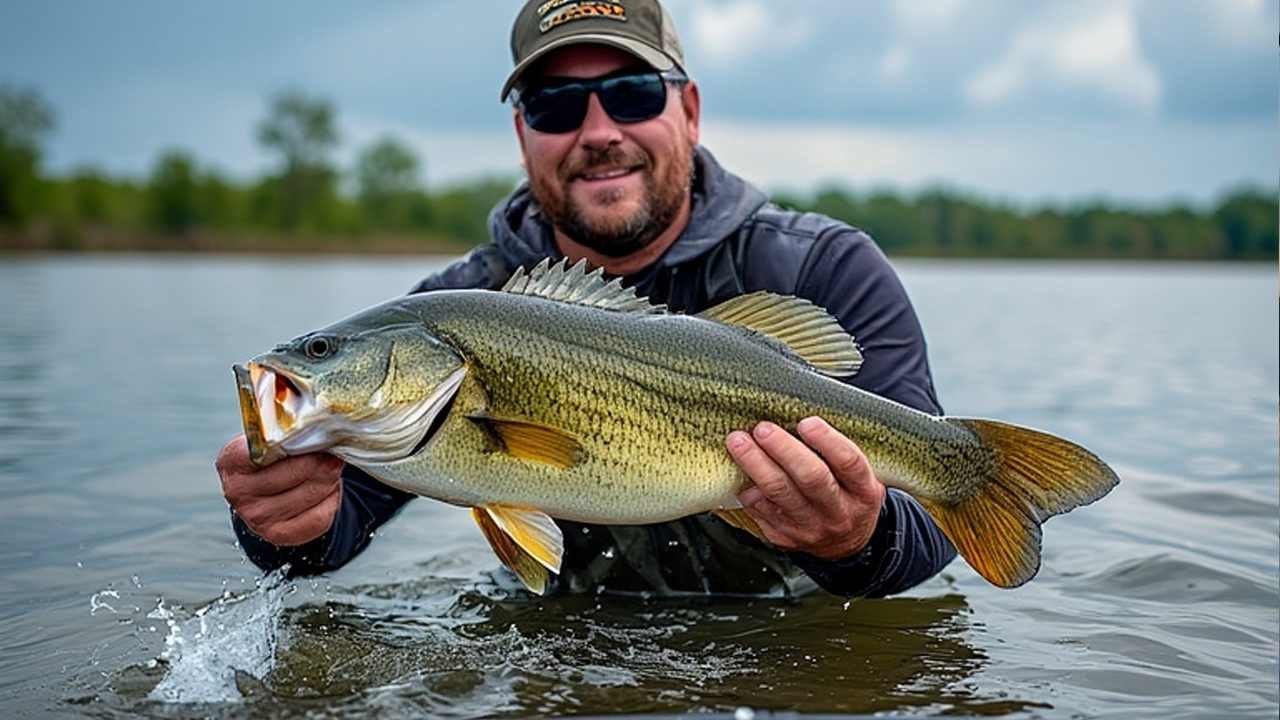
If you ask a lot of local anglers what got them hooked, bass is usually the answer. Statewide, largemouth, smallmouth, Alabama, Guadalupe, and spotted bass fall under a combined daily bag of 5 fish. For largemouth bass, the general statewide minimum is 14 inches, though several famous lakes have special slot limits. Lake Fork, for example, is practically a legend—it’s one of the country’s premier trophy bass waters, and TPWD notes that more than 65% of the Texas Top 50 largest bass came from there.
Crappie
Crappie are one of those “fun now, fish fry later” species that keep families coming back. Statewide, white and black crappie have a 25-fish daily bag in any combination with a 10-inch minimum length. Sam Rayburn is a standout if you want a reservoir with strong year-round crappie action, especially around deeper cover outside the spawn.
Catfish
Channel, blue, and flathead catfish are everyday heroes in Texas freshwater. They’re accessible, beginner-friendly, and show up in plenty of public lakes. Sam Rayburn and Lake Whitney both offer strong catfish opportunities, with Whitney also standing out for trophy blue cats. On a hot evening, a simple cut-bait setup can turn a quiet shoreline into a pretty memorable night.
Trout
Rainbow trout in Texas are mostly a cool-season story, built around stocking rather than a classic mountain-stream season. Statewide, rainbow and brown trout have a daily bag of 5 in any combination with no minimum length, but some trout waters on the Guadalupe River have special harvest rules, including slot limits and artificial-lure-only sections. TPWD stocks rainbow trout in about 100 locations each winter, and the season’s stocking schedule usually appears in mid-November.
Walleye
Walleye aren’t the first fish most people associate with the Lone Star State, but they do exist in selected waters. Statewide, the daily bag is 5, and only 2 can be under 16 inches. If you’re writing a bucket list for variety rather than just fame, they’re worth noting—even if bass still hog most of the spotlight.
🦞 Specialty Species
Texas really starts to show off when you get into specialty species. Red drum are a coastal favorite, with a daily bag of 3 fish and a 20-28 inch slot. During the license year, anglers may keep oversized red drum only when using the proper tag rules noted by TPWD. Spotted seatrout now sit at 3 fish daily with a 15-20 inch slot, plus tagged exceptions for oversized fish. That means coastal anglers absolutely need to watch size and possession rules instead of assuming “close enough” counts.
Flounder deserve their own warning label. They’re open much of the year with a 5-fish daily bag and 15-inch minimum, but the fishery closes from November 1 through December 14, when the bag limit drops to zero. If you only remember one seasonal closure from this guide, make it that one.
Paddlefish are another notable regulated species on the freshwater side: no harvest is allowed statewide. So if you accidentally hook one, admire it briefly, then let it get back to its mysterious ancient-fish business.
🐠 Panfish & Everyday Catches
For easy action, panfish are hard to beat. They’re perfect for kids, casual bank anglers, and anybody who wants bent rods without overthinking lure color for 45 minutes.
| Species | Statewide daily bag | Length rule | Notes |
|---|---|---|---|
| Crappie (white/black) | 25 combined | 10-inch minimum | Popular in reservoirs, bridges, timber |
| Bluegill / sunfish | No limit | None | Great in small public lakes and family spots |
| White bass | 25 | 10-inch minimum | Strong spring runs in some waters |
| Yellow bass | No limit | None | Often mixed into reservoir action |
Statewide possession limits are generally double the daily bag in freshwater unless a special rule says otherwise.
🦆 Stocked & Managed Waters
Texas stocks roughly 40 million fish in public lakes, ponds, and saltwater bays each year, and that management work matters more than many beginners realize. Winter rainbow trout stockings are the flashy headline, but Neighborhood Fishin’ lakes and hatchery programs help create easier entry points for families and first-time anglers too. The Guadalupe River tailrace remains the best-known trout destination, while urban ponds can be surprisingly productive when stockings line up. For the official schedule and locations, check the TPWD stocking reports and trout schedule.
🌍 Public vs Private Waters
This part trips people up all the time. In public waters, you need the proper license and endorsements. In private waters, you generally do not need a fishing license—but the pond has to be truly private and self-contained, not simply a dammed public stream. If you transport fish away from private water, TPWD says you should carry documentation showing where they were caught. Also worth knowing: visitors can fish license-free inside Texas State Park boundaries, which is a fantastic loophole in the best possible way for families testing the hobby.
🎟️ Fishing License Guide
For the 2026-2027 license year, residents and non-residents both need licenses to fish public water unless they qualify for an exemption. People under 17 are exempt. Resident packages include freshwater, saltwater, and all-water options; seniors get lower-priced versions; non-residents can buy similar packages at higher rates. TPWD also offers a one-day all-water license, which is honestly one of the nicest options for road-trippers or beginners who just want to try a single outing before committing.
Here’s the quick breakdown:
- Resident freshwater package: $30
- Resident saltwater package: $35
- Resident all-water package: $40
- Resident year-from-purchase all-water package: $47
- Senior resident freshwater: $12
- Senior resident saltwater: $17
- Senior resident all-water: $22
- Non-resident freshwater: $58
- Non-resident saltwater: $63
- Non-resident all-water: $68
- One-day all-water: $11 resident / $16 non-resident Texas license packages
Saltwater and freshwater privileges are built into the relevant package, and some saltwater species use tag rules for oversized retention. If you’re comparing nearby-state trip ideas, this Florida fishing season guide is a handy internal reference for Gulf Coast planning.
🗺️ Map & Hotspots
If you want the practical side of planning—not just rules—use the TPWD Lake Finder and public access tools. It links anglers to Lake Finder, community lakes, river access, coastal information, contour maps, and habitat structure tools.
My short list of must-visit spots for 2026-2027 would be:
- Lake Fork – trophy largemouth bass water, plain and simple.
- Sam Rayburn Reservoir – excellent all-around choice for bass, crappie, and catfish.
- Lake Whitney – standout for striped bass, especially from March through May.
- Guadalupe River tailrace – the winter trout favorite, especially when stockings begin.
- Rockport / Redfish Bay area – strong coastal action for trout, redfish, drum, and in open periods, flounder.
❓FAQ
Do I need a fishing license in Texas for catch and release?
Yes. If you’re fishing public water, a license is still required even if you release every fish.
Can I fish in a Texas state park without a license?
Yes. Visitors may fish without a license within Texas State Park boundaries; park entry fees still apply.
What is the bag limit for redfish in Texas?
The daily bag limit for red drum is 3 fish, with a 20-28 inch slot, plus tag rules for oversized fish.
Is there a flounder season closure in Texas?
Yes. The flounder fishery is closed from November 1 through December 14.
When does trout stocking start in Texas?
TPWD says winter rainbow trout stocking dates and locations are typically posted in mid-November each year.
Where can I find public lakes and maps in Texas?
The official starting point is TPWD’s Where to Fish section, which links to Lake Finder, access points, reports, and contour maps.
✅ Wrap-Up
If I had to sum it up, this is a pretty friendly place to be an angler. You can chase bass in giant reservoirs, slip into stocked trout waters in winter, head for public lakes with the kids, or point the truck toward the coast when the saltwater bite looks good. Just make sure you grab the right license, double-check bag limits, and pay extra attention to closures and slot rules before launching or stepping onto the bank. A little prep saves a lot of regret later.
So yes—bring family, bring snacks, check water levels, and don’t forget the pliers you swore were “definitely in the tackle box.” The fish may or may not cooperate, but in Texas, there’s almost always another lake, another shoreline, and another sunrise worth casting into. 🐟🎣