
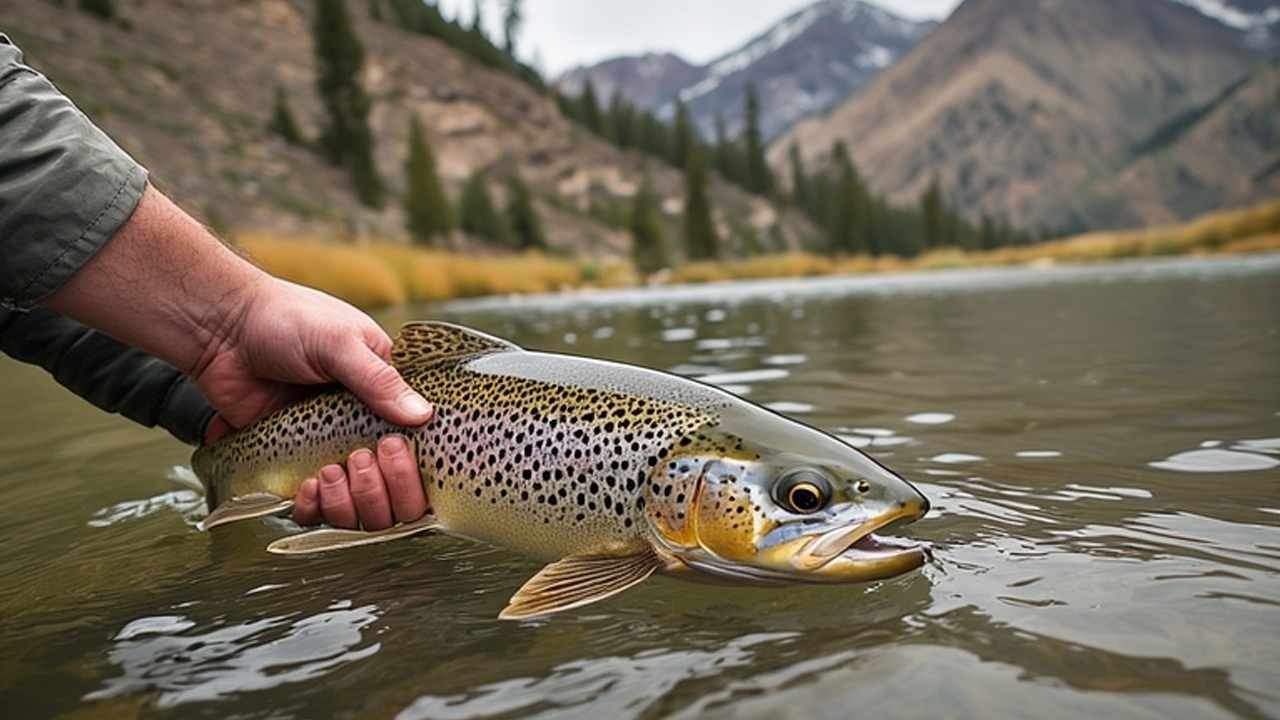
Utah Fishing Season and Limits for 2026–2027 by Month – Species, Licenses & Hotspots
If you’ve ever watched the sun come up over a mountain reservoir with a thermos in one hand and a tackle box in the other, you already know why Utah hooks people fast. The state gives anglers a little bit of everything: cold trout waters, warmwater lakes for bass and walleye, easy-access community ponds for kids, and big-name destinations like Lake Powell and Flaming Gorge. The big picture is refreshingly simple too—most Utah waters are open year-round, but bag limits, species rules, and special water-specific restrictions matter a lot.
Utah is also friendly to both residents and visiting anglers. Kids under 12 can fish for free, short-term licenses make weekend trips easy, and the state’s mapping and stocking tools are honestly some of the handiest we’ve seen for beginners. One small note: this is an inland freshwater state, so there’s no saltwater stamp to worry about.
📅 Quick Reference Table by Month
| Month | Best Bets | Open/Close Dates | Daily Bag Limit | Special Regulations |
|---|---|---|---|---|
| January | Trout, perch, burbot | Most waters open year-round | Trout/kokanee/grayling combined 4; perch 50 | Flaming Gorge burbot: no limit, must be killed |
| February | Trout, bass in lower elevations | Year-round on most waters | Bass combined 6 | Always check water-specific winter rules |
| March | Trout, crappie, catfish | Year-round on most waters | Crappie combined 50; catfish 8 | Community ponds can be great starter options |
| April | Trout, bass, walleye | Year-round on most waters | Walleye 10, only 1 over 24 inches | Some waters have special artificial-lure or slot rules |
| May | Trout, tiger muskie, striped bass | Year-round on most waters | Tiger muskie 1 over 40 inches | Great month for stocked public lakes |
| June | Trout, white bass, catfish | Year-round on most waters | White bass no limit | Free Fishing Day is June 6, 2026 |
| July | Bass, bluegill, catfish | Year-round on most waters | Bluegill/green sunfish combined 50 | Watch heat, algae advisories, and low-water updates |
| August | Walleye, bass, trout at elevation | Year-round on most waters | Northern pike no limit | Emergency drought-related rule changes can happen |
| September | Trout, kokanee planning changes | Most waters open year-round | Trout/kokanee/grayling combined 4 | No possession of kokanee statewide from Sept. 10–Nov. 30 |
| October | Trout, brown trout streams, pike | Year-round on most waters | Bass 6; trout combined 4 | Stream and spawning-area exceptions may apply |
| November | Trout, perch, catfish in mild weather | Year-round on most waters | Catfish 8; perch 50 | Kokanee closure still in effect through Nov. 30 |
| December | Trout, burbot, winter panfish | Year-round on most waters | See statewide limits | Ice and access conditions matter more than the calendar |
These are the statewide basics, but Utah’s “rules for specific waters” can override the general creel limits, season dates, or gear rules at individual lakes, streams, and reservoirs.
🐟 Popular Sport Fish
Let’s start with the fish most people ask about.
Trout are still the headliners in a lot of Utah. Statewide, trout, kokanee salmon, and Arctic grayling share a combined daily limit of 4. You’ll find classic trout action at Strawberry Reservoir, Deer Creek Reservoir, Fish Lake, and the Middle Provo River. If you like the idea of a cooler morning, a light chop on the water, and fish that actually want to play, these are solid bets. Just remember that some trout waters carry special artificial-lure or size rules.
Bass—largemouth and smallmouth combined—have a statewide daily limit of 6. Pelican Lake, Lake Powell, and Deer Creek are all well-known warmwater options. If you’re new to bass angling, Utah’s lower-elevation reservoirs and public lakes can be a fun way to learn cover, shoreline structure, and simple lure presentations without feeling overwhelmed.
Walleye come with a statewide limit of 10, but only 1 can be over 24 inches. Starvation Reservoir and Lake Powell are two of the better-known names. They’re the kind of fish that make you feel smarter than you are when the pattern clicks—and very humble when it doesn’t.
Channel catfish have a statewide daily limit of 8, and they’re common in community ponds and bigger waters like Utah Lake and Lake Powell. Crappie have a generous combined daily limit of 50, which makes them one of the better “everyday catch” species for family trips. Tiger muskie are tightly managed: 1 fish over 40 inches statewide, with catch-and-release rules on some waters. Northern pike have no statewide limit, though certain waters require immediate harvest because of invasive-species concerns.
🦞 Specialty Species
Utah’s specialty opportunities are where things get especially fun. Striped bass at Lake Powell have no daily limit, and they’re the only species in Utah that may legally be gaffed to land the fish. If you like fast action and the possibility of filling a cooler, that’s a standout trip.
Kokanee salmon are another favorite, especially at places like Strawberry Reservoir, but there’s a major statewide rule beginners often miss: you may not possess kokanee anywhere in Utah from Sept. 10 through Nov. 30 to protect spawning fish. That one catches people off guard, so it’s worth highlighting in red ink on your mental calendar.
Then there’s burbot at Flaming Gorge—an unusual fishery where there’s no daily limit, and fish must be killed immediately. Utah also offers the Cutthroat Slam, a conservation-minded challenge built around catching the state’s four native cutthroat trout subspecies in their native waters. And if you want to use a setline on approved waters like Utah Lake or Yuba Reservoir, you’ll need a separate setline permit.
🐠 Panfish & Everyday Catches
Here’s the easy-reference table for the species many families and casual anglers target most:
| Species | Statewide Daily Limit | Rule Notes |
|---|---|---|
| Black + white crappie | 50 combined | Check local exceptions |
| Bluegill + green sunfish | 50 combined | Great for beginner trips |
| Yellow perch | 50 | Common in several reservoirs |
| White bass | No limit | Very popular at Utah Lake |
These numbers are the general statewide creel limits, not a free pass to ignore local water rules. Always check the destination before you cast.
🦆 Stocked & Managed Waters
If you’re taking kids, teaching a friend, or just want a better shot at steady action, stocked waters are your best friend. Utah’s DWR says there are 57 community ponds around the state, and they’re managed specifically to give people close-to-home places to catch trout, catfish, and other common freshwater species. The state also keeps a detailed, sortable fish stocking report so you can check where fish were planted, what species went in, and even approximate sizes.
🌍 Public vs Private Waters
Utah has plenty of public lakes, reservoirs, and streams, but access rules still matter. You generally cannot cross cultivated, fenced, enclosed, or properly posted private land without permission. On tribal lands, tribal regulations apply. Utah also has Walk-in Access areas that open some private lands to anglers under specific rules, which is a nice middle ground when you want more room without guessing where you’re allowed to stand.
The practical takeaway? Don’t assume a blue line on a map equals legal access. Check the specific waterbody regulations, access points, and any local boating restrictions before loading the truck. If your trip includes Lake Powell and spills across the border, it’s smart to compare neighboring rules too—here’s a useful Arizona fishing season guide for that kind of crossover planning.
🎟️ Fishing License Guide
Utah keeps licensing fairly straightforward:
| License Type | Resident | Nonresident |
|---|---|---|
| Youth 12–13 annual | $5 | $18 |
| Youth 14–17 annual | $16 | $44 |
| Adult annual | $40 (18–64) | $120 (18+) |
| Senior annual | $31 (65+) | — |
| 3-day | $19 | $44 |
| 7-day | $30 | $91 |
There are also multiyear options, combination hunt-and-fish licenses, and discounted disabled veteran licenses. Resident combo licenses run from $20 for ages 14–17 to $44 for adults, while nonresident combination licenses are $58 for youth and $190 for adults. Kids under 12 fish free, and regular fishing licenses are valid for 365 days from the purchase date rather than just the calendar year. Because Utah fishing is inland freshwater, you won’t need a saltwater add-on; if you want to fish with a setline on approved waters, though, you do need that separate permit.
❓ FAQ Section
Do you need a fishing license in Utah?
Yes—if you’re 12 or older. Kids under 12 can fish without one.
Is there a year-round fishing season in Utah?
Mostly yes. Utah’s general fish and crayfish season runs Jan. 1 through Dec. 31, 2026 on most waters.
What is the trout limit in Utah?
The statewide limit is 4 total for trout, kokanee salmon, and Arctic grayling combined.
Are there any species with no daily limit?
Yes. White bass and northern pike have no statewide limit, and striped bass at Lake Powell also have no daily limit.
When is Free Fishing Day in Utah?
June 6, 2026. You don’t need a license that day, but all other rules still apply.
Where can beginners fish in Utah?
Community ponds are a great start because they’re accessible, family-friendly, and regularly managed for easy local angling.
🗺️ Map & Hotspots
For trip planning, Utah’s best all-in-one tool is the Fish Utah map. You can search by species, water name, trip rating, stocking info, and regulations, which makes it ridiculously useful when you’re choosing between trout waters, bass lakes, or a quick public-lake evening stop.
My 2026 must-visit shortlist would be Strawberry Reservoir for trout and kokanee, Lake Powell for striped bass and multi-species action, Deer Creek Reservoir for rainbow trout and bass, Joes Valley Reservoir for tiger muskie, and Utah Lake for white bass and catfish close to population centers. If scenery is part of the mission—and let’s be honest, it usually is—Flaming Gorge and Bear Lake deserve honorable mentions too.
✅ Wrap-Up
Utah makes it pretty easy to build a good day on the water: grab the right license, check recent stocking or water levels, and pick a lake or stream that matches your skill level. Bring a friend, bring the family, and don’t overcomplicate the first trip—sometimes a stocked pond and a bobber are exactly the right call. Just make sure you review the latest bag limits, safety notes, and local access rules before heading out. That little five-minute check can save a whole lot of frustration later.