
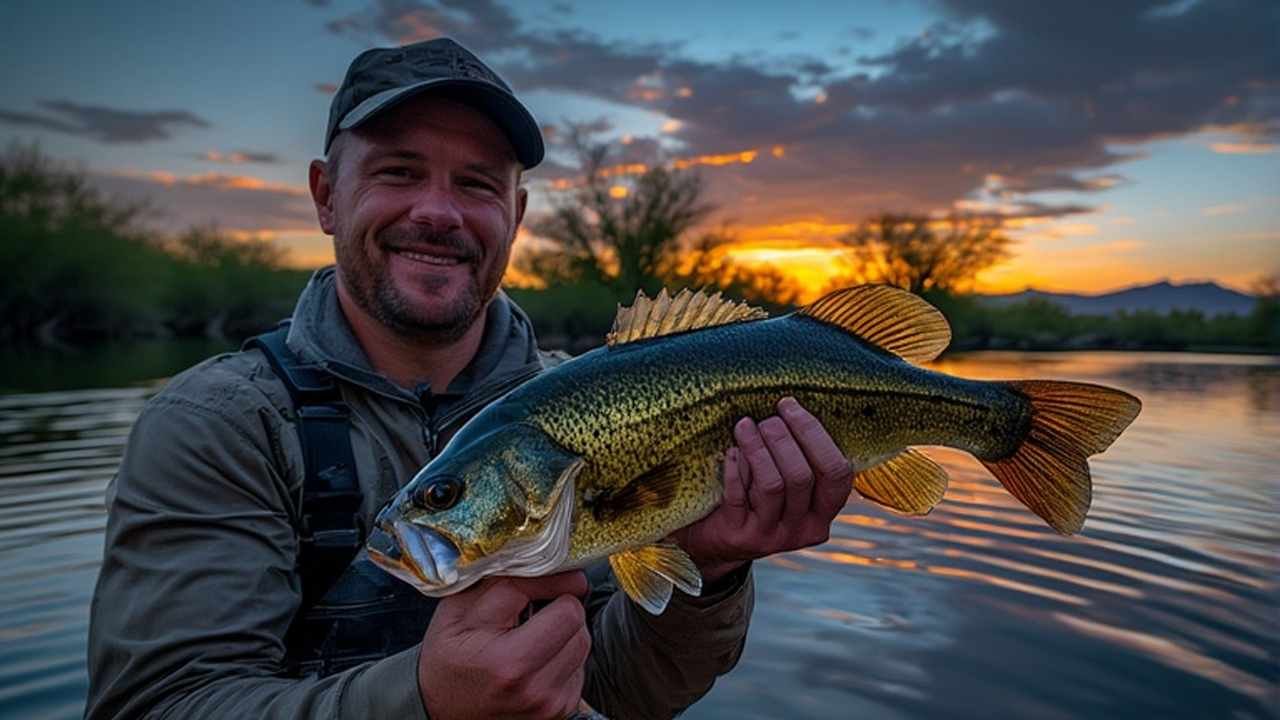
Arizona Fishing Season and Limits for 2026–2027 by Month – Species, Licenses & Hotspots
There’s something a little magical about fishing in Arizona. One weekend you’re standing beside a cool mountain stream watching trout rise in the morning light, and the next you’re out on a desert reservoir chasing stripers under a blazing orange sunset. That variety is exactly why this state keeps anglers hooked. 🐟
For 2026–2027, the big thing to understand is this: Arizona doesn’t always run on one neat, statewide open-and-shut calendar. A lot of waters are open year-round, but special rules, catch dates, bag limits, and method restrictions can change by lake, river, or creek. So if you’re a resident planning a quick local trip or a visitor dreaming about Lake Powell, it pays to know the basics before you pack the tackle box.
This guide walks you through popular species, creel limits, stocked trout waters, public lakes, licensing, and a few standout hotspots. And yes, it’s beginner-friendly, because nobody should need a law degree just to enjoy a Saturday with a rod and reel. 🎣
🌊 Quick Reference Table by Month
Important: Arizona regulations are highly water-specific. Use this table as a planning shortcut, then confirm the exact waterbody rule before you go.
| Month | Best Bets | Typical Open/Close Pattern | Daily Bag Limit Snapshot | Special Regulations to Watch |
|---|---|---|---|---|
| January | Trout, striped bass, warmwater reservoir fish | Many reservoirs open year-round; some trout streams closed Jan. 1–Apr. 30 | Often 2 trout on special trout waters; stripers vary by water | Some streams fully closed; others have catch-and-release trout rules |
| February | Trout, crappie, bass in lower-elevation lakes | Year-round on many lakes | Lake Powell: 10 crappie, 20 smallmouth, 5 largemouth | Stream closures still apply in some areas |
| March | Trout, crappie, catfish | Similar to winter pattern | Community waters may have low lake-specific limits | Check stocked lakes and Community Fishing rules |
| April | Trout, bass, crappie | Some trout closures remain through Apr. 30 | Varies widely by water | Last month of closure on several trout creeks |
| May | Trout opener feel on many streams, bass, catfish | Many special trout streams shift to catch-and-release or general rules | Some trout waters move to catch-and-release only | Great month for high-country angling |
| June | Bass, catfish, stripers, crappie | Year-round on reservoirs | Lake Pleasant stripers can be unlimited | Heat changes fish behavior; check water levels |
| July | Stripers, catfish, bass | Year-round on many reservoirs | Warmwater bag limits vary by lake | Community lake stocking pauses in summer heat |
| August | Stripers, catfish, night fishing patterns | Year-round on big waters | Lake-specific rules matter most | Good time for reservoirs, not peak stocked-trout action |
| September | Trout stocking ramps back up in some places | Community lake stocking resumes after mid-September | Nutrioso Creek has unique trout timing | Great transition month |
| October | Trout, bass, striped bass | Some special trout waters switch to catch-and-release windows | Silver Creek and Little Colorado sections have seasonal trout restrictions | Artificial lures/barbless hooks may be required |
| November | Trout, crappie, bass | Strong statewide mix of opportunities | Lake Powell and Lees Ferry stay popular | Check elevation/weather conditions |
| December | Trout, stripers, winter reservoir fishing | Many lakes still open; some creeks soon enter closure windows | Trout rules vary sharply by stream | A classic “read the fine print” month 🐠 |
🐟 Popular Sport Fish in Arizona
Bass
Largemouth and smallmouth bass are some of the most accessible targets in the state, especially in reservoirs. In many waters, you can fish for them all year. Lake Powell is the headline destination, with a daily limit of 20 smallmouth bass and 5 largemouth bass. Some other lakes and ponds use a 13-inch minimum size rule for bass, especially in community or specially managed waters.
If you’re new to bass fishing here, think reservoirs first: Roosevelt, Apache, Canyon, Saguaro, Pleasant, and Powell all deserve attention. Early mornings and late evenings can be especially productive when the desert heat starts flexing.
Trout
Trout are where Arizona gets surprisingly technical. Some trout lakes and streams follow standard harvest rules, while others are fully catch-and-release, partly seasonal, or even closed for part of the year. Becker Lake, for example, is catch-and-release only for trout. Silver Creek has a seasonal catch-and-release period from October 1 through March 31, with artificial flies and lures only, plus single-pointed barbless hooks. On the Little Colorado River near Greer, trout are catch-and-release only from October 1 through April 30, then general statewide rules apply from May 1 through September 30.
That sounds like a lot—and honestly, it is. But it’s also what makes trout fishing here fun. You’re not just finding fish; you’re learning each water’s personality.
Walleye
Walleye anglers should have Lake Powell circled on the calendar. That’s one of the clearest marquee waters in the state, and current special rules there allow unlimited walleye. In practical terms, that makes Powell one of the more interesting western destinations for anglers who like covering structure and chasing a good eater fish.
Catfish
Catfish are a steady, family-friendly option, especially in lower-elevation lakes and community waters. Limits vary by water, but catfish are heavily featured in urban and suburban lakes where easy access matters. In some waters, catfish limits are modest; in others, the rules are more generous. Summer evenings can be excellent for channel cats, and it’s one of the easiest ways to introduce kids or first-timers to freshwater fishing. 🐠
Crappie
Crappie don’t always get the spotlight, but they probably should. They’re common in several major reservoirs and can produce really fun action in spring and fall. Lake Powell carries a 10-fish crappie limit, while Apache, Canyon, Roosevelt, and Saguaro are better known for 15-fish limits in special-regulation waters. If you enjoy light tackle and a fish fry at the end of the day, crappie season never really goes out of style.
Pike and Muskie
These are not the state’s main attraction the way they are in northern states. They’re more niche here, and the statewide highlights focus much more heavily on trout, bass, catfish, crappie, walleye, and striped bass. If you’re targeting pike or muskellunge specifically, treat it as a water-by-water research mission rather than a broad statewide pattern.
🦞 Specialty Species
Arizona’s big specialty star is striped bass. Lake Powell is the standout, with unlimited striped bass under current special rules there, and Lake Pleasant is another go-to spot where stripers are a major draw. On lower Colorado River waters, striped bass rules can change by location and management goal, so this is one species where checking the latest local regulation is absolutely worth the extra minute.
Another “specialty” angle in Arizona is regulated trout water. Some creeks are closed from January 1 through April 30, then reopen under catch-and-release rules. Others allow harvest only during certain windows. So while Arizona doesn’t have a salmon-run culture or widespread draw-only freshwater fishery in the same way some states do, it absolutely has specialized management that rewards careful planning. 🐟
🐠 Panfish & Everyday Catches
Here’s a simple cheat sheet for everyday action species and common creel-limit patterns:
| Species | Typical Arizona Opportunity | Example Creel Limits | Notes |
|---|---|---|---|
| Crappie | Reservoirs and some public lakes | 10 at Lake Powell; 15 at several Salt River reservoirs | Great in spring/fall |
| Bluegill | Community lakes, reservoirs, family waters | Check water-specific rules | Common beginner fish |
| Sunfish | Urban lakes and warmwater ponds | Check water-specific rules | Often part of mixed-bag days |
| Perch | Less of a statewide centerpiece | Check water-specific rules | More location-dependent |
If you want easy action without overcomplicating things, panfish are a smart place to start. Light tackle, a simple float, and a relaxed evening at a neighborhood lake can still feel like a pretty perfect day.
🦆 Stocked & Managed Waters
Arizona Game and Fish manages a broad mix of stocked trout waters, community lakes, reservoirs, ponds, streams, and stock tanks. The state notes that sportfish can be stocked at 186 individual sites, and there are 50+ community lakes that make close-to-home trips a real option.
One especially useful detail: community lake stockings pause during the hottest part of summer, generally between June 25 and September 15. If you show up expecting freshly stocked trout in July, well… you may leave with a tan instead. Been there. 😅
For trip planning, the most useful official resources are Arizona fish stocking schedule and maps.
🌍 Public vs Private Waters
Most anglers in the state spend their time on public lakes, rivers, reservoirs, and managed community ponds. These are the waters where state license rules, posted signs, and special regulations matter most.
Private ponds are a different story. You still need permission from the landowner, and you should never assume access just because a shoreline looks open from the road. The safest habit is simple: if the water isn’t obviously public, verify access first, then verify whether any local rules apply. On public lakes, always read posted notices at ramps, marinas, and access points—especially on heavily managed trout waters.
If you like comparing regional trip ideas, the Colorado fishing season guide is a handy companion for planning a Southwest angling road trip.
🎟️ Fishing License Guide
Arizona keeps licenses pretty straightforward, which is refreshing.
- General fishing license: Resident $37, non-resident $55
- Combo hunt and fish license: Resident $57, non-resident $160
- Youth combo hunt & fish license: $5 for residents and non-residents
- Short-term combo hunt & fish license: Resident $15 per day, non-resident $20 per day
- Who needs a license: Anglers 10 years and older fishing public-access waters
- Who does not need one: Youth under 10 and blind residents
- License validity: Good for 365 days from purchase date
Arizona is mainly a freshwater game, so you’re not juggling a separate saltwater stamp here. Still, special licenses and water-specific rules do exist, so before heading out, check Arizona fishing licenses and regulations.
🗺️ Map & Hotspots
If you only have time for a few standout trips in 2026–2027, these are the waters I’d put high on the list:
- Lake Powell – A must for striped bass, smallmouth bass, walleye, and crappie. Big water, big scenery, big possibility.
- Lees Ferry – One of the best-known trout stretches in the region, with special rules worth reading carefully.
- Lake Pleasant – A strong warmwater choice, especially for striped bass.
- Roosevelt Lake – A classic for bass, crappie, and general reservoir variety.
- Silver Creek – A great pick for anglers who enjoy technical trout water and don’t mind barbless-hook rules.
❓FAQ
Do you need a fishing license in Arizona?
Yes. If you’re 10 or older and fishing public-access water, you need a valid license unless you’re a blind resident.
Is there a statewide fishing season?
Not in one simple, universal sense. Many waters are open year-round, but special trout streams, creeks, and certain reservoirs have their own season timing and restrictions.
What is the daily bag limit for trout?
It depends on the water. Some places allow harvest, some are catch-and-release only, and some have seasonal closures.
Where can beginners fish close to town?
Community lakes are a great starting point. They’re easier to access and often stocked with trout, catfish, or sunfish.
Are fish stocked year-round?
No. Community lake stocking pauses during the hottest summer stretch, generally from late June to mid-September.
What’s the best Arizona water for striped bass?
Lake Powell is the big-name destination, with Lake Pleasant also high on the list.
✅ Wrap-Up
Arizona is one of those places that quietly overdelivers for anglers. You can chase trout in cool water, target bass in canyon reservoirs, hunt stripers on giant desert lakes, or spend a lazy afternoon catching panfish with family and friends. That’s a pretty great menu. 🐟🎣
So grab a license, check the water levels, pick a lake or creek that fits your mood, and go make a day of it. Just don’t skip the last-minute homework: review the bag limits, look for special rules, and keep an eye on access and safety before you head out.