
Colorado Fishing Season and Limits for 2026–2027 by Month – Species, Licenses & Hotspots
There’s something about standing beside a cold mountain reservoir at first light that makes even a beginner feel like they know what they’re doing. Colorado is one of those places where a casual weekend cast can turn into a full-on angling habit. Between high-country trout waters, warmwater reservoirs, family-friendly public lakes, and a few surprisingly good trophy opportunities, the calendar stays busy almost all year.
The big takeaway for 2026-2027? Most freshwater opportunities are open year-round, but the real fine print lives in water-specific rules, creel limits, size restrictions, and access details. That means residents, road-trippers, and first-time visitors all need to do the same thing: check the rules before they go, especially on popular trout water and managed reservoirs. If you’re building a Rockies road trip, you can also compare nearby regulations with this Wyoming fishing season guide.
🌊 Quick Reference Table by Month
Important note: In Colorado, many species are available year-round on many waters, but special regulations can override statewide defaults on specific rivers, reservoirs, and park waters.
| Month | Best Bets | Typical Open/Close Timing | Daily Bag Limit | Special Regulation Reminder |
|---|---|---|---|---|
| January | Trout, pike, perch, lake trout | Many waters open year-round | Varies by species | Ice rules and local winter access matter |
| February | Trout, pike, stocked lakes | Many waters open year-round | Varies by species | Some waters restrict methods or hours |
| March | Trout, bass, walleye start heating up | Broadly year-round | Varies by species | Watch runoff prep and changing conditions |
| April | Stocked trout, crappie, bass | Broadly year-round | Varies by species | Family lakes get busy fast |
| May | Trout, bass, walleye, catfish | Broadly year-round | Varies by species | Spring stockings can shift weekly |
| June | Trout, pike, bass, crappie | Broadly year-round | Varies by species | Reservoir boat access improves |
| July | Bass, catfish, panfish, high-country trout | Broadly year-round | Varies by species | Afternoon storms and warm water matter |
| August | Bass, walleye, pike, trout at elevation | Broadly year-round | Varies by species | Check water temps and stream conditions |
| September | Trout, pike, kokanee areas | Broadly year-round | Varies by species | Fall bite improves on many waters |
| October | Trout, lake trout, kokanee action | Broadly year-round | Varies by species | Local closures or gear rules may apply |
| November | Trout, lake trout, kokanee at select waters | Broadly year-round | Varies by species | Blue Mesa allows kokanee snagging Nov. 1-Dec. 31 |
| December | Trout, lake trout, pike, perch | Many waters open year-round | Varies by species | Ice safety and daylight matter |
For the statewide default bag and possession limits summarized below, the best source is the 2026 Colorado Fishing Brochure.
🐟 Popular Sport Fish
Colorado doesn’t really run on a simple “open season / closed season” model for its main sport fish the way some states do. Instead, most anglers work off year-round access plus water-by-water special rules.
Trout
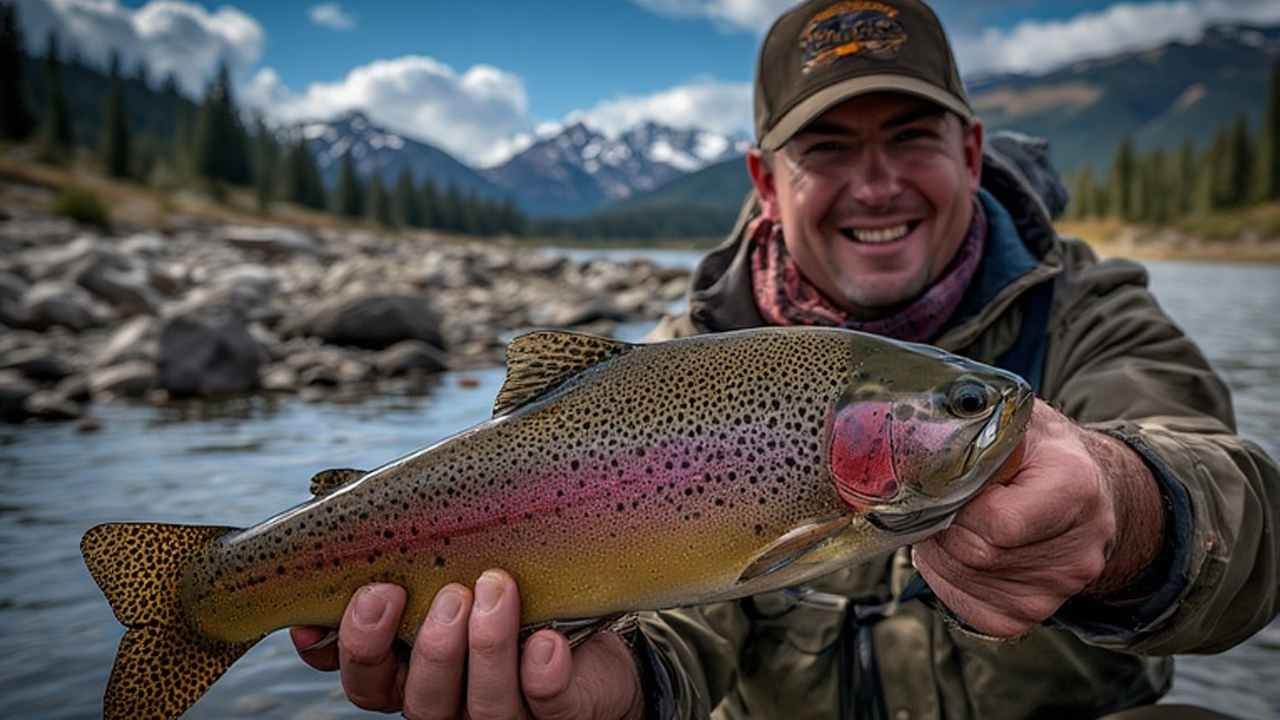
Trout are the headliners here, and for good reason. Rainbow, brown, cutthroat, and other trout opportunities stretch from tailwaters to reservoirs to tiny alpine creeks. Statewide, trout, Arctic char, grayling, salmon, and mountain whitefish are grouped at 4 daily / 8 in possession in aggregate, unless a specific water has tighter rules. On some stretches you’ll run into catch-and-release-only water, flies-and-lures-only sections, or minimum-length rules.
Bass
Largemouth, smallmouth, and spotted bass are grouped together at 5 daily / 10 in possession. You’ll find them most often in lower-elevation reservoirs and warmer public lakes. Late spring through early fall is when beginner anglers usually have the most fun, especially around weed edges, submerged structure, and riprap.
Walleye
Walleye sit at 5 daily / 10 in possession statewide, though some waters have special rules. They’re a good target in larger reservoirs, especially if you like dawn, dusk, and slow presentations. If you want a place with a little more warmwater personality than the classic trout scene, walleye are a smart pick.
Catfish
Channel, flathead, and blue catfish are grouped at 10 daily / 20 in possession. They’re a low-pressure, high-fun option for summer evenings, especially for beginners or families who want simple tackle and steady action.
Crappie
Black and white crappie share a 20 daily / 20 in possession limit. These are ideal “get the kids hooked” fish because they often school up and bite well when you find them.
Pike and Muskie
Northern pike are unlimited statewide, which surprises a lot of people. Tiger muskie are much more controlled at 1 daily / 1 in possession, and the fish must be at least 36 inches long. That makes pike a realistic target and tiger muskie more of a specialty prize fish.
🦞 Specialty Species
This is where Colorado gets fun for anglers who like oddball rules and destination trips.
Kokanee Salmon
Yes, Colorado has kokanee, and they deserve a little extra homework. On some waters, kokanee opportunities are managed differently than the general trout crowd. At Blue Mesa Reservoir, CPW allows kokanee snagging from November 1 through December 31, and that water carries its own kokanee bag rules. If kokanee is your goal, don’t assume statewide salmon language tells the whole story.
Lake Trout
Lake trout lovers already know Blue Mesa is a big deal. That reservoir is noted by CPW for trophy-class opportunities, and it also has special harvest rules, including no bag or possession limit for lake trout, with only one fish over 32 inches per day.
Tiger Muskie
Tiger muskie are tightly regulated and not something you casually bonk into a cooler. If you hook one, know the size rule before the celebration starts.
And because people do ask: Colorado is a freshwater-only destination, so there’s no saltwater stamp or saltwater bag-limit system to worry about here.
🐠 Panfish & Everyday Catches
For relaxed trips, quick shore sessions, and easy family outings, panfish are hard to beat.
| Species | Statewide Daily Limit | Possession Limit | Notes |
|---|---|---|---|
| Crappie (black/white) | 20 | 20 | Good for spring and early summer schools |
| Bluegill, green sunfish, redear, pumpkinseed, hybrids | 20 | 20 | Great beginner fish on public lakes |
| Yellow perch (east of Continental Divide) | 20 | 20 | Often productive through ice and open water |
| Yellow perch (west of Continental Divide) | Unlimited | Unlimited | Local water rules still matter |
These statewide creel limits are the defaults, but always double-check a specific water before keeping fish.
🦆 Stocked & Managed Waters
If you’re new, stocked waters are your friend. Seriously. They remove a lot of the guesswork.
Colorado Parks and Wildlife updates its fish stocking report every Friday during the fishing season, and the agency notes that the actual stocking day may have happened earlier in the week. That’s useful if you’re planning a weekend trip and want recently stocked trout without spending half the day driving blind.
CPW also ties those stocking entries to waterbody information, which means you can go from “What got stocked?” to “Where is it, what species are there, and how crowded might it be?” in one planning session. For beginners, that’s gold.
🌍 Public vs Private Waters
Most visitors will spend their time on public lakes, reservoirs, rivers, and streams managed by CPW, state parks, local governments, or federal partners. These waters usually have posted access points, parking, seasonal notes, and clearer regulation paths.
Private ponds are a different animal. Access is by permission, and while private land can change the access question, it does not magically erase state wildlife law. If a pond connects to public water, or if a species has protected handling rules, those details still matter. When in doubt, ask the landowner first and then verify the local regulation language.
A good rule of thumb: public water is easier to plan, private water is easier to mess up if you assume too much.
🎟️ Fishing License Guide
For 2026-2027, annual licenses run March 1 through March 31 of the following year, so you effectively get a 13-month window. Youth under 16 can take a full bag and possession limit without a license, which is one of the nicest beginner-friendly rules in the state.
Colorado lists these main options on its official license page:
- Resident licenses: adult annual, senior annual, youth licenses for ages 16-17, one-day, additional-day, small game + fish combo, senior combo, second-rod stamp, and annual ANS stamp
- Nonresident licenses: annual, five-day, one-day, additional-day, second-rod stamp, and ANS stamp
- Combo options: available for qualifying resident categories
- Short trips: one-day and additional-day options are available, which is great for travelers or casual vacation anglers
For the most current license lineup and eligibility details, use Colorado fishing licenses and dates.
🗺️ Map & Hotspots
If you only bookmark one planning tool, make it the Colorado Fishing Atlas. CPW says it helps anglers search by species, interests, distance, stocked waters, access, boat ramps, special regulations, and even stream gages with real-time links.
Top must-visit spots for 2026-2027
- Blue Mesa Reservoir – the trophy lake trout draw is real, and you also get kokanee, brown trout, rainbow trout, and yellow perch.
- Spinney Mountain Reservoir – a flies-and-lures-only, trophy-minded place known for trout and northern pike.
- South Platte in Eleven Mile Canyon – year-round catch-and-release trout water with a serious reputation.
- Stagecoach Reservoir – an excellent mixed bag for rainbow trout, brown trout, northern pike, and walleye.
- Local stocked community lakes – not glamorous, but perfect for beginners, kids, and quick after-work angling.
If I were introducing a friend to Colorado for the first time, I’d probably start with a stocked public lake for confidence, then graduate to a reservoir like Stagecoach or Blue Mesa once they wanted a bigger challenge. That path usually keeps the fun high and the frustration low.
❓FAQ
Do you need a fishing license in Colorado if you are under 16?
No. Youth under 16 can fish and keep a full bag and possession limit without a license.
When do Colorado annual fishing licenses expire?
Annual licenses are valid from March 1 through March 31 of the following year.
Can you fish year-round in Colorado?
On many waters, yes. But special regulations, access restrictions, catch-and-release stretches, and gear rules can change by location.
What is the trout bag limit in Colorado?
The statewide default for trout, Arctic char, grayling, salmon, and mountain whitefish in aggregate is 4 per day and 8 in possession, unless a specific water has special rules.
Where can I find stocked trout lakes in Colorado?
Use the official weekly stocking report and the Fishing Atlas together.
Can nonresidents buy short-term fishing licenses?
Yes. Colorado lists one-day, additional-day, and five-day nonresident options.
Are there saltwater rules in Colorado?
No. This is a freshwater state guide, so saltwater regulations do not apply.
✅ Wrap-Up
Colorado rewards the angler who plans just a little before heading out. Grab the right license, look over the water-specific rules, peek at the latest stocking update, and keep an eye on weather and water levels. Then load the cooler, bring a buddy, bring the kids, and enjoy it. 🎣
A lot of trips here don’t become memorable because someone caught the biggest fish in the state. They become memorable because everybody caught something, nobody got surprised by the rules, and the day ended with cold hands, sunburned noses, and a story worth retelling. Before you go, review those bag limits, any local safety notices, and the access details for your chosen water.