
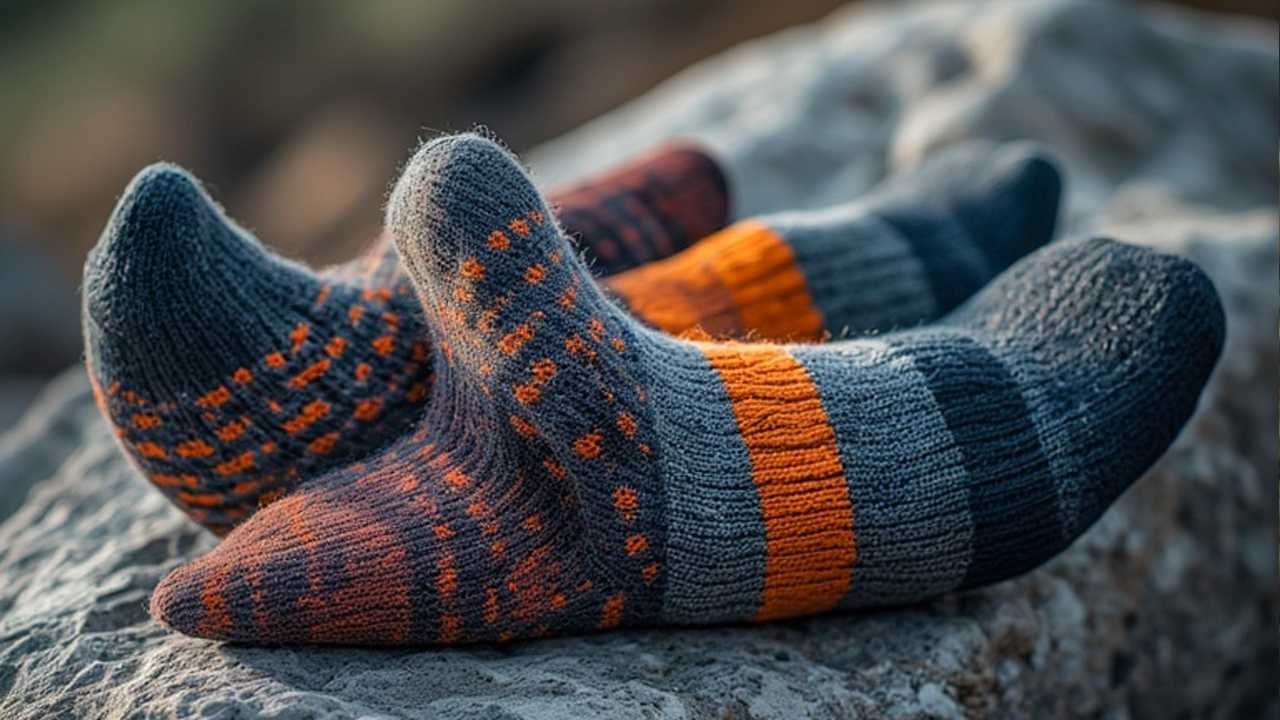
Beyond the Boot: How the Right Socks Unlock Every Trail’s Potential (Best Hiking Socks for 2026)
As an avid hiker, I learned the importance of good socks the hard way. After a long, blister-filled day on the trail, I realized that no matter how great your boots are, they’re nothing without the right socks acting as a crucial buffer between your feet and the miles. The best hiking socks for 2026 continue to blend advanced materials like merino wool with smart design to keep your feet dry, comfortable, and blister-free. This isn’t about fashion; it’s about foundation. Your entire hiking experience rests literally on your feet, and the right sock provides essential moisture management, cushioning, and temperature regulation that can make the difference between a glorious adventure and a miserable trudge.
Fortunately, the market is filled with outstanding options tailored to different needs, from lightweight sleeves for summer trails to heavily cushioned partners for winter mountaineering. This guide will walk you through the top-rated socks of the year, breaking down their materials, best uses, and key features. We’ve synthesized data from hundreds of miles of real-world testing and expert reviews to help you find your perfect pair. You’ll also discover a straightforward framework for choosing sock weight based on conditions, learn why materials matter more than you think, and get answers to common sock-care questions. Let’s find the socks that will keep you hiking longer and happier.
Our Top Picks for the Best Hiking Socks of 2026
Here’s a detailed 2026 comparison table of the best hiking socks, centered on the pairs that repeatedly rank at or near the top across current reviews. The most common all-around winner is the Darn Tough Hiker Micro Crew Cushion, with strong alternatives for hot weather, blister prevention, compression, and budget shoppers.
Top hiking socks
| Sock | Best for | Material | Cushion | Height | Approx. price | Notes |
|---|---|---|---|---|---|---|
| Darn Tough Hiker Micro Crew Cushion | Best overall | Merino-nylon blend | Light/medium | Micro crew | $26 | Consistently ranked as the top all-around hiking sock for most hikers. |
| Darn Tough Hiker Full Cushion | Maximum comfort | Merino-nylon blend | Full | Crew | $27 | Best if you want more padding for long miles or heavier boots. |
| Smartwool Hike Light Cushion Crew | Balanced comfort | Merino blend | Light | Crew | $20–$24 | Frequently selected for durability and everyday hiking comfort. |
| Injinji Trail Midweight Crew | Blister prevention | Merino-synthetic blend | Mid | Crew toe sock | $20 | Toe-sock design helps reduce toe-to-toe friction. |
| REI Co-op Coolmax EcoMade Lightweight | Budget | Polyester blend | Light | Quarter | $16 | Best low-cost pick in a lightweight synthetic build. |
| Smartwool Run Zero Cushion | Hot weather | Merino blend | Ultralight | Quarter | $20 | Good when you want minimal bulk and fast drying. |
| Sockwell Circulator Compression | Travel/recovery | Merino-bamboo blend | Compression | Crew | $28 | Best when you want support and circulation benefits. |
| Bridgedale Ultralight Crew | Hot weather / light hiking | Lightweight blend | Light | Crew | — | Often recommended for warm conditions and lower bulk. |
| Darn Tough Light Hiker Micro Crew | All-season light hiking | Merino blend | Light | Micro crew | $24 | A common “sweet spot” choice for three-season hiking. |
| Farm to Feet Damascus | Compression | Wool blend | Compression | Crew | — | Good if you want supportive fit on longer hikes. |
Quick picks
| If you want… | Best pick |
|---|---|
| Best overall | Darn Tough Hiker Micro Crew Cushion. |
| Best for hot weather | Smartwool Run Zero Cushion or REI Coolmax EcoMade Lightweight. |
| Best for blisters | Injinji Trail Midweight Crew. |
| Best budget | REI Co-op Coolmax EcoMade Lightweight. |
| Best for more cushioning | Darn Tough Hiker Full Cushion. |
Buying notes
- Merino blends dominate the best overall picks because they balance comfort, odor resistance, and moisture management.
- Synthetic options like Coolmax are usually better when fast drying and price matter more than wool feel.
- Toe socks are a niche choice, but they are especially useful if you get toe blisters.
How to Choose Your Hiking Socks: A Detailed Checklist
Selecting the right sock is a science. Use this checklist to ensure you’re making the best choice for your feet and your adventures.
☑️ Understand the Material Blend
The fabric is the most critical factor in a sock’s performance. Look for a blend that leverages the strengths of different materials.
- Prioritize Merino Wool: This is the gold standard for a reason. Merino is naturally odor-resistant, thermoregulating (keeping you cool in heat and warm in cold), soft, and wicks moisture effectively. Aim for a blend containing 40-70% merino wool.
- Look for Synthetics for Durability: Nylon and polyester are added to wool blends to significantly improve durability and shape retention. Socks with 20-50% synthetic content will last much longer.
- Ensure There’s Stretch: A small amount (1-4%) of elastane, spandex, or Lycra is essential for a snug, comfortable fit that hugs your foot and doesn’t bunch up.
- Avoid Cotton at All Costs: Cotton is a terrible choice for hiking. It absorbs moisture and dries very slowly, creating a perfect environment for blisters and cold feet. Remember the outdoor adage: “cotton kills”.
☑️ Select the Right Weight and Cushioning
The thickness, or weight, of your sock should match your activity, weather, and footwear fit.
- Lightweight: Best for summer hiking, trail running, and warm weather. They offer minimal bulk and maximum breathability, ideal for well-ventilated shoes.
- Midweight: The most versatile all-rounder. Offers a great balance of cushioning, moisture-wicking, and temperature regulation for three-season day hiking and backpacking.
- Heavyweight: Reserved for mountaineering, winter hiking, and frigid conditions. They provide maximum insulation and cushioning for static cold.
Pro Tip: Always try on socks with the hiking shoes or boots you plan to wear them with. A midweight sock might be perfect with your roomy backpacking boots but could make your trail runners feel too tight.
☑️ Dial-In the Fit and Height
A poorly fitting sock is a primary cause of blisters.
- Snug, Not Tight: Socks should fit snugly without any loose fabric that can bunch up, but never so tight that they restrict blood flow.
- Mind the Length: Crew-length socks are the most popular and versatile, providing good protection from boot abrasion. For maximum protection from brush and debris, a higher crew or knee-high sock is better.
- Check the Toe Seam: Look for a virtually flat toe seam or a seamless toe box to prevent rubbing and hot spots on your toes.
☑️ Look for These Performance Features
- Reinforced Padding: Extra cushioning in high-impact zones like the heel, toe, and ball of the foot provides comfort and protection on long, rocky descents.
- Arch Support: Some socks feature a tighter weave or elastic band in the arch to keep the sock from slipping and provide additional support.
- Moisture-Wicking Claims: Ensure the sock is explicitly marketed as moisture-wicking, which is a function of its material blend (merino wool and synthetics are best).
Hiking Sock Care and Maintenance
A good pair of socks is an investment, and proper care will extend its life dramatically. Here are the top tips, straight from the manufacturers.
- Wash in Cold Water: Always use the cold water setting on your washing machine. Heat can weaken the elastic and damage the fibers over time.
- Turn Socks Inside Out: This helps clean the inner terry loops where dead skin and debris get trapped and also reduces pilling on the outer surface.
- Use Mild Detergent: Harsh chemicals, bleach, and fabric softeners can break down technical fibers and reduce their moisture-wicking and odor-fighting properties. Use a gentle, neutral pH detergent.
- Air Dry or Tumble Dry Low: The best practice is to air dry your socks. If you’re in a hurry, tumble dry on a low heat setting. High heat is the enemy of elasticity.
- Don’t Over-Wash: Thanks to merino wool’s natural odor resistance, you can often wear them for 2-3 hikes before needing a wash. This reduces wear and tear from washing cycles.
Integrating Your Socks into a Complete Hiking System
Your socks don’t work in a vacuum. They are part of a system that starts with a well-fitted boot. For more on that, see our guide on how to break in hiking boots quickly to ensure perfect synergy from day one.
Furthermore, your socks are just one item on your essential gear list. To make sure you’re fully prepared for your next adventure, cross-reference your footwear with our comprehensive essential day hiking gear checklist.
Frequently Asked Questions (FAQs)
How often should I change my socks on a multi-day hike?
It’s a good practice to change your socks at least once during a long hiking day, especially if your feet get wet from water or sweat. On a multi-day backpacking trip, carrying 2-3 pairs allows you to rotate them, washing and air-drying a pair each day. Because merino wool is odor-resistant, you can comfortably wear them for multiple days between washes.
Are expensive hiking socks really worth it?
Absolutely. While the upfront cost of a $25 pair of socks might seem high, the investment pays off in foot comfort, blister prevention, and exceptional durability. Brands like Darn Tough back their socks with a lifetime guarantee, meaning you’ll likely never have to buy another pair again, making them more economical in the long run than cheap socks that wear out quickly.
Can I just wear two pairs of regular socks instead of buying hiking socks?
This is not recommended. Wearing two pairs of socks can create friction between the sock layers, which is a common cause of blisters. It also compromises the fit of your boot. A single, properly fitted technical hiking sock is designed to manage moisture and friction effectively on its own.
What’s the difference between hiking and mountaineering socks?
Mountaineering socks are a subclass of hiking socks designed for extreme conditions. They are typically heavyweight with maximum cushioning to provide insulation against the cold and padding for rigid, insulated plastic boots. They are often too warm and bulky for standard three-season hiking.
How do I know if my socks are too tight?
If you see red marks on your skin when you take them off, or if your feet feel tingly or “fall asleep” while hiking, the socks are too tight. They should feel snug and secure without constricting any part of your foot.