
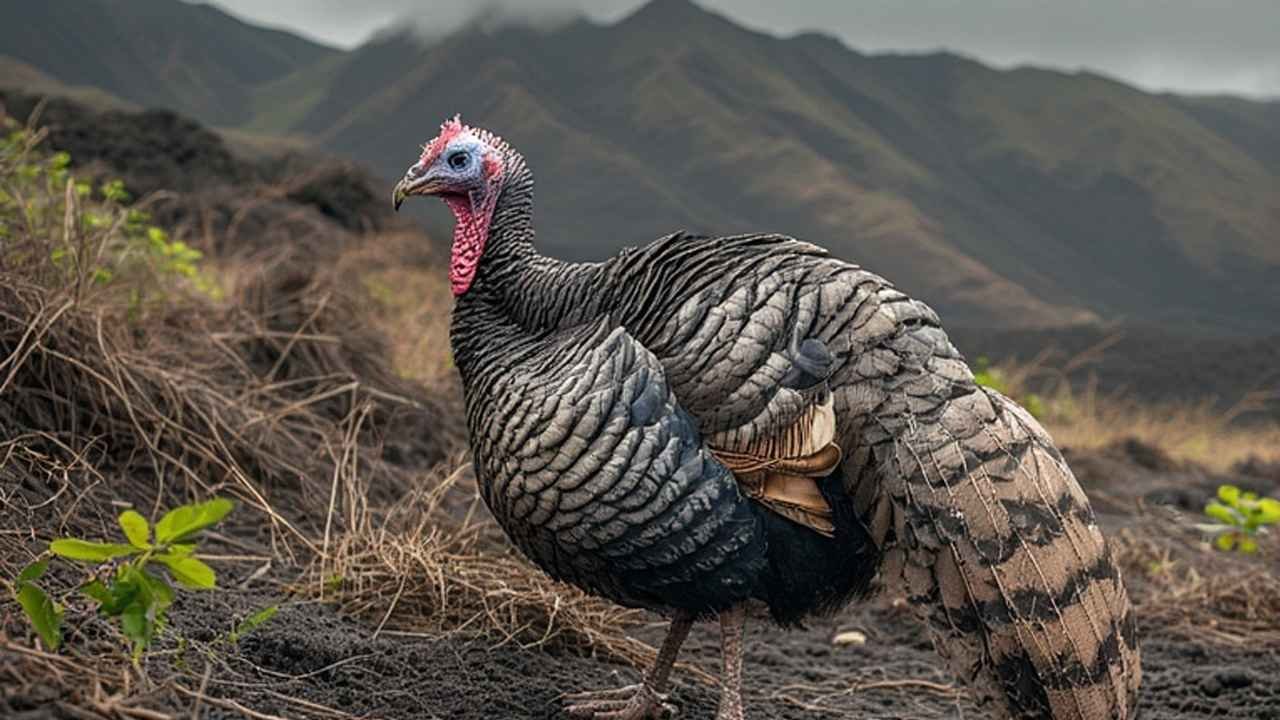
Hawaii’s Turkey Season 2026-2027: Legal Hunting Areas and Methods
If you’re going to hunt in Hawaii, you might be startled to find that there are wild turkeys there. And yes, they are permitted to hunt. Hawaii may not be the first spot that springs to mind when you think of pursuing gobblers, but the islands are a great site for hunters who are ready to explore terrain that spans from volcanic slopes to thick tropical forests. This guide tells you all you need to know about the 2026–2027 hunting season, such as when it starts, what techniques are permissible, how to get a license, and what rules you need to follow before going into the field.
It’s important to know the regulations whether you live here or are just visiting from the mainland. Hawaii’s wildlife management approach is based on the islands’ delicate ecosystems, thus being ready and following the rules is very important.
Quick Overview Table
| Bird Type | Season Dates (2026-2027) | Legal Methods |
|---|---|---|
| Wild Turkey | November 7, 2026 – January 31, 2027 | Shotgun, archery, muzzleloader |
| Rio Grande Turkey | November 7, 2026 – January 31, 2027 | Shotgun, archery, muzzleloader |
Dates and methods are subject to change. Always verify with the Hawaii Department of Land and Natural Resources (DLNR) before your hunt.
All Turkey Seasons – Detailed Breakdown
| Season Name | Dates | Zones/Islands | Bag Limit | Permit Details |
|---|---|---|---|---|
| General Turkey Season | Nov 7, 2026 – Jan 31, 2027 | Hawaii (Big Island), Maui, Lanai | 2 per season (either sex) | State hunting license required; no separate turkey tag |
| Youth Hunt Weekend | October 31 – November 1, 2026 | Hawaii (Big Island), Maui, Lanai | 1 turkey | Youth must be accompanied by licensed adult |
The general window runs through fall and early winter, a period when birds are more active and easier to pattern. From my experience preparing for similar off-season hunts, scouting ahead of opening day makes a huge difference—especially on terrain you’ve never walked before.
Youth hunts give younger hunters a head start and a less crowded experience. If you’re bringing a kid along, this is a golden opportunity to teach fieldcraft in a quieter setting.
More Bird Species 🕊️
Hawaii offers limited upland game bird opportunities compared to the mainland, but a few other species are huntable during overlapping or separate windows:
- Ring-Necked Pheasant: Select areas on the Big Island; season typically runs November through January. Check DLNR for stocking schedules.
- Chukar Partridge: Available on Lanai and parts of Maui; similar fall/winter window.
- Wild Chicken (Feral Fowl): Open year-round on some islands with no bag limit, though rules vary by land ownership.
- Francolins and Quail: Various species present; consult zone-specific regulations.
These birds add variety if you’re planning a multi-species trip. Just make sure your license covers upland game, and double-check island-specific restrictions.
Hawaii Turkey Regulations 🌾
Before you load your gear, review these core rules:
- Legal Firearms: Shotguns (10-gauge or smaller), archery equipment meeting minimum draw weight (typically 40 lbs), and muzzleloaders. Semi-automatic shotguns must be plugged to a 3-round capacity.
- Shooting Hours: Generally one-half hour before sunrise to one-half hour after sunset. Verify exact times with local wildlife offices.
- Electronic Calls: Permitted for turkey hunting in Hawaii, but always check the most recent proclamation—regulations can shift.
- Land Access: Much of Hawaii’s huntable land is public forest reserve or private land requiring written permission. Respect kapu (restricted) areas and cultural sites.
- Tagging & Transport: Birds must be tagged immediately upon harvest using your license validation. Whole birds or identifiable portions (beard, head, leg) must remain attached during transport until you reach your residence or processing facility.
- Baiting: Prohibited. Do not hunt over grain, salt, or other attractants.
- Hunter Orange: Not required for turkey hunting, but strongly recommended when hunting near other users or during overlapping big game periods.
- Firearm Safety: Store and transport firearms unloaded and cased. Follow all state and federal transport laws, especially if flying between islands.
Safety and ethics matter. The islands’ terrain can be steep, wet, and disorienting. Carry a GPS or offline map, let someone know your plan, and treat every firearm as if it’s loaded.
License & Tag Fees 🎟️
Pricing for the 2026-2027 period is structured as follows:
- Resident Hunting License: Approximately $10 annually
- Non-Resident Hunting License: Around $105 annually
- Youth License (under 16): Typically reduced or free (varies by age bracket)
- Senior Discount: Available for residents aged 65+; expect significant reductions
Where to Buy:
Licenses are sold online through the Hawaii DLNR licensing portal, at participating sporting goods retailers, and at select DLNR offices on each island. If you’re flying in, I’d recommend purchasing online ahead of time to avoid last-minute scrambles.
No separate turkey tag is required—your general hunting license covers upland game birds. However, if you plan to hunt other species (like wild pig or deer), additional tags or stamps may apply.
Note: Fees are approximate and subject to change. Confirm current rates before purchase.
License Requirements
Who Needs a License?
Anyone aged 10 and older must carry a valid Hawaii hunting license while afield. Youth under 16 may hunt under direct supervision of a licensed adult.
Hunter Education:
Hawaii requires completion of a hunter safety course for first-time license applicants. If you’ve completed a course in another state, Hawaii typically recognizes it—just bring your certificate or card. Online courses approved by the International Hunter Education Association (IHEA) are accepted.
Age Limits:
Hunters under 10 may not hunt, even under supervision. Youth ages 10–15 must be accompanied by an adult 18 or older who holds a valid license.
Landowner Exemptions:
Hawaii does not offer broad landowner exemptions like some mainland states. Even if you own land, you’ll need a license to hunt game species on it.
If you’re visiting from states like Arizona or California, be aware that reciprocity rules vary. Review your home state’s certification and confirm acceptance with Hawaii DLNR before your trip. For context on how other states handle their hunts, you might find it useful to compare Alabama’s turkey regulations or explore California’s season structure—each offers insights into different management philosophies.
For authoritative federal guidance on hunter education and firearms safety, the U.S. Fish and Wildlife Service provides resources that complement state programs.
FAQs
Q: What’s the best time of day to hunt turkeys in Hawaii?
Early morning, right after sunrise, is prime time. Birds leave their roosts and start feeding, making them more vocal and responsive to calls. Late afternoon can also be productive, especially if you’ve scouted feeding areas.
Q: Can beginners hunt turkeys in Hawaii?
Absolutely. As long as you’ve completed hunter education and hold a valid license, you’re good to go. Start with public land that’s well-mapped, and consider joining a local hunting club or online forum for tips.
Q: Are electronic calls allowed?
Yes, electronic calls are currently permitted for turkey hunting. Always verify the latest proclamation before your hunt, as regulations can be updated.
Q: What’s the difference between public and private land access?
Public forest reserves and game management areas are open to licensed hunters, though some zones require check-in or permits. Private land requires written landowner permission. Never assume access—trespassing laws are enforced.
Q: Do I need a separate turkey tag?
No. Your general hunting license covers upland game birds, including turkeys. Just make sure your license is current and validated.
Q: Can I hunt on multiple islands with one license?
Yes, a Hawaii hunting license is valid statewide. However, some islands have different open zones and species availability, so check island-specific rules.
Q: What should I do if I harvest a bird?
Tag it immediately using your license, record the harvest as required, and transport it legally with identifiable parts intact. Report your harvest if mandatory reporting is in place for your zone.
Conservation & Safety
Hawaii’s game bird populations are carefully managed to balance hunting opportunity with ecosystem health. Unlike the mainland, where turkeys are native or well-established, Hawaii’s birds were introduced and inhabit environments that also support endangered native species. That’s why regulations like bag limits and restricted zones exist—they help prevent overharvest and protect critical habitats.
By following the rules, you’re contributing to sustainable wildlife management. Your license fees fund habitat restoration, species monitoring, and public access improvements.
Safety Reminders:
- Always positively identify your target before shooting.
- Wear blaze orange or bright colors to increase visibility, even if not required.
- Carry a first aid kit, plenty of water, and a means of communication (cell service can be spotty).
- Be aware of steep terrain, loose volcanic rock, and sudden weather changes.
- Never shoot across roads, trails, or property lines.
- If hunting near private land or cultural sites, exercise extra caution and respect.
Respecting private property and honoring access agreements keeps hunting opportunities open for everyone. If a landowner grants you permission, thank them and leave the land cleaner than you found it.
Conclusion
To plan a successful hunt on the islands, you need to know the rules, such as the dates, zones, bag limits, and legal techniques. The 2026–2027 window provides you about three months to hunt wild turkeys in some of the most beautiful places in the country. If you want to hunt a gobbler on the slopes of Mauna Kea or hike the ridges of Maui, being ready and following the rules will make your trip unforgettable.
Check with the Hawaii Department of Land and Natural Resources to make sure everything is correct before you leave. Rules might change, zones can close, and new proclamations are made all the time. Stay educated, hunt in a way that is fair, and have fun.
This guide is intended for informative reasons, so please read it. Dates, fees, and rules may vary. Before you plan your hunt, always check with the Hawaii Department of Land and Natural Resources or go to Hawaii’s hunting page for the most up-to-date and accurate information.