
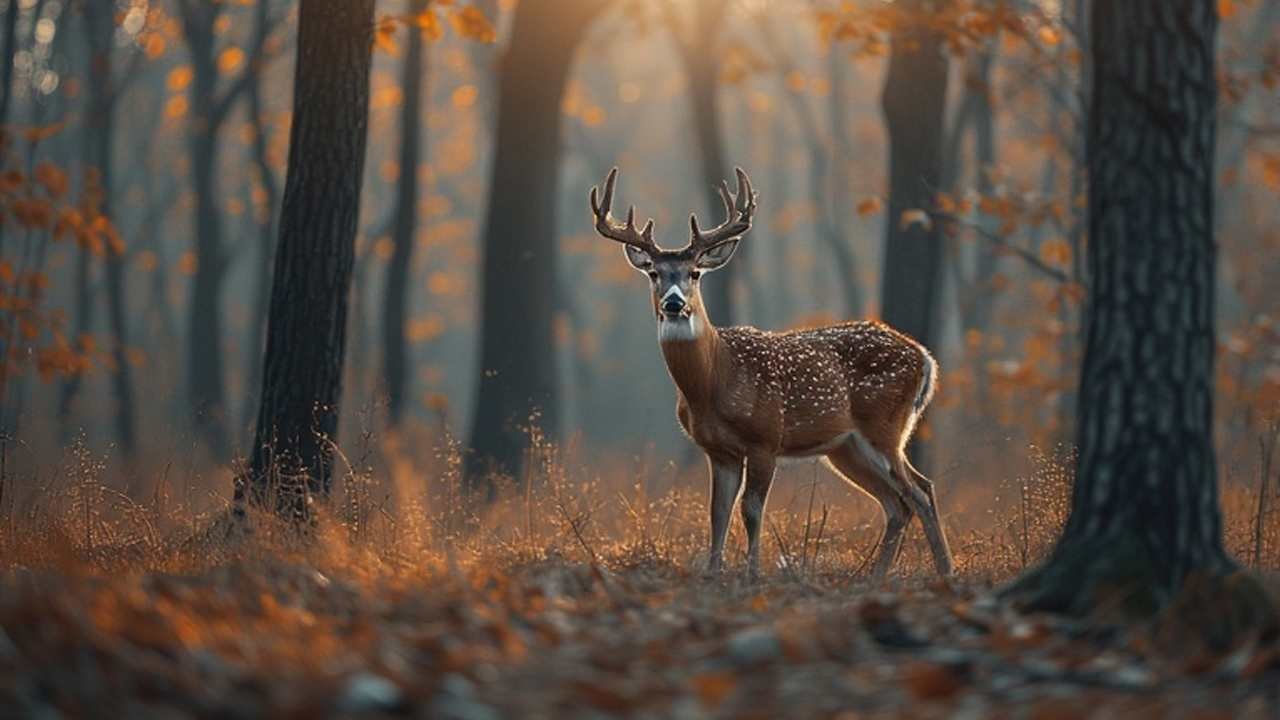
Georgia Hunting Season 2026-2027: Dates, Rules & Essential Tips
Welcome, outdoor enthusiasts! Whether you’re a seasoned hunter or just starting out, Georgia’s 2026–2027 hunting schedule offers plenty of opportunities to explore the Peach State’s diverse landscapes and wildlife. This guide breaks down everything you need to know—from season dates and license requirements to wildlife management areas and new regulations.
This guide pulls together the latest official Georgia information we could verify for the 2026–2027 cycle, including big game timing, permit rules, public-land access, turkey details, migratory bird notes, and the main Wildlife Management Area tools hunters actually use. It is written for residents, weekend hunters, and out-of-state visitors who want one practical page instead of bouncing between agency pages and rule PDFs.
📅 Quick Reference Points
| Species | Key Open Windows | Legal Methods | Youth Opportunities |
|---|---|---|---|
| Whitetail Deer | Archery Sept 12 – Oct 9; Gun Oct 17 – Jan 10; Extended archery to Jan 31 in select counties | Modern firearms, muzzleloaders, bows, crossbows | Youth-only firearms week Oct 10 – 16 |
| Wild Turkey | Youth Mar 20–21, 2027; Private land Mar 27 – May 15; Public land Apr 3 – May 15 | Shotguns and archery equipment (incl. crossbows) | Same March youth window |
| Black Bear | North Zone Sept 12 – Jan 10 (by phase); South Zone weekend sets Sept–Oct; Central Zone Dec 19 | Firearms, muzzleloaders, archery by zone | Youth can use firearms during primitive-weapon phase |
| Dove | Sept 5 – Oct 11; Nov 21 – 29; Dec 19 – Jan 31 | Shotguns only, nontoxic shot | Requires GA Waterfowl & Migratory Bird License |
| Ducks & Geese | Teal Sept 12 – 20; Ducks Nov 21 – 29 & Dec 12 – Jan 31 | Shotgun, federal duck stamp + state license | Youth/Military/Veterans days Nov 14 – 15 |
| Squirrel | Aug 15 – Feb 28 | Rifles, shotguns, bows | No special permit for residents under 16 |
That table is the 30-second version. Scroll on for the nitty-gritty on bag limits, zone rules, and fees.
🦌 Big Game Overview
Georgia runs a phased big-game framework built around whitetails, with black bear layered in by zone. One note up front: there is no elk range in Georgia, so unlike Western states, nobody here is drawing an elk tag — deer and bear carry the big-game load (turkey gets its own section below). Let’s start with the main event.
Deer
The state splits the deer calendar into archery, primitive-weapons, and general firearms phases, with a handful of extras bolted on.
| Phase | Dates | Notes |
|---|---|---|
| Archery | Sept 12 – Oct 9 | Either-sex statewide; first two weeks buck-only in Baker, Calhoun, Decatur, Early, Grady, Miller, Mitchell, Seminole & Thomas counties |
| Extended Archery (select counties) | Sept 12 – Jan 31 | Archery-only deer running late in roughly 30 suburban counties, incl. Chatham, Cherokee, Cobb, DeKalb, Fulton, Gwinnett, Hall & more |
| Special Antlerless-Only Firearms Weekend | Oct 3 – 4 | Skip the archery-only counties; also closed in a strip of mountain counties |
| Primitive Weapons & Youth-Only Firearms | Oct 10 – 16 | Muzzleloaders for adults; kids under 16 may use any legal firearm |
| Firearms | Oct 17 – Jan 10 | Statewide either-sex, county exceptions apply |
| Extended Firearms (SW GA) | Oct 17 – Jan 14 | Baker, Calhoun, Decatur, Early, Grady, Miller, Mitchell, Seminole, Thomas |
Deer limit: 12 per season statewide, max 10 antlerless and 2 antlered. One of your two bucks must meet a minimum standard — at least four points of one inch or longer on one side, or a 15-inch outside spread. A few metro counties (Clayton, Cobb, DeKalb, and Fulton north of GA 92) ban firearms deer hunting entirely, and part of Forsyth County restricts residents to shotguns and muzzleloaders. Grab the either-sex days map before you head out.
Black Bear
Bears are managed through three distinct zones with very different calendars.
| Zone | Archery | Primitive Weapons / Youth | Firearms |
|---|---|---|---|
| Northern Zone | Sept 12 – Oct 9 | Oct 10 – 16 | Oct 17 – Jan 10 |
| Central Zone | — | — | Dec 19 (a second day may open if harvest triggers; check after Dec 21) |
| Southern Zone | — | — | Sept 17–19, 24–26, Oct 1–3, 8–10 |
Bear limit is two per license year, with no more than one coming from the Central or Southern zones. If you take one below the fall line, your second bear has to come from the mountains. DNR also runs female-bear quotas in the Central Zone, so a lone December date can expand to two if the numbers allow.
🦃 Turkey Dates
Spring gobbler season is sacred in Georgia, and the 2027 setup gives private-land hunters a head start over public ground.
| Hunt Type | Dates | Bag Limit | Notes |
|---|---|---|---|
| Special Opportunity (Youth <16 & mobility-impaired) | Mar 20 – 21, 2027 | 1 per day / 2 per season | Only youth and mobility-impaired participants; private land unless specified |
| Private Land | Mar 27 – May 15, 2027 | 2 gobblers/season, 1/day | Opens a week earlier than the public-land opener |
| WMA / VPA / National Forest | Apr 3 – May 15, 2027 | 1 gobbler per area per person | Areas listed individually in the WMA section |
Legal tools for turkeys are shotguns and archery equipment, and the daily cap applies across all three windows combined. There is no fall turkey pursuit in Georgia, so plan your spring calendar around these dates.
For Southern hunters, chasing Eastern gobblers across Georgia kicks off in late March, with one of the longest spring windows in the region.
🦝 Furbearer Opportunities
The furbearer lineup offers year-round flexibility for predator control and fur hunting. A standard license plus firearm covers most of it, though trapping carries its own rules.
| Species | Season | Limit | License Notes |
|---|---|---|---|
| Coyote | No closed season on private land (night allowed) | No limit | Standard license needed; trapping requires a trapping license |
| Bobcat & Fox (gray/red) | Dec 1 – Feb 28 | No limit | Firearms allowed during the window |
| Raccoon & Opossum | Private land: no closed season; Public land: Aug 15 – Feb 28 | No limit | Night spotlighting on private property permitted with a license |
| Beaver, Muskrat, Nutria | Year-round on private land | No limit | Treated as nuisance species |
Nonresidents looking to trap need a forfeiture bond on top of the license itself, so read the fine print if that is your plan.
🐦 Small Game Section
Small-game chasing keeps the woods busy from late summer through late winter. Daily bags below follow the state bag-limit table.
| Species | Season Dates | Daily Limit |
|---|---|---|
| Squirrel | Aug 15 – Feb 28 | 12 |
| Rabbit | Nov 14 – Feb 28 | 12 |
| Quail | Nov 14 – Feb 28 | 12 |
| Ruffed Grouse | Oct 15 – Feb 28 | 3 |
| Dove | Sept 5 – Oct 11; Nov 21 – 29; Dec 19 – Jan 31 | 15/day, 45 possession |
Quick heads-up: dove is federally regulated, so anyone 16 or older needs the $5 Georgia Waterfowl & Migratory Bird License and must use nontoxic shot in the field. Rabbit and squirrel get little press but deliver some of the best action per dollar of effort in the Southeast.
🦆 Complete Waterfowl Seasons
The waterfowl calendar rides the federal framework set by the U.S. Fish and Wildlife Service, with Georgia stacking its dates to maximize the 60-day duck season.
| Species | Season Dates | Bag Limit |
|---|---|---|
| Early Teal | Sept 12 – 20 | 6/day (blue- or green-winged combo) |
| Canada Geese | Sept 5 – 27; Oct 10 – 25; Nov 21 – 29; Dec 12 – Jan 31 | 5/day (15 possession) |
| Snow Geese | Oct 10 – 25; Nov 21 – 29; Dec 12 – Jan 31 | 5/day (15 possession) |
| Ducks | Nov 21 – 29; Dec 12 – Jan 31 | 6/day with species caps (max 3 wood ducks; 2 mallards incl. 1 hen; 1 scaup; 2 redheads; 1 pintail; 2 canvasbacks) |
| Youth / Military / Veterans Days | Nov 14 – 15 | Same limits; adults accompany but don’t shoot |
| Woodcock | Dec 5 – Jan 18 | 3/day (9 possession) |
| Snipe | Nov 15 – Feb 28 | 8/day |
Coots, soras, rails, and gallinules ride along under the same migratory-bird umbrella and the same state license. Waterfowlers need both the federal duck stamp (now valid immediately when bought electronically) and the state’s waterfowl add-on. A few reservoirs — Allatoona, Lanier, and several Georgia Power lakes — carry no-hunting buffers near docks and ramps, and Lake Walter F. George requires a Corps permit beyond the Eufaula refuge. Legal hours run from one hour before sunrise to sunset, and lead shot is banned in the waterfowl zone.
🐗 Other Available Game
Beyond the headline species, Georgia keeps a few quirky opportunities on the books.
| Species | Season | Limits & Odd Rules |
|---|---|---|
| American Alligator | Aug 14 (sunset) – Oct 5 (sunrise) | Zone/quota only; 1 per quota permit; $75 resident / $250 nonresident |
| Crow | Nov 7 – Feb 28 | No limit; electronic calls allowed; can also be taken during crop-damage situations |
| Eurasian Collared Dove | Year-round, any time | No limit, no closed season — a true freebie |
| Frogs | Warm months, mostly summer | Gigging rules vary by public vs private water — check the regs before you wade in |
| Sandhill Crane | No statewide season at this time | Georgia has not adopted a crane season, unlike some neighbors to the north |
That alligator permit is one of the most competitive draws in the Southeast, so enter the quota application window early. If you recover a banded bird on any hunt, report it at the national banding lab — the data genuinely helps biologists.
🗺️ Hunting Zones
Georgia doesn’t run county deer zones like some states, but bear management and a few special rules do carve the map up.
| Zone | Coverage | What Changes |
|---|---|---|
| Northern Bear Zone | Mountain and upper-piedmont counties north of the fall line | Full archery-to-firearms progression, Sept – Jan |
| Central Bear Zone | Middle band of the state | Single firearms day in December, quota-driven |
| Southern Bear Zone | South Georgia | Four scattered weekend firearms sets, Sept – Oct |
| Archery-Only Counties | Roughly 30 metro/suburban counties | Deer by bow/crossbow only, often running to Jan 31 |
| SW GA Buck Rule | Nine southwest counties | Buck-only archery for the first two weeks |
Public ground means Wildlife Management Areas, state parks, and national forest parcels, each with its own individual calendar — those differ from statewide dates, so never assume. Also remember that private property boundaries and posted land rules still apply even when a game animal walks across the line. Grab the full geographic breakdown straight from the official Georgia season-dates page and the interactive bear-zone map on the Wildlife Resources Division site before you pick a spot.
🎟️ Permits, Tags & Licenses Details
Georgia keeps the licensing stack refreshingly simple — there is no separate habitat stamp to chase, and the core trio covers nearly everything.
| License | Resident | Nonresident | Notes |
|---|---|---|---|
| Hunting License (annual) | $15 | $100 | Required for ages 16–64 residents / all 16+ nonresidents |
| Big Game License | $25 | $225 | Needed for deer, bear, turkey |
| Sportsman’s License | $65 | $400 | Bundles hunting + fishing + big game + trout |
| Waterfowl & Migratory Bird License | $5 | $5 | Doves, ducks, geese, woodcock, snipe, coots |
| Quota Alligator Permit | $75 | $250 | By draw only |
| Youth Sportsman’s License | $15 multi-year | $50/yr | For those 15 and under |
| Senior Sportsman’s (65+) | $7 | — | Lifetime senior options from $35 |
| Honorary Veterans License | Free (one year) | — | One-time issue for eligible veterans |
A few added notes worth writing on your hand:
- Everyone hunting deer or turkey, regardless of age, must carry a Harvest Record to log kills.
- Kids under 16 are exempt from the base license but still need the Harvest Record for big game.
- An apprentice license lets beginners hunt under a licensed adult — a gentle on-ramp.
- Transaction fees run $3 online and $5 by phone at the Go Outdoors Georgia portal.
- Active-duty military and veterans also get dedicated waterfowl days in November at no extra cost.
Order online early, especially if you’re a nonresident — $100 plus the big-game add-on adds up fast, but it’s still far cheaper than many Western states’ deer tags.
❓ Georgia Hunting Quick FAQ
Do I need a license to hunt on my own land in Georgia?
If you own the property and you’re a resident, you still need a base license for most species — a landowner exemption applies mainly to the waterfowl license and some furbearer rules. The safest move is to buy the annual license and the relevant add-ons regardless.
When does deer archery season open in 2026?
The bow-only window starts September 12, 2026, in every county, with an either-sex rule statewide. The nine southwest counties flip to buck-only for the first two weeks.
Is there elk hunting anywhere in Georgia?
No. Georgia’s habitat doesn’t support a huntable elk herd, so the big-game lineup stays at deer and bear. Hunters chasing elk need to look west.
Do I need a federal duck stamp for geese?
Yes — anyone 16 or older hunting ducks or geese must hold a federal duck stamp (electronic versions now count immediately), plus the $5 state waterfowl license. Dove-only hunters skip the federal stamp but still need the state add-on.
Can kids hunt without a license?
Children under 16 don’t need the paid license to accompany adults, but they do need a free Harvest Record to take deer or turkey, and youth-only firearms week (Oct 10 – 16) is their dedicated window.
Is baiting legal for deer in Georgia?
No. Feeding or baiting deer is illegal statewide, and hunting over bait gets you cited fast. Stick to food plots, natural browse, and mineral sites if local rules allow them.
What are the legal shooting hours?
Big game runs from 30 minutes before sunrise to 30 minutes after sunset. Migratory birds are stricter: sunrise to sunset only. Know your start time before you climb into the stand.
Conclusion
That’s the 2026–2027 Georgia schedule in one sitting: archery deer kicks off September 12, the gun phase opens October 17, spring gobblers run late March through mid-May, and the duck season wraps January 31. Keep the bear zones straight, remember the 12-deer cap, and always double-check the WMA book before hunting public ground, because area-level dates routinely differ from the statewide grid.
If you’re already daydreaming about a bigger Southern road trip, the Tennessee’s 2026–2027 game schedule and Florida’s wildlife calendar are both worth bookmarking alongside this one — neighboring states open and close on completely different rhythms.
Buy your permits early, zero your rifle, and spend one evening walking the regs cover to cover. Plans made now become stories told later. Bookmark this page, because we refresh it every year when the new booklet drops.