
What Really Happens When You Break Fishing Laws: Complete Penalty Guide
Before throwing a line, every angler should be aware of the severe legal, financial, and environmental repercussions of breaking US fishing restrictions. The consequences go well beyond a mere warning, ranging from significant fines and equipment seizure to possible jail time and permanent loss of fishing privileges. Fishing without a license, exceeding catch limits, or harvesting protected species can result in penalties ranging from $50 misdemeanor citations to felony charges with fines exceeding $20,000 and jail time. State and federal enforcement agencies also keep a close eye on waterways.
Recognizing these repercussions is important for safeguarding aquatic ecosystems and providing future generations with sustainable fishing opportunities, not only for avoiding penalty. Understanding the regulations and how they are enforced can help you stay legal while having fun on the water, whether you’re fishing in freshwater lakes, coastal waterways, or negotiating the intricate needs of the complete fishing license guide. This thorough reference explains the particular fines, enforcement practices, and long-term repercussions that arise from regulatory infractions in various jurisdictions.
Types of Fishing Regulation Violations
Understanding what constitutes a violation helps anglers avoid unintentional infractions that can lead to serious consequences.
License and Permit Violations
- Fishing without a valid license or permit
- Using an expired or improperly renewed license
- Failing to carry physical or digital proof while fishing
- Purchasing incorrect license type for target species
- Not obtaining required stamps or endorsements
- Fishing in another state without proper non-resident license
- Allowing others to use your license
- Falsifying information on license applications
Catch Limit and Size Restrictions
- Exceeding daily bag limits for specific species
- Possessing fish below minimum legal size
- Keeping fish above maximum size restrictions (slot limits)
- Violating aggregate bag limits across species
- Transporting more fish than allowed
- Improperly measuring fish to meet size requirements
- Continuing to fish after reaching legal limits
- Possessing fish from multiple days that exceed limits
Seasonal and Area Closures
- Fishing during closed seasons for specific species
- Entering waters designated as no-fishing zones
- Violating spawning sanctuary closures
- Fishing in protected wildlife refuges without permission
- Ignoring temporary emergency closures
- Accessing restricted areas near dams or hydroelectric facilities
- Fishing in waters closed for restoration or research
- Violating tribal or indigenous waters restrictions
Method and Equipment Violations
- Using prohibited fishing methods or gear
- Employing illegal bait or lures
- Exceeding the maximum number of allowed fishing lines or hooks
- Using nets, traps, or devices without proper permits
- Snagging or bow fishing where prohibited
- Chumming in restricted waters
- Fishing with explosives, poisons, or electricity
- Using game fish as bait where prohibited
Protected Species Violations
- Harvesting endangered or threatened species
- Keeping non-game species illegally
- Possession of species closed year-round
- Failing to immediately release protected catches
- Not reporting incidental catches of protected species
- Disturbing critical habitat areas
- Selling or trafficking protected fish
- Mutilating fish to conceal species identification
Financial Penalties by Violation Type
The monetary consequences of fishing violations vary significantly based on offense severity, jurisdiction, and whether it’s a first-time or repeat violation.
Misdemeanor Offense Fines
| Violation Category | First Offense Range | Repeat Offense Range | Additional Costs |
|---|---|---|---|
| No Valid License | $50 – $500 | $150 – $1,000 | Court fees $75-$200 |
| Minor Catch Limit Excess | $100 – $750 | $250 – $1,500 | Per-fish penalties |
| Size Restriction Violation | $75 – $600 | $200 – $1,200 | Species restitution |
| Closed Season Fishing | $150 – $1,000 | $500 – $2,500 | Habitat restoration fees |
| Improper Gear Usage | $100 – $800 | $300 – $1,800 | Equipment forfeiture |
| Trespassing on Private Waters | $200 – $1,500 | $600 – $3,000 | Property damages |
Felony and Serious Violation Penalties
| Violation Type | Fine Range | Imprisonment | Long-term Impact |
|---|---|---|---|
| Commercial Poaching | $5,000 – $50,000 | 1-5 years | Permanent ban possible |
| Endangered Species Harvest | $10,000 – $100,000 | 6 months – 3 years | Federal criminal record |
| Repeat Serious Violations | $2,500 – $20,000 | Up to 2 years | License revocation 5-10 years |
| Organized Illegal Operations | $25,000 – $250,000 | 2-10 years | Asset forfeiture |
| Environmental Damage | $15,000 – $75,000 | 1-5 years | Restitution requirements |
Per-Fish Restitution Penalties
States often impose additional fines for each illegally harvested fish, calculated by species value:
- Trout Species: $50 – $200 per fish
- Bass (Largemouth/Smallmouth): $75 – $300 per fish
- Salmon: $100 – $500 per fish
- Striped Bass: $150 – $600 per fish
- Sturgeon: $500 – $3,000 per fish
- Trophy Fish (record size): $1,000 – $10,000 per fish
- Endangered Species: $5,000 – $25,000 per fish
Equipment and Property Seizure
Beyond fines, enforcement officers have authority to confiscate property used in committing violations.
Items Subject to Confiscation
- All fishing rods, reels, and tackle boxes
- Boats, kayaks, canoes, and watercraft
- Vehicles used to transport illegally caught fish
- Trailers and boat-towing equipment
- Electronic fish finders and GPS devices
- Nets, traps, and specialized harvesting equipment
- Coolers and containers holding illegal catch
- Cameras and equipment documenting violations
Equipment Forfeiture Process
- Immediate Seizure: Officers confiscate items at the scene
- Evidence Documentation: Photos and records of all seized property
- Legal Notice: Owner receives formal notification of forfeiture proceedings
- Contest Period: Typically 30-60 days to challenge seizure
- Administrative Hearing: Formal process to present defense
- Final Decision: Property returned, auctioned, or destroyed
- Auction Proceeds: Often fund conservation programs
- Permanent Loss: High-value items rarely returned for serious violations
Asset Recovery and Redemption
- Payment of full fine amount plus storage fees
- Proof of legitimate ownership (receipts, registration)
- No history of previous serious violations
- Equipment value proportionate to violation severity
- Good faith defense demonstrating lack of intent
- Cooperation with investigation and enforcement
- Settlement agreement with wildlife agency
- Completion of hunter education or remediation courses
Criminal Records and Legal Consequences
Fishing violations create legal records that extend beyond immediate penalties.
Misdemeanor Convictions Impact
- Permanent criminal record in state and potentially federal databases
- Background check disclosures for employment
- Professional licensing complications (guide licenses, commercial permits)
- Immigration status implications for non-citizens
- Firearm ownership restrictions in some jurisdictions
- Enhanced penalties for subsequent outdoor recreation violations
- Exclusion from government land use permits
- Difficulty obtaining future outdoor recreation credentials
Felony Convictions Consequences
- Federal criminal record with lifetime implications
- Significant employment barriers across industries
- Loss of voting rights in certain states
- Prohibition from firearm ownership and possession
- Ineligibility for federal wildlife permits and licenses
- Housing application rejections
- Professional certifications revoked
- International travel restrictions
Court Appearances and Legal Costs
- Initial Citation: Officer issues ticket with court date
- Attorney Fees: $1,500 – $10,000 for legal representation
- Court Costs: $200 – $800 per appearance
- Plea Bargaining: Negotiation for reduced charges
- Trial Expenses: $5,000+ if case proceeds to trial
- Appeal Costs: Additional $3,000 – $15,000 if appealing conviction
- Probation Fees: $40 – $60 monthly during probation period
- Restitution Payments: Structured payment plans for large fines
License Suspension and Revocation
Loss of fishing privileges represents one of the most significant non-financial consequences for avid anglers.
Suspension Duration by Offense Severity
| Offense Level | First Violation | Second Violation | Third+ Violation |
|---|---|---|---|
| Minor Infractions | Warning – 6 months | 6 months – 1 year | 1 – 3 years |
| Moderate Violations | 1 – 2 years | 2 – 5 years | 5 – 10 years |
| Serious Violations | 3 – 5 years | 5 – 10 years | 10 years – Lifetime |
| Felony Convictions | 5 – 15 years | 10 years – Lifetime | Permanent ban |
Interstate Compact Enforcement
The Interstate Wildlife Violator Compact (IWVC) ensures that license suspensions in one member state apply across all participating states:
- 48 participating states share violation information
- Suspension in home state triggers reciprocal suspensions
- Cannot obtain license in any member state during suspension
- Violations committed out-of-state reported to home state
- Accumulated points affect licensing in all jurisdictions
- Outstanding fines prevent license renewal anywhere
- Restoration in one state requires clearance in all states
- Non-resident privileges suspended along with resident rights
License Restoration Process
- Complete full suspension period without violations
- Pay all outstanding fines, fees, and restitution
- Submit formal application for restoration
- Complete mandatory hunter/angler education courses
- Attend conservation ethics workshops (if required)
- Character references or community service (serious violations)
- Probationary period with restrictions
- Enhanced monitoring during initial restoration period
Point Systems and Progressive Penalties
Many states employ point-based systems that escalate consequences for repeat violators.
Typical Point Assessment Structure
- No License/Invalid License: 4-6 points
- Exceeding Bag Limits: 3-5 points
- Size Violations: 2-4 points
- Closed Season Fishing: 4-8 points
- Protected Species: 8-12 points
- Equipment Violations: 2-4 points
- Trespassing: 3-6 points
- False Reporting: 5-8 points
Point Accumulation Consequences
- 0-5 Points: Warning letter, fine payment
- 6-10 Points: Mandatory education course, license probation
- 11-15 Points: License suspension 1-2 years
- 16-20 Points: License suspension 3-5 years
- 21+ Points: Extended suspension or permanent revocation
Point Reduction Options
- Automatic reduction: 1-2 points per year without violations
- Voluntary education courses: 2-3 point reduction
- Community service hours: Varies by state
- Conservation project participation: 1-4 point reduction
- Complete removal after 3-5 years violation-free
- Appeal process for disputed citations
- First-time offender programs with point erasure
- Plea agreements reducing point assessment
Civil Restitution and Damages
Beyond criminal penalties, violators may face civil lawsuits for environmental damage or property losses.
Environmental Damage Claims
- Habitat destruction remediation costs
- Water quality restoration expenses
- Ecosystem assessment and monitoring fees
- Native species restocking programs
- Wetland or riparian zone rehabilitation
- Long-term environmental impact studies
- Public resource loss calculations
- Attorney fees and litigation costs
Calculation of Fish and Wildlife Values
States assign dollar values to fish populations for restitution calculations:
Common Species Valuation:
- Sunfish/Panfish: $10 – $25 per fish
- Crappie: $15 – $40 per fish
- Catfish: $20 – $50 per fish
- Walleye: $50 – $150 per fish
- Northern Pike: $40 – $120 per fish
- Muskellunge: $200 – $800 per fish
Trophy and Special Status:
- Record-class specimens: 5-10x standard value
- Brood stock from hatcheries: $500 – $2,000 per fish
- Research study subjects: Actual project cost replacement
- Genetically valuable populations: Enhanced multiplier
Third-Party Liability
- Property owner damages for trespassing violations
- Commercial fishing operation losses
- Tourism business impact from publicized violations
- Private pond or lake stocking cost recovery
- Damage to docks, boats, or structures
- Medical costs from confrontations with property owners
- Lost income for fishing guides due to area closures
- Civil suits from conservation organizations
Federal Violations and Magnuson-Stevens Act
Federal waters and certain species fall under additional regulations with distinct penalty structures.
Federal Offense Categories
Lacey Act Violations prohibit trafficking of illegally taken fish across state or international borders:
- Transporting illegally caught fish interstate
- Importing fish taken in violation of foreign laws
- False labeling or documentation of fish shipments
- Selling fish without proper permits
- Penalties: Up to $20,000 fines and 5 years imprisonment
Marine Protected Areas:
- National Marine Sanctuaries violations
- Critical habitat disturbance
- Special management zone infractions
- Research reserve unauthorized access
- Fines: $50,000 – $500,000 for serious violations
NOAA Enforcement Actions
National Oceanic and Atmospheric Administration handles saltwater violations in federal jurisdictions:
- Summary settlements: $500 – $25,000 for cooperative violators
- NOVA (Notice of Violation and Assessment): Formal penalty notices
- Administrative hearings before federal judges
- Asset forfeiture of vessels and equipment
- Permit sanctions affecting commercial operations
- Enhanced penalties for quota violations
- International treaty violation consequences
- Multi-year fishing prohibition in federal waters
State-Specific Penalty Variations
Consequences differ substantially across state lines, making understanding essential fishing safety guidelines and regulations critical for traveling anglers.
High-Penalty States
Alaska:
- Protected salmon violations: $300 – $5,000
- King salmon violations carry mandatory court appearances
- Subsistence fishing violations affect indigenous rights
- Commercial violations: License forfeiture plus substantial fines
Florida:
- Saltwater violations often exceed freshwater penalties
- Lobster and stone crab violations: $500 – $1,000 first offense
- Reef fish violations in federal waters: Enhanced federal penalties
- Manatee zone violations add substantial costs
California:
- Abalone violations: $10,000+ even for possession
- Commercial fishing violations: License revocation common
- Sturgeon violations carry mandatory jail time for repeaters
- Marine protected areas strictly enforced with high fines
Moderate-Penalty States
Texas:
- Game fish violations: $25 – $500 first offense
- Red drum and speckled trout closely monitored
- Parks and Wildlife points system affects all outdoor licenses
- Repeat violations escalate quickly
Pennsylvania:
- Trout violations during stocked seasons heavily enforced
- Lake Erie walleye and perch strictly monitored
- First-time offenders often receive warnings
- Educational diversion programs available
Variation Factors
- Local conservation priorities and threatened species
- Enforcement agency funding and staffing levels
- Cultural importance of fishing in the region
- Economic impact of sport and commercial fishing
- Political climate regarding environmental protection
- Historical poaching or overfishing problems
- Tourist vs. resident violation patterns
- Judicial attitudes toward wildlife crimes
Enforcement and Apprehension Methods
Understanding how violations are detected helps anglers avoid both intentional and accidental infractions.
Law Enforcement Personnel
- State conservation officers and game wardens
- Federal fish and wildlife special agents
- National Park Service rangers
- Coast Guard personnel in maritime areas
- County sheriff marine patrol units
- Tribal conservation enforcement on indigenous lands
- Volunteer “stream teams” reporting suspicious activity
- Commercial fishing enforcement divisions
Detection Technologies
Surveillance Systems:
- Remote cameras at popular fishing access points
- Aerial surveillance including drones and aircraft
- Sonar detection of illegal netting operations
- License plate readers at boat ramps
- Night vision equipment for after-hours monitoring
- GPS tracking of commercial vessels
- Satellite imagery for large-scale operations
Digital Monitoring:
- Social media posts showing violations
- Electronic license verification systems
- Automated catch reporting data analysis
- Tournament weigh-in records
- Creel survey comparisons
- Fish market supply chain audits
- Online sales platform monitoring
Inspection Procedures
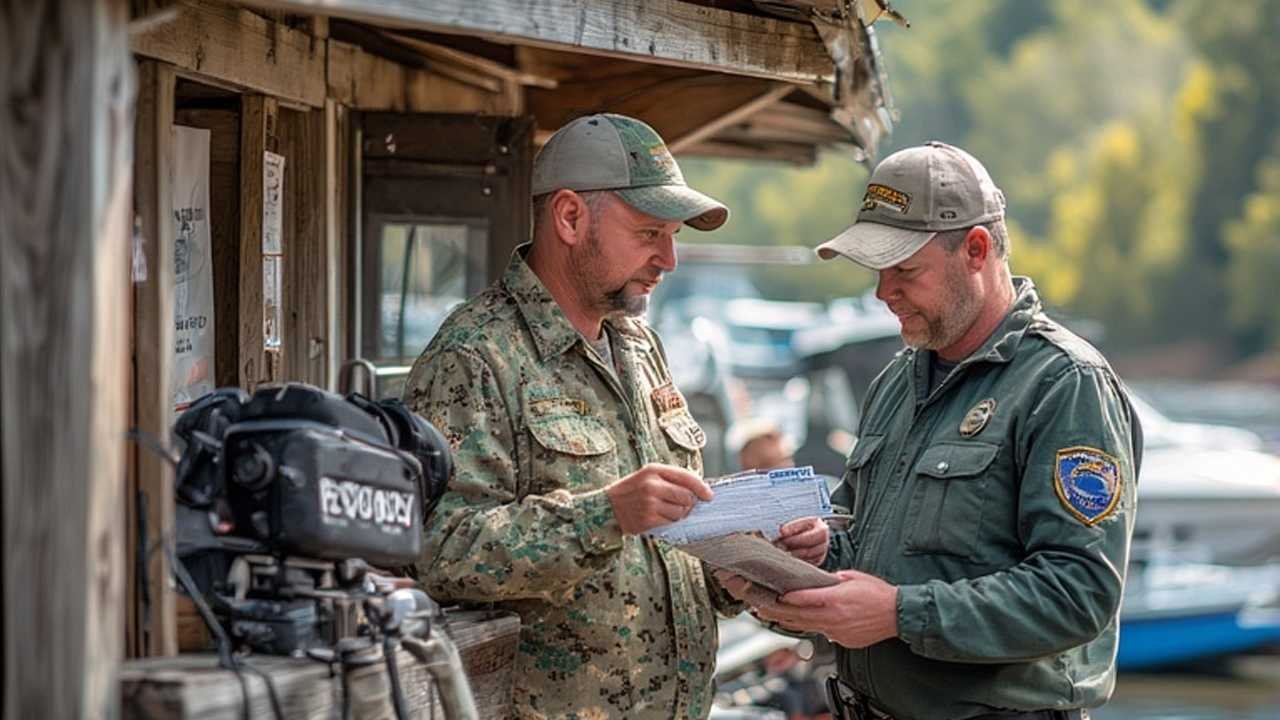
- Initial Contact: Officer identifies self and requests license
- License Verification: Physical or digital license checked against database
- Catch Inspection: Count, species identification, and measurement
- Equipment Review: Checking for legal gear and methods
- Vehicle/Vessel Search: When probable cause exists
- Citation Issuance: Written notice of violation and court date
- Evidence Collection: Photos, measurements, and witness statements
- Property Seizure: If equipment forfeiture warranted
Defenses and Mitigation Strategies
Understanding legal defenses and mitigation options can reduce penalties when violations occur.
Valid Legal Defenses
- Lack of Knowledge: Demonstrating genuine ignorance of new or changed regulations
- Mistaken Identity: Proving someone else committed the violation
- Emergency Circumstances: Medical or safety situations requiring rule violations
- Faulty Equipment: Measurement device errors or broken gear
- Officer Error: Improper procedures or incorrect species identification
- Entrapment: Induced by enforcement to commit violation
- Regulatory Ambiguity: Unclear or contradictory published rules
- Private Property Rights: Legitimate authorization to fish private waters
Penalty Reduction Factors
Cooperation and Attitude:
- Polite, respectful interaction with officers
- Immediate admission and acceptance of responsibility
- Voluntary disclosure of additional violations
- Assistance in education or enforcement efforts
- Clean violation history
- Documented conservation contributions
Education and Remediation:
- Completing advanced angler education courses
- Participating in habitat restoration projects
- Serving as volunteer conservation educator
- Making charitable donations to fish and wildlife funds
- Public speaking about regulation compliance
- Creating educational content about violations
First-Time Offender Programs
Many jurisdictions offer diversion programs that can eliminate or reduce penalties:
- Deferment of prosecution pending completion of requirements
- Community service hours in conservation projects
- Mandatory education course completion
- Probationary period with enhanced monitoring
- Restitution payment without criminal conviction
- Expungement of record after compliance period
- Reduced fines in exchange for program participation
- Restoration of full privileges upon successful completion
Long-Term Impacts on Fishing Opportunities
The consequences of violations extend well beyond immediate penalties, affecting future outdoor recreation.
Professional and Commercial Impacts
- Charter Captain/Fishing Guide Licenses: Revoked or denied for violations
- Commercial Fishing Permits: Suspension or permanent loss
- Tournament Participation: Banned from competitive fishing events
- Sponsorship Agreements: Loss of industry endorsements and partnerships
- Outdoor Media Careers: Credibility damage for writers and broadcasters
- Marine Trades Business: Difficulty maintaining dealer licenses
- Educational Programs: Ineligibility to teach angling courses
Recreational Restrictions
Even after license restoration, some violations create lasting limitations:
- Probationary monitoring requiring check-ins
- Restricted access to certain premier fisheries
- Prohibition from specific fishing methods
- Exclusion from quota species or limited-entry fisheries
- Enhanced reporting requirements
- Inability to obtain special permits or stamps
- Watch list status triggering frequent inspections
- Community reputation damage in fishing circles
Financial Long-Term Costs
Beyond Initial Penalties:
- Higher insurance rates for boat and vehicle coverage
- Professional license renewals at increased costs
- Background check fees for clearance documentation
- Travel expenses for required court appearances
- Lost wages from time away from employment
- Increased legal fees for subsequent minor issues
- Difficulty securing business loans or permits
- Reduced property values with attached criminal history
Ecological and Conservation Consequences
Violations don’t just affect individual anglers—they harm fish populations and ecosystems.
Population Impact Studies
Research demonstrates that regulation violations significantly affect fisheries:
- Overharvest during spawning seasons reduces recruitment by 15-40%
- Trophy fish removal disrupts breeding success rates
- Undersized fish harvest affects long-term growth potential
- Bycatch and waste reduce forage base for target species
- Habitat disturbance from illegal methods damages spawning areas
- Introduced diseases from contaminated live bait
- Genetic diversity loss from targeting large specimens
Recovery Costs and Timeframes
Species Recovery Following Overfishing:
- Trout populations: 3-7 years for age structure restoration
- Bass populations: 5-10 years to rebuild trophy size classes
- Salmon runs: 10-20 years depending on life cycle
- Sturgeon populations: 20-50 years due to late maturity
- Muskie populations: 15-25 years with intensive management
- Crappie populations: 2-5 years with good recruitment
Stocking and Management Expenses:
- Fingerling production: $0.50 – $3.00 per fish
- Catchable trout: $5.00 – $15.00 per fish
- Brood stock replacement: $100 – $1,000 per fish
- Habitat restoration: $10,000 – $500,000 per project
- Population monitoring: $50,000 – $200,000 annually
Multi-Jurisdictional Enforcement Cooperation
Modern technology enables unprecedented coordination between enforcement agencies.
Information Sharing Systems
- WILD (Wildlife Information Liaison Database): National violation tracking
- Interstate Wildlife Violator Compact Database: Real-time license status
- Federal NCIC Integration: Links to criminal justice databases
- Regional Enforcement Networks: Multi-state task forces
- International Wildlife Trade Monitoring: CITES enforcement
- Commercial Harvest Reporting Systems: Cross-referenced catch data
Joint Operations
Federal, state, and local agencies frequently conduct coordinated enforcement:
- Multi-state sting operations targeting organized poaching
- Coordinated patrol schedules during peak seasons
- Information sharing about known violators
- Joint training on species identification and evidence collection
- Unified prosecution strategies for major cases
- Task forces addressing specific conservation threats
- Cross-deputization allowing broader jurisdiction
- Combined resources for expensive surveillance technology
Prevention and Compliance Best Practices
Avoiding violations requires proactive knowledge and careful attention to detail.
Pre-Trip Research Checklist
- Verify current license validity and required endorsements
- Review updated regulations for target waters
- Confirm seasonal opening and closing dates
- Check daily and possession limits for all species
- Research size restrictions and measurement methods
- Identify protected species and their characteristics
- Note special area restrictions or closures
- Download digital regulation summaries or apps
On-Water Compliance Strategies
Documentation Practices:
- Carry physical or digital license at all times
- Keep regulations summary accessible
- Photograph or record catches for verification
- Maintain accurate catch logs with time stamps
- Separate daily catches from possessed fish
- Use measuring boards for accurate length verification
- Release fish carefully to avoid unintended mortality
- Document special permits or property access authorization
Equipment Checks:
- Verify rod and line counts against regulations
- Remove prohibited hooks or lures
- Check net mesh size if using landing nets
- Ensure live wells maintain proper fish condition
- Clean gear between waters to prevent invasive spread
- Carry proper measuring devices
- Use non-offset circle hooks where required
Educational Resources
- State agency regulation booklets and websites
- Mobile apps with GPS-based regulation lookup
- Online webinars and video tutorials
- Local tackle shop regulation updates
- Angler mentorship programs
- Conservation organization workshops
- According to U.S. Fish and Wildlife Service educational initiatives
- University extension fishing programs
Reporting Violations and Witness Responsibilities
Ethical anglers play a crucial role in protecting fisheries by reporting observed violations.
When and What to Report
Observable Violations:
- Individuals fishing without checking licenses
- Excessive catch being kept beyond limits
- Harvesting obviously undersized fish
- Fishing in clearly marked closed areas
- Using prohibited methods or equipment
- Harassment of protected species
- Waste or abandonment of fish
- Commercial activity without permits
Information to Collect:
- Date, time, and specific location
- Physical descriptions of individuals
- Vehicle make, model, color, and license plate
- Boat registration numbers and descriptions
- Number and species of fish involved
- Photos or video if safely obtainable
- Witness contact information
- Direction of travel when leaving
Reporting Channels
- State wildlife agency hotlines (often 24/7)
- Text or online reporting systems
- Local conservation officer direct contact
- Anonymous tip lines (where available)
- Emergency 911 for dangerous situations
- Coast Guard for maritime violations
- Federal agencies for cross-border issues
Witness Protection and Anonymity
Most states protect reporting individuals through:
- Anonymous tip line systems
- Confidential informant protocols
- Witness identity protection in court proceedings
- Reward programs for information leading to convictions
- Legal protections against retaliation
- No requirement to testify in minor cases
Technology and Future Enforcement Trends
Emerging technologies are transforming how regulations are enforced and violations detected.
Digital License Systems
- Smartphone-based licenses eliminating paper requirements
- Real-time validation during inspections
- Automatic catch reporting through apps
- GPS logging of fishing locations and times
- Photo documentation requirements for trophy catches
- Blockchain verification preventing forgery
- Integration with tournament weigh-in systems
Advanced Monitoring Systems
Artificial Intelligence Applications:
- Automated species identification from photos
- Social media scanning for violation evidence
- Pattern analysis identifying likely poaching activity
- Predictive modeling of high-violation times and locations
- Facial recognition at access points
- Vehicle tracking across multiple cameras
Environmental DNA (eDNA) Analysis:
- Water sampling revealing species presence
- Verification of claimed catch locations
- Detection of illegal stocking or transfers
- Population assessment without traditional surveys
Electronic Enforcement Tools
- Body cameras on conservation officers
- Portable electronic measuring and weighing devices
- Instant fine payment processing systems
- Digital evidence collection and chain of custody
- Remote court appearances for minor violations
- Electronic monitoring bracelets for serious offenders
Frequently Asked Questions
What happens if I accidentally catch a protected or out-of-season fish?
The fish must be released back into the water right away with as little handling as possible. Even inadvertent possession might have consequences if you don’t release it right away. To show good faith, notify authorities right away if the fish is hurt or dies in spite of your attempts to release it. If questioned subsequently, photographic proof of appropriate release efforts can aid in the defense against charges.
Can fishing violations from years ago still affect my ability to get a license?
Yes, particularly if fines remain unpaid or if you’re during a suspension term. States have the authority to refuse licenses to anyone who have unresolved infractions in other states under the Interstate Wildlife Violator Compact. Serious infractions may show on your record indefinitely, but the majority stay on for five to ten years. Following protracted periods without a violation, several states allow record erasure.
Do I need separate licenses if I fish across state borders in one day?
Of course. Even if you’re fishing on separate sides of a border lake or river, each state needs a valid license. Reciprocal agreements and border-water exemptions are available in some states, although they are restricted. Always do your homework beforehand. Penalties are severe if you are found fishing in seas under the authority of another state with only one state’s license.
What should I do if I receive a citation I believe is incorrect?
Keep your composure and show the officer respect, but make it apparent that you want to challenge the citation. Take pictures, write down the specifics of what happened, and record witness information. Unless mandated by law, never sign anything that acknowledges guilt. Contact an attorney versed in wildlife law before your court date. You can obtain photographic or video evidence from body cams in several jurisdictions.
Are there different penalties for freshwater versus saltwater fishing violations?
Often, especially in coastal locations where state laws may be supplemented by federal safeguards for saltwater species. Penalties for federal infractions in ocean waters are usually greater than those for state infractions in freshwater. Some highly prized marine species like red snapper, striped bass, or billfish have unique increased penalties owing to conservation concerns and international treaty responsibilities.
Can a fishing violation affect my hunting license or other outdoor permits?
Yes, in the majority of states. All outdoor recreation permits normally use point systems. You may lose your hunting, trapping, and other wildlife-related rights if you commit a significant fishing infraction. The license of commercial guides may be revoked for all acts. These suspensions apply to all outdoor recreational activities, not just fishing, in all participating states under the Interstate Wildlife Violator Compact.
What happens if a child or teen is caught violating fishing regulations?
Age and state-specific consequences differ. While many states do not need licenses for very young children, parents are nevertheless held accountable for their behavior. Teens with licenses face equal penalties to adults, while judges may be more forgiving for first-time offenders. When kids under their care commit infractions, parents or guardians may be held accountable. Cases involving minor offenders are usually handled by juvenile court systems, which prioritize education over punishment for initial crimes.
How do tournament anglers avoid violations when competing?
Tournament organizers often adopt standards that correspond with or exceed state requirements. Participants are required to keep their permits up to date, adhere to all bag and size restrictions, and accurately record their catches. Concerns about possession limits are eliminated by the requirement for live release in many competitions. The process of culling, or switching out lesser fish for larger ones, is strictly controlled. To guarantee compliance, tournament administrators frequently collaborate directly with conservation officials. In addition to ordinary legal sanctions, violations during competitions may result in disqualification.
Are there any circumstances where ignorance of regulations is a valid defense?
Very rarely. In general, fishing restrictions are subject to the legal maxim “ignorance of the law is no excuse.” Some jurisdictions, however, may lessen punishments for first-time offenders who show that they tried their best to comprehend the regulations but came upon material that was actually unclear or conflicting. Recently modified restrictions with minimal public notice may afford limited protection. Mitigation requests can be supported by documentation of your research efforts and discussions with agency representatives.
What happens to fish that are confiscated as evidence?
States and circumstances have different protocols. Food banks, homeless shelters, and other nonprofits frequently get donations of fresh, edible fish. Fish used as evidence in ongoing investigations may be measured, photographed, and subsequently disposed of in accordance with health rules. Specimens may end up at research centers or educational institutes, particularly when it comes to rare or protected species. In order to preserve evidence for use in court, officers take pictures and write notes on everything before it is disposed of.
Summary and Key Takeaways
Many fishermen are unaware of the considerably more severe repercussions of breaking fishing restrictions. The significance of compliance is highlighted by realizing that the consequences go beyond mere fines and include things like equipment confiscation, criminal records, license suspensions in some states, and long-term effects on fish populations and individual possibilities.
The ideal strategy is simple: properly read the rules before going fishing, bring the right paperwork, measure and count your catches precisely, and release anything that seems suspect. By taking a few minutes to research the existing regulations and secure the necessary permissions, we can conserve the fisheries on which we all rely and avoid years of negative effects. Examining ethical fishing practices offers helpful advice for sustainable fishing for anybody curious in responsible angling methods.
If you have any questions concerning any of the regulations, get in touch with your state wildlife department. Generally speaking, conservation authorities are happy to address inquiries and value fishermen who try to follow the rules. The penalties of infractions—financial, legal, and personal—far outweigh the investment in knowledge and appropriate license.