
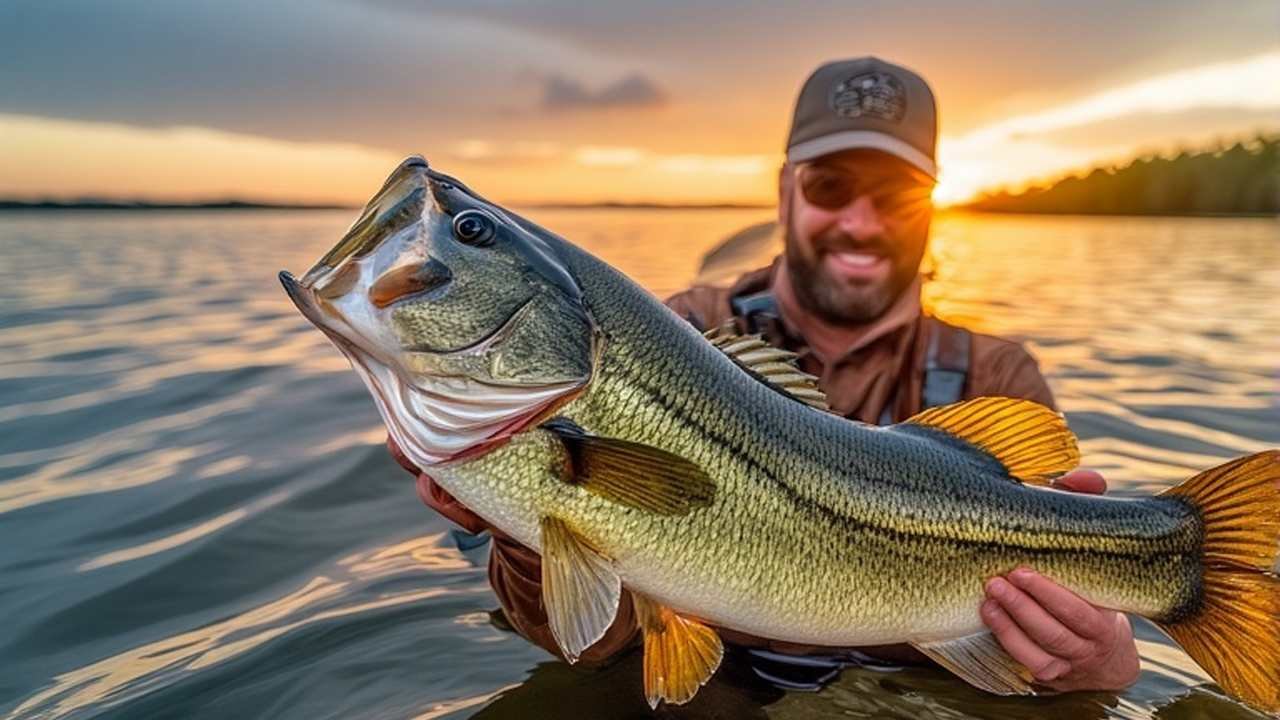
Kentucky Fishing Season and Limits for 2025–2026 by Month – Species, Licenses & Hotspots
You know there’s something special about fishing in the Bluegrass State if you’ve ever stood at the edge of a foggy lake in Kentucky at first light, rod in hand, and the hope of that first hit pulsing through your veins. Kentucky’s varied waters provide year-round chances to catch everything from fierce smallmouth bass to enormous flathead catfish, regardless of your level of experience or whether you’re teaching your child to bait their first hook.
Everything you need to know about Kentucky’s fishing schedule for 2025–2026 is broken down in this guide, from the best hotspots and license requirements to season dates and creel limits. The common species, specialty catches, and those undiscovered treasures that locals frequent to fill their stringers will all be covered. Now get your tackle box and let’s get started! 🐟
🌊 Welcome to Angling Paradise in Kentucky!
With more than 90,000 miles of streams and rivers, as well as innumerable lakes and reservoirs, Kentucky is a freshwater fishing paradise that is known for more than just bourbon and bluegrass music. There is something for every angler in the state, from the expansive Kentucky Lake in the west to the pristine trout waters of the Cumberland River tailwaters.
The fishing license year for 2025–2026 begins on March 1, 2025, and ends on February 28, 2026. In order to maintain healthy populations, the majority of sport fish have year-round seasons with set size and bag restrictions. Always check local postings before casting because some species, like trout, have special seasonal rules and some waters have special regulations.
Regardless of whether you live in Kentucky or are traveling from out of state, you must have the appropriate license. But don’t worry, we’ll explain everything below. Let’s first examine what is biting and when!
📅 Quick Reference Table by Month
Here’s a snapshot of major species you can target throughout the year in Kentucky waters:
| Species | Season | Daily Bag Limit | Min. Size | Special Notes |
|---|---|---|---|---|
| Largemouth Bass | Year-round | 6 (combined bass)* | 12 inches | Statewide regulation |
| Smallmouth Bass | Year-round | 6 (combined bass)* | 12 inches | Check special regs on certain streams |
| Kentucky/Spotted Bass | Year-round | 6 (combined bass)* | None | Part of combined bass limit |
| Crappie (Black & White) | Year-round | 20 combined | None | Some lakes have 10″ minimum |
| Rainbow Trout | Year-round** | 8 | None | Catch & release Oct 1–Mar 31 certain streams |
| Brown Trout | Year-round** | 1 | 16 inches | Cumberland River tailwater prime spot |
| Walleye/Sauger | Year-round | 6 combined | 14 inches | Great in Lake Cumberland |
| Muskellunge | Year-round | 1 | 30 inches | Trophy fish—Green River Lake |
| Channel Catfish (under 28″) | Year-round | No limit | None | Abundant in all major lakes |
| Blue/Flathead Catfish (under 35″) | Year-round | No limit | None | Trophy fish 35″+ have 1 fish limit |
| White/Hybrid Striped Bass | Year-round | 15 | None | Max 5 over 15 inches |
| Striped Bass | Year-round | 5 | 15 inches | Rough River Lake hotspot |
| Paddlefish | Year-round | 2 | None | Permit may be required |
*Combined total of all black bass species. Always verify special regulations for specific waters.
Note: Some trout streams have seasonal catch-and-release regulations from October through March. Check the Kentucky Fish & Wildlife official regulations for updates.
🐟 Popular Sport Fish: What’s Biting & Where
Largemouth & Smallmouth Bass
Kentucky is bass country, plain and simple. Both largemouth and smallmouth thrive here, and you can chase them 365 days a year. The statewide minimum size is 12 inches, with a combined daily limit of 6 bass (any combination of largemouth, smallmouth, spotted, or Coosa bass).
Best Times to Fish:
- Spring (March–May): Pre-spawn and spawn periods are peak times. Fish shallow waters, coves, and rocky banks.
- Summer (June–August): Bass move deeper. Target structure like submerged timber and ledges.
- Fall (September–November): Feeding frenzy before winter. Topwater action heats up.
- Winter (December–February): Slow down your presentations. Fish deep and slow.
Top Waters: Lake Cumberland, Kentucky Lake, Barren River Lake, and the upper Green River are legendary bass waters. If you’re chasing smallmouth, head to the lower end of Lake Cumberland near Wolf Creek Dam—it’s a bucket-list destination for bronzebacks.
Crappie: The People’s Fish 🐠
If bass are the rockstars, crappie are the reliable session musicians—always there when you need them. Both black and white crappie populate Kentucky waters, and they’re a family-friendly target perfect for beginners.
Season: Year-round
Bag Limit: 20 per day (combined)
Size Limit: None statewide (some lakes have 10-inch minimums)
When to Target Them:
- Spring (March–May): Crappie move shallow to spawn. Fish around brush piles, docks, and submerged trees.
- Summer & Fall: They suspend in deeper water near structure.
- Winter: Slow trolling with jigs in 15–25 feet works wonders.
Hotspots: Kentucky Lake, Lake Barkley, Rough River Lake, and Green River Lake all produce excellent crappie catches. Locals swear by minnows under slip bobbers in spring.
Walleye & Sauger: The Low-Light Predators
These toothy predators prefer cooler water and low-light conditions. Kentucky’s 14-inch minimum size and 6-fish daily limit (combined with sauger and hybrids) keep the fishery healthy.
Prime Time: Early morning, late evening, and overcast days. Spring and fall are peak periods.
Where to Find Them: Lake Cumberland is Kentucky’s walleye capital. The tailwaters below Wolf Creek Dam also produce quality fish. Other good bets include Dewey Lake and Cave Run Lake.
Pro Tip: Troll crankbaits or jig with minnows along rocky points and drop-offs after dark.
Muskellunge: The Fish of 10,000 Casts 🦈
If you want a challenge that’ll test your patience and make your arms burn, chase muskie. Kentucky’s 30-inch minimum and 1-fish daily limit protect these apex predators.
Best Waters: Green River Lake and Cave Run Lake are your best bets. These giants lurk near submerged timber and weed edges.
Season Notes: Fall is prime muskie season when water temps drop and they feed aggressively before winter.
Catfish: Kentucky’s Bottom-Feeding Bruisers
Kentucky catfish come in three flavors: channel, blue, and flathead. Here’s where it gets interesting—there are no limits on smaller catfish, but trophy-sized cats have strict protections:
- Channel Catfish 28″+ : 1 per day
- Blue & Flathead Catfish 35″+: 1 each per day
- Smaller cats: No limit
Best Bets: Kentucky Lake, Ohio River, and just about any reservoir will have catfish. They bite year-round, but summer nights are legendary. Use cut bait, stinkbaits, or live bluegill for flatheads.
🦞 Specialty Species: The Unique Catches
Trout: Cold-Water Gems 🎣
Kentucky may not be Montana, but the Cumberland River tailwater below Wolf Creek Dam offers world-class trout fishing. The cold water released from the dam creates a year-round trout fishery.
Species Available:
- Rainbow Trout: 8 per day, no size limit
- Brown Trout: 1 per day, 16-inch minimum
- Brook Trout: Catch-and-release only in most waters
- Cutthroat Trout: 1 per day, 20-inch minimum
Seasonal Notes: Some designated trout streams have catch-and-release seasons from October 1 through March 31. Check regulations for waters like Bark Camp Creek, Middle Fork Red River, and other stocked streams.
Stocking Schedule: Kentucky stocks rainbow trout in the FINs (Fishing in Neighborhoods) program at community lakes and select streams. Visit the Kentucky Fish & Wildlife trout stocking schedule for specific dates and locations.
Paddlefish: Ancient River Monsters
These prehistoric filter-feeders are found in big river systems. They’re catch-and-release only in most places, but snagging seasons exist in specific areas. Check for special paddlefish permits if required in your fishing area.
Daily Limit: 2 (where harvest is allowed)
Striped Bass & Hybrids
These powerful fish offer explosive fights. Striped bass have a 5-fish daily limit with a 15-inch minimum. White bass and hybrid striped bass have a 15-fish limit, but only 5 can exceed 15 inches.
Best Lakes: Rough River Lake, Kentucky Lake, and Lake Cumberland are known for stripers and hybrids. Spring runs up tributaries offer hot action. If you’re looking for similar opportunities in other states, consider checking out the Pennsylvania fishing season for great striper action on the East Coast.
Sturgeon & Alligator Gar
Both lake sturgeon and alligator gar are catch-and-release only. These rare species are protected, and if you’re lucky enough to hook one, snap a photo and release it carefully.
🐠 Panfish & Everyday Catches
| Species | Daily Limit | Size Limit | Notes |
|---|---|---|---|
| Bluegill | No limit | None | Excellent for kids and beginners |
| Redear Sunfish (Shellcracker) | 20 | None | Spring spawners near vegetation |
| Rock Bass | 15 | None | Found in rocky streams |
| Yellow Bass | No limit | None | Schooling fish, great light tackle targets |
| White Bass | 15 (w/ hybrids) | None | Spring spawning runs are legendary |
Where to Find Them: Just about any farm pond, lake, or slow-moving stream will have bluegill and sunfish. They’re the perfect introduction to angling for kids and a relaxing evening fish for adults.
Favorite Baits: Worms, crickets, small jigs, and tiny spinners.
🦆 Stocked & Managed Waters
Kentucky operates two state-run warm-water fish hatcheries and partners with a federal trout hatchery to keep waters stocked. The FINs (Fishing in Neighborhoods) program stocks community lakes and ponds with rainbow trout and catfish, making fishing accessible to urban and suburban anglers.
Trout Stocking Highlights:
- Stocking occurs in fall (October–November) and spring (February–March) when water temperatures drop below 55°F.
- Waters include: Bark Camp Creek, Middle Fork Red River, Craney Creek, and numerous community park lakes.
- Check the official trout stocking map and schedule before heading out.
Catfish Stocking:
- FINs lakes receive channel catfish stockings in spring and summer.
- Approximately 800–1,000 fish per stocking event at popular community parks.
Pro Tip: Newly stocked trout are easier to catch in the first few days after release. Show up early for the best action!
🌍 Public vs. Private Waters
Kentucky offers abundant public fishing access through state parks, wildlife management areas, and Corps of Engineers lakes. Most major lakes have multiple boat ramps, fishing piers, and bank fishing areas.
Public Access Waters:
- Kentucky Lake, Lake Barkley, Lake Cumberland, Green River Lake, Rough River Lake, Barren River Lake, and dozens more.
- Most have boat ramps, campgrounds, and fishing docks.
- Some state parks offer free fishing clinics and equipment rentals.
Private Waters:
- Private ponds and pay lakes exist but require landowner permission.
- Some resorts and lodges offer guided trips on exclusive waters.
Always Check: Special regulations may apply to certain waters. Some lakes have slot limits, seasonal closures, or gear restrictions. The Kentucky Fishing & Boating Guide (available online or at license vendors) lists all special regulations.
🎟️ Fishing License Guide: Get Legal Before You Cast
All anglers age 16 and older need a valid Kentucky fishing license unless exempt. The license year runs March 1, 2025 – February 28, 2026.
Resident Licenses (2025–2026 Prices)
- Annual Fishing License: $27
- 3-Year Fishing License: $55
- Senior Sportsman’s License (65+): Includes hunting and fishing privileges
- Lifetime Sportsman’s License: Available for various age groups
Non-Resident Licenses
- Annual Fishing License: $55
- 7-Day Fishing License: $35
- 1-Day Fishing License: Available at select vendors
Youth & Senior Exemptions
- Children under 12: No license required
- Seniors 65+: Discounted senior sportsman licenses available
Specialty Permits & Stamps
- Trout Permit: $10 (resident and non-resident)
- Required to fish trout in designated waters
- Paddlefish Permit: May be required in certain areas (check locally)
Where to Buy
- Online: Kentucky Fish & Wildlife website
- In-Person: County clerk offices, sporting goods stores, marinas, and license vendors statewide
Pro Tip: Buy your license online and have it instantly available on your smartphone—no more worrying about forgetting your wallet! If you’re exploring fishing opportunities in neighboring states, check out the Indiana fishing season for similar rules and regulations.
❓ Frequently Asked Questions
Q: Do kids need a license to fish in Kentucky?
A: Nope! Children under 12 years old fish for free—no license required. It’s a great way to introduce the next generation to the sport.
Q: Can I use live bait in Kentucky?
A: Yes, live bait is legal statewide. Minnows, worms, crickets, and cut bait are all fair game. However, using corn as bait is illegal in Kentucky.
Q: Are night fishing and bowfishing allowed?
A: Absolutely! Night fishing is popular for catfish and crappie. Bowfishing is legal for rough fish species like carp, gar (except alligator gar), and buffalo. Special seasons apply for some methods—check the regulations for details.
Q: What waters are catch-and-release only?
A: Brook trout are catch-and-release only in most waters. Lake sturgeon and alligator gar are also protected. Some trout streams have seasonal catch-and-release periods from October through March.
Q: How do I report a trophy catch?
A: Kentucky Fish & Wildlife runs a Trophy Fish Program. You can submit photos and measurements through their website. Certified weigh-in stations are also available at select marinas.
Q: Can I use two fishing poles at once?
A: Yes! Kentucky allows anglers to use two poles simultaneously with a valid fishing license.
Q: Is there a free fishing day in Kentucky?
A: Yes! Kentucky typically offers free fishing days each year when anyone can fish without a license. Check the Kentucky Fish & Wildlife website for exact dates in 2025–2026.
🗺️ Map & Hotspots: Where to Wet Your Line
Kentucky’s waters are diverse—from massive reservoirs to mountain streams. Here are the top 5 must-visit fishing destinations for 2025–2026:
1. Kentucky Lake & Lake Barkley
- What to Catch: Bass, crappie, catfish, white bass
- Why Go: These twin lakes form one of the largest inland peninsulas in the U.S. (Land Between the Lakes). World-class crappie and bass fishing.
- Access: Dozens of boat ramps and marinas in the western part of the state.
2. Lake Cumberland
- What to Catch: Smallmouth bass, walleye, trout below the dam
- Why Go: 1,255 miles of shoreline and trophy smallmouth. The tailwater offers year-round trout fishing.
- Access: Multiple marinas and state parks surround the lake.
3. Cumberland River Tailwater (Below Wolf Creek Dam)
- What to Catch: Rainbow trout, brown trout, walleye, stripers
- Why Go: Kentucky’s premier trout fishery. Cold water year-round.
- Access: Public access areas and boat ramps near Jamestown.
4. Green River Lake
- What to Catch: Muskie, largemouth bass, crappie, catfish
- Why Go: Known for trophy muskie and excellent bass fishing.
- Access: State park facilities with boat ramps and camping.
5. Rough River Lake
- What to Catch: Hybrid striped bass, crappie, largemouth bass, catfish
- Why Go: Consistent hybrid striper action and family-friendly facilities.
- Access: Rough River Dam State Resort Park offers lodging and boat rentals.
Interactive Resources:
- Check out the Kentucky Fish & Wildlife interactive map to find boat ramps, fishing access points, and stocking schedules.
- Download fishing apps like FishBrain or Navionics for detailed lake maps and fishing reports.
✅ Conclusion
Kentucky’s 2025–2026 angling season is packed with opportunities—from chasing monster bass in sprawling reservoirs to drifting flies for trout in tailwater currents. Whether you’re a lifetime resident or a visitor exploring the Bluegrass State, there’s no shortage of places to make memories with a rod in your hand.
Remember, the best day of fishing beats the best day at work—even if the fish aren’t cooperating. Grab your family, your buddies, or just some quiet solitude, and explore what Kentucky waters have to offer. Tight lines, y’all! 🎣