
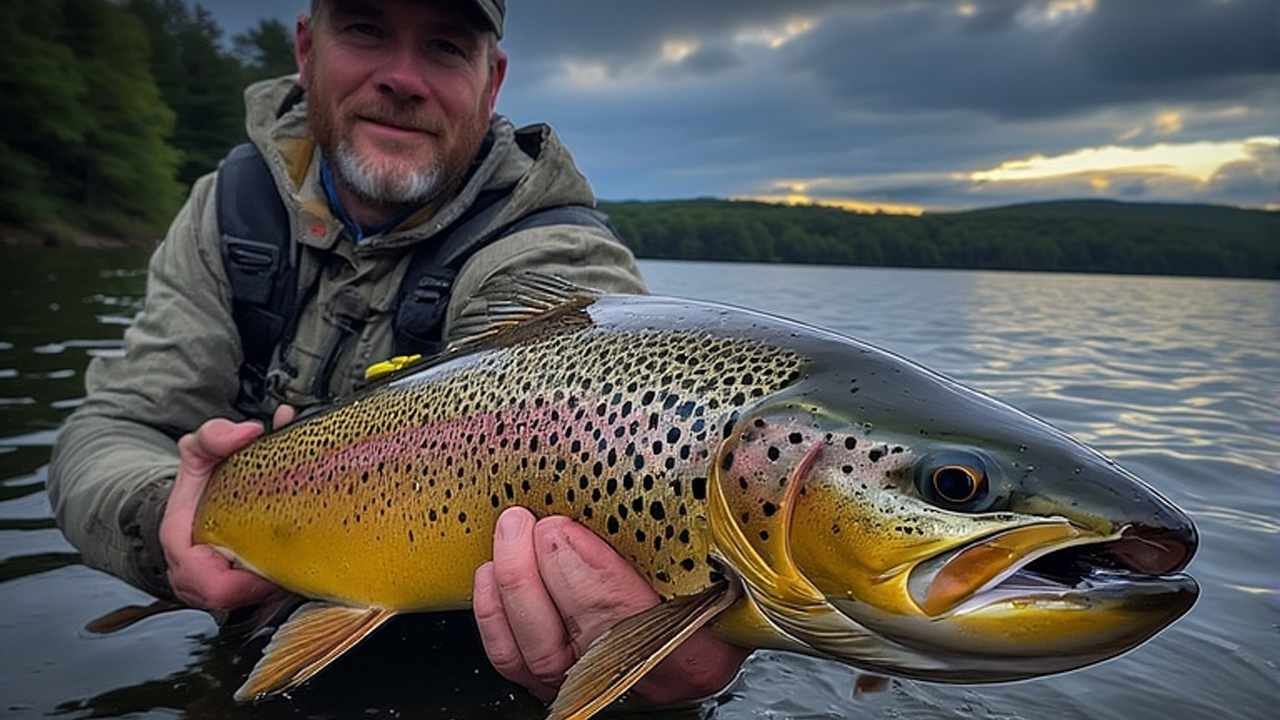
Vermont Fishing Season and Limits for 2026–2027 by Month – Species, Licenses & Hotspots
If you’ve ever fished in one of Vermont’s beautiful lakes on a foggy spring morning, you know that fishing in the Green Mountain State is practically magical. If you grew up fishing for brookies in mountain streams or are just visiting Vermont to see its famous trout rivers, knowing the state’s fishing calendar may make the difference between a good day and an outstanding one.
Vermont’s freshwater fisheries are full of different kinds of fish. For example, Lake Champlain has trophy lake trout, and wild brook trout may be found in distant mountain streams. There are also bass, pike, and panfish that will keep the youngsters busy all afternoon. But here’s the thing: every species has its own rules, season, and rhythm. Knowing these rules isn’t only about following the law; it’s also about appreciating the resource and making sure these waterways continue useful for future generations.
This guide will tell you all you need to know about the 2026–2027 fishing calendar, including when different types of fish are biting, what the bag limits are, where to discover the best fishing places, and how to purchase your license before you go fishing. Let’s get started! 🐟
Vermont fishing news and update
| Topic | 2026–2027 update |
|---|---|
| Trout streams/rivers | Open the 2nd Saturday in April to Oct. 31, then Jan. 1 to March 15 |
| Trout lakes/ponds | Open the 2nd Saturday in April to Oct. 31, then Jan. 1 to March 15 |
| Bass | Open the 2nd Saturday in June to March 15 |
| Walleye | Open the 1st Saturday in May to March 15 |
| Northern pike | Open all year |
| Muskellunge | Catch and release only, artificial lures and flies only, all year |
| Panfish inland waters | 50 fish total per angler per day, with no more than 25 crappie vermont |
| White perch | No limit, all year |
| Lake trout and landlocked Atlantic salmon | Open the 2nd Saturday in April to Oct. 31, then Jan. 1 to March 15 |
| Special baitfish rule | Year-round baitfish collection is now allowed with a free wild baitfish endorsement, which is valid for three years starting in 2026 |
Special dates to remember
| Species | Special date | Why it matters |
|---|---|---|
| Trout streams/rivers and trout lakes/ponds | 2nd Saturday in April and Oct. 31 | Spring opener and fall close for the main trout season |
| Trout winter season | Jan. 1 to March 15 | Winter harvest period on listed trout waters |
| Bass | 2nd Saturday in June and March 15 | Bass open late spring and close for winter |
| Walleye | 1st Saturday in May and March 15 | Walleye season begins in May and ends for winter |
| Lake trout and landlocked Atlantic salmon | 2nd Saturday in April and Oct. 31; then Jan. 1 to March 15 | These species have a split season |
| Inland panfish rule change | Jan. 1, 2026 | New 50-fish total inland panfish limit and 25-crappie cap take effect |
| Wild baitfish endorsement cycle | 2026 start | Free endorsement is required for wild baitfish harvest and lasts three years |
📅 Quick Reference Table by Month
Here’s a snapshot of Vermont’s major sport fish seasons and daily creel limits. Remember, regulations can vary by water body, so always double-check the Vermont Fish & Wildlife Department for the most current info.
| Species | Season Dates | Daily Bag Limit | Special Notes |
|---|---|---|---|
| Lake Trout | Year-round (most waters) | 2 fish | Size restrictions vary by lake |
| Rainbow Trout | 2nd Sat in April – Oct 31 (streams) | 6 fish combined trout limit | Check stocked waters |
| Brown Trout | 2nd Sat in April – Oct 31 (streams) | 6 fish combined trout limit | Some catch-and-release sections |
| Brook Trout | 2nd Sat in April – Oct 31 (streams) | 6 fish combined trout limit | Native species, handle with care |
| Largemouth Bass | 2nd Sat in June – Nov 30 | 5 fish | 10″ minimum on some waters |
| Smallmouth Bass | 2nd Sat in June – Nov 30 | 5 fish | 12″ minimum on most waters |
| Northern Pike | Year-round (most waters) | 5 fish | 24″ minimum on select waters |
| Walleye | May 1 – March 15 (following year) | 3 fish | 18″ minimum, Lake Champlain varies |
| Yellow Perch | Year-round | 25 fish | No size limit |
| Crappie | Year-round | 25 fish | No size limit |
Seasons and limits are subject to change. Always verify with current regulations before your trip.
🐟 Popular Sport Fish
Vermont’s main sport fish are trout, bass, walleye, pike, white perch, and muskellunge, with the strongest rule changes in 2026 centered on inland panfish and baitfish. The most useful way to describe Vermont is that coldwater species have narrow seasonal windows, while pike, perch, and many panfish are open longer or all year.vermontpublic+1
- Bass: Largemouth and smallmouth bass are open from the 2nd Saturday in June to March 15. The daily limit is 5 combined, and the minimum length is 10 inches. Bass are most common in warmwater lakes, ponds, and slower river sections statewide. If you enjoy bass fishing, you might also want to explore the opportunities over in New York’s fishing season, just across Lake Champlain.
- Trout: Brook, brown, and rainbow trout share a combined total limit of 6. Streams and lakes/ponds generally run from the 2nd Saturday in April to Oct. 31, then resume Jan. 1 to March 15 on listed winter waters. Trout are most common in cold streams, mountain ponds, and stocked waters.
- Walleye: Walleye are open from the 1st Saturday in May to March 15. The statewide limit is 3 fish, with an 18-inch minimum. They are most common in larger lakes and reservoir-style waters.
- Catfish: Catfish are not singled out in the statewide excerpted rules the same way bass, trout, pike, and walleye are, so anglers should check the exact waterbody listing if targeting them.
- Crappie: Crappie are now part of Vermont’s inland panfish group. Inland waters allow 50 panfish total per day, with no more than 25 crappie.
- White perch: White perch have no limit and are open all year. They are common in larger lakes and connected waters, especially where the species is established.
- Muskellunge: Muskie are catch and release only, all year, with artificial lures and flies only. This makes them Vermont’s clearest trophy-only species.
- Northern pike: Northern pike are open all year with a 5-fish limit and a 20-inch minimum. Pike are most common in larger lakes, slow rivers, and northern waters.
🦞 Specialty Species
Atlantic Salmon
Vermont has been working hard to restore Atlantic salmon runs in select rivers. These fish are federally protected in most waters, and harvest is generally prohibited—catch-and-release only. If you’re lucky enough to encounter one, handle it gently and get it back in the water quickly. Check with Vermont Fish & Wildlife for specific river regulations.
Landlocked Salmon
Found primarily in Lake Champlain and a few select ponds, landlocked salmon (also called “Sebago salmon”) offer fantastic sport. Season dates and limits align closely with trout regulations, but always confirm local rules. They love cold, deep water and are often caught while trolling for lake trout.
Muskellunge (Muskie)
While not as common as pike, Vermont does have a small but exciting muskie fishery in Lake Champlain. There’s typically a minimum size limit of 40 inches and a 1-fish daily limit. These are fish of 10,000 casts—but when you hook one, you’ll never forget it.
🐠 Panfish & Everyday Catches
| Species | Season | Daily Limit | Notes |
|---|---|---|---|
| Yellow Perch | Year-round | 25 fish | Excellent through the ice |
| Black Crappie | Year-round | 25 fish | Spring spawning aggregations |
| White Crappie | Year-round | 25 fish | Less common than black crappie |
| Bluegill | Year-round | No limit | Great for kids and beginners |
| Pumpkinseed | Year-round | No limit | Colorful, fun to catch |
| Rock Bass | Year-round | No limit | Abundant in rocky areas |
Panfish are the unsung heroes of Vermont angling. They’re open year-round, easy to catch, and delicious on the plate. Perch and crappie are especially popular during ice fishing season, while bluegill and pumpkinseed keep kids busy all summer long. No complicated gear needed—just a simple bobber rig with worms or small jigs, and you’re in business.
🦆 Stocked & Managed Waters
Vermont’s Fish & Wildlife Department stocks trout in dozens of rivers, streams, and ponds every spring and fall. Popular stocked waters include:
- Dog River (Montpelier area)
- White River (Rochester to Sharon)
- Ottauquechee River (Woodstock)
- Battenkill River (Arlington to the NY border)
- Kent Pond (Killington)
- Chittenden Reservoir (Chittenden)
These locations are perfect for families and beginners, as the fish are actively stocked and often cooperative. You can find the official stocking schedule and interactive map on the Vermont Fish & Wildlife stocking page—bookmark it and plan your trips around fresh stockings for best results.
🌍 Public vs Private Waters
Vermont has thousands of miles of rivers and streams, plus over 800 lakes and ponds. Most are open to public fishing, but there are a few things to know:
- Public Access: Look for state fishing access areas, which provide boat launches, parking, and shore fishing spots. These are clearly marked and free to use with a valid license.
- Private Waters: Some ponds and stretches of river are on private land. Always get permission before crossing private property, and respect posted signs.
- Navigable Waters: In Vermont, if a water body is considered “navigable,” you generally have the right to fish it, even if the banks are private—but you can’t trespass to access it. Stay in your boat or access from public land.
- Special Regulation Waters: Certain rivers and streams have unique rules (fly-fishing only, catch-and-release, etc.). The Vermont fishing regulations digest lists these clearly—give it a read before heading out.
🎟️ Fishing License Guide
Nobody wants to get slapped with a fine for fishing without a license, so let’s break down what you need:
Resident Licenses
- Annual Fishing License: $28
- 3-Day License: $22
- 1-Day License: $15
- Youth (ages 15-17): $5
- Senior (65+): $15
Non-Resident Licenses
- Annual Fishing License: $53
- 7-Day License: $39
- 3-Day License: $29
- 1-Day License: $20
Kids & Juniors
Good news for families: anglers under age 15 can fish without a license in Vermont! This makes it easy to introduce kids to the sport without added costs.
Combo & Specialty Licenses
- Combination Hunting & Fishing License: Available for residents who want both at a discounted rate
- No additional trout stamps required: Unlike some states, Vermont doesn’t require a separate trout stamp—your fishing license covers all freshwater species
You can purchase licenses online through the Vermont Fish & Wildlife License Center, at local sporting goods stores, or through authorized vendors across the state.
❓ FAQ Section
Do kids need a license to fish in Vermont?
Nope! Anyone under 15 years old can fish without a license. Ages 15-17 need a youth license, which is just $5.
Can I use live bait in Vermont?
Yes, live bait is legal in most waters, but there are restrictions on certain species and water bodies. You cannot use live fish as bait on Lake Champlain to prevent the spread of invasive species. Always check local regulations.
Are there any catch-and-release-only waters?
Absolutely. Vermont has several designated wild trout streams and sections that are catch-and-release or have special regulations. These are listed in the annual fishing regulations digest—look for the “Special Regulation Waters” section.
Is night fishing allowed?
Yes, night fishing is permitted in Vermont, and it can be extremely productive for walleye, catfish, and bass during the warmer months. Just make sure you have proper lighting on your boat if you’re on the water after dark.
How do I report a trophy catch?
Vermont has a Master Angler program that recognizes anglers who catch exceptional fish. You can submit your trophy catches online through the Vermont Fish & Wildlife website, and you may qualify for a certificate. It’s a fun way to celebrate your success and contribute to fisheries data.
Can I bowfish in Vermont?
Bowfishing is legal for certain species like carp and other non-game fish, but you’ll need to check the specific regulations. Bowfishing for game fish like bass or pike is prohibited.
What’s the deal with ice fishing?
Ice fishing is HUGE in Vermont. All the same licensing and bag limit rules apply, and you can fish for most species year-round through the ice (perch, pike, lake trout, etc.). Just make sure the ice is safe—at least 4 inches of clear, solid ice for walking, and more for snowmobiles or vehicles.
🔗 Related Guides (Internal Links)
If you’re planning trips to neighboring states or looking for more seasonal info, check out these resources:
- Pennsylvania Fishing Season Guide – Another fantastic East Coast destination
- Maine Fishing Season Guide – Explore rugged wilderness waters up north
🗺️ Map & Hotspots
Vermont’s top fishing destinations are scattered across the state, from the vast expanse of Lake Champlain to tiny mountain ponds you can only reach by hiking. Here are five must-visit spots:
- Lake Champlain – The granddaddy of Vermont fishing. Target lake trout, salmon, bass, pike, and walleye. Best access points include Burlington waterfront, Shelburne Bay, and Missisquoi Bay.
- Battenkill River – A legendary trout stream near Arlington. Fly-fishing heaven with wild browns and rainbows. Some sections are catch-and-release.
- Lake Memphremagog – Straddling the Vermont-Quebec border, this deep, cold lake offers lake trout, salmon, pike, and perch. Stunning scenery and excellent fishing.
- Chittenden Reservoir – A quiet, high-elevation lake near Killington. Great for trout and landlocked salmon. Limited boat access keeps it peaceful.
- Kent Pond – Family-friendly and regularly stocked with trout. Located in Killington, it’s perfect for a quick afternoon trip.
For detailed maps and GPS coordinates, visit the Vermont Fish & Wildlife Interactive Map.
✅ Wrap-Up
There are many different types of fishing in Vermont, just like there are many different seasons. You may go for wild brook trout in a remote mountain stream, jig for perch through two feet of ice, or fight a monster lake trout in the depths of Lake Champlain. The season seems like it will be wonderful, with lots of healthy fish, better access, and a state that really cares about its water resources.
Before you go, spend a few minutes to read over the current bag limits and special rules. These rules are in place to safeguard the fisheries and make sure that future generations may have the same amazing experiences. Get your license online, check the stocking reports, pack your gear, and ask a friend or family member to go with you. The waterways of Vermont are waiting for you. Trust me, there’s no better way to spend a day than with a rod in hand and the Green Mountains behind you.