
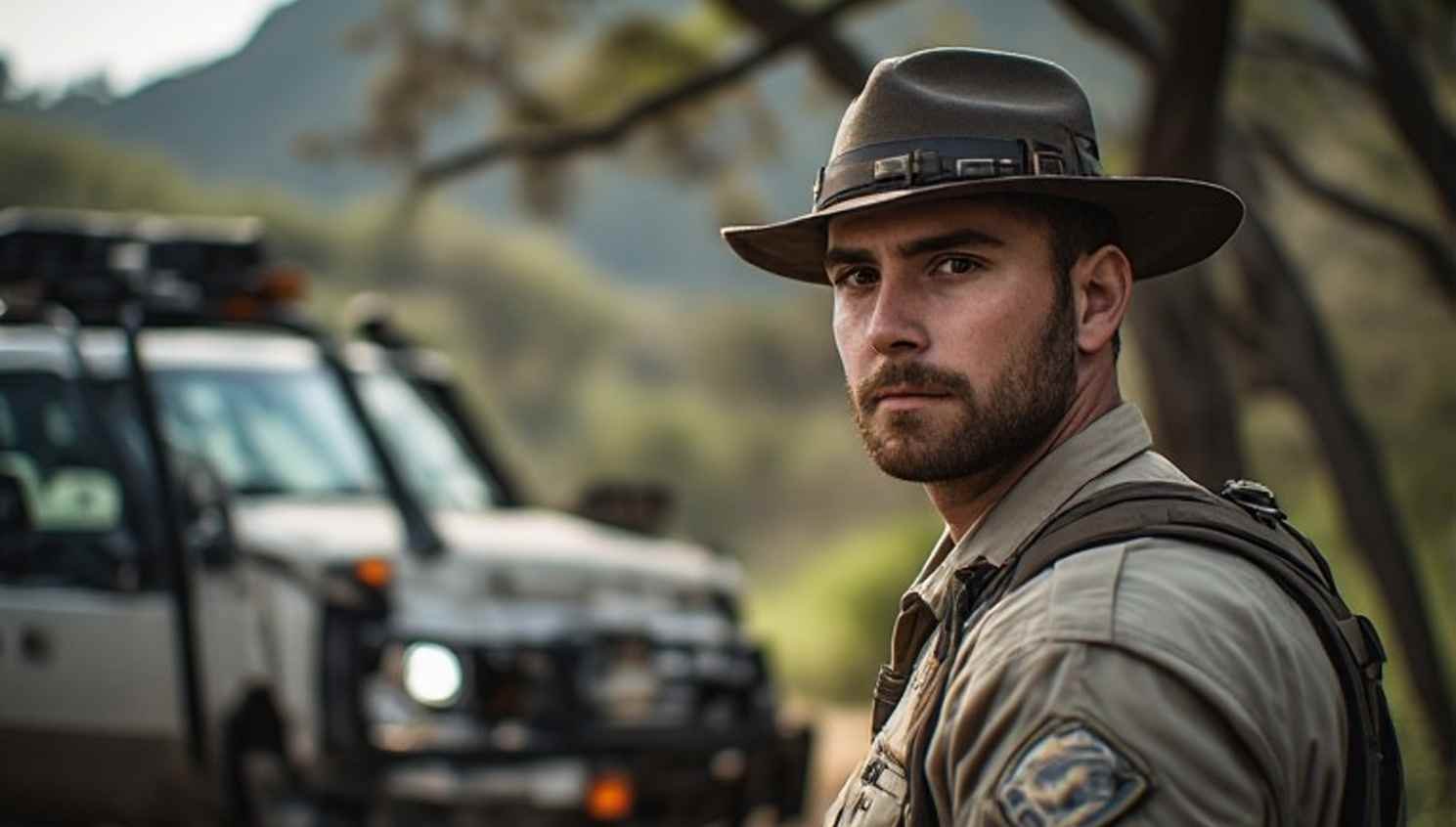
California Game Warden: Wildlife Officer Requirements, Salary & Jobs
If you want to become a California Game Warden, the key facts are straightforward: California’s game wardens work for the California Department of Fish and Wildlife (CDFW), they are state peace officers with statewide authority, they typically need 60 college units with 18 related units, must be 21 by appointment, must pass the PELLETB, physical ability test, background, medical, and psychological screening, and they begin as a Fish and Game Warden Cadet before moving into sworn field work. Salary currently starts at the cadet level and increases to sworn warden pay, with extra compensation possible for geography, longevity, and education.
California is also a state where the title can confuse searchers, because CDFW publicly uses both Game Warden and Wildlife Officer in recruiting materials. If your goal is a current, state-specific career guide, the important point is this: the role is the same CDFW law-enforcement career, and the official civil-service path runs through California’s state hiring and training system.
What Is a California Game Warden Called?
In California, the traditional and officially recognized title is Game Warden, but CDFW also uses Wildlife Officer throughout its recruiting pages. On the civil-service side, you will see classifications such as Fish and Game Warden Cadet and Fish and Game Warden, while the public-facing career pages often describe the job as a CDFW Wildlife Officer. That means people finding “California game warden,” “California wildlife officer,” or “Fish and Game Warden Cadet” are usually looking for the same career track.
What Does a Game Warden Do?
California game wardens enforce hunting laws, fishing laws, trapping rules, wildlife-protection laws, pollution laws, and boating-related enforcement duties connected to CDFW’s law-enforcement mission. They patrol on foot, by truck, boat, plane, horseback, ATV, and other specialized equipment depending on assignment.
The job is broader than many people expect. CDFW says wardens have statewide jurisdiction and, while their primary function is enforcing Fish and Game Code and related regulations, they may be called on to enforce any California law. In practical terms, that means a California game warden may investigate poaching, illegal take, license violations, habitat destruction, pollution, illegal commercialization of wildlife, and public-safety incidents in remote or urban areas.
California wardens also do real investigative work. They collect and preserve evidence, write reports, testify in court, coordinate hunter education, speak at schools and community groups, and may work in specialty assignments such as K-9, oil-spill response, commercial fishing enforcement, wildlife trafficking, marine patrol, undercover operations, and CalTIP coordination.
Search-and-rescue is not framed by CDFW as the primary mission, but California career materials and closely related officer-support pages make clear that wardens may assist in rugged-terrain incidents and public-safety situations, especially because they patrol remote backcountry, rivers, coastlines, deserts, and wetlands.
California Game Warden Requirements
Minimum Age
California’s current qualifications page says applicants must be 21 years old at the time of appointment to peace officer status, which is tied to academy completion. Older cadet materials show people may enter the testing pipeline younger, but if you want the cleanest takeaway, plan on being 21 by appointment. California also lists a mandatory retirement age of 65 for state peace officers.
Education Requirements
California requires the equivalent of 60 semester units of college, with 18 semester units in related coursework. CDFW’s definition of related fields is broad and includes criminal justice, police science, biological sciences, conservation, ecology, forestry, marine biology, environmental science, zoology, geography, public administration, sociology, psychology, and more. Students with 30 semester units may have an application accepted if they already have the 18 related units, but they must finish the full 60 units before appointment.
Citizenship Requirements
California peace-officer rules cited in the cadet bulletin require applicants to be either a U.S. citizen or a permanent resident eligible for and having applied for U.S. citizenship. Because this language appears in the official exam materials, applicants should verify the exact current wording in the live CalCareers bulletin when they apply.
Driver’s License Requirements
Applicants must hold a valid driver’s license. That is a core requirement because wardens patrol large areas independently and may operate multiple vehicles depending on assignment.
Residency Requirements
California does not list a formal statewide residency requirement on the minimum qualifications page. What it does require in practice is geographic flexibility. CDFW says assignments are based on departmental needs, with many early-career vacancies commonly found in metropolitan areas such as Los Angeles and the San Francisco Bay Area.
Work Experience
For the standard entry path, California does not require prior game-warden or police experience if you meet the education requirements. That is important because many searchers assume they must already be a police officer. California does allow lateral hiring, but laterals follow a different path and must already hold qualifying POST credentials and related experience.
Background Check
California runs a thorough peace-officer background investigation. That includes fingerprints submitted to the California DOJ and FBI, a review of criminal history, education, residences, employment, finances, motor-vehicle record, references, military service where applicable, and a polygraph examination used to verify applicant information during the process. False or withheld information is a major disqualifier.
Physical Requirements
Applicants must be in sound physical condition, able to swim, and able to perform the essential duties of the position. California’s PAT measures endurance, strength, and swimming ability, and academy training also expects consistent running and upper-body conditioning.
Medical Requirements
Each candidate must complete a state health questionnaire and pass a physician’s medical examination. The results are reviewed to determine whether any medical condition would prevent safe performance of warden duties.
Vision and Hearing Requirements
California specifically references POST medical standards. If you wear eyeglasses or hard contacts, your uncorrected vision must be at least 20/40 in each eye and corrected to 20/20 in each eye. Applicants who have successfully worn soft contact lenses for at least 12 months are treated differently under the stated standard. Hearing must also be adequate to perform the job.
Firearm Requirements
California wardens are sworn peace officers and are required to carry and use firearms. Anyone convicted of an offense that bars firearm possession under state or federal law is disqualified.
California Game Warden Salary
California publishes official compensation through CDFW, and that should be your starting point. Current CDFW career compensation shows cadet pay plus sworn warden pay in Range A and Range B, with added compensation possible for geography, longevity, and education.
| Pay stage | Current official pay |
|---|---|
| Fish and Game Warden Cadet | $4,283 to $5,777/month |
| Fish and Game Warden Range A | $5,454 to $7,221/month |
| Fish and Game Warden Range B | $6,215 to $8,629/month |
| Maximum published base salary in current CDFW career table | $8,629/month |
Source: CDFW Compensation
Starting Salary
Starting pay begins at the Fish and Game Warden Cadet level while you are in training. That makes the California career path different from many generic “game warden salary” pages, which often skip cadet pay and jump straight to sworn salary.
Academy/Cadet Pay
CDFW’s current career page lists cadet pay at $4,283 to $5,777 per month. Applicants should always compare that with the live job bulletin on CalCareers because individual postings can reflect updated pay schedules or bargaining changes.
Probationary Pay
After graduation, new officers move into Fish and Game Warden Range A, and CDFW says cadets then complete roughly 10 weeks of field training with three different Field Training Officers before reporting to a permanent assignment. In practical terms, Range A is the best proxy for probationary/new-officer pay.
Experienced Officer Pay
Experienced California game wardens can advance to Range B, currently listed at $6,215 to $8,629 per month on CDFW’s compensation page. That is the most useful official “experienced officer” benchmark for this career path.
Overtime and Bonuses
CDFW’s public compensation page does not publish a simple statewide overtime figure for wardens, so it is better not to invent one. What California does publish are pay differentials, including geographic recruitment-and-retention pay in high-cost counties, longevity pay for peace officers with long state service, and an education incentive tied to degrees or qualifying POST credentials.
Benefits
Benefits are substantial enough that they matter alongside salary. State employment adds health coverage, retirement through CalPERS, paid leave, and other statewide benefits, while the CDFW lifestyle pages also emphasize schedule flexibility, home-based patrol work, and family-support leave options.
How to Become a California Game Warden
The most accurate way to describe California’s process is as a state peace-officer hiring track with wildlife-specific training layered on top. Start by checking whether you meet the education, age, driver’s-license, medical, and legal requirements. Then prepare your college records and PELLETB score, submit your application materials, pass the physical test and screening steps, complete the background, medical, and psychological process, attend the academy, finish field training, and report to your permanent assignment.
For readers also comparing law-enforcement career paths against regulation-heavy outdoor content, it helps to understand the seasonal side of the job too. California wardens enforce the rules hunters and anglers actually live under in the field, which is why resources like California hunting seasons are useful context for understanding the kind of violations wardens handle once you are on the job.
California Game Warden Application Process
California says applications for the Warden Cadet and Warden (Lateral) classifications are accepted continuously, but the department also notes that because it usually runs one academy per year starting in January, applications for that academy are typically only accepted until March 1 of the previous year. That means the real-world answer is: the classification is open year-round in principle, but your timing affects which academy cohort you can actually reach.
The application starts with a State Examination/Employment Application (STD 678) plus a PELLETB score of 42 or higher. Those materials are submitted to CDFW Human Resources, typically by email, and after the initial review the department requests unofficial transcripts and a Criminal Record Supplemental Questionnaire.
After that, candidates move through the selection pipeline: physical ability testing, background investigation, fingerprinting, polygraph, medical exam, psychological screening, academy appointment, and then field training. If you want the official recruitment hub, use CDFW’s Wildlife Officer career page for the department-facing overview and instructions.
A practical caution: individual CalCareers job postings still carry their own filing dates even when the broader classification is described as continuously accepted. In the postings reviewed here, the cadet listing had a final filing date of June 5, 2026, so applicants should always check the live bulletin before acting on any third-party article.
California Game Warden Physical Fitness Test
California’s Physical Abilities Test includes five events: a 300-meter run, push-ups in one minute, sit-ups in one minute, a 1.5-mile run, and a 100-yard swim. The swim is pass/fail, while the scored events must add up to a passing total.
The current PAT document says candidates must earn 160 total points to pass. Minimum passing benchmarks include at least 13 push-ups, 22 sit-ups, a 1.5-mile run in 15:00 or faster, a 300-meter run in 77 seconds or faster, and a 100-yard swim within four minutes without stopping or touching the sides or bottom in a disqualifying way.
California does not publish age- or gender-adjusted PAT tables in the retrieved document. Everyone is measured against the same event thresholds listed in the current CDFW PAT sheet. That is exactly why candidates should train for the official standard rather than relying on forum advice or old law-enforcement fitness articles.
California Game Warden Academy and Training
California wardens begin as Fish and Game Warden Cadets in the Resources Academy, a POST-approved academy. CDFW says cadets spend approximately 31 weeks there learning the knowledge and skills needed for field work.
Training is not generic police training alone. California’s academy topics include report writing, recognition of hunting, fishing, and trapping gear, firearms, batons, emergency vehicle operation, weaponless defense, first aid/CPR, interview and interrogation, patrol techniques, accident investigation, physical fitness, emergency Spanish, tactical communication, ethics, Vehicle Code, Health and Safety Code, Penal Code, and drug and narcotics enforcement. That mix is exactly what makes a California game warden different from a standard patrol recruit.
After graduation, new wardens spend about 10 weeks rotating with three different Field Training Officers. Only after that do they report to a permanent assignment area. CDFW also says wardens generally become eligible to transfer after completing three years in their first assignment.
California Game Warden Jobs
California game warden jobs are posted through the state system, especially CalCareers, and CDFW’s employment pages help candidates understand how to navigate the state hiring process. Entry-level candidates should look for Fish and Game Warden Cadet openings, while experienced peace officers may see lateral opportunities.
If you want a practical jobs portal, use CalCareers to monitor live bulletins and filing deadlines. That is better than relying on static “jobs” pages that do not reflect whether a posting is actually open today.
California Game Warden Benefits
California game wardens receive the broader benefits that come with state employment. That includes health coverage administered through CalPERS, retirement benefits through CalPERS, and access to supplemental retirement savings through 401(k) and 457(b) options.
CDFW’s own employment and lifestyle pages add more practical quality-of-life detail. Wardens often work independently, may have home-based offices, and can benefit from schedule flexibility compared with some traditional agencies. CDFW also highlights family-related support such as maternity leave planning, leave of absence protections, and insurance benefits that help with family medical costs.
Retirement is especially relevant because California peace-officer classifications may qualify for enhanced public-safety retirement formulas compared with miscellaneous state employees, but the exact formula depends on factors such as hire date, bargaining unit, and retirement-plan status. That is why the safest wording for applicants is: expect CalPERS-based public-sector retirement benefits, then verify your exact formula in your live appointment materials.
What Laws Do California Game Wardens Enforce?
California game wardens enforce Fish and Game Code, Title 14 regulations, hunting regulations, fishing regulations, trapping laws, pollution and habitat rules, exotic-animal laws, commercial fishing rules, and other wildlife-related restrictions. They also investigate illegal possession, poaching, closed-area violations, and season and bag-limit cases.
California is especially strong on resource-related enforcement because the state’s landscape is so varied. A warden might work deer, bear, waterfowl, salmon, sturgeon, lobster, or abalone-related cases depending on region and season. For readers who follow the field side of enforcement, broader big game hunting guides can help connect the career side of this article to the regulations and species issues wardens actually police.
How to Find a California Game Warden
California does not present a simple public “find your county game warden by name” tool in the sources reviewed here. What it does provide is an official Law Enforcement Division structure with Northern, Central, and Southern enforcement districts, public information lines, district office contacts, and regional enforcement email options.
That means the best official route is usually to contact the right district office for your county or use CALTIP for violations in progress. Northern, Central, and Southern district offices publish public-information phone numbers and location details, which is the safest way to contact the agency without relying on unofficial directories.
How to Report a Hunting or Wildlife Violation
California uses CALTIP — Californians Turn In Poachers and Polluters — as its official confidential reporting system. For violations in progress, call 1-888-334-2258 24/7. The state also accepts anonymous text tips to 847411 by texting “CALTIP” plus your message, offers a CALTIP app, and provides an online reporting form for non-emergency submissions during business-hour review windows.
This matters for real-world outdoor users because California specifically ties CALTIP to poaching, pollution, hunting violations, fishing violations, boating-related resource crimes, illegal commercialization, trespass in protected areas, and other fish-and-wildlife offenses. The state also notes that tip information leading to an arrest can qualify for a reward, with awards reaching up to $3,500.
California Game Warden vs. Police Officer
A California game warden is a peace officer, but not just a general patrol officer in a different uniform. The job centers on natural-resource law enforcement: hunting, fishing, wildlife, habitat, boating, pollution, commercial take, and rural or marine patrol. That mission set makes the role especially attractive to applicants who want law enforcement work tied directly to outdoor conservation.
At the same time, California wardens are not limited to writing hunting tickets. CDFW says they have statewide authority and may be called on to enforce any California law, which is a wider jurisdictional reality than many readers assume. The difference is less about authority and more about primary mission, training environment, and day-to-day patrol setting.
Frequently Asked Questions
What is a game warden called in California?
California officially still uses Game Warden, but CDFW’s recruiting pages also use Wildlife Officer, and civil-service classifications include Fish and Game Warden Cadet and Fish and Game Warden.
How much does a California game warden make?
Current CDFW compensation lists cadet pay at $4,283 to $5,777/month, Range A at $5,454 to $7,221/month, and Range B at $6,215 to $8,629/month, not including certain differentials for geography, education, and longevity.
How do I become a game warden in California?
Meet the qualifications, earn the required college units, obtain a qualifying PELLETB score, submit your state application, pass the PAT, clear background, medical, and psychological screening, complete the academy, finish field training, and accept your assigned post.
What are the California game warden age requirements?
Plan on being 21 at appointment to peace officer status. Some exam materials show earlier entry into the pipeline is possible, but appointment still requires peace-officer eligibility. California also lists 65 as the mandatory retirement age for state peace officers.
What degree do you need to become a game warden in California?
California does not require a specific bachelor’s degree for the standard entry path. Instead, it requires 60 semester units, including 18 related units, and accepts a wide range of relevant fields such as criminal justice, conservation, ecology, biological sciences, environmental science, forestry, and related disciplines.
Is there a physical test?
Yes. California requires a PAT with a 300-meter run, push-ups, sit-ups, 1.5-mile run, and 100-yard swim, and candidates must achieve a passing total score under the current PAT sheet.
Where do California game wardens work?
They work statewide in backcountry, rivers, lakes, beaches, wetlands, deserts, metropolitan areas, offshore waters, and community settings. Early-career assignments are often tied to departmental need, and CDFW says many vacancies are commonly in Los Angeles and the Bay Area.
Can a California game warden arrest someone?
Yes. California game wardens are sworn peace officers with statewide authority and can investigate crimes, issue citations, and make arrests within their legal authority.
What laws do California game wardens enforce?
They enforce hunting, fishing, trapping, boating/resource-related laws, wildlife and habitat protections, pollution laws, licensing violations, closed-area restrictions, seasons, bag limits, and other Fish and Game Code and Title 14 rules.
How do I contact and report a game warden in California?
For routine contact, use the official CDFW Law Enforcement Division district offices and public-information lines. For active poaching, pollution, or fish-and-wildlife crimes, use CALTIP immediately. California’s official system is better than relying on random officer listings or unofficial phone numbers because district contacts and reporting methods can change.
| Need | Best official contact method |
|---|---|
| Violation in progress | CALTIP: 1-888-334-2258 |
| Anonymous text tip | Text 847411 with “CALTIP” plus your message |
| Online non-emergency report | CALTIP online reporting form |
| General regional enforcement contact | CDFW Northern, Central, or Southern district office |
| Public information | Use the district public-information number for your region |