
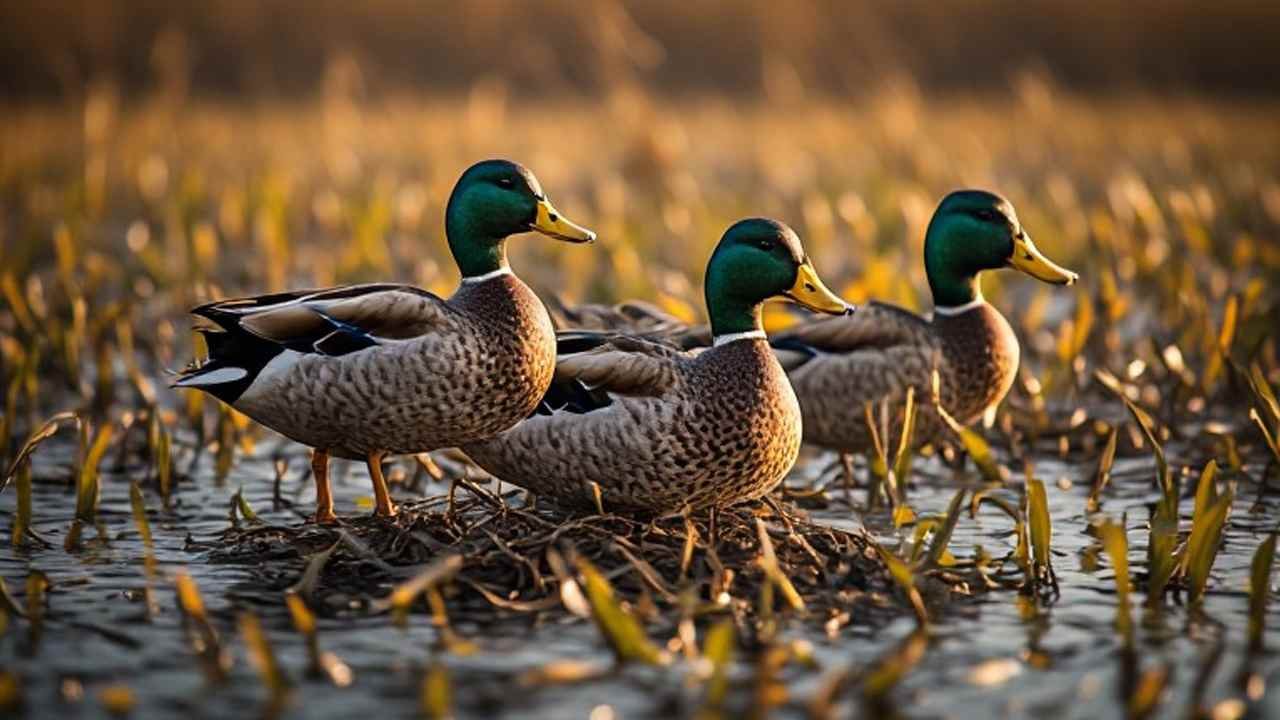
Louisiana Duck Season 2026-2027: Dates, Zones & Hunting Limits
Louisiana sits at the heart of the Mississippi Flyway, and for waterfowlers the Louisiana duck season 2026-2027 is one of the most anticipated on the calendar. After years of hunting under a north-south structure, the state moved to a two-zone East/West system, and both zones run split seasons that stretch from mid-November through late January, with an early teal season in September and special youth and veterans days bookending the regular season.
Before you head afield, know this: Louisiana waterfowl regulations change every year — the 2026-2027 season even adds a brand-new black-bellied whistling duck season — so the dates, limits, and license rules below reflect the officially published 2026-2027 regulations from the Louisiana Department of Wildlife and Fisheries (LDWF). Regulations can still change, and you should always verify the current rules with LDWF immediately before hunting.
Last researched and updated: September 5, 2026.
Louisiana Duck Season 2026-2027 at a Glance
| Information | 2026-2027 Details |
|---|---|
| Regular Duck Season | East Zone: Nov 21 – Dec 6 & Dec 19 – Jan 31; West Zone: Nov 14 – Dec 6 & Dec 19 – Jan 24 |
| Hunting Zones | 2 (East Zone, West Zone) |
| Daily Bag Limit | 6 ducks total, with species sub-limits |
| Possession Limit | 18 (3× the daily bag limit) |
| Shooting Hours | ½ hour before sunrise to sunset |
| Youth Waterfowl Days | East Zone: Nov 14; West Zone: Nov 7 |
| Veteran/Military Days | East Zone: Feb 6; West Zone: Jan 30 |
| Early Teal Season | Sept 19–27, 2026 (6 teal/day) |
| Required License | Basic Hunting + Waterfowl license |
| Louisiana Waterfowl License | $12 resident / $50 nonresident |
| Federal Duck Stamp | Required for hunters 16+ ($29.79) |
| HIP Registration | Free, required for migratory bird hunters (age 17 & under exempt) |
Louisiana Duck Season Dates for 2026-2027
LDWF has officially finalized and published the 2026-2027 waterfowl seasons. Both zones run the season in two splits, allowing a late-November opener, a mid-December pause, and a late-December through January finale — the coldest period when mallards and other northern birds pile into the state.
| Duck Hunting Zone | Season Dates |
|---|---|
| East Zone | Segment 1: November 21 – December 6, 2026; Segment 2: December 19, 2026 – January 31, 2027 |
| West Zone | Segment 1: November 14 – December 6, 2026; Segment 2: December 19, 2026 – January 24, 2027 |
Key dates to remember:
- East Zone opening day: Saturday, November 21, 2026 (afternoon opener rules on some public areas — check area specifics)
- West Zone opening day: Saturday, November 14, 2026
- Season-wide closing day: January 31, 2027 (East Zone); January 24, 2027 (West Zone)
- Youth waterfowl days: East Zone Nov 14; West Zone Nov 7
- Veterans/military waterfowl days: East Zone Feb 6; West Zone Jan 30
Always double-check the official LDWF seasons and regulations page before you go — opening-weekend “afternoon only” restrictions and area-specific closures are common on Louisiana public ground.
Geese and Other Waterfowl
Duck season usually means goose season too. In both zones in 2026-2027, light geese (snow, blue, Ross’s) run November 14 – December 6 and December 19 – February 7 (20/day, no possession limit); white-fronted geese (“specklebellies”) run the same dates at 3/day (9 possession); and Canada geese run the same dates at 1/day statewide except a closed portion of southwest Louisiana. A separate Conservation Order for light geese runs December 7–18 and February 8 – March 7 with electronic calls, unplugged shotguns, no bag limit, and extended shooting hours.
Louisiana Duck Hunting Zones
Louisiana adopted a two-zone, East-West waterfowl boundary for the 2026-27 through 2029-30 seasons. The Louisiana Wildlife and Fisheries Commission approved the boundary in August 2025 based on hunter survey input, and it keeps the same line used in recent seasons.
The West Zone is the portion of the state between the Texas state line and a line running: south on LA Highway 79 from the Arkansas border to Homer; south on LA Highway 9 to Arcadia; south on LA Highway 147 to Hodge; south on US Highway 167 to Lafayette; then south and east on US Highway 90 to the Mississippi state line. The East Zone is the remainder of the state.
In plain terms, the West Zone covers most of northwest and central Louisiana down to Lafayette, while the East Zone covers northeast Louisiana, the Florida Parishes, the Atchafalaya Basin, and nearly all of the coastal marsh east of US 90. The practical takeaway: check the zone map and confirm which zone covers your hunting spot before opening day — the 2026-27 opener is a full week earlier in the West Zone. LDWF publishes an East/West waterfowl zone map on its seasons page, and the complete boundary text appears in the 2026-2027 Hunting & WMA Regulations booklet.
Louisiana Duck Season Bag Limits
The 2026-2027 daily bag limit for ducks in Louisiana is 6, with a possession limit of 18 (three times the daily bag). Within that six-duck total, several species carry stricter sub-limits, and two species — scaup and the mottled duck — have special 15-day restrictions at the start of the season.
| Duck Species | Daily Limit | Important Restrictions |
|---|---|---|
| Mallards | 4 | No more than 2 females |
| Wood Ducks | 3 | — |
| Northern Pintails | 3 | No more than 1 female |
| Canvasbacks | 2 | — |
| Redheads | 2 | — |
| Scaup | 1 first 15 days, then 2 | First 15 days of the season |
| American Black Ducks | 1 | — |
| Mottled Ducks | 0 first 15 days, then 1 | Protected early-season |
| Other Ducks (gadwall, wigeon, teal, shoveler) | Count toward 6 | No separate sub-limit |
| Coots | 15 | Separate from duck limit |
| Mergansers | 5 | Only 2 may be hooded; in addition to the duck limit |
On youth and veterans hunting days, the scaup and mottled duck rules adjust with the calendar: before the regular season, the limits are 0 mottled ducks and 1 scaup; after the regular season, they rise to 1 mottled duck and 2 scaup. All other species limits stay the same as the regular season.
What License Do You Need to Hunt Ducks in Louisiana?
Louisiana Hunting License
Hunters age 18 and older — resident or nonresident — must hold a Basic Hunting License to hunt any wild birds or quadrupeds in Louisiana. Residents pay $20; nonresidents pay $200 for the annual license. Hunters under age 18 (17 and under) are exempt from the Basic Hunting License for game animals other than deer and turkey, and are not required to hold one for duck hunting — but they must carry proof of age while hunting, and the Federal Duck Stamp still applies at age 16+. Anyone born on or after September 1, 1969, must also complete an approved Hunter Education course before hunting unsupervised.
Louisiana Waterfowl License
All waterfowl hunters must hold the Louisiana Waterfowl license in addition to the Basic Hunting License. It costs $12 for residents and $50 for nonresidents (nonresident 5-day: $35). The Waterfowl license is what duck hunters often call the “Louisiana duck stamp.”
Federal Duck Stamp
All waterfowl hunters age 16 and older must possess a current Federal Migratory Bird Hunting and Conservation Stamp (Federal Duck Stamp), even those who otherwise do not need a state license. In 2026-2027 LDWF lists it at $29.79. Purchased online (via Amplex) or at LDWF vendors, you hunt with your proof of purchase for up to 45 days until the physical stamp arrives in the mail — then you must sign the stamp and carry it with you. E-stamps are available through the e-stamp program. A current stamp also gets you into any fee-charging National Wildlife Refuge for free.
HIP Registration
HIP (Harvest Information Program) certification is required for anyone licensed to hunt migratory birds — ducks, geese, doves, woodcock, rails, snipe, coots, or gallinules. It’s free, takes about a minute of registration questions, and must be renewed every year, even for lifetime license holders. Hunters age 17 and under do not need HIP certification, except those participating in a WMA youth waterfowl lottery hunt. HIP is completed online at LouisianaOutdoors.com or at LDWF headquarters in Baton Rouge — it is no longer offered at retail license vendors. Carry proof of your HIP certification whenever you hunt migratory birds.
Summary Table
| Requirement | Resident | Nonresident | Notes |
|---|---|---|---|
| Basic Hunting License | $20 | $200 annual / $65 5-day / $20 native 10-day | Required 18+; under-18 exempt for non-deer/turkey game |
| Waterfowl License | $12 | $50 annual / $35 5-day | In addition to Basic Hunting |
| HIP Registration | Free | Free | 17 & under exempt |
| Federal Duck Stamp | $29.79 | $29.79 | Required for hunters 16+ |
Louisiana Duck Hunting License Costs for 2026-2027
All fees below are the current published LDWF rates. Prices are per license year, and combinations (like the Sportsman’s Paradise package) can save you money if you fish too.
| License or Permit | Resident Cost | Nonresident Cost |
|---|---|---|
| Basic Hunting License | $20 | $200 (annual); $65 (5-day); $20 (native 10-day) |
| Waterfowl License | $12 | $50 (annual); $35 (5-day) |
| Federal Duck Stamp | $29.79 | $29.79 |
| HIP Registration | Free | Free |
| Youth Hunting License | $5 | $5 |
| WMA Access Permit | $20 annual / $5 5-day | $20 annual / $5 5-day |
| Senior Hunting/Fishing License (60+) | $5 | — |
| Louisiana Sportsman’s Paradise | $100 | $400 |
Value notes: the Louisiana Sportsman’s Paradise license ($100 resident) bundles Basic + Deer + Waterfowl + Turkey hunting licenses, saltwater fishing, and the WMA access permit. The Senior Hunting/Fishing license ($5 for residents 60+) replaces the Basic, Deer, Waterfowl, and Turkey licenses plus the WMA permit. Residents born before June 1, 1940, who’ve lived in Louisiana six months are exempt from license fees entirely. Confirm every fee against the LDWF license and permit fee list, since fees can change with legislative action.
Youth Waterfowl Hunting Days in Louisiana
Louisiana schedules a youth waterfowl hunting day in each zone before the regular season opens:
- East Zone Youth Day: November 14, 2026
- West Zone Youth Day: November 7, 2026
Youth days are open to hunters age 17 and under, who do not need a Basic Hunting License for duck hunting and are exempt from HIP (unless it’s a WMA lottery youth hunt). The Federal Duck Stamp is still required for youth 16 and older. Youth age 17 and under must carry proof of age. Accompanying adults do not hunt on youth day — this opportunity belongs to the young hunter, and adult licenses do not cover participation. Regular-season bag limits apply on youth days with the seasonal scaup/mottled duck adjustments noted above (0 mottled, 1 scaup before the regular season).
Veteran and Active-Duty Military Waterfowl Hunting Days
The Veterans and Active-Duty Military Waterfowl Hunting Day gives qualifying veterans and current service members a late-season hunt after the regular season closes:
- East Zone Veterans/Military Day: February 6, 2027
- West Zone Veterans/Military Day: January 30, 2027
Qualifying participants must hold all required licenses and stamps for waterfowl hunting (Basic Hunting if 18+, Waterfowl license, Federal Duck Stamp if 16+, HIP unless under 18). LDWF manages military service verification for those who qualify for military-rate licenses, so veterans and active-duty personnel should confirm their veteran designation in the LDWF licensing system in advance. Regular bag limits apply, with the post-season scaup/mottled duck adjustment (1 mottled, 2 scaup). These special days are separate from the regular season — when they’re done, the season is closed until the next year.
Early Teal Season in Louisiana
Louisiana offers a statewide early teal season for 2026:
- Early Teal Season: September 19–27, 2026
- Legal species: Blue-winged teal, green-winged teal, cinnamon teal
- Daily bag limit: 6 teal
- Possession limit: 18 (3× daily bag)
- Shooting hours: ½ hour before sunrise to sunset
Early teal season requires the same license stack as the regular season — Basic Hunting (18+), Waterfowl license, Federal Duck Stamp (16+), and HIP (with the under-18 exemptions). Teal regulations differ from regular duck season in that only teal (no other ducks) may be taken. If you’re also chasing doves in September — dove season opens the same weekend — be disciplined about identifying your targets; the dove and teal limits are separate.
New for 2026-27: Louisiana adds its first-ever black-bellied whistling duck season, October 3–11, with a daily bag of 4 (12 possession), sunrise-to-sunset shooting hours, and a special BBWD hunting permit plus mandatory online harvest reporting (October 12–26). This is a dedicated season — during those dates, only black-bellied whistling ducks may be taken, through the regular waterfowl itinerary.
Louisiana Duck Hunting Shooting Hours
- Ducks, geese, teal, rails, gallinules, snipe, and woodcock: one-half hour before sunrise until sunset
- Black-bellied whistling ducks: sunrise to sunset (during the October BBWD season)
- Conservation Order (light geese): one-half hour before sunrise to one-half hour after sunset
The half-hour-before-sunrise allowance matters on Louisiana’s marsh: legal shooting often starts while it’s still dark enough to need a flashlight to set decoys. Individual WMAs, national wildlife refuges, and some state areas can impose earlier cutoffs (for example, snipe at the Spanish Lake Recreation Area ends at 2 p.m.), so check the specific area’s schedule before hunting.
Where Can You Hunt Ducks in Louisiana?
Public Land
LDWF-managed Wildlife Management Areas (WMAs) offer some of the state’s best public waterfowling — Catahoula Lake’s moist-soil units, the flooded cypress of the Atchafalaya Basin, and coastal marsh WMAs all hold ducks. Nearly all waterfowl hunting on WMAs requires the WMA Access Annual Permit ($20) or a 5-day permit ($5) — free for hunters 17 and under and included in Sportsman’s Paradise and senior lifetime packages. Many WMAs run controlled waterfowl hunts and lottery blinds with their own application deadlines and quotas; check the individual WMA schedules in the 2026-2027 regulations booklet, because dates, the percentage of the area open, and check-in procedures vary. National Wildlife Refuges also hold duck hunting in Louisiana, typically with their own lottery or quota systems and drop-in/fee arrangements, and a current Federal Duck Stamp covers refuge entry fees.
Private Land
Most Louisiana duck hunting happens on private marsh, rice fields, and timber. You must have written or verbal permission from the landowner before entering — Louisiana trespass law is strict, and hunters should never assume access to flooded agricultural land, which is private property even when flooded by the owner for waterfowl. Ask about access routes, flood schedules, and any area-specific rules (e.g., no shooting before noon on opening day at some clubs) before opening weekend.
Draws, Lotteries, and Reservations
Louisiana’s public-waterfowl system includes lottery and quota hunts on several WMAs and refuges. Applications open in the fall with published deadlines in the annual WMA/refuge schedules — youth waterfowl lottery hunts are a popular entry point, and remember the HIP exception noted above applies to those hunts. Because deadlines and application portals change yearly, treat the official WMA schedule PDF (published with the hunting regulations) as your source of truth.
Important Louisiana Duck Hunting Regulations
- Non-toxic shot only: Lead shot is prohibited for waterfowl; use steel, bismuth, tungsten, or other approved non-toxic loads.
- Plugged shotgun: Shotguns used for ducks, geese, coots, and mergansers may hold no more than three shells total (magazine plug required).
- Electronic calls prohibited for waterfowl during regular seasons — the Conservation Order for light geese is the exception.
- Baiting is illegal: Hunting ducks over baited areas — where grain or other feed is present as a result of baiting — is a federal violation, and the baiting restriction extends beyond the immediate hunt site.
- Wanton waste: You must make a reasonable effort to retrieve all birds you knock down and keep them until the end of the hunt.
- Species identification is your responsibility: With mottled duck and pintail sub-limits, hen-mallard restrictions, and the early-season scaup rule, misidentifying a bird can cost you a citation. When in doubt, let it pass.
- One fully feathered wing attached: Migratory game birds must be transported with one fully feathered wing left attached (a familiar field dressing is fine, but identification must be possible).
- Never shoot from a moving boat or vehicle under power — Migratory Bird Treaty Act rules prohibit taking ducks from a motorized craft that is moving.
- Extended falconry seasons exist in both zones (East: Nov 5–20 & Dec 7–18; West: Nov 5–13, Dec 7–18, Jan 25–31) with falconry bag/possession limits of 3 and 9 birds.
Best Ducks to Hunt in Louisiana
- Mallards — the backbone of the late season. Look for them in flooded rice and soybean fields across north and central Louisiana and in shallow marsh. Numbers build through December as northern fronts push birds south.
- Wood Ducks — Louisiana’s year-round timber specialist, thick in the Atchafalaya Basin and every flooded hardwood bottom. Early-season hunters hammer them in cypress sloughs.
- Northern Pintails — open-water and marsh birds; among the first migrants to show in the coastal Chenier marshes. Remember the 3-bird limit with only 1 hen.
- Green-winged Teal & Blue-winged Teal — bluewings are September teal-season stars; greenwings winter statewide in shallow marsh and potholes.
- Gadwall & Northern Shoveler — shoveler and gadwall numbers are huge in Cajun marsh country; both count toward the general 6-duck limit.
- American Wigeon — shallow marsh and rice fields; a common wintering bird statewide.
- Canvasback — Catahoula Lake and large open lakes like the Atchafalaya; a trophy-class bird with a 2-duck limit.
- Redheads — the signature bird of the southwest Louisiana Chenier Plain, where redhead numbers winter in the tens of thousands using Gulf marsh and SAV beds.
- Scaup — coastal bays and lakes from Cameron to Venice; the 15-day early restriction protects the first wave.
- Mottled Ducks — the pride of the coastal marsh; a year-round resident that requires careful identification against hen mallards, especially with the 15-day “zero” window.
- Black-bellied Whistling Ducks — this year’s headline addition; the fast-flying “squealers” now have their own October season.
Tips for Hunting During the Louisiana Duck Season
- Hunt the fronts. Louisiana winters are mild, and duck movement tracks strong northern cold fronts. A hard front in late November or December can dump thousands of new birds onto the marsh overnight. Watch the forecast, not the calendar.
- Match the habitat to the species. Chasing redheads and gadwall? Work the coastal marsh ponds and bay edges. Mallards and greenheads? Flooded agriculture in north/central Louisiana. Wood ducks? Find the flooded timber.
- Scout water levels. Coastal marsh hunting depends on tides and wind-driven water; a strong north wind can blow shallow ponds dry. Ask local landowners or marsh managers about water conditions the day before you hunt.
- Get wind right. Louisiana marsh is flat — birds see you from any angle. Set up with the wind at your back in a downwind corner, and keep your silhouette below the levee or marsh ridge line.
- Call less in the marsh. Coastal ducks and teal respond to confidence whistles and greeting calls; heavy mallard-style calling can flare birds in salt marsh. Timber and rice country, by contrast, rewards more aggressive mallard calling early in the season.
- Identify before you shoot. With mottled duck, pintail, and hen-mallard restrictions all in effect, spend time on identification — especially hens. A hen mottled duck looks dangerously close to a hen mallard from 40 yards.
- Respect the opener. Many public areas restrict afternoons on opening days or stagger access. Check the WMA schedule and the “afternoon only” rules before planning your Thanksgiving-week hunts.
- Plan multi-state trips early. West Zone hunters sitting near the border can compare neighboring-season timing — this year, for example, the Texas duck season runs on its own schedule just across the line, which matters if you have access on both sides of the state line.
Frequently Asked Questions About Louisiana Duck Season
When does duck season open in Louisiana in 2026-2027?
The West Zone opens Saturday, November 14, 2026; the East Zone opens Saturday, November 21, 2026. Both zones close for a split in mid-December, then reopen December 19 and run until January 24 (West) or January 31 (East).
What is the daily duck bag limit in Louisiana?
Six ducks per day, with sub-limits: 4 mallards (max 2 hens), 3 wood ducks, 3 pintails (max 1 hen), 2 canvasbacks, 2 redheads, 1 black duck, and the special 15-day rules on scaup (1 then 2) and mottled ducks (0 then 1). Possession is 18 ducks (3× the daily bag).
Does Louisiana have an early teal season?
Yes — September 19–27, 2026, statewide, for blue-winged, green-winged, and cinnamon teal at 6 per day. It requires the same licenses and stamps as the regular season.
What licenses do I need to hunt ducks in Louisiana?
A Basic Hunting License (18+), the Louisiana Waterfowl license, the Federal Duck Stamp (16+), and HIP certification (unless 17 or under). Hunters 17 and under forgo the Basic license for ducks but still need the duck stamp at 16 and proof of age.
Do kids need a license to duck hunt in Louisiana?
Youth under 18 are exempt from the Basic Hunting License for species other than deer and turkey, and are exempt from HIP — but youth 16 and 17 must still carry the Federal Duck Stamp, and everyone must carry proof of age. Youth days are the perfect on-ramp: East Zone Nov 14, West Zone Nov 7.
Can nonresidents hunt ducks in Louisiana?
Yes. Nonresidents need the nonresident Basic Hunting License ($200 annual, $65 for 5 days, or $20 for the “native” 10-day license if born in Louisiana), the nonresident Waterfowl license ($50), the Federal Duck Stamp, and HIP.
Where can I hunt ducks on public land in Louisiana?
LDWF WMAs (Catahoula, the Atchafalaya Basin units, and coastal marsh WMAs) with the WMA Access Permit ($20), plus national wildlife refuges. Many public areas run lottery/controlled waterfowl hunts with fall application deadlines — check the individual area schedules in the regulations booklet.
Is there a special veterans or military duck hunting day?
Yes — the Veterans and Active-Duty Military Waterfowl Hunting Day runs February 6 (East Zone) and January 30 (West Zone) for qualifying veterans and service members holding all required licenses and stamps.
Before You Hunt: Check the Latest Louisiana Regulations
Migratory bird seasons, public-land rules, emergency closures, and special restrictions can change without fanfare. The 2026-2027 figures above are current as of September 5, 2026, but always verify with LDWF immediately before hunting — especially for WMA-specific dates, lottery deadlines, and the new black-bellied whistling duck permit/reporting requirements. A fifteen-minute check of the official pages below is the cheapest insurance you’ll buy all season.