
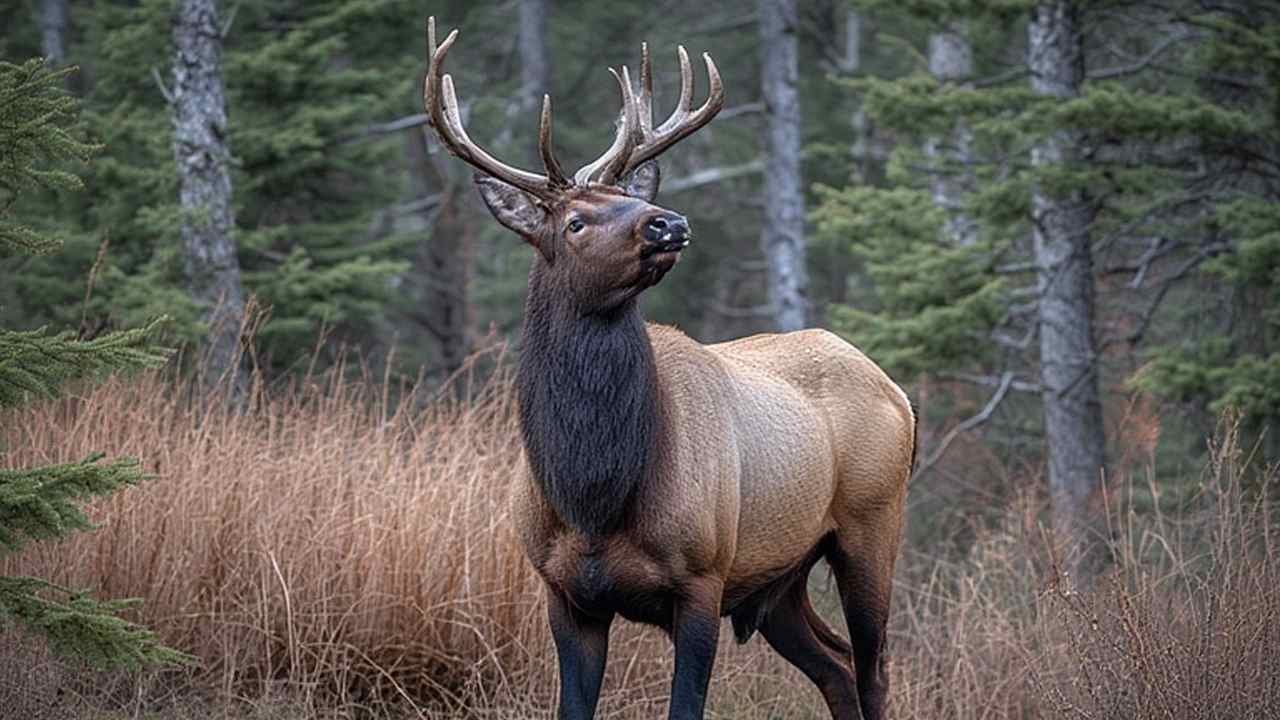
Washington Hunting Guide 2026-2027 – Seasons, Tags & Game Management Units
Hey there, outdoor enthusiast. If you’ve been waiting on the official Washington state game calendar, the wait is mostly over. The Washington Department of Fish and Wildlife (WDFW) has rolled out the 2026-2027 hunting regulations pamphlet, and the schedule covers everything from deer and elk to ducks, geese, turkeys, bobcats, and even band-tailed pigeons. Below you’ll find a clean breakdown of the dates, license requirements, weapon methods, and the units you need to know. Bookmark this page for the rest of the year and check back when you start planning your out-of-state trips.
📅 Quick Reference Points at a Glance
Here’s a quick scan of the main categories covered in the 2026-2027 Washington hunting season calendar:
- Deer & Elk – Archery opens first in early September, muzzleloader follows in late September, and modern firearm general seasons run through the fall.
- Turkey – Youth-only spring window kicks off April 1, the general spring season picks up mid-April, and the fall window runs September through December.
- Bear & Cougar – Fall entries start in early September with mandatory reporting requirements.
- Waterfowl – Ducks open mid-October statewide, geese vary by management area, and youth waterfowl days precede the main opener.
- Small Game & Furbearer – Squirrel, rabbit, and grouse open September 1, while coyote is open year-round.
🦌 Big Game Overview (Deer, Elk, Bear, Cougar)
The 2026-27 Big Game Hunting Seasons and Rules pamphlet became effective April 1, 2026 and runs through March 31, 2027. It covers deer, elk, black bear, cougar, mountain goat, moose, and bighorn sheep. Special hunt permit applications opened April 20, 2026; WDFW later extended the deadline to May 27, 2026, due to a delayed availability of the printed pamphlet.
| Method | Typical Window (Statewide General) | Notes & Permits |
|---|---|---|
| Archery – Deer & Elk | Early September through late September / early October | Either-sex tags in most units; some units require special permits |
| Muzzleloader – Deer & Elk | Late September through mid-October | Either-sex available in many units; antlerless-only in some |
| Modern Firearm – Deer | Mid-October through late November | Tag and weapon restrictions by unit; antler point restrictions in select GMUs |
| Modern Firearm – Elk | Mid-October through late November | Branch-antlered bull only in most units; some areas are either-sex |
| Black Bear (Fall) | September 1 through mid-November, varies by unit | Mandatory harvest report; bear ID test required |
| Cougar | September 1 through April 30, varies by unit | Quota-based harvest; check current closures before going out |
A few notes worth keeping handy:
- Hunters are required to pass the online bear identification test before purchasing a black bear tag.
- Mandatory hunter orange (fluorescent) is required for modern firearm deer and elk hunters in many units.
- Chronic Wasting Disease (CWD) rules changed after the August 2024 detection in north Spokane County, so carcass transport and certain baiting restrictions matter if you’re hunting near that zone.
🦃 Turkey Dates & Bag Limits
The Washington wild turkey rules split the calendar into three windows. Across the entire state, the spring season limit is three (3) turkeys, and the fall season limit is four (4). The combined cap applies across both seasons, with sub-limits inside specific counties.
| Season Type | Dates (2026) | Area / Restrictions | Legal Bird |
|---|---|---|---|
| Spring Youth-Only | April 1 – 7, 2026 | Statewide (except closed GMUs) | Male turkeys or turkeys with visible beards |
| Spring General | April 15 – May 31, 2026 | Statewide (except closed GMUs) | Male turkeys or turkeys with visible beards |
| Fall General | September 1 – December 31, 2026 | GMUs 101-154, 162-186: 2 beardless + 2 either-sex; GMUs 382, 388, 568-578: 2 either-sex; GMUs 203-290: 1 either-sex | Either-sex or beardless, depending on GMU |
| Special Permits | Varies (apply by late May) | Selected GMUs only | Check WDFW permit drawings |
County-level caps you need to memorize:
- Klickitat County: 2 turkey annual limit
- Spokane County: 3 turkey annual limit
- Remainder of Eastern Washington: 2 turkey limit (only 1 in Kittitas, only 1 in Yakima)
- Remainder of Western Washington: 1 turkey limit
And the gear rules are clear: shotguns must shoot #4 or smaller shot, no dogs or electronic calls, and the fully-feathered head and beard must stay attached until the bird is processed. Reporting is mandatory for every purchased turkey transport tag. For a deeper dive into turkey-specific rules, the Washington Turkey Season page is worth pinning.
🐾 Furbearer Opportunities
Bobcat, raccoon, fox, coyote, and a handful of other species fall under the furbearer and small-game framework.
| Species | Season Window (Statewide) | Bag & Possession Limit | License Needed |
|---|---|---|---|
| Bobcat | September 1 – March 15 | No limit | Valid small game license |
| Raccoon | September 1 – March 15 | No limit | Valid small game license |
| Coyote | Year-round | No limit | Big game OR small game license |
| Fox | September 1 – March 31 | No limit | Valid small game license |
| Otter | Varies; check WDFW | No limit | Valid small game license |
Trappers must also follow the Equipment and Area rules in the WDFW trapping pamphlet, and most furbearer species require a mandatory harvest report once the season ends.
🐦 Small Game Section
Squirrels, rabbits, forest grouse, ring-necked pheasant, California quail, chukar, gray partridge, and ruffed grouse all fall under the small game umbrella. Seasons typically open September 1 and run through winter.
| Species | Typical Open Dates | Daily Bag Limit | Possession Limit |
|---|---|---|---|
| Cottontail Rabbit & Snowshoe Hare | Sept. 1 – March 31 | 5 per day | 15 in possession |
| Gray & Fox Squirrel | Sept. 1 – January 31 | 5 per day | 15 in possession |
| Forest Grouse (Ruffed, Sooty, Spruce, Dusky) | Sept. 1 – January 31 | 4 grouse per day (statewide combined cap) | 12 |
| Ring-necked Pheasant | Sept. 1 – January 31 | 3 per day (roosters only) | 15 |
| California Quail, Mountain Quail | Sept. 1 – January 31 | 10 per day (combined) | 30 |
| Chukar & Gray Partridge | Sept. 1 – January 31 | 5 per day (combined) | 15 |
| Crow | October 1 – January 31 (no Sundays) | No limit | No limit |
Forest grouse, coyote, and crow can be hunted using a valid big game license instead of a small game license. That little carve-out is convenient for deer hunters who run into a coyote at the trailhead.
🦆 Complete Waterfowl Seasons
The Washington Waterfowl and migratory bird regulation document is the holy grail for duck and goose hunters in Washington, and the 2026-2027 waterfowl framework is officially published. Here are the highlights.
| Waterfowl | Dates (Statewide unless noted) | Notes |
|---|---|---|
| Ducks | Oct. 17 – 25, 2026 and Oct. 28, 2026 – Jan. 31, 2027 | Scaup closed Oct. 17 – Nov. 6, 2026 |
| Coot (Mudhen) | Same dates and areas as ducks | Same shooting hours and bag structure |
| Canada & White-fronted Geese – Area 1 (WW) | Sept. 5 – 13, 2026 (Sep. Canada Goose); Oct. 17 – Nov. 29, 2026 and Dec. 12, 2026 – Jan. 31, 2027 | Daily bag of 4 Canada, 2 white-fronted |
| Area 2 Coast (WW) | Sat/Sun/Wed only, Oct. 17 – Nov. 29, 2026 and Dec. 12, 2026 – Jan. 10, 2027 | Bag limits same as Area 1 |
| Area 2 Inland (WW) | Sat/Sun/Wed only, Oct. 17 – Nov. 1, 2026; Nov. 25, 2026 – Jan. 10, 2027; Feb. 7 – 15, 2027 | Ridgefield NWR closed |
| Area 3 (WW) | Sept. 5 – 13, 2026 (Sep. Canada Goose); Oct. 17 – 25, 2026 and Nov. 7, 2026 – Jan. 31, 2027 | Combined goose limit per WAC |
| Area 4 (EW) | Sat/Sun/Wed only, Oct. 17, 2026 – Jan. 24, 2027; holiday and weekend additions | See WAC for full daily breakdown |
| Area 5 (EW) | Oct. 17 – Nov. 2, 2026 and Nov. 7, 2026 – Jan. 31, 2027 | White-fronted and snow variants vary |
| Band-tailed Pigeon | Sept. 15 – 23, 2026 statewide | Single short window – don’t miss it |
| Youth Waterfowl – WW | Sept. 26, 2026 and Feb. 6, 2027 | Hunters 15 and under only |
| Youth Waterfowl – EW | Oct. 3, 2026 and Feb. 6, 2027 | Hunters 15 and under only |
Standard duck bag in Washington generally runs 7 birds per day with species-specific caps (e.g., 2 mallard hens, 2 canvasback, 3 scaup once the season reopens). Canada goose daily bag is typically 4 birds. Always double-check the printed WAC for current limits – framework tweaks happen annually.
🦌 Other Available Game
There are a few oddball species that come and go on the calendar:
- Bullfrog – Open year-round, no license needed beyond a small game license.
- Sandhill Crane – Limited seasons in select zones; requires a special permit and HIP certification.
- Mourning Dove – Sept. 1 – Oct. 30 statewide, daily bag 15.
- Snipe – Oct. 17, 2026 – Jan. 31, 2027 in line with the duck framework.
- Brant – Variable opener in Pacific Flyway zones; check WDFW for the exact window.
- Cougar (Hound Hunting) – Conditional open areas only; quota system and check-in rules apply.
🗺️ Hunting Zones & Game Management Units
Washington is split into over 100 Game Management Units (GMUs) organized by Bioregion. The official GMU boundary map is the source of truth – you’ll want it loaded on your phone before any out-of-state trip. A few pointers:
- Eastern Washington GMUs generally run in low to mid elevations with open ponderosa pine, wheat fields, and rolling shrub steppe.
- Western Washington GMUs include dense rainforest, coastal areas, and the Cascades.
- Public lands (USFS, BLM, Washington DNR, and WDFW-managed) usually allow general season access; wilderness areas, tribal lands, and WMA refuges frequently require advance permission or a special permit.
- Private property access almost always requires landowner permission in writing.
A separate map layer tracks Cougar Area Openings and Closures since harvest is quota-based and zones can close mid-season.
🎟️ Permits, Tags & Licenses
Per the official license & permit portal, here’s the basic breakdown. Prices are subject to annual change, so confirm them at checkout.
- Resident small game, deer, elk, turkey, etc. – Around $45 to $200 per species; combination licenses available.
- Non-resident small game – Roughly $250.
- Non-resident deer/elk – Pricing tiers based on species and unit; often the biggest expense.
- Youth license (under 18) – Significant discount, often under $20 for qualifying species.
- Short-term / 3-day small game license – Available for visitors.
- Active Military / Veteran / Disability licenses – Discounted; check WDFW’s reduced-fee options.
- Senior Resident (65+) – Discounted combination and small game licenses.
Add-ons and stamps you may need:
- Migratory Bird Validation (HIP) – Free or nominal; required for duck and goose hunters.
- Waterfowl Stamp – Federal duck stamp is required at age 16+ for waterfowl hunting.
- Archery/Firearm Specific Permit – If the GMU requires a special draw.
- Trapper Permit – Needed for bobcat, otter, and other furbearers in some seasons.
- Big Game Permit (Special Hunt) – Required for moose, mountain goat, bighorn sheep, and selected elk/deer draws.
A more complete pricing matrix and the application flow are detailed on the Washington Hunting License page.
For up-to-date tag fees and application windows, the WDFW Hunting & Fishing Licensing portal is the authoritative source.
❓ Washington Hunting Quick FAQ
Q: When can I apply for a special hunt permit like moose or bighorn sheep?
A: The 2026 special hunt window opened April 20, 2026, and WDFW extended the deadline to May 27, 2026. Drawings are run over the summer.
Q: Do I need a separate license to hunt coyote?
A: No special tag is required, but you must carry a valid big game OR small game license. Coyote seasons are open year-round statewide with no bag limit.
Q: Can I hunt turkeys with a rifle?
A: No. Legal methods are bow/crossbow, shotgun or muzzleloading shotgun with #4 or smaller shot, and specific legal handguns. Length-barrel and capacity rules apply.
Q: Is the band-tailed pigeon season really only nine days?
A: Yes – Sept. 15 – 23, 2026 is the statewide window. Miss it, and you wait another year.
Q: Do I need the bear identification test for fall bear?
A: Yes. Anyone purchasing a black bear tag must pass the WDFW online bear ID test before tagging a bear.
Q: What’s the youth waterfowl day requirement?
A: Hunters must be 15 years of age or under, fully licensed, and accompanied by an adult (who cannot hunt) per federal regulations.
Conclusion
That’s your one-stop rundown of the Washington game calendar for 2026-2027. From archery deer kicking off the September lineup, to spring gobbler in April, to duck and goose seasons running into late January, there’s a lot to fit on a wall calendar. Confirm dates on the WDFW regulation pamphlets before you head out, secure permits early, scout your GMU, and respect both public land rules and private property boundaries. Pin this guide for reference and check WDFW each spring for the next year’s updates.