
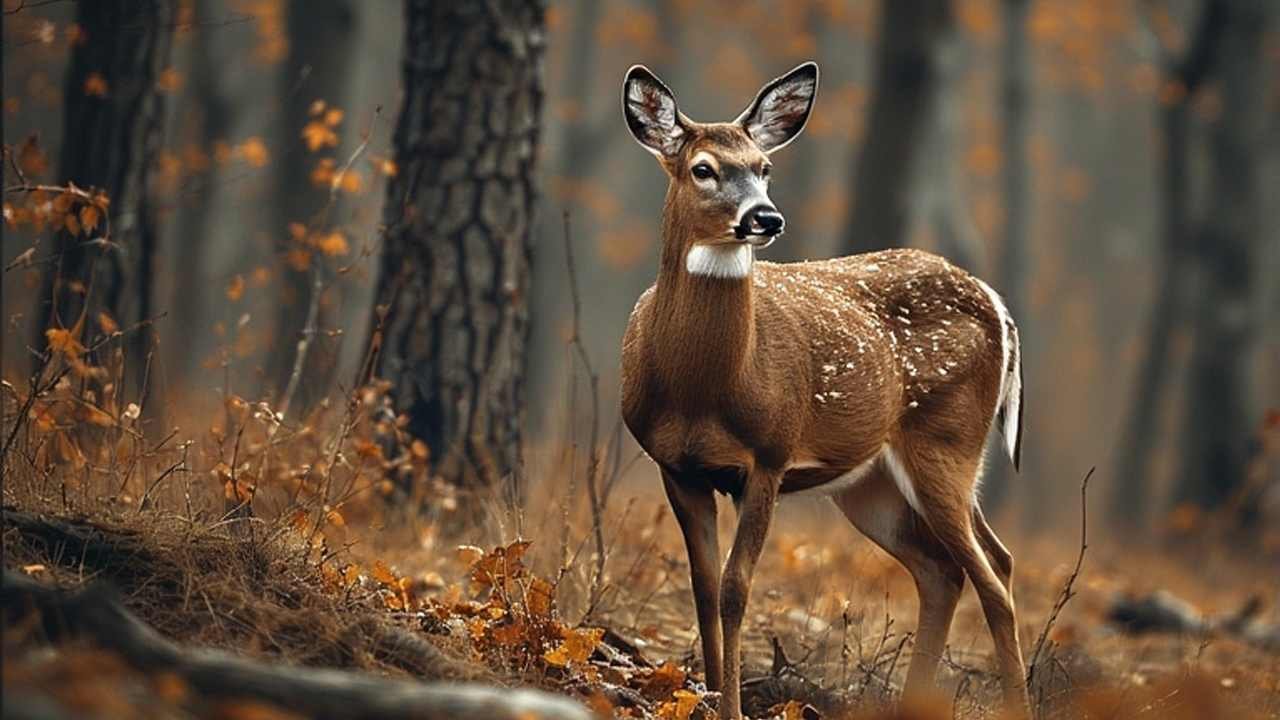
West Virginia Hunting Seasons 2026-2027 – Dates, Licenses & Wildlife Management Areas
The Mountain State’s woods and hollows are calling, and the 2026-2027 schedule is officially out from the WVDNR. If you’ve been waiting to plan a fall trip or lock in your resident tag for deer, turkey, or bear, this guide pulls everything together in one place. The new rules were released back in late June 2026, and a few of the season windows and county allowances have been tweaked, so it’s worth a proper read before you head out. Both locals and out-of-state sportsmen should treat this as their yearly planner — bookmark this page, because the WVDNR rolls out fresh changes every cycle.
📅 Quick Reference Points at a Glance
If you just need the headline numbers, here is the fast version. The detailed tables later in this post drill down on bag limits and weapon allowances.
| Species | Approximate Open | Approximate Close |
|---|---|---|
| Deer (Archery & Crossbow) | Sep 26, 2026 | Dec 31, 2026 |
| Deer (Buck Firearms) | Nov 23, 2026 | Dec 6, 2026 |
| Deer (Muzzleloader) | Dec 14, 2026 | Dec 20, 2026 |
| Bear (Archery) | Sep 26, 2026 | Dec 31, 2026 |
| Bear (Firearms, Selected Counties) | Aug 29, 2026 | varies through Dec 31 |
| Turkey (Fall, Selected Counties) | mid-Oct 2026 | mid-Nov 2026 |
| Turkey (Spring 2027 Gobbler) | Apr 19, 2027 | May 23, 2027 |
| Squirrel | Sep 12, 2026 | Feb 27, 2027 |
| Grouse, Quail, Pheasant, Rabbit | early Nov 2026 | late Jan / late Feb 2027 |
| Raccoon, Bobcat, Fox | Nov 1, 2026 | late Feb 2027 |
| Beaver (Trap) | Nov 1, 2026 | Mar 31, 2027 |
| Wild Boar (Gun) | Oct 25, 2026 | early Feb 2027 |
Youth, Mountaineer Heritage, and split antlerless chunks are broken out below.
🦌 Big Game Overview Deer, Black Bear, and Elk
White-tailed deer is the headline critter here. The overall framework splits into three weapon styles plus a handful of antlerless splits and youth chunks. Hunters should also note the special Mountaineer Heritage Season in January, which combines deer, bear, and turkey on private land within select southern counties.
| Hunt Segment | Open | Close | Daily Limit | Season Limit |
|---|---|---|---|---|
| Deer — Archery and Crossbow | Sep 26, 2026 | Dec 31, 2026 | — | per zone, see regs |
| Deer — Buck Firearms | Nov 23, 2026 | Dec 6, 2026 | 1 antlered | per regs |
| Deer — Muzzleloader | Dec 14, 2026 | Dec 20, 2026 | varies | per regs |
| Deer — Antlerless Split (Selected Counties) | Oct 23 / Nov 24 / Dec 11 / Dec 28, 2026 | end of each split | varies | 4 |
| Deer — Youth, Class Q, or Class XS Split | Oct 17, 2026; Dec 26, 2026 | Oct 18; Dec 27 | 1 | 4 |
| Deer, Bear, Turkey — Winter Mountaineer Heritage | Jan 8, 2027 | Jan 11, 2027 | 1 each | — |
Black Bear
Black bear hunting in West Virginia runs deep — and the WVDNR splits it by method.
- Archery and crossbow: September 26 through December 31, 2026. Daily limit 1, possession 2, season limit 2.
- Firearms in selected counties: a series of windows from August 29, 2026 through early September, mid-September, early October, late October, late November, and into December. Each chunk is county-specific, so hunters should double check the open list in the regs summary.
- Youth, Class Q, Class XS split: September 13-14 and October 18-19, 2026.
Tag rules: Bear must be checked electronically through wvhunt.com within 24 hours. Chronic wasting disease sampling applies in certain counties for deer, so review the CWD page before harvest.
Elk
Elk is not a general-season animal in West Virginia. The state runs a tightly controlled lottery with a limited number of permits each year in the southern coalfield zone. Tags are issued through a special drawing managed by WVDNR, and unsuccessful applicants typically need to wait several seasons before reapplying.
🦃 Turkey Dates Spring, Fall, and Youth
Turkey is one of the most pursued birds in the state and the WVDNR separates spring gobbler, fall either-sex, and youth days clearly.
| Turkey Segment | Open | Close | Daily | Season |
|---|---|---|---|---|
| Fall — Split Season (Selected Counties) | Oct 10, 2026 | Oct 18, 2026 | 1 | 1 |
| Fall — Split Season Round 2 | Oct 27, 2026 | Nov 2, 2026 | 1 | 1 |
| Spring Gobbler (Bearded Only) | Apr 19, 2027 | May 23, 2027 | 1 | 2 |
| Spring Youth Season (Goes for the 2026 cycle, see regs) | mid-April | mid-April | 1 | 1 |
Bag limits: Spring harvest is bearded birds only, and the daily bag limit is one with a two-bird season limit. Fall gun allows one either-sex bird during the selected county windows.
Restricted areas: National parks, parts of the New River Gorge, and several state-run hatchery properties are closed. Always confirm on the official zone list before you step out.
Looking for a wider wild turkey overview? You can also check out the West Virginia Turkey Season page on StateOutdoors for a parallel reading angle on gobbler dates and tactics.
🦝 Furbearer Opportunities Trapping and Year-Round Hunts
The furbearer calendar lines up around early November and runs into the late winter. A few critters — coyote in particular — stay open year-round, which gives trappers and houndsmen extra days in the woods.
| Furbearer | Method | Open | Close | Daily Bag |
|---|---|---|---|---|
| Raccoon — Hunting | Gun / dog | Oct 18, 2026 | Feb 27, 2027 | 4 per 24-hr |
| Raccoon — Trapping | Trap | Nov 1, 2026 | Feb 27, 2027 | none |
| Red Fox, Gray Fox | Hunt / Trap | Nov 1, 2026 | Feb 27, 2027 | none |
| Bobcat | Hunt / Trap | Nov 1, 2026 | Feb 27, 2027 | 3 |
| Fisher | Trap | Nov 1, 2026 | Jan 30, 2027 | 1 |
| Otter | Trap | Nov 1, 2026 | Feb 27, 2027 | 1 |
| Beaver | Trap | Nov 1, 2026 | Mar 31, 2027 | none |
| Mink, Muskrat | Trap | Nov 1, 2026 | Feb 27, 2027 | none |
| Coyote | Hunt | Year-round | — | none |
| Skunk, Opossum, Woodchuck, Weasel | Hunt | Year-round | — | none |
Note on licenses: Most furbearer hunting only requires the base hunting license. Trapping, on the other hand, needs a separate Trapping License in addition to the regular hunting permit.
New for 2026-2027: Hunters may now sell live foxes to licensed hound-coursing pens in the state during the trapping season.
🐦 Small Game Section Table Dove, Quail, Squirrel, Rabbit
Small game in WV gives beginners a friendly on-ramp and gives veterans a reason to keep working the woods after deer season wraps.
| Species | Open | Close | Daily | Possession |
|---|---|---|---|---|
| Squirrel — Gray, Black, Fox | Sep 12, 2026 | Feb 27, 2027 | 6 | 24 |
| Squirrel — Youth | Sep 6, 2026 | Sep 7, 2026 | 6 | 12 |
| Ruffed Grouse | Oct 18, 2026 | Feb 27, 2027 | 4 | 16 |
| Bobwhite Quail (closed on Tomblin WMA) | Nov 1, 2026 | Jan 3, 2027 | 3 | 9 |
| Cottontail Rabbit | Nov 1, 2026 | Feb 27, 2027 | 5 | 20 |
| Snowshoe Hare | Nov 1, 2026 | Feb 27, 2027 | 2 | 8 |
| Ring-necked Pheasant (cock birds only) | Nov 1, 2026 | Jan 3, 2027 | 2 | 2 |
| Ring-necked Pheasant (Hillcrest WMA) | Nov 8, 2026 | Dec 6, 2026 | 1 | 1 |
| Crow — Split | Oct 1, 2026 / Jan 1, 2027 | Nov 22 / Mar 7 | none | none |
Wild boar is also available in select counties, mostly in the southern mountains — firearms runs Oct 25 to Nov 1, 2026 plus a final window Feb 6-8, 2027. Archery on boar runs the same range plus the latter cold snap.
🦆 Complete Waterfowl Seasons Ducks, Geese, Teal, and More
Migratory birds are managed by federal frameworks layered on top of state choices, so be sure to grab a federal duck stamp and complete the Harvest Information Program (HIP) registration through wvdnr.gov before you go.
- Ducks, Coots, and Mergansers: Early October open, running roughly mid-October through early January.
- Canada Goose & White-fronted Geese: Three-way split covering October, mid-November, and December into early February.
- Early Canada Goose: September 1-14, 2026 window for resident hunters.
- Snow and Blue Goose: Generally mid-October through January with a higher daily bag.
- Mourning Dove: Standard September opener in the migratory schedule.
- Woodcock, Snipe, Rails, Gallinules: Set in the same annual migratory release.
HIP and stamps: All migratory hunters must register through HIP (free) and carry a signed federal duck stamp. A state migratory bird permit may also apply. The 2026-2027 framework allows e-Stamp purchases through duckstamp.com starting July 1, 2025, plus through the new WVDNR site.
For the exact segment-specific dates, read the latest West Virginia Migratory Bird Hunting Regulations Summary on the WVDNR Hunting Rules page for current year overviews.
🗺️ Hunting Zones Map and Public vs Private Property
West Virginia isn’t split into formal numbered deer zones the same way some neighboring states handle it, but management units and county allowances still matter — especially for antlerless deer, bear firearms, and fall turkey. Open and closed county lists are tucked into the regulation summary every year.
- WMAs: The state runs dozens of Wildlife Management Areas covering national forest acres, river corridors, and reclaimed mine land. Common picks include Seneca, Green Bottom, McClintic, and Bluestone. Confirm each WMA’s specific rules before hunting.
- Public Land: Much of the Monongahela and George Washington National Forests are open to hunting. National parks and Refuges are not.
- Private Land: Mountaineer Heritage Season and Landowner Cooperators program offer bonus opportunities in select counties.
Quick tip: If you’re new to WV public land, the WVDNR’s interactive hunt map layer inside West Virginia hunt tools can show WMA boundaries and recent check-in data.
For a complete map and unit breakdown, browse the West Virginia hunting overview and license details on StateOutdoors.
🎟️ Permits, Tags & Licenses Details
The base license unlocks most general-season hunting. Add-ons cover waterfowl, archery validation (in some counties), and the lifetime options for residents.
- Resident Annual Hunting License: standard adult classification.
- Non-Resident Annual Hunting License: higher fee tier.
- Youth License (under 18): sharp discount for in-state and out-of-state young hunters.
- Short-term Tourist License: short window for non-residents visiting the state.
- Military & Veteran: reduced rate or free options for active duty, retired, and disabled veterans.
- Disability License: available, with specific eligibility tracked through DNR.
- Trapping License: required in addition to hunting for any trapper activity.
- Federal Duck Stamp: required for any hunter age 16+ pursuing migratory waterfowl.
- State Migratory Permit and HIP Registration: part of the migratory bird combo.
- Class Q Permit: lifetime resident license upgrade that mirrors some youth-class benefits.
- Class XS Permit: super senior lifetime tag for elderly residents.
- Lifetime License options: bundled for residents who want a one-time buy.
Electronic check-in: All harvested big game must be reported through wvhunt website within the WVDNR’s stated window. Failing to check in is a citation waiting to happen.
❓ West Virginia Hunting Quick FAQ
Q1. Do I need a separate license to hunt with a crossbow?
A. Crossbow falls under the standard archery season, so the base license plus any county-specific validation applies.
Q2. Can I buy a license online as an out-of-state hunter?
A. Yes, the state’s electronic licensing system serves both residents and non-residents. Tags and sportsmen permits can be added on at checkout.
Q3. Is elk hunting open to the public?
A. Only through the lottery system. The DNR publishes application windows each spring.
Q4. Do I need a hunter education card before buying a license?
A. First-time hunters and most out-of-state sportsmen born after a cutoff year need proof of hunter education. Look for the “hunter orange” requirement on tags too.
Q5. Can I use a rifle for deer in the archery segment?
A. No, archery and crossbow segments limit hunters to legal archery tackle. Centerfire rifles are reserved for the firearms chunk.
Q6. Are Sundays open for hunting?
A. West Virginia has expanded Sunday hunting allowances in some counties; the latest update is published in the current regs summary.
Q7. Where can I find the official zone map?
A. The WVA interactive portal, plus the regulations summary PDF, both list open counties for antlerless splits and bear firearms.
Conclusion
The 2026-2027 WV schedule keeps the framework hunters know — archery in fall, firearms in late November, muzzleloader just before Christmas — while tightening up the southern counties and giving youth hunters more antlered deer room. Grab your resident or non-resident base license early, decide on the archery stamp add-on if you’ll bowhunt, sort out the migratory registration going after ducks, and bookmark the WVDNR Regulations page as the source-of-truth. Dates and county lists get tweaked every cycle, and bag limits on a few small game species have moved over the past few years, so a five-minute scan each summer saves you from a fine later.
If you want to keep the season straight in your head, save this guide alongside the official PDF before the August antlerless opens. It pairs well with planning your fall camps, scouting public land early, and locking in your bear zone well before opening morning.