
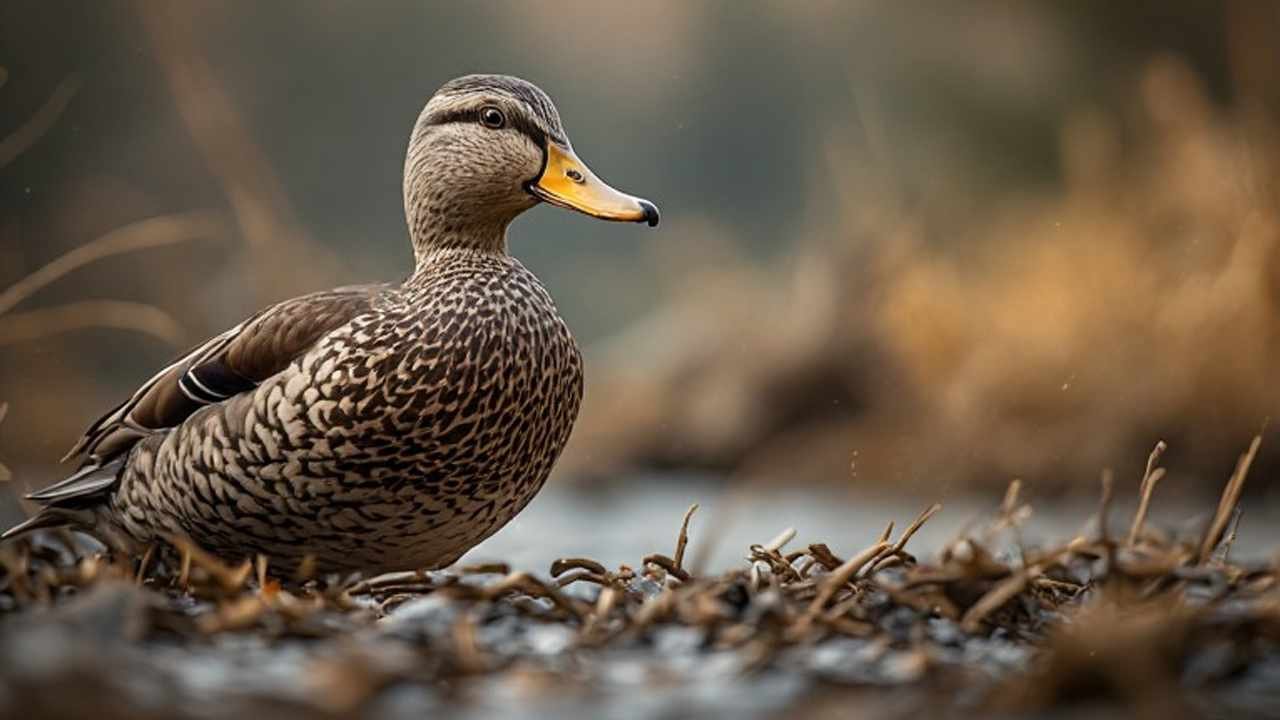
California Duck Season 2026-2027: Dates & Limits
California’s 2026-2027 duck season is divided among five waterfowl hunting zones rather than one statewide opening date. Regular duck seasons begin on October 3 in the Northeastern Zone, October 23 in the Colorado River Zone, and October 24 in the Southern San Joaquin Valley, Southern California, and Balance of State Zones. Most regular duck seasons close on January 31, 2027, while the Northeastern Zone closes earlier on January 13, 2027. California also uses special youth and veterans/active-duty military waterfowl days.
The general duck limit is seven ducks per day, with species-specific restrictions for mallards, pintails, canvasbacks, redheads, and scaup. Hunters must identify their zone, obtain the required California license and validations, complete HIP registration, and carry a Federal Duck Stamp if they are 16 or older.
Regulations for public hunting areas, wildlife areas, reservations, entry permits, emergency closures, and local shooting times may add requirements beyond the statewide summary. Always review the latest official California regulations before hunting.
2. California Duck Season 2026-2027 at a Glance
| Information | 2026-2027 Details |
|---|---|
| Regular duck season | October 3, 2026-January 13, 2027 in the Northeastern Zone; October 23 or 24, 2026-January 31, 2027 in the other zones |
| Hunting zones | Northeastern, Southern San Joaquin Valley, Southern California, Colorado River, and Balance of State |
| Daily duck bag limit | 7 ducks, including mergansers |
| Possession limit | Triple the daily bag limit: 21 ducks |
| Mallard limit | Up to 7 mallards, but no more than 2 females |
| Pintail limit | 3 |
| Canvasback limit | 2 |
| Redhead limit | 2 |
| Scaup limit | 2, during the applicable scaup season |
| Shooting hours | Generally one-half hour before sunrise until sunset |
| Youth waterfowl days | Vary by zone; September 19-20, 2026, or February 6-7 or February 13-14, 2027 |
| Veteran/military days | January 16-17, 2027, or February 6-7, 2027, depending on zone |
| Early teal season | No separate statewide early teal season is listed in the published 2026-2027 California waterfowl summary |
| California hunting license | Required, except for limited statutory programs such as Free Hunting Days |
| California Duck Validation | $41.04; not required for junior hunters hunting under a Junior Hunting License |
| Federal Duck Stamp | Required for waterfowl hunters age 16 and older |
| HIP validation | Required and free |
| Reservation application | $1.34 per hunt choice for applicable state-operated wildlife-area drawings |
California’s official waterfowl page describes the published material as a summary rather than the complete legal language. Hunters should use the summary for planning and consult the California Fish and Game Commission regulations for enforceable provisions.
3. California Duck Season Dates for 2026-2027
California has five official waterfowl zones. The regular duck dates are:
| Duck Hunting Zone | Regular Duck Season | Scaup Season |
|---|---|---|
| Northeastern California Zone | October 3, 2026-January 13, 2027 | October 3-November 29, 2026, and December 17, 2026-January 13, 2027 |
| Southern San Joaquin Valley Zone | October 24, 2026-January 31, 2027 | November 7, 2026-January 31, 2027 |
| Southern California Zone | October 24, 2026-January 31, 2027 | November 7, 2026-January 31, 2027 |
| Colorado River Zone | October 23, 2026-January 31, 2027 | November 7, 2026-January 31, 2027 |
| Balance of State Zone | October 24, 2026-January 31, 2027 | November 7, 2026-January 31, 2027 |
Opening and Closing Dates
The earliest regular duck opener is October 3, 2026, in the Northeastern Zone. The Colorado River Zone opens on October 23, 2026. The remaining three zones open on October 24, 2026.
The Northeastern Zone closes on January 13, 2027. The Southern San Joaquin Valley, Southern California, Colorado River, and Balance of State Zones close on January 31, 2027.
Split Seasons
The Northeastern Zone has a split scaup season:
- Segment 1: October 3-November 29, 2026
- Segment 2: December 17, 2026-January 13, 2027
The regular duck season itself is shown as one continuous segment in each zone. The other zones have later scaup starting dates than their general duck seasons.
Special Waterfowl Days
Special days are separate from the regular duck season and should not be confused with an extension of the ordinary season.
| Zone | Youth Waterfowl Hunting Days | Veteran and Active Military Days |
|---|---|---|
| Northeastern | September 19-20, 2026 | January 16-17, 2027 |
| Southern San Joaquin Valley | February 13-14, 2027 | February 6-7, 2027 |
| Southern California | February 13-14, 2027 | February 6-7, 2027 |
| Colorado River | February 6-7, 2027 | No date listed in the published summary |
| Balance of State | February 13-14, 2027 | February 6-7, 2027 |
The Colorado River youth hunt occurs before the regular season. The other February youth and military dates occur after the regular regular-season closing date, but remain subject to the special-season eligibility rules and all applicable regulations.
4. California Duck Hunting Zones
California divides waterfowl hunting into five broad zones:
- Northeastern California Zone
- Southern San Joaquin Valley Zone
- Southern California Zone
- Colorado River Zone
- Balance of State Zone
These zones generally reflect major geographic and waterfowl-management regions, but the legal boundaries are defined by official descriptions and maps rather than simply by county names. A county can also contain different habitat types or special-area rules, so hunters should not rely only on a familiar regional label.
Before hunting, identify the exact location of the marsh, refuge, reservoir, river, agricultural property, or wildlife area and compare it with the official zone map. California provides a downloadable waterfowl zone map that should be checked alongside the current regulations.
The zone matters because opening dates, closing dates, scaup dates, special hunt days, and sometimes access rules differ from one part of the state to another.
5. California Duck Season Bag Limits
The published 2026-2027 California summary provides a statewide daily duck limit of seven, including mergansers.
| Duck Species or Group | Daily Limit | Important Restriction |
|---|---|---|
| Mallards | Up to 7 | No more than 2 may be female mallards |
| Northern pintail | 3 | Either sex |
| Canvasback | 2 | Either sex |
| Redhead | 2 | Either sex |
| Scaup | 2 | Only during the applicable scaup season |
| Other legal ducks and mergansers | Included within 7 | Must remain within all species-specific limits |
The species limits are sub-limits, not additions to the seven-duck total. For example, a hunter cannot take seven mallards plus two canvasbacks. The combined duck total must remain seven or fewer.
The possession limit is triple the daily bag limit, or 21 ducks. Possession limits apply in addition to daily take limits and should be understood together with any rules governing transportation, storage, gifting, processing, and tagging.
California’s published summary does not list black duck or mottled duck as standard California-specific sub-limit categories. Hunters should not assume that species appearing in generic national waterfowl tables have the same relevance or limits in California.
6. What License Do You Need to Hunt Ducks in California?
California Hunting License
A California hunting license is generally required to take ducks and other resident or migratory game birds.
California requires hunter education for license applicants unless an applicable exception applies. CDFW states that there is no minimum age for purchasing a hunting license if the applicant can provide proof of hunter education, although hunter education instructors commonly recommend that students be at least 10 years old.
Residents 16 or older generally use the resident hunting license. Nonresidents may purchase the license type applicable to their planned hunt. California also offers a two-day nonresident hunting license for eligible nonresidents 16 or older taking resident and migratory game birds, certain small game, wild pigs, nongame mammals, and furbearers.
Junior Hunting License
A Junior Hunting License applies to a resident or nonresident who is under 16 at the beginning of the license year, which is July 1.
Junior hunters hunting under the authority of a Junior Hunting License are exempt from the California Duck Validation. They remain subject to the other applicable regulations, including species limits, shooting hours, hunter-safety requirements, and public-area rules.
California Duck Validation
A California Duck Validation is required for people taking waterfowl, except junior hunters hunting under a Junior Hunting License. The 2026 fee is $41.04.
This state validation is separate from the Federal Duck Stamp. A hunter may need both.
HIP Validation
California requires a free Harvest Information Program, or HIP, validation for anyone hunting ducks, geese, coots, dove, gallinules, band-tailed pigeon, black brant, or snipe.
Hunters complete a HIP survey and must have the HIP validation printed on their California hunting license. A license without the required HIP validation may not satisfy the migratory-bird requirement.
Federal Duck Stamp
Waterfowl hunters age 16 and older must possess a current Federal Migratory Bird Hunting and Conservation Stamp or an authorized E-Stamp. The stamp is valid from July 1 through June 30 of the following year.
A physical stamp must be signed to be valid for hunting. A store receipt is not a substitute for a signed physical stamp or valid E-Stamp. The Federal Duck Stamp is valid nationwide, but it does not replace California licenses, validations, permits, or passes.
Licensing Summary
| Requirement | Resident | Nonresident | Notes |
|---|---|---|---|
| California hunting license | Required | Required | License type and fee may differ |
| Junior Hunting License | Required for eligible hunters under 16 | Required for eligible hunters under 16 | Junior hunters are exempt from the California Duck Validation |
| HIP validation | Required | Required | Free; must be completed and printed on the license |
| California Duck Validation | Required unless exempt | Required unless exempt | $41.04; junior-license hunters are exempt |
| Federal Duck Stamp | Required at age 16 or older | Required at age 16 or older | Current signed physical stamp or valid E-Stamp |
| Wildlife-area pass | Required where the area requires it | Required where the area requires it | Rules vary by Type A, B, or other area |
7. California Duck Hunting License Costs for 2026-2027
The official CDFW fee schedule lists the following amounts relevant to duck hunters:
| License or Permit | Resident Cost | Nonresident Cost | Notes |
|---|---|---|---|
| Resident Hunting License | $64.54 | Not applicable | For California residents meeting licensing requirements |
| Junior Hunting License | $17.02 | $17.02 | For eligible residents or nonresidents under 16 at the beginning of the license year |
| California Duck Validation | $41.04 | $41.04 | Not required for junior hunters hunting under a Junior Hunting License |
| HIP validation | No fee | No fee | Required for migratory bird hunting |
| Federal Duck Stamp | $25.00 | $25.00 | Required for hunters age 16 or older |
| Type A One-Day Pass | $29.16 | $29.16 | For qualifying Type A state-operated wildlife areas |
| Type A Two-Day Pass | $46.70 | $46.70 | Can be used according to CDFW’s two-day pass rules |
| Type A Season Pass | $219.24 | $219.24 | Unlimited seasonal access where authorized and space is available |
| Type B Season Pass | $73.70 | $73.70 | For qualifying Type B state-operated wildlife areas |
| Reservation application | $1.34 per hunt choice | $1.34 per hunt choice | Applies to applicable reservation drawings |
License packages, special permits, nonresident license types, and area-specific access costs can change. Confirm the amount at the official licensing portal before purchase.
8. Youth Waterfowl Hunting Days in California
The 2026-2027 youth waterfowl dates are:
- Northeastern Zone: September 19-20, 2026
- Colorado River Zone: February 6-7, 2027
- Southern San Joaquin Valley Zone: February 13-14, 2027
- Southern California Zone: February 13-14, 2027
- Balance of State Zone: February 13-14, 2027
The published schedule identifies these as youth waterfowl hunting days, but hunters should consult the complete current regulations for the precise eligibility, supervision, and documentation requirements applicable to each special hunt.
Youth hunters must still comply with California hunter-safety requirements, applicable license rules, bag limits, shooting hours, non-toxic-shot rules, and the rules of the property being hunted. A Junior Hunting License holder does not need the California Duck Validation, but a Federal Duck Stamp is generally required at age 16 and older.
Adults accompanying youth hunters should not assume that they may hunt automatically. Whether an accompanying adult may take birds depends on the special-hunt rules and the adult’s own license, validation, stamp, and eligibility status.
9. Veteran and Active-Duty Military Waterfowl Hunting Days
The 2026-2027 veterans and active-duty military dates published by California are:
- Northeastern Zone: January 16-17, 2027
- Southern San Joaquin Valley Zone: February 6-7, 2027
- Southern California Zone: February 6-7, 2027
- Balance of State Zone: February 6-7, 2027
The published summary identifies the opportunity for veterans and active-duty military personnel but does not provide all documentation details in the abbreviated table. Eligible hunters should verify the complete regulatory language and carry any required proof of service or status.
Regular duck bag limits, species restrictions, shooting hours, non-toxic shot requirements, and property-specific rules continue to apply unless the official regulations expressly provide otherwise. These days are not a general late-season extension for every hunter.
10. Early Teal Season in California
The published 2026-2027 California waterfowl summary does not list a separate statewide early teal season.
That means hunters should not assume that a September teal season is available simply because some other states offer one. The California special waterfowl dates include the Northeastern Zone youth hunt on September 19-20, 2026, but that is a youth opportunity rather than a general early teal season.
Only take teal during an open season and under the rules applicable to the location, hunter category, and species. Because migratory bird frameworks can change, check any later CDFW or federal notice before planning a September hunt.
11. California Duck Hunting Shooting Hours
California’s general bird-hunting rule is typically one-half hour before sunrise until sunset. The official regulations provide Northern California and Southern California shooting-time tables with location-specific sunrise and sunset times.
The CDFW shooting-time pages currently display tables labeled 2025-2026, so hunters planning the 2026-2027 season should verify whether revised 2026-2027 tables have been published before relying on a printed time. Sunrise and sunset can vary substantially between places such as Eureka, the Klamath Basin, Sacramento, Bakersfield, Los Angeles, San Diego, and the Imperial Valley.
Some wildlife areas, refuges, or other public properties may impose additional entry times, check-in rules, refuge-specific restrictions, or other conditions. The property’s rules do not replace the statewide shooting-hour requirement.
12. Where Can You Hunt Ducks in California?
Public Land
California offers waterfowl opportunities through:
- State-operated wildlife areas
- Wildlife management areas
- Public hunting areas
- National wildlife refuges
- Reservoirs, wetlands, rivers, and other properties open under applicable rules
- Certain agricultural and wetland areas with lawful access
Public access is not uniform. A property may be open to waterfowl hunting but still require a pass, reservation, entry permit, check station procedure, assigned blind, or hunt-day quota.
Private Land
Private-land hunting requires landowner permission. Hunters should confirm boundaries before entering, respect posted restrictions, and avoid relying on informal assumptions about access through canals, levees, agricultural fields, or waterways.
Permission to enter land does not eliminate the need for a California hunting license, HIP validation, California Duck Validation, Federal Duck Stamp, non-toxic shot, or any other applicable requirement.
Reservations and Drawings
Reservations are available for many state-operated wildlife areas and are issued through random drawings. Applications open September 1 through the online license system, CDFW license agents, or CDFW license sales offices.
The application fee is $1.34 per hunt choice, and applications are due 17 days before the hunt date. Results are posted at least seven days before the hunt day.
During the waterfowl season, hunters entering applicable state-operated areas need the required entry permit and credentials. These may include:
- California hunting license
- Photo identification, except where junior hunters are exempt
- Appropriate prepaid hunting pass
- HIP validation
- California Duck Validation, except for junior hunters
- Federal Duck Stamp for hunters 16 and older
Online passes may take up to 15 days to arrive by mail. Hunters needing a pass sooner should purchase it from a license agent or CDFW license sales office.
13. Important California Duck Hunting Regulations
California duck hunters should pay particular attention to these rules:
- Non-toxic shot is required. Use approved non-toxic ammunition such as steel or other legal alternatives.
- Shotguns are limited to three shells. The shotgun must be plugged so that it cannot hold more than three shells.
- Shotguns may not exceed 10 gauge for waterfowl hunting.
- Electronic calls and prohibited electronic equipment are not lawful substitutes for ordinary calling methods.
- Motorized spinning-wing decoys have seasonal restrictions. The published summary identifies a restriction through November 30; verify the complete rule before using one.
- Baiting is prohibited. Do not hunt over bait or manipulate an area to attract ducks unlawfully.
- Hunters are responsible for species identification. Do not shoot until the bird can be identified legally and safely.
- Wanton waste is prohibited. Make reasonable efforts to retrieve downed birds and do not intentionally abandon edible game.
- Retrieval does not authorize trespass. Obtain permission before crossing private property.
- Public wildlife areas can impose additional rules. Follow check stations, blind assignments, entry permits, ammunition limits, shooting zones, and area closures.
- Type A wildlife areas may limit the number of shells carried in the field. The published summary identifies a 25-shell limit for Type A areas.
- Emergency closures and temporary restrictions can supersede ordinary planning. Check the agency and property website immediately before travel.
The regulations booklet and current California Fish and Game Commission provisions should control if a simplified summary conflicts with the legal text.
14. Best Ducks to Hunt in California
California’s wetlands, rice fields, Central Valley waterways, coastal marshes, high-desert basins, reservoirs, and southern desert wetlands offer opportunities for a broad range of legal duck species.
Mallard
Mallards are among the most widespread ducks encountered in California. Look for them in freshwater marshes, flooded agricultural areas, rice country, ponds, rivers, and wildlife areas. Because female mallards have a two-bird sub-limit, identification is especially important.
Northern Pintail
Northern pintails are a major Pacific Flyway species and commonly occur in larger wetlands, shallow marshes, agricultural areas, and flooded fields. California’s daily pintail limit is three.
Green-Winged Teal
Green-winged teal favor shallow wetlands, edges, flooded fields, and quiet marsh habitat. Their small size and fast flight make positive identification essential before shooting.
Blue-Winged Teal
Blue-winged teal may be encountered during migration and in suitable shallow-water habitat. Hunters should take extra care to distinguish them from other similarly sized teal and avoid assuming that a September sighting creates a general early teal season.
Gadwall
Gadwall are commonly associated with freshwater marshes, ponds, agricultural wetlands, and protected refuge habitat. They often use open water and shallow feeding areas.
American Wigeon
American wigeon can be found in freshwater wetlands, managed marshes, pasture-like areas, and agricultural landscapes. Their distinctive head pattern can help with identification at close range, but hunters should still confirm the bird before firing.
Northern Shoveler
Northern shovelers favor shallow marshes and wetlands where they filter-feed. Their broad bills and flight profile can help distinguish them from mallards and teal.
Canvasback and Redhead
Canvasbacks and redheads are diving ducks often associated with deeper water, lakes, larger ponds, and open wetland habitat. California limits each species to two per day within the overall seven-duck limit.
Scaup
Scaup are subject to a two-bird daily limit and special season dates. In most zones, scaup hunting begins November 7, 2026; in the Northeastern Zone, the scaup season is split.
15. Tips for Hunting During the California Duck Season
Scout the Exact Property
California habitat conditions can change quickly with water deliveries, rainfall, agricultural flooding, refuge management, and access restrictions. Scout the specific pond, marsh unit, rice field, river backwater, or reservoir rather than relying on a statewide report.
Confirm the Zone Before Opening Day
The same general region can contain different regulations or special-area boundaries. Confirm whether the location is in the Northeastern, Southern San Joaquin Valley, Southern California, Colorado River, or Balance of State Zone.
Plan Around Water and Wind
Ducks often respond to dependable food and water rather than simply the largest visible wetland. Observe flight lines between feeding and resting areas, then position the blind or concealment with the prevailing wind in mind.
Use a Flexible Decoy Spread
A small, realistic spread may be effective on narrow sloughs, ponds, and pressured public areas. Larger open-water locations may require more visibility. Avoid overcrowding a small hunting area with equipment that compromises concealment.
Identify Birds Before Calling the Shot
California’s sub-limits make species identification essential. Pintails, canvasbacks, redheads, scaup, and female mallards each affect the legal composition of the bag. If visibility is poor, wait for a better identification opportunity.
Check Public-Area Rules the Night Before
Reservations, entry permits, check stations, shoot-day schedules, pass requirements, shell limits, and temporary closures can change the practical plan even when the statewide season is open.
Prepare for California Travel Conditions
Waterfowl hunters may encounter fog, cold high-desert mornings, strong valley winds, tidal influence, mud, deep water, levees, and long boat or walk-in approaches. Carry appropriate flotation equipment when boating and avoid crossing unfamiliar levees or channels in darkness.
16. Frequently Asked Questions About California Duck Season
When does California duck season open in 2026?
The earliest regular opener is October 3, 2026, in the Northeastern Zone. The Colorado River Zone opens October 23, and the Southern San Joaquin Valley, Southern California, and Balance of State Zones open October 24.
When does California duck season close?
The Northeastern Zone closes January 13, 2027. The Southern San Joaquin Valley, Southern California, Colorado River, and Balance of State Zones close January 31, 2027.
What is the California duck bag limit?
The daily duck limit is seven, including mergansers. The bag may include up to three pintails, two canvasbacks, two redheads, and two scaup during the applicable scaup season. No more than two mallards may be female.
What is the California duck possession limit?
The possession limit is triple the daily bag limit. For ducks, that equals 21 birds.
Do I need a California Duck Validation?
Generally, yes. The California Duck Validation costs $41.04 for the 2026 license year. Junior hunters taking ducks under a Junior Hunting License are exempt from the state duck validation.
Do I need a Federal Duck Stamp in California?
Yes, if you are 16 or older and hunting migratory waterfowl. You must possess a current signed physical stamp or valid E-Stamp. A store receipt alone is not sufficient.
Is HIP registration required for California duck hunting?
Yes. California requires a free HIP validation for duck hunters. You must complete the HIP survey and have the validation printed on your California hunting license.
Is there an early teal season in California for 2026-2027?
The published California 2026-2027 waterfowl summary does not list a separate statewide early teal season. Do not assume that a general September teal hunt is legal.
Can I hunt ducks on California public land without a reservation?
It depends on the property. Many state-operated wildlife areas use reservations, entry permits, passes, drawings, or space-available procedures. Check the specific area before hunting.
Before You Hunt: Check the Latest California Regulations
The California Duck Season 2026-2027 dates and limits are published, but hunting conditions and access rules can still change. Migratory bird frameworks, emergency closures, wildlife-area procedures, reservation instructions, shooting-time tables, and special restrictions may be revised.
Before leaving home, verify:
- Your waterfowl zone
- The specific property’s open dates
- Current shooting times
- License and validation status
- HIP validation
- Federal Duck Stamp status
- Reservation or entry-permit requirements
- Weather, water levels, and emergency closures
Use the official CDFW regulations page and the complete California Fish and Game Commission rules immediately before hunting.
California Duck Hunting Resources
- CDFW Waterfowl Hunting Regulations
- California Fish and Game Commission Waterfowl Regulations
- CDFW Hunting Licenses and Fees
- California Online License and Reservation System
- CDFW Waterfowl Reservation Information
- CDFW State Hunting and Fishing Regulations
- U.S. Fish and Wildlife Service Federal Duck Stamp Program
For readers comparing regulations in different states, see the California hunting season guide for related state-level hunting information.