
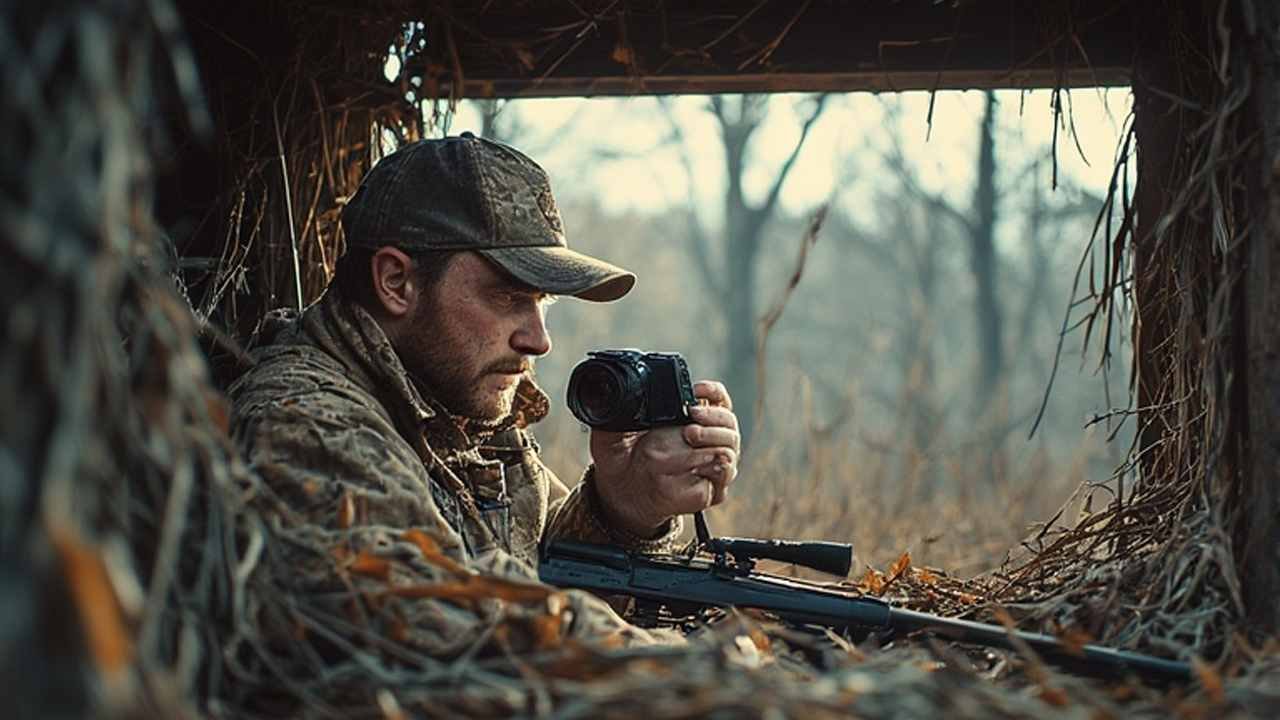
Missouri Hunting Seasons 2026-2027 – Dates, Licenses & Conservation Areas
Planning a trip into the field gets a lot easier when the dates, permit rules, bag limits, and public-land details are all in one place. That’s exactly what this guide is for. Below, you’ll find a practical breakdown of the 2026–2027 game calendar, including deer portions, turkey dates, waterfowl windows, furbearer opportunities, small game options, and the permit categories most people actually need to think about before they buy anything.
Whether you live here or you’re coming in from out of state, it’s smart to check the details before you build your travel plan. A few categories stay pretty stable year to year, but area-specific restrictions, county-based antlerless rules, and migratory bird updates can change how you hunt on the ground. The tables below are built to help you plan faster without having to jump between a dozen tabs.
📅 Quick Reference Points
If you just want the fast version, here’s the short rundown:
- Deer: Archery opens Sept. 15, 2026. Main November firearms portion runs Nov. 14–24, 2026.
- Turkey: Spring youth runs April 11–12, 2026. Regular spring opens April 20.
- Bear: Black bear dates are Oct. 17–30, 2026, but this is a resident-only draw hunt in designated bear zones.
- Elk: Limited-entry resident draw with an archery portion in October and firearms in December.
- Dove: Opens Sept. 1, 2026.
- Ducks: Split by North, Middle, and South zones.
- Youth chances: Available for spring turkey, deer firearms, pheasant, quail, and waterfowl.
- Waterfowl permits: Expect state permit requirements plus a federal duck stamp for hunters age 16 and older.
- Public land planning: Important, because most land in the state is private.
One more thing: duck and other migratory bird dates were approved by the state pending final federal approval, so waterfowl hunters should always double-check the final digest before opening day.
🦌 Deer, Elk, and Bear at a Glance
Big game is what most people build their fall around, so let’s start there.
| Species | Portion / Method | 2026–2027 Dates | Permit / Tag Notes | Where It Applies |
|---|---|---|---|---|
| Deer | Archery | Sept. 15–Nov. 13, 2026; Nov. 25, 2026–Jan. 15, 2027 | Archer’s permit required; archery antlerless permits available in open counties | Statewide, with county-specific antlerless rules |
| Deer | Firearms Early Antlerless | Oct. 9–11, 2026 | Antlerless permit; only in open counties | Open counties only |
| Deer | Firearms Early Youth | Oct. 24–25, 2026 | Youth permit; ages 6–15 | Statewide |
| Deer | Firearms November Portion | Nov. 14–24, 2026 | Firearms any-deer permit | Statewide |
| Deer | Firearms Late Youth | Nov. 27–29, 2026 | Youth permit; ages 6–15 | Statewide |
| Deer | Firearms Late Antlerless | Dec. 5–13, 2026 | Antlerless permit; county restrictions apply | Open counties only |
| Deer | Alternative Methods | Dec. 26, 2026–Jan. 5, 2027 | Alternative-methods permit rules apply | Open areas |
| Elk | Archery | Oct. 17–25, 2026 | Resident draw only; permit holders may harvest one legal elk | Carter, Reynolds, Shannon counties |
| Elk | Firearms | Dec. 12–20, 2026 | Resident draw only; hunter orange required during firearms portion | Carter, Reynolds, Shannon counties |
| Bear | General bear dates | Oct. 17–30, 2026 | Resident draw only; permit tied to a specific BMZ; daily quota closure system | Black Bear Management Zones south of the Missouri River |
A couple of deer rules matter more than people think. First, you can take only two antlered deer total across archery and firearms combined. Second, antlerless availability changes by county, so don’t assume a permit works everywhere. And third, CWD rules can affect transport, feeding, and carcass handling, so read the county details before you head out.
For elk and bear, this is not a “show up and buy a tag” setup. Both are limited-entry opportunities. Elk permits are awarded by random draw and are valid only in the designated open counties. Bear permits are also drawn, resident-only, and valid only in the Black Bear Management Zone printed on the permit.
🦃 Turkey Dates and Rules
Turkey planning is usually simple, but the details still matter, especially for youth and nonresident hunters.
| Portion | 2026–2027 Dates | Legal Methods | Bag Limit Notes | Area Notes |
|---|---|---|---|---|
| Spring Youth | April 11–12, 2026 | Shotgun, archery methods allowed under turkey rules | Youth may take birds within youth/regular limits | Ages 6–15 |
| Spring Regular | April 20–May 10, 2026 | Shotgun and archery methods under spring regulations | Residents: standard spring bag rules; nonresidents limited to one bearded bird | Statewide |
| Fall Archery | Sept. 15–Nov. 13, 2026; Nov. 25, 2026–Jan. 15, 2027 | Archery methods | Fall total limit: 2 turkeys of either sex combined with fall firearms | Statewide |
| Fall Firearms | Oct. 1–31, 2026 | Firearms methods allowed in open counties | Fall total limit: 2 turkeys of either sex combined | Not open in every county |
Two practical notes here. One, youths can participate in their special spring weekend and may also hunt during the regular spring portion if they still have legal opportunity left. Two, fall firearms isn’t open everywhere, so county-level review matters before you drive a few hours and find out your spot is closed.
If you also hunt neighboring states in the same year, it can help to compare calendars early. For example, here’s a neighboring guide for Kansas hunting seasons so you can line up trips without overlap.
Spring hunters should also remember that nonresident rules changed, and nonresident harvest in spring is more limited than it used to be. That’s a big one for travelers.
🦝 Furbearer Opportunities
This category gives you a lot of time in the field, especially if you like winter setups and mixed-species weekends.
| Species | Open Dates | Take Method | Limit | Extra Notes |
|---|---|---|---|---|
| Coyote | Year-round in 2026 | Hunt | Any number | Daylight restrictions apply during part of spring |
| Coyote | Nov. 15, 2026–Feb. 28, 2027 | Trap | Any number | Private-land extension March 1–April 14 |
| Bobcat | Nov. 15, 2026–Feb. 28, 2027 | Hunt / Trap | Any number | Pelts must be registered or tagged |
| Raccoon | Aug. 1–Oct. 15, 2026; Nov. 15, 2026–Feb. 28, 2027 | Hunt / Trap | Any number | Common night option with dogs |
| Opossum | Aug. 1–Oct. 15, 2026; Nov. 15, 2026–Feb. 28, 2027 | Hunt / Trap | Any number | Same framework as raccoon |
| Striped Skunk | Aug. 1–Oct. 15, 2026; Nov. 15, 2026–Feb. 28, 2027 | Hunt / Trap | Any number | Special private-land trapping rules in spring |
| Badger | Nov. 15, 2026–Jan. 31, 2027 | Hunt / Trap | Any number | Check local access and ground conditions |
| Red Fox / Gray Fox | Nov. 15, 2026–Jan. 31, 2027 | Hunt / Trap | Any number | Electronic calls allowed for furbearers |
| Beaver / Nutria | Nov. 15, 2026–March 31, 2027 | Trap | Any number | Long winter window |
| Muskrat / Mink / River Otter | Nov. 15, 2026–Feb. 28, 2027 | Trap | Any number | Otter pelts must be tagged by April 10 |
For permit planning, residents usually think in terms of small game or trapping privileges, while nonresidents need to pay closer attention because a separate nonresident furbearer permit can be relevant. Bobcat and otter are the big paperwork species here because pelt tagging rules are real and deadlines matter.
🐦 Small Game Calendar
This is where the state gets really fun for casual weekends, youth outings, and mixed-bag trips.
| Species | 2026–2027 Dates | Daily Limit | Possession Limit | Notes |
|---|---|---|---|---|
| Squirrel | May 23, 2026–Feb. 15, 2027 | 10 | 20 | Longest easy-entry option for beginners |
| Rabbit | Oct. 1, 2026–Feb. 15, 2027 | 6 | 12 | Only 2 daily / 4 possession may be swamp rabbits |
| Quail | Nov. 1, 2026–Jan. 15, 2027 | 8 | 16 | Youth dates available |
| Quail Youth | Oct. 24–25, 2026 | 8 | 16 | Ages 6–15 |
| Pheasant | Nov. 1, 2026–Jan. 15, 2027 | 2 male birds | 4 male birds | Check access areas carefully |
| Pheasant Youth | Oct. 24–25, 2026 | 2 male birds | 4 male birds | Ages 6–15 |
| Dove | Sept. 1–Nov. 29, 2026 | 15 | 45 | Combined for mourning, Eurasian collared, and white-winged doves |
| Woodcock | Oct. 18–Dec. 1, 2026 | 3 | 9 | Migratory bird permit needed |
| Wilson’s Snipe | Sept. 1–Dec. 16, 2026 | 8 | 24 | Migratory bird permit needed |
| Sora / Virginia Rails | Sept. 1–Nov. 9, 2026 | 25 | 75 | Combined total |
This section is ideal for new hunters because the gear is often simpler, the access is broader, and the learning curve is a lot less steep than big game. Squirrel and rabbit especially are good for building field skills without the pressure that comes with a once-a-year buck trip.
🦆 Waterfowl Seasons
Waterfowl is the section most likely to trip people up because of zone splits, stamps, youth-only dates, and federal overlap.
| Species / Category | 2026–2027 Dates | Daily Limit | Possession Limit | Notes |
|---|---|---|---|---|
| Teal | Sept. 12–20, 2026 | 6 | 18 | Sunrise to sunset; teal species only |
| Ducks – North Zone | Oct. 31–Dec. 29, 2026 | 6 | 18 | Species restrictions apply |
| Ducks – Middle Zone | Nov. 7–Dec. 13, 2026; Dec. 19, 2026–Jan. 10, 2027 | 6 | 18 | Split format |
| Ducks – South Zone | Nov. 26–29, 2026; Dec. 7, 2026–Jan. 31, 2027 | 6 | 18 | Thanksgiving opener + late run |
| Coots | Same as duck dates by zone | 15 | 45 | Zone-based |
| Canada Geese / Brant | Oct. 3–10, 2026; Nov. 11, 2026–Feb. 6, 2027 | 3 | 9 | Aggregate daily limit |
| White-Fronted Geese | Nov. 11, 2026–Feb. 6, 2027 | 2 | 6 | Separate limit |
| Snow / Blue / Ross’s Geese | Nov. 11, 2026–Feb. 6, 2027 | 20 | No possession limit | Big late-season option |
| Light Goose Conservation Order | Feb. 7–April 30, 2027 | No limit | No limit | Expanded methods allowed |
| Youth Waterfowl – North | Oct. 24–25, 2026 | Same as regular | Same as regular | Youth age 15 or younger |
| Youth Waterfowl – Middle | Oct. 31–Nov. 1, 2026 | Same as regular | Same as regular | Adult must accompany |
| Youth Waterfowl – South | Nov. 21–22, 2026 | Same as regular | Same as regular | No youth permit required |
Duck bag structure has species caps inside the six-bird total, including restrictions on mallards, wood ducks, canvasbacks, pintails, black ducks, scaup, and others. If you’re mostly a deer person who tries one duck trip a year, this is the place to slow down and read the fine print.
Also, if you hunt public marshes, it’s worth knowing that the state manages 14 major waterfowl areas, including places like Duck Creek, Eagle Bluffs, Grand Pass, Otter Slough, Ted Shanks, and Ten Mile Pond. Some have permanent blinds, some allow wade-and-shoot access, and many have disabled-accessible blinds. The easiest map reference is the official duck zone map, and the reason duck dates move in formula-driven ways ties back to the federal Adaptive Harvest Management framework.
🐗 Other Available Game
A few categories don’t fit neatly into the main buckets, but they’re still worth keeping on your radar.
| Species | 2026–2027 Dates | Limit | Useful Note |
|---|---|---|---|
| Crow | Nov. 1, 2026–March 3, 2027 | Any number | Good off-season option; special firearms restrictions can apply during deer gun portions |
| Bullfrog / Green Frog | June 30, 2026 at sunset–Oct. 31, 2026 | 8 daily / 16 possession | Simple, fun warm-weather option |
| Groundhog | May 11–Dec. 15, 2026 | Any number | Pelts may be possessed and sold year-round |
| Sandhill Crane | Check current migratory digest | Varies if offered | Not listed as a general statewide open listing in the materials reviewed, so verify before planning |
| Falconry for Doves | Nov. 30–Dec. 16, 2026 | 3 | Separate falconry framework |
| Falconry for Ducks / Coots / Mergansers | During regular waterfowl dates and Feb. 11–March 10, 2027 | 3 | Special falconry rules apply |
This is the kind of section that makes a guide more useful in real life. Not everyone is chasing a buck or sitting in a flooded timber hole every weekend. Sometimes the best trip is a low-pressure crow morning, a rabbit walk, or a summer frog night with kids.
🗺️ Zones, Wildlife Areas, and Map Planning
A statewide calendar only gets you halfway there. The other half is figuring out where you can legally go.
| Planning Topic | What to Know |
|---|---|
| Duck Zones | Divided into North, Middle, and South zones with different openers and splits |
| Deer Antlerless Access | Open counties vary by permit type and portion |
| Bear Areas | BMZ-specific; you can only hunt the zone printed on your permit |
| Elk Area | Limited to Carter, Reynolds, and Shannon counties |
| Public Land Reality | Roughly 93% of land is privately owned, so access planning matters |
| Public-Land Tools | Use MDC’s conservation area finder and hunt-location pages |
| Managed Wetlands | Waterfowl hunters can look at Duck Creek, Eagle Bluffs, Fountain Grove, Grand Pass, Otter Slough, Ted Shanks, and others |
| Private Property | Written or direct landowner permission is still the smart move |
If you’re building a public-land plan, start with the state’s area-finder tools and then narrow by activity. That helps you separate general access land from areas with managed draw systems, special refuge closures, or portion-specific restrictions.
🎟️ Permits, Tags, and License Details
You do not need every permit on the list. Most people only need a small set based on species and method. Here’s the practical breakdown.
| Permit Category | Resident / Nonresident / Special Group | What It Covers | Price or Note |
|---|---|---|---|
| Small Game Permit | Resident | General small game access | $11.50 |
| Small Game + Fishing | Resident | Combo option | $22.50 |
| Trapping Permit | Resident | Trapping privileges | $12.00 |
| Small Game Permit | Nonresident | General small game access | $108.50 |
| Daily Small Game Permit | Nonresident | Short-term option | $16.00 |
| Furbearer Hunting / Trapping | Nonresident | Furbearers | $221.50 |
| Migratory Bird Permit | Resident | Dove, snipe, woodcock, rails, waterfowl setup | $8.00 |
| Migratory Bird Permit | Nonresident | Required for listed migratory birds | $60.00 |
| Apprentice Hunter Authorization | New / uncertified adult hunter | Lets eligible adults hunt with a mentor | $12.50 |
| Youth Deer / Turkey Permits | Resident and nonresident youth | Reduced-price deer and turkey options | Discounted youth pricing |
| National Guard / Reserve Small Game & Fishing | Eligible resident military | Discount combo permit | $5.50 |
| Disability Exemptions | Qualified resident veterans / former POWs | Most species except deer, turkey, bear, elk | No permit for covered species |
| Senior Exemption | Resident age 65+ | Most wildlife except deer, turkey, bear, elk | Age proof required |
| Federal Duck Stamp | Age 16+ waterfowl hunters | Required in addition to state permits | Federal requirement |
Common add-ons and extra permit notes
- Archery antlerless deer permit: Useful if you plan to take antlerless deer in open counties.
- Firearms antlerless deer permit: County-based availability matters.
- Any-deer permit: Needed for the main firearms deer portions.
- Bear and elk: Draw-only, not over-the-counter.
- Waterfowl: State migratory permit plus federal duck stamp for hunters 16 and older.
- Youth waterfowl days: No permit required for the youth participant, but adult supervision rules still apply.
- Telecheck and labeling: Important for deer, turkey, bear, and elk.
The simplest way to think about it is this: deer and turkey hunters focus on species-specific permits, waterfowl hunters stack state and federal paperwork, and small game hunters usually keep it pretty basic unless they add trapping or migratory birds.
❓ Missouri Hunting Quick FAQ
Do I need hunter orange?
Yes, during certain firearms portions and in some situations for companions too. It’s one of those rules that’s easy to forget until you’re already packing the truck, so check it early.
Are duck dates final for 2026–2027?
They were approved by the state pending final federal approval, so treat them as planning dates, then confirm again before opening day.
Can youth hunt both the youth and regular spring turkey portions?
Yes, eligible youth can hunt the youth weekend and may also hunt the regular spring portion if they still have legal harvest opportunity.
Can I carry a firearm during archery deer or archery turkey time?
Generally, archers may not be in possession of a firearm during those archery-only opportunities unless a specific exception applies.
Do I need permission on private land?
Absolutely. Most land is privately owned, so permission is not optional.
Are bear and elk tags available over the counter?
No. Both are limited-entry draw opportunities.
What’s the easiest beginner option?
Squirrel, rabbit, and dove are usually the easiest starting points. Lower pressure, simpler logistics, and plenty of room to learn.
Conclusion
The 2026–2027 schedule gives you a lot of options, from spring gobblers and early teal to winter furbearers and the main November deer run. The key things to remember are pretty straightforward: know your dates, match your permit to the species and method, watch zone and county rules, and don’t assume public land works the same everywhere.
If you plan ahead, buy permits early, and double-check final area rules before you go, your trip will be smoother and a lot less stressful. Bookmark this page if you like having the whole calendar in one spot, because it’ll make next year’s planning easier too.