
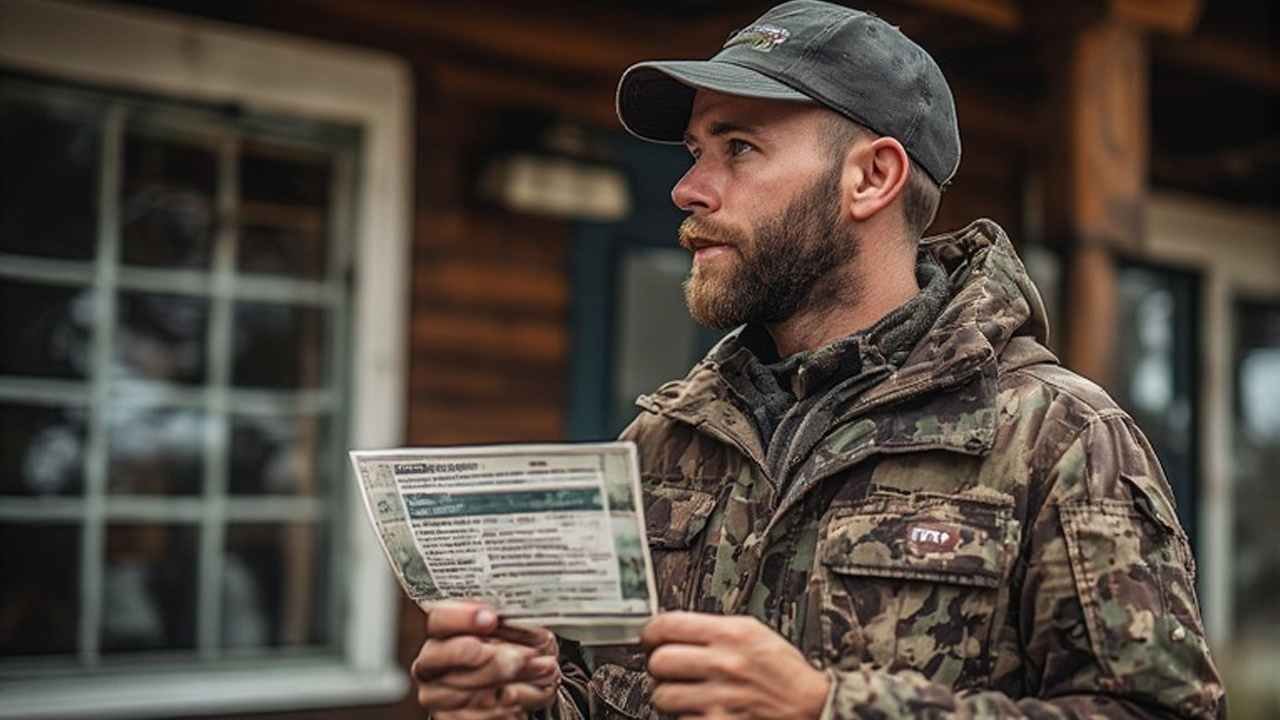
Wisconsin Hunter Licensing Guide 2026: Permit Types, Fees & Rules
Getting a Wisconsin hunting license for the 2026–2027 season is straightforward once you know the exact fees, rules, and steps. Whether you’re a resident chasing whitetail deer during the November gun season or an out-of-state hunter planning a bear hunt in September, Wisconsin requires a valid license before you set foot in the field. The license year runs April 1, 2026, through March 31, 2027, and every hunter aged 10 or older must hold the appropriate authorization. Residents pay significantly less than nonresidents, first-time buyers get deep discounts, and licenses are available online, by phone, or at approved retail locations. Read on for every fee, date, rule, and step you need to hunt legally in the Badger State this season.
Who Needs a Wisconsin Hunting License — and Who Doesn’t
Before spending a dime, it helps to understand exactly who the state requires to carry a license. The short answer: almost everyone who hunts.
- Age minimum: No one under 10 years old may hunt or purchase a hunting license in Wisconsin.
- Ages 10–17: A junior or youth license is required. Youth ages 10–17 whose parent is a Wisconsin resident may purchase a license at the resident rate even if the youth lives out of state.
- Age 65+: Wisconsin residents qualify for discounted senior licenses on applicable species.
- Active military: Active-duty members stationed in Wisconsin purchase at resident rates. Wisconsin residents on active duty stationed elsewhere qualify for a free small game and fishing license while on leave.
- Disability: Residents and nonresidents with documented disabilities may be eligible for specialized disability permits and dedicated season windows.
- Waterfowl hunters (16+): Must purchase both the Wisconsin Waterfowl Stamp and the Federal Duck Stamp in addition to a base license.
Hunter Education Requirement: Any hunter born on or after January 1, 1973 must show proof of completing a certified hunter safety course before purchasing a license. Alternatively, first-timers can hunt under Wisconsin’s Mentorship Program without prior education, paired with a qualified mentor.
2026–2027 Wisconsin Resident Hunting License Fees
Resident status applies to anyone who has lived continuously in Wisconsin for at least 30 days before purchasing. The table below lists all current resident fees directly from the Wisconsin Department of Natural Resources.
Resident General Hunting Licenses
| License Type | Fee |
|---|---|
| Small Game (Adult) | $18.00 |
| Small Game, Junior (Ages 12–17) | $9.00 |
| Small Game (Under 12) | $7.00 |
| Small Game, Senior (Age 65+) | $9.00 |
| Small Game, Armed Forces | $0.00 |
| Waterfowl Stamp | $12.00 |
| Federal Duck Stamp | $30.50 |
| Pheasant Stamp (Adult) | $10.00 |
| Pheasant Stamp (Under 12) | $4.50 |
| HIP Certification | $0.00 |
Resident Deer Hunting License Fees
| License Type | Fee |
|---|---|
| Gun Deer (Adult) | $24.00 |
| Gun Deer, Junior (Ages 12–17) | $20.00 |
| Gun Deer (Under 12) | $7.00 |
| Archery (Adult) | $24.00 |
| Archery, Junior (Ages 12–17) | $20.00 |
| Archery (Under 12) | $7.00 |
| Crossbow (Adult) | $24.00 |
| Crossbow, Junior (Ages 12–17) | $20.00 |
| Crossbow (Under 12) | $7.00 |
| Crossbow/Archery Upgrade | $3.00 |
| Antlerless Deer Carcass Harvest Authorization | $12.00 |
| Farmer Antlerless Harvest Authorization | $0.00 |
Resident Turkey, Bear, and Other Big Game Fees
| License Type | Fee |
|---|---|
| Spring Turkey Application | $3.00 |
| Spring Turkey License (Adult) | $15.00 |
| Spring Turkey License (Under 12) | $7.00 |
| Turkey Stamp (Adult) | $5.25 |
| Spring Turkey Harvest Authorization Bonus | $10.00 |
| Fall Turkey License & Harvest Authorization | $15.00 |
| Bear Hunting — Class A | $49.00 |
| Bear Hunting — Class A (Under 12) | $7.00 |
| Bear Application | $4.50 |
| Wolf Harvest License | $49.00 |
| Wolf Harvest Application | $10.00 |
| Elk Application | $10.00 |
Nonresident Hunting License Fees for 2026–2027
Out-of-state hunters pay considerably more for the same privileges. Recent Wisconsin Assembly legislation raised nonresident gun deer licenses by $40 to $200, and several other nonresident fees have seen increases. Full-time students enrolled at a Wisconsin college or university may purchase hunting licenses at the resident rate.
Nonresident General and Deer Hunting Fees
| License Type | Fee |
|---|---|
| Small Game (Adult) | $90.00 |
| Small Game, 5-Day | $60.00 |
| Small Game (Under 12) | $7.00 |
| WI Student Small Game | $18.00 |
| Furbearer License | $165.00 |
| Gun Deer (Adult) | $200.00 |
| Gun Deer (Under 12) | $7.00 |
| Student Gun Deer | $24.00 |
| Military Gun Deer | $24.00 |
| Archery (Adult) | $200.00 |
| Student/Military Archery | $24.00 |
| Crossbow (Adult) | $200.00 |
| Student/Military Crossbow | $24.00 |
| Antlerless Deer Harvest Authorization | $20.00 |
| Military Antlerless Bonus | $12.00 |
Nonresident Turkey, Bear, and Combination Licenses
| License Type | Fee |
|---|---|
| Spring Turkey License | $65.00 |
| Military Spring Turkey | $15.00 |
| Fall Turkey License & Harvest Authorization | $65.00 |
| Bear Hunting — Class A | $251.00 |
| Military Bear Hunting — Class A | $49.00 |
| Wolf Harvest License | $251.00 |
| Trapping License | $150.00 |
| Military Trapping | $20.00 |
| Sports License (Fishing + Small Game + Gun Deer) | $295.00 |
| Sports Junior (Ages 12–17) | $36.00 |
| Conservation Patron | $620.00 |
| Conservation Patron Junior | $77.00 |
First-Time Buyer Discounts and Special Combination Licenses
One of Wisconsin’s biggest selling points for new hunters is its first-time buyer program — many licenses drop to just $5.00 for first-timers. Additionally, combination licenses bundle multiple privileges at a reduced rate. If you’re hunting multiple species, combination options are worth calculating.
| License Type | First-Timer Fee | Regular Resident Fee |
|---|---|---|
| Gun Deer — First-Time Buyer | $5.00 | $24.00 |
| Archery — First-Time Buyer | $5.00 | $24.00 |
| Small Game — First-Time Buyer | $5.00 | $18.00 |
| Spring Turkey — First-Time Buyer | $5.00 | $15.00 + $3.00 app |
| Annual Fishing — First-Time Buyer | $5.00 | $20.00 |
| Trapping — First-Time Buyer | $5.00 | $20.00 |
Resident Combination Licenses
| License Type | Fee |
|---|---|
| Sports (Fishing + Small Game + Gun Deer) | $60.00 |
| Sports Junior (Ages 12–17) | $35.00 |
| Conservation Patron (all privileges) | $165.00 |
| Conservation Patron Junior | $75.00 |
| Purple Heart Conservation Patron | $10.00 |
Pro tip: If you’re a resident planning to deer hunt AND fish in the same season, the Sports License at $60 beats buying each license separately by more than $20.
Planning ahead matters — especially for turkey, bear, and elk where application deadlines fall months before the season opens. Here’s a consolidated calendar pulled directly from Wisconsin DNR official data. For full details on zones, regulations, and dates by species, check the complete Wisconsin hunting seasons guide.
For everything specific to turkey tags and harvest periods, the Wisconsin turkey season guide covers permit zones, application deadlines, and what to expect in the field.
Core Rules and Regulations Every Wisconsin Hunter Must Follow
Wisconsin’s hunting regulations are enforced strictly. Violations carry fines and can result in license revocation. The rules below apply statewide unless otherwise specified.
Safety and Equipment Rules
- Blaze orange: During any gun deer season, hunters must wear blaze orange or blaze pink covering at least 50% of their upper body clothing (hat counts).
- Steel shot required for all waterfowl hunting statewide — lead shot is illegal.
- Legal firearms and archery equipment must meet DNR specifications by species and season type.
- Hunting hours: Most species may be taken from a half-hour before sunrise to sunset only.
Deer-Specific Rules
- One buck per license type: A hunter holding both a gun and archery license may harvest a maximum of two bucks total for the season.
- Antlerless tags (1–5 per unit) depend on your specific Deer Management Unit (DMU).
- Electronic deer registration through GameReg is mandatory — all harvested deer must be registered by 5:00 PM the day after recovery.
- CWD zones: Hunters in Chronic Wasting Disease affected counties face restrictions on carcass transport and baiting — check your specific unit before the season opens.
Turkey and Bear Rules
- Turkey hunters must hold a valid harvest authorization for the specific period assigned; hunting outside your period is illegal.
- Bear hunting Class A licenses are distributed through a preference point lottery — points accumulate each year until drawn.
- Baiting is legal for bear in most zones; dogs are prohibited in Zones C, E, and F.
Migratory Bird Requirements
- All waterfowl hunters 16 and older must carry the Wisconsin Waterfowl Stamp ($12.00) AND the Federal Duck Stamp ($30.50).
- HIP Certification (free) is required before hunting migratory birds — complete it when purchasing your license.
Daily Bag Limits for Common Wisconsin Game Species
| Species | Daily Bag Limit |
|---|---|
| White-Tailed Deer (Buck) | 1 per license type |
| Wild Turkey | 1 bearded bird per harvest authorization |
| Black Bear | 1 per Class A license |
| Gray / Fox Squirrel | 5 per day |
| Cottontail Rabbit | 3 per day |
| Pheasant | 2 per day |
| Ruffed Grouse | 5 per day |
| Woodcock | 3 per day |
| Mourning Dove | 15 per day |
How to Buy a Wisconsin Hunting License in 2026 — Step by Step
The process is simple and takes less than 15 minutes online. Follow these steps to be legally licensed before the season opens.
Step 1 — Complete Hunter Education (if required)
Anyone born on or after January 1, 1973, must have a certified hunter safety certificate on file before purchasing a license. Courses are offered online and in-person through the Wisconsin DNR. If you’re a brand-new hunter, the Mentorship Program lets you hunt with a qualified mentor while skipping the formal class.
Step 2 — Determine Your License Type
Decide which species you’re targeting and whether you’re a resident, nonresident, student, military member, or senior. Using the fee tables above, calculate whether a combination or Conservation Patron license saves you money.
Step 3 — Purchase Your License
Wisconsin uses its Go Wild online portal as the primary purchase method. You can also call or visit an in-person agent.
Where to Buy
| Method | Details |
|---|---|
| Online — Go Wild Portal | gowild.wi.gov — available 24/7 |
| Phone | 1-888-WDNRINFO (1-888-936-7463) |
| In-Person | DNR service centers, county courthouses, sporting goods stores, bait shops |
| Go Wild Agents | Approved third-party retailers statewide |
Step 4 — Purchase Required Stamps and Authorizations
Don’t forget add-on requirements: Turkey Stamp, Waterfowl Stamp, Federal Duck Stamp, and harvest authorizations for species like turkey and bear.
Step 5 — Print or Download Your Digital License
Wisconsin accepts digital licenses on a smartphone. Keep your Conservation Card (Go Wild) with you while hunting — it serves as proof of all purchased licenses and stamps.
Application Deadlines You Cannot Miss
Missing a deadline means missing the season entirely for lottery-based species.
| Species | Application Deadline |
|---|---|
| Spring Turkey Harvest Authorization | December 10 (year prior to season) |
| Black Bear Permit | December 10 (year prior to season) |
| Bobcat Permit | August 1 |
| Fisher Permit | August 1 |
Frequently Asked Questions
Q: How much does a basic Wisconsin resident hunting license cost in 2026?
A: The core deer hunting licenses — gun, archery, or crossbow — cost $24.00 each for adults. A general small game license is $18.00. First-time buyers pay only $5.00 for most license types.
Q: Can a nonresident buy a Wisconsin gun deer license?
A: Yes. Nonresident gun deer licenses cost $200.00 for the 2026–2027 season, following the recent $40 increase passed by the Wisconsin Assembly. Students attending a Wisconsin university and active-duty military members may qualify for the $24.00 resident rate.
Q: Do I need a separate license for every type of hunting?
A: Yes, generally. Each method (gun, archery, crossbow) and each major species (deer, turkey, bear) requires its own license or harvest authorization. However, combination licenses like the Sports License bundle fishing, small game, and gun deer into one purchase.
Q: What is the Wisconsin hunting license expiration date?
A: All Wisconsin hunting licenses expire on March 31 of the following year. For 2026–2027 licenses, that means March 31, 2027.
Q: What age can a child start hunting in Wisconsin?
A: The minimum age is 10 years old. No hunting license is issued to anyone under 10, regardless of supervision.
Q: Do I need hunter education to hunt in Wisconsin?
A: If you were born on or after January 1, 1973, yes — a certified hunter safety certificate is required before purchasing a license. Those born before that date are exempt. First-timers can also use the Mentorship Program as a one-time alternative.
Q: Can I buy my Wisconsin hunting license at Walmart?
A: Yes, Walmart locations that carry sporting goods are among the approved Go Wild retail agents. You can also buy licenses at sporting goods stores, bait shops, and county offices.
Q: Is a fishing license included with a hunting license in Wisconsin?
A: Not automatically. However, the Sports License ($60 for residents, $295 for nonresidents) bundles fishing, small game, and gun deer hunting into one purchase. If you also plan to fish, check out the complete Wisconsin fishing license guide for standalone fishing license options.
Q: What is the Conservation Patron license?
A: It’s Wisconsin’s most comprehensive license package. At $165 for residents and $620 for nonresidents, it includes fishing, small game hunting, and deer hunting privileges, plus additional conservation-related benefits. It’s ideal for hunters who pursue multiple species throughout the year.
Q: When do the 2026–2027 Wisconsin hunting seasons begin?
A: The new license year starts April 1, 2026. Many seasons open in September — archery deer, bear, and small game all kick off on or around September 12, 2026.
Comparing Wisconsin Nonresident Fees vs. Neighboring States
If you’re weighing your options as an out-of-state hunter, Wisconsin’s nonresident fees are moderate compared to some neighbors.
| State | Nonresident Gun Deer License (Approx.) |
|---|---|
| Wisconsin | $200.00 |
| Michigan | $182.00 |
| Minnesota | $185.00 |
| Iowa | $319.00 |
| Illinois | $304.25 |
Wisconsin’s nonresident fees are competitive, and the state’s nearly 6 million acres of public hunting land — including the Chequamegon-Nicolet National Forest — adds substantial value over states where public access is limited.
All fees and season dates referenced in this article are based on current Wisconsin DNR data for the 2026–2027 license year. Always verify current regulations at the Wisconsin Department of Natural Resources official site before purchasing a license, as rules can change through legislative or rulemaking processes.