
California Fishing Season and Limits for 2026–2027 by Month – Species, Licenses & Hotspots
There’s something about a California morning on the water that sticks with you. Maybe it’s the fog lifting off a Sierra lake, maybe it’s the sound of gulls around a saltwater pier, or maybe it’s just that first tug on the line that turns an ordinary weekend into a story you’ll retell all year. 🐟
For 2026-2027, California gives anglers a little bit of everything: trout opener excitement in the mountains, bass and catfish action that runs much of the year, salmon opportunities that can change with in-season management, and specialty fisheries like white sturgeon and spiny lobster that come with extra rules. For beginners, the big things to remember are simple: know your catch dates, know your bag limits, and always double-check the specific water you plan to fish. California’s statewide rules are helpful, but special regulations can override them fast.
If you’re a resident or just visiting for a few days, this guide will help you sort through licenses, creel limits, trout waters, public lakes, and a few can’t-miss hotspots without making your head spin.
📅 Quick Reference Table by Month
| Species | Typical 2026-2027 Timing | Daily Bag Limit | Special Regulations to Watch |
|---|---|---|---|
| Trout 🐠 | Lakes, reservoirs, and ponds: open all year; general stream/river season: last Saturday in April through Nov. 15 | 5 daily, 10 possession | In general trout streams/rivers outside the regular season, limit is 0 and artificial lures with barbless hooks apply; many named waters have special rules |
| Black Bass 🐟 | Open all year statewide under general rules | 5 | In lakes and the Delta, 12-inch minimum size under general statewide rule; check local exceptions |
| Catfish | Open all year | No statewide limit for most catfish/bullheads under general rule | District and water-specific exceptions can apply |
| Crappie / Bluegill / Sunfish | Open all year | 25 combined | Combined creel limit across sunfish and crappie species |
| Yellow Perch | Open all year | No limit | Still check local water rules |
| Striped Bass | Open all year | 2 | 18-inch minimum size under general statewide freshwater rule |
| Kokanee / Landlocked Salmon | Open all year | 5 daily, 10 possession | Reservoir-specific rules may differ |
| White Sturgeon 🐟 | Oct. 1 through June 30 | Harvest not allowed | Catch-and-release only; sturgeon report card required |
| Ocean Salmon 🐠 | Season varies by area and in-season action | 2 | Minimum size 24 inches through May 15, then 20 inches; coho retention prohibited |
| Spiny Lobster 🦞 | Friday before the first Wednesday in October through the first Wednesday after March 15 | 7 | Spiny Lobster Report Card required; must measure immediately |
🌊 A beginner-friendly look at the annual rhythm
California doesn’t really have one single “best season.” It has waves of opportunity.
Spring is when trout chatter gets loud again, especially around the general opener in late April for many streams and rivers. Summer brings family trips to stocked lakes, early-morning bass bites, and lots of easy freshwater action. Fall is prime for striped bass in big systems, plus salmon windows in open ocean areas and the kickoff of the sturgeon and spiny lobster seasons. Winter slows some inland patterns, but it absolutely doesn’t shut the state down—many lakes remain open, and saltwater options still keep anglers busy. 🎣
That variety is why California can feel a little overwhelming at first. The trick is not trying to memorize everything. Pick your target species, check the water you’re visiting, and build from there.
🐟 Popular Sport Fish
Trout
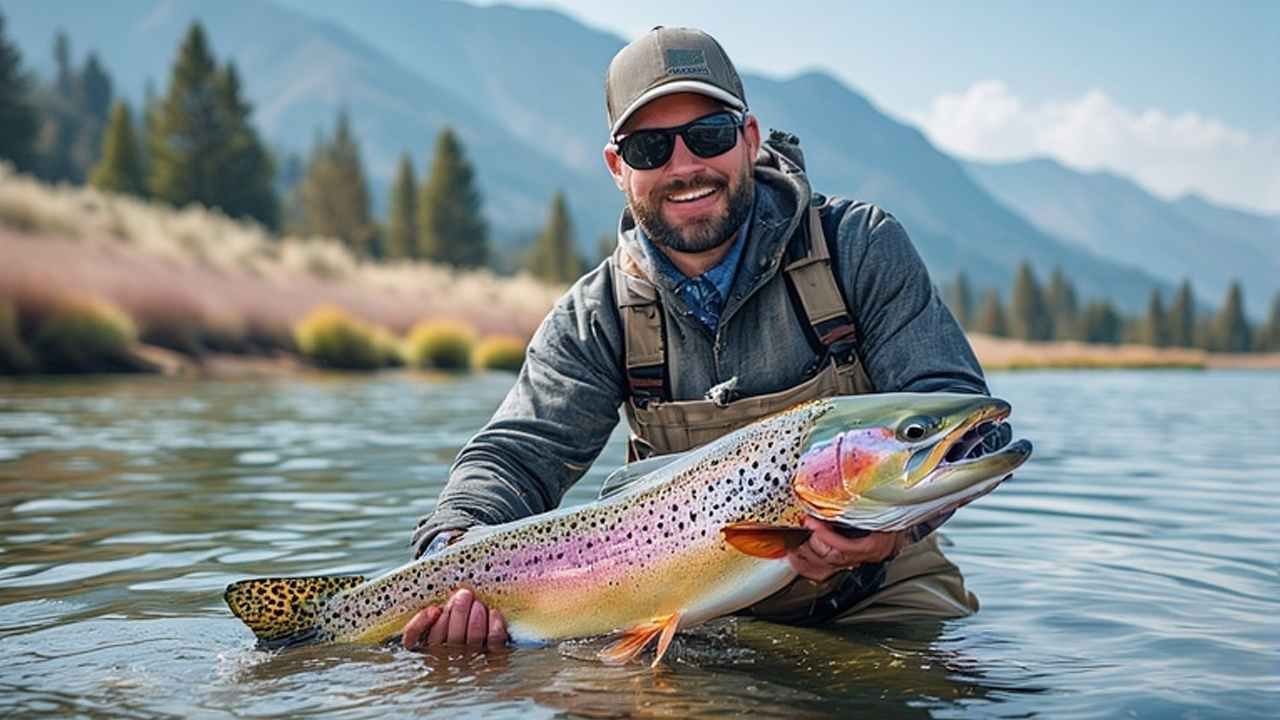
Trout are still the emotional center of California freshwater angling. For 2026, the statewide general trout opener for many streams and rivers falls on April 25, while inland lakes, reservoirs, and ponds are generally open all year. In those stillwaters, the general bag limit is five trout per day with a 10-trout possession limit. In general inland streams, rivers, and canals, the usual season runs from the last Saturday in April through November 15. Outside that general window, many waters shift to zero harvest with artificial lures and barbless hooks only.
Common trout country includes Burney, Bishop, Mammoth Lakes, and countless stocked or managed Sierra waters. If you’re new, trout is where California feels welcoming: easy access, plenty of family-friendly public lakes, and a clear rhythm to the season.
Black Bass
Bass anglers get a nice gift in California: general statewide rules keep black bass open all year. Under the statewide freshwater rule, lakes and Delta waters generally carry a five-fish daily bag limit and a 12-inch minimum size. Rivers and streams can be different, so this is one of those “don’t wing it” categories.
If you like early mornings, weed lines, and learning water fast, bass is a great beginner-to-intermediate species. California’s largemouth and smallmouth scene is strong enough that many anglers spend the whole year chasing them without ever getting bored.
Catfish
Catfish are one of the most underrated “take the kids and just go” options in the state. Under general statewide freshwater rules, catfish and bullheads are open all year, and the general statewide limit is essentially generous to the point of simplicity: bullheads have no limit, and most other catfish are also listed with no statewide limit under the general rule. That said, some districts and certain waters can be more restrictive.
Crappie
Crappie are classic everyday fun—great for docks, brush piles, and relaxed spring-through-fall trips. California groups crappie with sunfish under a combined daily bag limit of 25. If your goal is steady action rather than trophy drama, crappie are hard to beat.
Walleye, Muskie, and Pike
This is where California differs from a lot of Midwest guides. Walleye and muskie are not headline statewide species in the 2026 freshwater booklet. Northern pike show up more as an invasive issue than a featured sport fishery; if caught, they may not be released and must be killed immediately. So if you came looking for a muskie-heavy state, California is probably not that story.
🦞 Specialty Species
Salmon
Ocean salmon is where things get exciting—and where the rules can shift the fastest. In 2026, California’s recreational ocean salmon regulations list a daily bag limit of two salmon of any species except coho. Minimum size is 24 inches through May 15, then 20 inches afterward. No more than two daily bag limits may be possessed on land, and no more than one daily bag limit may be possessed or brought ashore from a vessel in ocean waters.
The big beginner note: salmon seasons are managed in-season. That means open dates can tighten or close based on harvest progress. If salmon is your target, check current updates right before your trip.
White Sturgeon
White sturgeon is one of the most tightly watched fisheries in the state right now. The freshwater regulations and CDFW sturgeon guidance say the season runs from October 1 through June 30, but it is catch-and-release only. No harvest is allowed. A Sturgeon Fishing Report Card is still required, and careful handling matters.
Spiny Lobster 🦞
This one feels like a whole different adventure. Recreational spiny lobster season opens at 6 p.m. on the Friday before the first Wednesday in October and closes on the first Wednesday after March 15. The bag and possession limit is seven per person, and a Spiny Lobster Report Card is required. Lobsters must be measured immediately, and undersized ones must be released right away. If you’re diving, you measure in the water. If you’re hoop-netting, you measure as soon as the net comes out.
🐠 Panfish & Everyday Catches
| Species Group | General Season | Daily Creel Limit | Beginner Note |
|---|---|---|---|
| Crappie | All year | 25 combined with sunfish | Great for docks, brush, and spring warming trends |
| Bluegill | All year | 25 combined with crappie/sunfish | Fantastic for kids and simple bobber setups |
| Sunfish | All year | 25 combined with crappie/sunfish | Easy action in public lakes and warm ponds |
| Yellow Perch | All year | No limit | Often overlooked, but fun in the right waters |
🦆 Stocked & Managed Waters
California still leans hard into managed trout opportunity, and that’s good news for casual anglers. State-stocked lakes, reservoirs, and family-friendly trout waters make it easier to plan a trip without guessing where fish might be. If you want the most practical planning tool for public waters, boat launches, historically productive spots, and regulation overlays, use the California Fishing Guide.
A smart beginner routine is simple: pick a lake, check whether fish were recently planted, verify local restrictions, then pack lighter than you think you need.
🌍 Public vs Private Waters
Public lakes, rivers, reservoirs, and access piers are usually the easiest entry point because the regulations are clearer and the access is more standardized. Private ponds can be fantastic, but they come with landowner permission issues and sometimes their own access rules.
My general rule? If you’re trying a new place, especially one you found online or heard about from a friend-of-a-friend, check whether it’s truly public, whether there are local closures, and whether there are water-specific exceptions. In California, special regulations matter more than angler optimism.
If you’re comparing Western destinations for future trips, a useful related read is Arizona fishing season guide.
🎟️ Fishing License Guide
California uses 365-day sport fishing licenses, which is a nice setup because your year starts on the day you buy it rather than ending every December 31.
Here’s the quick breakdown for 2026:
- Resident sport fishing license: $64.54
- Nonresident sport fishing license: $174.14
- One-day license: $21.09
- Two-day license: $32.40
- Ten-day nonresident license: $64.54
A license is generally required for anyone 16 or older. Kids under 16 do not need the basic license, but they do need required report cards for certain fisheries like steelhead, sturgeon, salmon in the North Coast systems, and spiny lobster.
California also offers reduced-fee licenses for qualifying low-income seniors and disabled veterans, plus free licenses for certain eligible groups. Instead of a traditional hunt-and-fish combo being the headline option, California’s system really centers on standalone sport fishing licenses plus add-ons such as:
- Ocean Enhancement Validation
- Second-Rod Validation
- Recreational Crab Trap Validation
- North Coast Salmon Report Card
- Steelhead Report Card
- Sturgeon Fishing Report Card
- Spiny Lobster Report Card
For direct purchase details and current eligibility notes, use the official CDFW sport fishing license page.
🗺️ Top Hotspots to Put on Your 2026-2027 List
- Mammoth Lakes – classic high-country trout energy and a favorite when the general opener buzz kicks in.
- Bishop area waters – reliable trout country with easy trip-planning appeal.
- Burney region – one of those names trout anglers repeat for a reason.
- Sacramento-San Joaquin Delta – a serious striped bass and bass destination with big-water character.
- Southern California piers and lobster grounds – beginner-friendly saltwater access plus seasonal hoop-net action. 🦈
❓FAQ
Can you fish in California year-round?
Yes, many inland lakes, reservoirs, and ponds are open all year, and several popular species also have year-round general seasons. But streams, rivers, and special-regulation waters can be very different.
Do I need a fishing license in California if I’m just visiting?
Yes, if you’re 16 or older. Short-term options like one-day, two-day, and 10-day nonresident licenses are available.
What is the trout limit in California for 2026?
Under the general statewide rule, it’s five trout per day and 10 in possession, though many named waters have special rules.
Is sturgeon harvest allowed in California right now?
No. White sturgeon is catch-and-release only during the open season window.
Can I fish from a public ocean pier without a license?
Yes, on a public pier in ocean waters, a basic sport fishing license is generally not required. Other rules, seasons, size limits, and report card requirements still apply.
What fish are easiest for beginners to target?
Trout in stocked waters, catfish at public lakes, and panfish like bluegill and crappie are usually the easiest starting points.
✅ Wrap-Up
California rewards anglers who do a little homework before leaving the driveway. Grab the right license, check water levels, confirm the local rules, and don’t be shy about choosing simple species and simple gear for your first few trips. Some of the best memories on the water come from the least complicated days—one tackle tray, a couple of snacks, a family member or friend, and enough patience to enjoy the quiet between bites. 🎣
Before you head out, review the bag limits, size restrictions, and safety rules for the exact spot you plan to fish. Do that, and your 2026-2027 season will start on the right foot.