
Connecticut Fishing Season and Limits for 2026–2027 by Month – Species, Licenses & Hotspots
There’s something about standing on the bank of a quiet lake at dawn, watching the mist roll off the water while you wait for that first tug on the line. Whether you’re a lifelong resident or just visiting for the weekend, the Nutmeg State offers some surprisingly diverse angling opportunities — from stocked trout streams tucked into the Litchfield Hills to productive saltwater action along the Long Island Sound.
The 2026-2027 cycle brings a few notable changes worth knowing about. Black sea bass regulations have been updated, bluefish creel limits shifted, and the state’s trout program continues to stock over half a million fish each spring. If you’re planning to wet a line anywhere in Connecticut this year, this guide walks you through the key catch dates, creel limits, license requirements, and the best public lakes and rivers to target.
Grab a cup of coffee and let’s break it all down. 🐟
📅 Quick Reference Table — Major Species at a Glance
Here’s a snapshot of the most commonly targeted species, their open seasons, daily bag limits, and any special rules you should know before heading out:
| Species | Open Season | Daily Bag Limit | Min. Length | Special Regulations |
|---|---|---|---|---|
| 🐟 Trout (Brook, Brown, Rainbow) | Year-round; harvest opens 2nd Sat. April | 5 fish | 9 inches | Catch & release only Mar 1 – 2nd Sat. April |
| 🐟 Largemouth & Smallmouth Bass | Year-round | 6 fish (aggregate) | 12 inches (lakes/ponds/CT River) | No min. length in rivers/streams (except Housatonic) |
| 🐟 Walleye | Year-round | 2 fish | 18 inches | — |
| 🐟 Northern Pike / Tiger Muskie | Year-round | 2 fish | 26 inches | Special rules at Bantam Lake, CT River, Lillinonah |
| 🐟 Catfish (Channel & White) | Year-round | 6 fish (3 in Community Waters) | None | — |
| 🐠 Panfish (Crappie, Sunfish, Perch) | Year-round | No limit | None | — |
| 🦈 Striped Bass (Saltwater) | Year-round | 1 fish | 28″–31″ slot | Inline circle hook required with bait |
| 🐠 Black Sea Bass | May 16 – Nov 25 | 4 fish | 15.5 inches | New for 2026 |
| 🦞 Tautog (Blackfish) | Apr 1–30, Jul 1–Aug 31, Oct 10–Nov 28 | 2 / 2 / 3 fish | 16 inches | Split seasons |
| 🐠 Summer Flounder (Fluke) | May 4 – Oct 15 | 3 fish | 19″ / 19.5″ | 17″ at Enhanced Shore Sites |
Always double-check individual waterbody rules — many lakes and streams have regulations that differ from the statewide defaults.
🐟 Popular Sport Fish
Largemouth & Smallmouth Bass 🐟
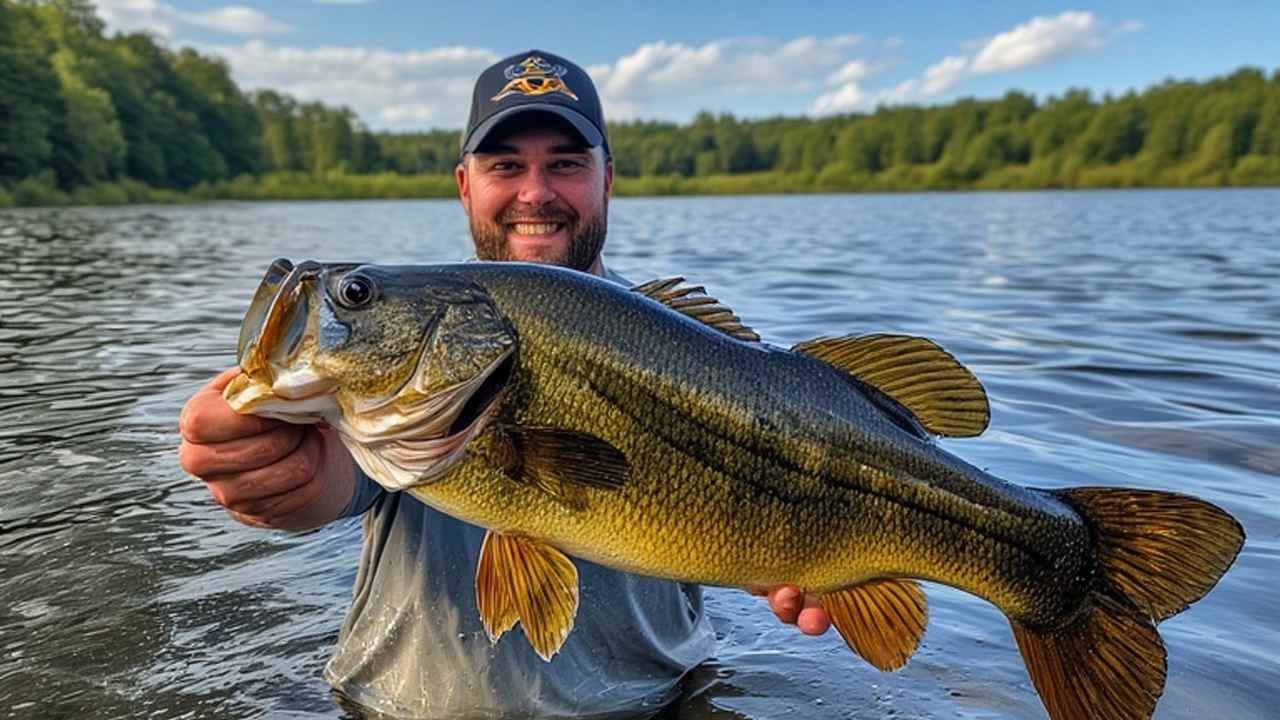
Bass are the backbone of freshwater angling in Connecticut, and the good news is the season never closes. You can chase largemouths in weedy ponds and smallmouths in rocky river stretches 365 days a year. The statewide daily creel limit is six fish (combined species) with a 12-inch minimum on lakes, ponds, and the Connecticut River. In rivers and streams — except the Housatonic, which has its own rules — there’s no minimum length, but the six-fish aggregate still applies.
Top bass waters include Candlewood Lake (arguably the state’s premier smallmouth factory), Highland Lake in Winsted, and the coves along the Connecticut River where largemouths stack up in the shallows come spring.
Trout 🐟
Trout fishing has a unique rhythm here. Thanks to Public Act 21-12, there’s technically no closed season anymore — but there’s a catch-and-release-only window from March 1 until 6:00 a.m. on the second Saturday of April, when the harvest season officially opens. The statewide minimum is 9 inches, with a daily limit of five fish during the harvest period.
Connecticut’s trout waters are extensive. DEEP stocks more than 500,000 brook, brown, and rainbow trout each spring, and many streams also hold wild fish. The Farmington River (especially the Trophy Stretch below the Goodwin Dam) is legendary, and the Housatonic River below Bulls Bridge offers outstanding brown trout fishing. A Trout and Salmon Stamp is required for anyone 16 or older who fishes for or keeps trout.
Walleye, Pike & Tiger Muskie 🐟
These are your “big predator” species, and while they’re not as widely pursued as bass or trout, they offer a different kind of thrill. Walleye are open year-round with an 18-inch minimum and a two-fish daily limit — try Squantz Pond or Gardner Lake for your best shot.
Northern Pike and tiger muskie share a 26-inch minimum and a two-fish creel limit, though special regulations apply at Bantam Lake (one of the state’s top pike destinations), the Connecticut River, and Lake Lillinonah. If you’ve never hooked a 40-inch pike through the ice, you’re missing out.
Catfish 🐟
Channel and white catfish are open year-round with no minimum length and a six-fish daily limit. In designated Community Fishing Waters, the limit drops to three fish. These are great entry-level species for kids and beginners — easy to catch, easy to clean, and they fight harder than you’d expect.
🦞 Specialty Species
Striped Bass 🦈
Stripers are the crown jewel of Long Island Sound’s saltwater scene, and they’re open year-round. The 2026 slot limit remains 28 to less than 31 inches, with a daily limit of one fish per angler. An inline circle hook is required when fishing with bait — not artificial lures — to reduce deep-hooking mortality. The Connecticut River also sees a seasonal run of freshwater stripers each spring.
Atlantic Salmon & Broodstock Fisheries
Connecticut offers a limited broodstock Atlantic salmon fishery in select rivers like the Shetucket River and Naugatuck River. These fish come from the federal hatchery program, and the regulations are tight — typically catch and release with specific seasons. Check the DEEP site for the most current rules, as they can change annually based on hatchery production.
Red Drum (Redfish)
Yes, you can technically encounter red drum in Connecticut waters, though it’s rare. If you do hook one, the regulation is a 27-inch maximum length with a one-fish daily limit, open year-round. These are more common farther south, but warming water temperatures have pushed them north in recent years.
🐠 Panfish & Everyday Catches
Panfish are the unsung heroes of a good day on the water. They’re abundant, aggressive, and perfect for introducing kids to the sport. The best part? Connecticut keeps it simple:
| Species | Season | Daily Limit | Min. Length |
|---|---|---|---|
| Black Crappie (Calico Bass) | Year-round | No limit | None |
| Bluegill & All Sunfish | Year-round | No limit | None |
| Yellow Perch | Year-round | No limit | None |
| Rock Bass | Year-round | No limit | None |
| White Perch (CT River) | Year-round | 30 fish | 7 inches |
No minimum lengths, no daily creel limits statewide for most panfish — just grab a rod, some worms, and have at it. Black Pond in Middlefield, Waugoosh Lake, and pretty much any small public pond will produce plenty of bluegill and perch for a fun afternoon.
🦆 Stocked & Managed Waters
Each spring, DEEP’s Fisheries Division stocks over 500,000 trout across more than 100 lakes, ponds, rivers, and brooks. Brook, brown, and rainbow trout are all part of the program, with additional winter ice-stocking of brook trout in select waters during January and February.
The annual Opening Day (second Saturday of April) is a beloved tradition — thousands of anglers line the banks at 6:00 a.m. sharp. DEEP publishes a trout stocking map and weekly reports so you can plan your trips around fresh stockings.
Family-friendly managed waters include Black Rock Pond, Moodus Reservoir, and many of the Community Fishing Waters scattered throughout the state, which are specifically managed for easy access and high catch rates.
🌍 Public vs. Private Waters
One of the most common questions from new anglers: Where am I actually allowed to fish?
Public waters — including state-owned lakes, rivers, and reservoirs with designated access points — are open to anyone with a valid license. Connecticut maintains a network of boat launches and shore-fishing sites, many of which are free to use.
Private ponds and posted waters are a different story. You’ll need landowner permission to fish them, and trespassing laws are strictly enforced. The general rule: if you’re not sure whether a waterbody is public, check the DEEP’s interactive waterbody map or look for posted signage.
Also worth noting: some public waters have special regulations that override the statewide defaults. A lake might have a reduced bass limit, a fly-fishing-only section, or a slot limit on trout. Always look up the specific waterbody before you cast.
🎟️ Fishing License Guide
Here’s where it gets practical. If you’re 16 or older, you need a license to fish in Connecticut — whether you’re a resident or visiting from out of state. Here’s the breakdown:
Resident Licenses
| License Type | Age | Fee |
|---|---|---|
| All Waters (Inland + Marine) | 18–64 | $32 |
| Inland Waters Only | 18–64 | $28 |
| Marine Waters Only | 18–64 | $10 |
| Inland or Marine | 16–17 | $14 / $5 |
| Any license | 65+ | Free (annual renewal) |
| Resident 1-Day Marine | 18–64 | $5 |
Non-Resident Licenses
| License Type | Fee |
|---|---|
| All Waters | $63 |
| Inland Waters | $55 |
| 3-Day Inland | $22 |
| Marine Waters | $15 |
| 3-Day Marine | $8 |
Youth Anglers
Kids under 16 don’t need a license — but they can get a free Youth Fishing Passport through the DEEP online system. It’s a fun printable certificate that gets them engaged in the sport early.
Specialty Stamps
- Trout & Salmon Stamp: $5 (residents 18+, non-residents 16+) / $3 (residents 16–17). Required for anyone fishing for or keeping trout or salmon.
- AIS (Aquatic Invasive Species) Stamp: $7 individual or $20 vessel — required if you’re launching a boat in Connecticut waters.
Combo Licenses (Hunt + Fish)
If you’re a dual-sport outdoorsperson, Connecticut offers combination licenses that save you money:
- Firearms + All Waters Fishing: $40 (resident) / $120 (non-resident)
- Firearms + Inland Fishing: $38 (resident)
- Firearms + Marine Fishing: $25 (resident)
You can purchase all licenses through the CT DEEP Online Sportsmen Licensing System.
If you’re planning a trip and want to compare what other states offer, check out our guides on fishing seasons in New York or browse the full state-by-state fishing season directory.
❓ FAQ Section
When does trout season open in Connecticut?
Trout fishing is open year-round, but the harvest season begins at 6:00 a.m. on the second Saturday of April. From March 1 until that date, it’s catch and release only statewide.
Do I need a trout stamp in Connecticut?
Yes. Anyone 16 or older who fishes for or intends to keep trout or salmon must purchase a Trout and Salmon Stamp ($5 for residents 18+ and non-residents, $3 for residents 16–17).
Can you fish year-round in Connecticut?
Yes! Most freshwater species — bass, walleye, pike, catfish, and panfish — are open year-round. Trout is also technically open year-round, but with a catch-and-release period in late winter.
How much is a non-resident fishing license in Connecticut?
A non-resident All Waters license (inland + marine) costs $63. A 3-day inland pass is $22, and a marine-only license is $15.
What is the slot limit for striped bass in Connecticut?
The current slot is 28 to less than 31 inches, with a daily limit of one fish. Stripers outside this range must be released immediately. Inline circle hooks are required when using bait.
Where are the best trout streams in Connecticut?
The Farmington River (Trophy Stretch), Housatonic River (Bulls Bridge area), and Hammonasset River are consistently top producers. DEEP’s stocking maps highlight dozens of additional options.
Is fishing free for seniors in Connecticut?
Yes — residents 65 and older receive a free fishing license (both inland and marine), though it requires annual renewal through the DEEP system.
🗺️ Map & Hotspots
Here are five must-visit destinations for the 2026-2027 season:
- Candlewood Lake (Danbury/New Fairfield) — The state’s largest lake and a premier bass destination. Excellent for both largemouth and smallmouth.
- Farmington River (Barkhamsted) — World-class trout water, especially the catch-and-release Trophy Stretch. Bring your fly rod. 🎣
- Long Island Sound (multiple access points) — Striped bass, bluefish, fluke, and blackfish all within a short boat ride. New Haven and Old Lyme are popular launch points.
- Bantam Lake (Litchfield/Morris) — Top northern pike water, plus good bass and panfish action.
- Connecticut River (multiple access points) — A diverse fishery offering bass, walleye, catfish, northern pike, and seasonal striped bass runs.
For detailed maps and waterbody-specific regulations, visit the CT DEEP Fishing page or check their trout stocking maps.
✅ Wrap-Up
There you have it — everything you need to hit the water in Connecticut for the 2026-2027 season. Whether you’re chasing stripers in the Sound, pulling crappie from a neighborhood pond with the kids, or working a dry fly on the Farmington at sunset, the opportunities here are better than most people realize.
A few parting reminders before you head out:
- 🎫 Get your license — it’s quick, it’s online, and it funds conservation
- 📏 Know your bag limits and size restrictions — they exist to keep fisheries healthy
- 🗺️ Check individual waterbody rules — statewide defaults don’t apply everywhere
- 👥 Bring a friend or family member — fishing is always better shared
- 🌊 Check water levels and weather before you go, especially in spring
Now go rig up, find your spot, and enjoy everything the Nutmeg State’s waters have to offer. Tight lines! 🎣🐟