Vermont Hunting Seasons 2026-2027 – Dates, Licenses & Game Management Areas
If you’ve been planning a trip to the Green Mountains this fall or you’re a local who wants a clean breakdown of every permit window, this guide pulls the official 2026-2027 Vermont Fish & Wildlife schedule into one spot. From expanded archery zones in September to the December muzzleloader, plus the resident-only bear lottery and the spring gobbler opener, every key window sits below. Bookmark this page because the federal migratory bird framework is still in play, and the state often posts final waterfowl dates later in the summer.
Before walking the ridges or sitting a quiet oak flat, run through these basics. Plan your license, your gear list, and your WMU – it keeps the day smooth. One useful starting point if you’re still sorting paperwork is the Vermont hunting license page with steps and add-on details for residents, out-of-staters, and youth hunters.
📅 Quick Reference Points
Here’s a fast scan of the headline species and their openers, closures, and allowed methods. Use this as a one-minute mental check before drilling into the full tables.
| Species | Open Window | Close Window | Legal Methods | Youth Opportunity |
|---|---|---|---|---|
| White-tailed Deer | Sept. 15 (Expanded Archery) | Dec. 15 (Archery) / Dec. 13 (Dec. Muzzleloader) | Archery, muzzleloader, rifle | Nov. 7–8 Youth & Novice Weekend |
| Black Bear | Sept. 1 | Nov. 22 | Rifle, muzzleloader, dog hunt (by permit) | Hunter-ed graduates under 18 eligible |
| Wild Turkey (Spring) | May 1 | May 31 | Shotgun, archery | April 25–26 Youth & Novice |
| Wild Turkey (Fall) | Oct. 1 | Nov. 13 (archery) / Nov. 8 (shotgun, select WMUs) | Archery statewide; shotgun in specific WMUs | Same fall windows, with mentor rules |
| Moose | Oct. 1 (archery, if permits) | Oct. 25 (regular, if permits) | Archery, rifle | None – lottery only |
| Small Game | Sept. 1 (squirrel) / Sept. 26 (grouse, hare & rabbit) | March 31, 2027 (some WMUs) | Shotgun, rifle, archery | Standard license covers under 18 |
| Waterfowl & Woodcock | TBA – late summer announcement | TBA | Shotgun, non-toxic shot only | Youth Waterfowl Weekend (Sept. 27–28) |
| Bobcat | Jan. 10, 2026 | Feb. 7, 2026 | Firearms, archery | Standard sport license required |
Always double-check closures the week before you head out – Vermont adjusts some antlerless permits on short notice.
🦌 Big Game Overview
White-tailed Deer
Deer drives most of the activity in Vermont, and the 2026 schedule is generous for both traditional rifle hunters and bowhunters who like to extend their season.
Archery
- Expanded Archery: Sept. 15 – Sept. 30, 2026 in designated zones only (these are town-specific parcels the state publishes separately).
- Standard Archery: Oct. 1 – Dec. 15, 2026 statewide, crossbow or vertical bow.
Youth & Novice Deer Weekend: Nov. 7–8, 2026 – any licensed hunter can mentor a youth or first-timer for these two days.
October Muzzleloader (Antlerless): Oct. 29 – Nov. 1, 2026 – permit-only season for doe harvest. Lottery applicants must apply earlier in the year, and Fish & Wildlife posts leftover permits mid-summer if the window is open.
16-Day Regular Rifle Season: Nov. 14 – Nov. 29, 2026 – the headline deer window. Most antlerless permits during this segment require a separate tag. The annual bag limit is one legal buck of either antlered class plus any antlerless tag you draw.
December Muzzleloader: Nov. 30 – Dec. 13, 2026 – flintlock, inline, or sidelock muzzleloaders legal; modern firearms are not.
Black Bear
Bear populations are stable, and Vermont stresses a hound-friendly approach where allowed.
| Segment | Dates | Method | Notes |
|---|---|---|---|
| Early Season | Sept. 1 – Nov. 13, 2026 | Still-hunting, bait, stand, dogs (with permit) | Dogs require a special hound tag. |
| Resident Hound Permit | Sept. 1 – Nov. 22, 2026 | Dogs + rifles | Permit only, drawn lottery. |
| Nonresident Hound Permit | Sept. 15 – Nov. 22, 2026 | Dogs + rifles | Lower permit numbers, higher fees. |
| Late Season | Nov. 14 – Nov. 22, 2026 | Still-hunt or stand only | No dogs allowed during this window. |
Bear tags are part of the regular license purchase; the hound permit is its own lottery draw.
Moose
Vermont runs a tightly controlled moose hunt – very few permits issued each year and only through a separate lottery.
- Archery Only (if permits): Oct. 1 – Oct. 7, 2026
- Regular Season (if permits): Oct. 17 – Oct. 25, 2026
Final permit numbers are usually posted in late spring. Vermont does not offer an elk season – elk are not present in the state, and you won’t find a tag table for them. If you’re chasing elk, look at western states instead.
🦃 Turkey Dates
Vermont breaks turkey into a spring gobbler season, a youth-and-novice weekend, and a fall segment split by county-style wildlife management units (WMUs).
| Segment | Dates | WMUs | Method | Bag |
|---|---|---|---|---|
| Youth & Novice Weekend | April 25–26, 2026 | Statewide | Shotgun, archery | 1 bearded bird (youth) |
| Spring Gobbler | May 1 – May 31, 2026 | Statewide | Shotgun or archery (no rifles) | 2 bearded birds per license year |
| Fall Archery | Oct. 1 – Nov. 13, 2026 | All WMUs statewide | Archery only | 1 turkey of either sex |
| Fall Shotgun or Archery | Oct. 24 – Nov. 1, 2026 | B, D, G, H, I, J, L, M, O, P, Q | Shotgun or archery | 1 turkey of either sex |
| Fall Shotgun or Archery | Oct. 24 – Nov. 8, 2026 | F, K, N | Shotgun or archery | 1 turkey of either sex |
Calling and decoys work well in spring. Hunting hours run from a half-hour before sunrise to sunset. Bearded-bird definition matters – a jake taken in spring counts, but a hen is off-limits. For tagging and reporting procedure specifics, lean on the official Vermont wildlife site where the season dates table is current.
Green Mountain hunters should consult Vermont turkey season structure and legal hunting equipment.
🦝 Furbearer Opportunities
Furbearer hunting in Vermont walks a separate path from big game – many species can be pursued outside what most people think of as the typical window.
| Species | Open | Close | Tag Needed | Notes |
|---|---|---|---|---|
| Coyote (no dogs) | No closed season | – | Standard license | Year-round, day or night (with respect to local ordinances). |
| Coyote (with dogs) | Dec. 15, 2025 | March 31, 2026 | Permit required | Special dog-running permit, then again next winter. |
| Bobcat (hunt) | Jan. 10, 2026 | Feb. 7, 2026 | Registration card | Pelt tagging required at check station. |
| Raccoon | Oct. 10, 2026 | Dec. 31, 2026 | Standard license | Night hunt with hounds allowed. |
| Red & Gray Fox | Oct. 24, 2026 | Feb. 14, 2027 | Standard license | Hunters must report harvest online. |
| Muskrat | March 20, 2026 | April 19, 2026 | Standard license | Limited spring window. |
| Skunk, Opossum, Weasel | Year-round | – | Standard license | Often overlooked but legal. |
| Fisher, Mink, Otter, Beaver, Marten, Lynx, Wolf | No open season | – | – | Trapping seasons for some run later, e.g., Fisher Dec. 1–31. |
Trapping overlap: Mink, skunk, fox, raccoon, coyote, opossum, and weasel open to trapping Oct. 24 – Dec. 31, 2026. Otter, muskrat, and beaver run Oct. 24, 2026 – March 31, 2027. Bobcat trapping is Dec. 1–16, 2026 with a separate pelt-tag requirement.
🐦 Small Game Section
Vermont small game is approachable for new hunters – long seasons, modest bag limits, and most public land allows access with a basic license.
| Species | Open | Close | Daily Bag |
|---|---|---|---|
| Hare & Rabbit (most WMUs) | Sept. 26, 2026 | March 14, 2027 | No limit |
| Hare & Rabbit (WMUs D, E) | Sept. 26, 2026 | March 31, 2027 | No limit |
| Gray Squirrel | Sept. 1, 2026 | Dec. 31, 2026 | No limit |
| Ruffed Grouse (Partridge) | Sept. 26, 2026 | Dec. 31, 2026 | No limit |
| Crow | Jan. 16 – April 10, 2026 & Aug. 21 – Dec. 18, 2026 | – | No limit (Fri–Mon only) |
Vermont doesn’t run an open quail or dove season in any meaningful sense – there is no dove or quail hunting opportunity in the state, and sandhill crane isn’t offered either. If a table looks empty here, it’s because the state has ruled that population out of range.
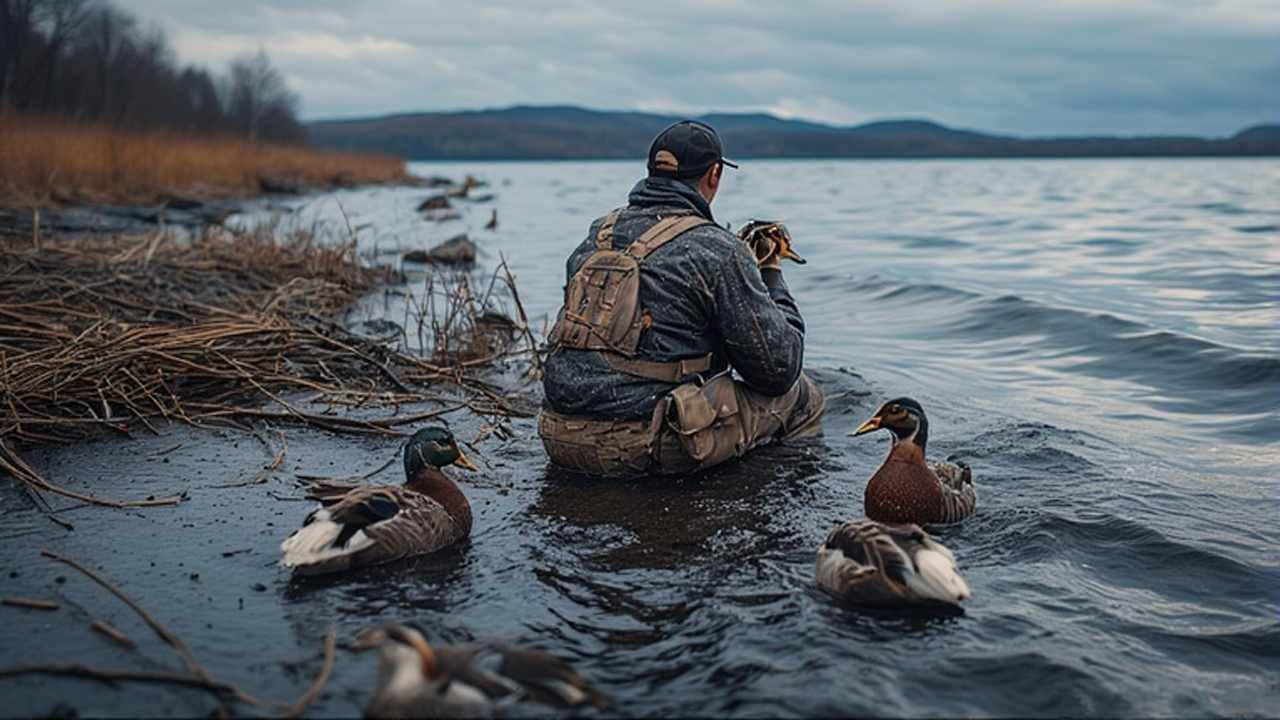
🦆 Complete Waterfowl Seasons
Migratory bird dates are still rolling in from the U.S. Fish & Wildlife Service framework. Vermont will publish the final slate later this summer, and the state website adds the bag limits plus zone splits.
- Youth Waterfowl Weekend: Sept. 27–28, 2025 (last confirmed run). Final 2026 youth dates usually carried forward.
- Ducks, Coots, Mergansers: Split seasons expected. October opener, late-November break, then December re-opener through late December or early January.
- Canada Geese (Resident Population): Statewide open Sept. 1–25; then incorporated into regular waterfowl frameworks after.
- Snow Goose: Conservation-order season runs into March with a free permit required.
- Brant: Short window in fall. Bag limits typically very low.
- Woodcock: Statewide on the regular migratory framework – usually runs late September through mid-November.
Federal rules govern bag limits on ducks – hunters should always carry a current HIP certification, a Vermont state waterfowl permit, and the Federal Duck Stamp.
🗺️ Hunting Zones
Vermont divides the state into Wildlife Management Units (WMUs) labeled A through Q. Some species (notably fall turkey shotgun and certain muzzleloader antlerless tags) are restricted to specific WMUs. Outfitters and landowners often point new hunters to WMU maps before the season opens.
- The official statewide WMU map is hosted on the Vermont Fish & Wildlife site as a downloadable PDF. It outlines each unit’s boundary, which includes major roads, towns, and ridgelines.
- Most state WMAs (Wildlife Management Areas) allow public hunting; roughly 133,000 acres are available across more than 100 parcels. Private land requires landowner permission – posting is common.
- Crossbow rules vary by town for the expanded archery zones – always check the specific map layer before drawing your bowhunting plan.
🎟️ Permits, Tags & Licenses
Vermont fishing-and-hunting licenses are calendar-year (January 1 through December 31), so a license bought in September also works through the December muzzleloader.
Base license costs (carryover from current published fees):
- Resident Hunting: $28
- Nonresident Hunting: $102
- Youth Hunting (under 18): $8 resident / $25 nonresident
- 5-Year Resident Hunting: $134
- 5-Year Nonresident Hunting: $504
- Combination (Hunting + Fishing) Resident: $54 / Nonresident: $143
Add-ons and stamps you’ll likely need:
- Migratory Bird Permit (state): Required for duck, goose, brant hunting.
- Federal Duck Stamp: Required at age 16 and up.
- Habitat Stamp: Required for anyone fishing or hunting on state-owned WMAs and many access areas.
- Antlerless Deer Permit: Lottery-draw tag for October muzzleloader antlerless and the regular firearms doe segment.
- Bear Hound Permit: Lottery-only, residents get more slots than nonresidents.
- Permanent Senior License: $60 one-time fee at age 66 (Vermont residents only) – lifetime basic license but tags and lotteries are renewed annually at no charge.
Disability and military accommodations:
- Disabled veterans can qualify for free licenses through the Vermont Fish & Wildlife licensing office with proof of service-connected disability.
- Active-duty military stationed in Vermont follow resident pricing rules.
- Out-of-state military who retain home residency stay on the nonresident fee schedule.
Early purchase is recommended because antlerless deer lotteries close in spring, and youth tags go fast.
❓ Vermont Hunting Quick FAQ
Do nonresidents need a separate license to hunt bear with hounds?
Yes. Nonresidents must apply for the limited bear-hound permit and pay the out-of-state fee; the resident pool gets more permits.
Is there an elk season in Vermont?
No. Elk aren’t established here, and Vermont doesn’t issue elk tags. Western states like Colorado and Wyoming run elk hunting seasons if that’s your species.
Can I hunt turkeys on Sundays in Vermont?
No. Sunday hunting is generally prohibited in Vermont – the spring season runs the full month but Sundays stay closed to all firearms hunting. The exception is partridge, hare, rabbit, and squirrel, which are legislatively open for Sunday hunting.
What’s a WMU and do I need one for small game?
A wildlife management unit is a geographic harvest boundary for big game and a few small game species. For small game like ruffed grouse and squirrel, you can hunt any WMU without restriction.
When do I need to report a deer or turkey?
Big game reporting is mandatory. The state provides a check station at the warden office or an online portal for harvest registration within 48 hours of a kill.
Is hunter education required for adults?
Vermont requires the hunter-education course for first-time license buyers regardless of age – out-of-state certifications are honored if they’re an official state-issued card.
Are there harvest bonuses for youth hunters?
Vermont runs the annual Youth & Novice Weekend where a youth can take any legal buck of either antlerless/one buck that meets state requirements without counting fully against family bag limits, depending on the year.
Conclusion
Vermont’s 2026-2027 schedule lines up neatly across the calendar: archery opens in mid-September, the regular deer rifle window falls mid-to-late November, spring turkey peaks in May, and muzzleloader finishes the year in mid-December. Bear, moose, and bobcat are tightly permitted, while fox, coyote, and raccoon offer nearly year-round windows for those willing to put in the work. Waterfowl tables and final federal framework dates are still being announced, so check the state site a couple weeks before the opener.
Two action items before you head out: buy your license early so antlerless deer and bear lotteries don’t shut you out, then verify WMU boundaries and Youth Weekend availability for your specific date range. Mistakes around WMU splits are the most common legal slip for new hunters.
Bookmark this page – the calendar refreshes each summer, and we update every segment as new dates drop. Hunt safe, walk quiet, and respect the property line.