
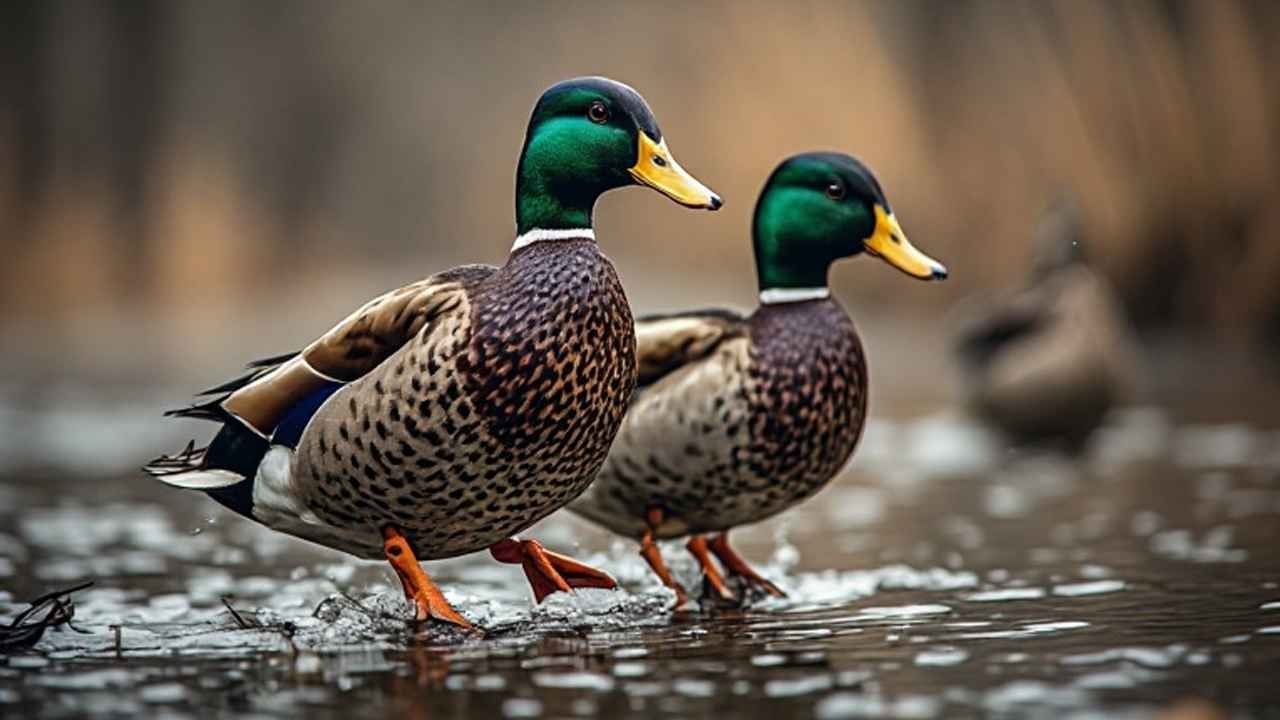
Ohio Duck Season: Dates, Bag Limits, Zones & Rules
Ohio’s 2026-2027 duck hunting season brings significant changes that every waterfowl hunter needs to understand. For the first time, Ohio has restructured its waterfowl hunting zones — moving from the previous North and South zone configuration to a three-zone system (Zone A, Zone B, and Zone C) with entirely new boundaries approved by the Ohio Wildlife Council. These revised zones take effect beginning with the 2026-27 hunting seasons and will remain in place through 2030. Each zone features its own split-season schedule, meaning opening days, closing days, and mid-season breaks differ depending on where in the Buckeye State you hunt.
Whether you’re a seasoned waterfowler chasing mallards on Lake Erie marshes or a first-time hunter planning your inaugural Ohio duck hunt, this guide covers every regulation, date, license requirement, and bag limit you need to plan a legal and successful season. All dates and regulations below reflect the officially approved 2026-27 season framework passed by the Ohio Wildlife Council on April 29, 2026, and published by the Ohio Department of Natural Resources (ODNR) Division of Wildlife.
Regulations can change — sometimes through emergency closures or in-season adjustments. Always verify the current rules with the ODNR Division of Wildlife immediately before heading afield.
Ohio Duck Season 2026-2027 at a Glance
| Information | 2026-2027 Details |
|---|---|
| Regular Duck Season | Oct. 17, 2026 – Jan. 31, 2027 (dates vary by zone; see below) |
| Hunting Zones | Three zones: Zone A (Northwest Ohio), Zone B (Northeast Ohio), Zone C (Remainder of state) |
| Daily Bag Limit | 6 ducks (with species-specific sub-limits) |
| Possession Limit | 18 ducks (3× daily bag limit) |
| Shooting Hours | 30 minutes before sunrise to sunset |
| Youth Waterfowl Days | Oct. 3–4, 2026 |
| Veteran/Military Days | Oct. 3–4, 2026 (combined with youth days) |
| Early Teal Season | Sept. 5–13, 2026 (daily limit: 6) |
| Required License | Ohio hunting license (resident or nonresident) |
| Ohio Waterfowl Stamp | Ohio Wetlands Habitat Stamp ($15.00; required for ages 18+) |
| Federal Duck Stamp | $25.00; required for ages 16+ |
| HIP Registration | Free; required for all migratory bird hunters |
Ohio Duck Season Dates for 2026-2027
The 2026-2027 Ohio duck season features split seasons in all three zones. Each zone has two distinct hunting segments separated by a mid-season closure period. Here is the complete official schedule approved by the Ohio Wildlife Council:
| Duck Hunting Zone | Segment | Season Dates |
|---|---|---|
| Zone A | Segment 1 | Oct. 17 – Nov. 1, 2026 |
| Zone A | Segment 2 | Nov. 14 – Dec. 27, 2026 |
| Zone B | Segment 1 | Oct. 17 – Oct. 25, 2026 |
| Zone B | Segment 2 | Nov. 21, 2026 – Jan. 10, 2027 |
| Zone C | Segment 1 | Oct. 17 – Oct. 25, 2026 |
| Zone C | Segment 2 | Dec. 12, 2026 – Jan. 31, 2027 |
Key takeaways for hunters:
- All three zones open on the same day: October 17, 2026 — but they close at different times and have different second-segment start dates.
- Zone A (Northwest Ohio) has the earliest closing date (Dec. 27, 2026), reflecting the earlier freeze-up of shallow marshes and wetlands in that region.
- Zone B (Northeast Ohio, including most Lake Erie waters) runs through January 10, 2027, offering a longer late-season window.
- Zone C (Central and Southern Ohio) has the latest opener for its second segment (Dec. 12, 2026) but the latest closing date (Jan. 31, 2027), maximizing opportunities during late-season migration when ducks push south through the Ohio River valley.
These dates are drawn directly from Ohio Administrative Code Rule 1501:31-7-06 and the ODNR Division of Wildlife’s official 2026-27 Hunting and Trapping Season Dates publication Ohio Admin Code.
Ohio Duck Hunting Zones
For the 2026-2027 season, Ohio has restructured its waterfowl hunting zones from the previous two-zone (North/South) system to a three-zone system. The new boundaries were developed in response to waterfowl hunter surveys and within the regulation frameworks established by the U.S. Fish and Wildlife Service. The Ohio Wildlife Council approved the new zone configuration, and it will remain in effect through the 2029-2030 hunting seasons Ohio DNR – Zone Proposal.
Zone A — Northwest Ohio
Zone A encompasses Ohio’s premier Lake Erie marsh country and surrounding agricultural wetlands. It includes the following full counties:
Auglaize, Defiance, Erie, Fulton, Hardin, Henry, Marion, Mercer, Ottawa, Paulding, Sandusky, Shelby, Van Wert, Williams, and Wyandot counties, plus the portion of Lucas County outside Zone B.
The Zone A boundary extends into Lake Erie, running 100 yards offshore along the shoreline from the Erie-Lorain county line westward around Cedar Point and toward the Ohio-Michigan state line. This means some nearshore Lake Erie waters fall within Zone A rather than Zone B.
Zone B — Northeast Ohio
Zone B covers the densely populated northeast quadrant of the state and the majority of Ohio’s Lake Erie waters. Full counties include:
Allen, Ashtabula, Crawford, Cuyahoga, Geauga, Hancock, Huron, Lake, Lorain, Mahoning, Medina, Morrow, Portage, Putnam, Richland, Seneca, Summit, Trumbull, and Wood counties, plus the portion of Lucas County south of U.S. 24 and west of I-75.
Zone B also includes partial areas of Ashland, Wayne, Holmes, Stark, and Columbiana counties — specifically the northern portions of those counties as defined by a series of state route boundary lines (SR 3, SR 60, U.S. 30, SR 226, SR 514, SR 754, SR 39, and SR 241). All remaining Lake Erie islands and waters not included in Zone A fall within Zone B.
Zone C — Central and Southern Ohio
Zone C includes the remainder of the state not included in Zone A or Zone B. This covers central Ohio, the Ohio River valley, and all southern counties — essentially everything south of the Zone B boundary line that runs along the state routes described above.
Why Your Zone Matters
Ohio’s split-season framework means that a hunter standing on one side of a zone boundary may be legally hunting while someone 100 yards away on the other side is out of season. Always confirm which zone applies to your specific hunting location before heading out. The ODNR Division of Wildlife publishes an official waterfowl zone map on its website at wildohio.gov, and the full legal boundary descriptions are codified in Ohio Administrative Code Rule 1501:31-7-07 Ohio Admin Code – Zone Definitions.
Ohio Duck Season Bag Limits
Ohio’s 2026-2027 duck bag limits follow the federal framework established by the U.S. Fish and Wildlife Service, with species-specific sub-limits designed to protect vulnerable populations.
| Duck Species | Daily Limit | Important Restrictions |
|---|---|---|
| Total Ducks | 6 | Aggregate daily bag limit |
| Mallard | 4 | No more than 2 may be hens (females) |
| Wood Duck | 3 | — |
| Northern Pintail | 3 | — |
| Black Duck | 2 | — |
| Redhead | 2 | — |
| Canvasback | 2 | — |
| Mottled Duck | 1 | — |
| Scaup | 1 (first 15 days) / 2 (last 45 days) | Restriction applies per zone, based on that zone’s season schedule |
| Other Ducks | Up to 6 total | Includes gadwall, wigeon, shoveler, teal (during regular season), etc. |
Possession Limits
The possession limit is 18 ducks (three times the daily bag limit), applicable after the second day of hunting. Species-specific possession limits mirror the daily sub-limits at three times the daily restriction:
| Species | Possession Limit |
|---|---|
| Mallard | 12 (no more than 6 hens) |
| Wood Duck | 9 |
| Northern Pintail | 9 |
| Black Duck | 6 |
| Redhead | 6 |
| Canvasback | 6 |
| Mottled Duck | 3 |
| Scaup | 3 (first 15 days) / 6 (last 45 days) |
Understanding the Scaup Restriction
The scaup bag limit changed for 2026-2027. Ohio reduced the scaup daily limit to 1 bird during the first 15 days of the duck season in each zone, then increased it to 2 birds during the final 45 days of each zone’s season. This “season-within-a-season” approach reflects continent-wide scaup population concerns and was approved by the Ohio Wildlife Council as part of the 2026-27 regulations package.
What License Do You Need to Hunt Ducks in Ohio?
Ohio has a multi-layered licensing requirement for waterfowl hunters. To legally hunt ducks in Ohio, you must carry four separate authorizations, each serving a different regulatory purpose:
Ohio Hunting License
All hunters, regardless of age, must carry a valid Ohio hunting license to hunt or trap game in the state. License categories are:
- Youth: For anyone 17 years old and younger (resident or nonresident)
- Resident Adult: For Ohio residents ages 18–64
- Nonresident Adult: For all nonresidents 18 years old and older
- Resident Senior: For Ohio residents 65 and older born on or after January 1, 1938
- Resident Free Senior: For Ohio residents born on or before December 31, 1937
Apprentice licenses are available for first-time hunters who have not completed a hunter education course, allowing them to hunt under the supervision of a licensed adult Ohio DNR – Licenses.
Ohio Wetlands Habitat Stamp
In addition to a hunting license, all persons 18 years of age or older must purchase an Ohio Wetlands Habitat Stamp endorsement to hunt waterfowl and migratory birds in Ohio. The stamp costs $15.00 for both residents and nonresidents. Resident seniors receive the stamp free of charge. The Ohio Wetlands Habitat Stamp must be printed and carried while hunting — a digital display alone is not sufficient under current ODNR rules and Ohio DNR – Licenses.
Federal Duck Stamp
All waterfowl hunters age 16 and older must possess a signed Federal Migratory Bird Hunting and Conservation Stamp (commonly called the Federal Duck Stamp). The 2026-2027 Federal Duck Stamp costs $25.00 and is valid from July 1, 2026, through June 30, 2027. The stamp features three buffleheads painted by James Hautman of Minnesota.
Hunters have three ways to purchase a Federal Duck Stamp:
- Physical stamp: Available at most U.S. Post Offices, participating sporting goods retailers, select national wildlife refuges, and online at duckstamp.com. The physical stamp must be signed by the hunter to be valid.
- Electronic Stamp (E-Stamp) through state agencies: Per the Duck Stamp Modernization Act of 2023, authorized E-Stamps can be purchased through participating state online licensing systems. However, Ohio is not currently listed among the states that sell E-Stamps through its licensing system, so Ohio hunters must use option 1 or 3.
- Digital E-Stamp at DuckStamp.com: Includes a printable Proof of Purchase valid immediately for hunting, plus a mobile wallet pass for Apple or Android devices, and a physical stamp mailed between March 10 and June 30 of the following year.
A store receipt alone is not valid for hunting. You must have either a signed physical stamp or a valid E-Stamp Proof of Purchase in hand.
HIP Registration
The Harvest Information Program (HIP) is a federal-state cooperative program that gathers data on migratory bird harvest. All hunters who plan to hunt migratory game birds — including ducks, geese, doves, woodcock, rails, coots, and snipe — must have a HIP certification number on their hunting license. This includes landowners hunting on their own property.
HIP certification is free in Ohio. Hunters can complete the requirement by:
- Calling 1-877-HIP-OHIO (1-877-447-6446) and answering a short survey
- Visiting wildohio.gov and completing the survey online
- Using the HuntFish OH mobile app to complete the survey and receive a confirmation number
The HIP certification number must be carried while hunting migratory birds.
License Requirement Summary
| Requirement | Resident | Nonresident | Notes |
|---|---|---|---|
| Ohio Hunting License | ✅ Required | ✅ Required | Required for all hunters regardless of age |
| HIP Certification | ✅ Required | ✅ Required | Free; call 1-877-HIP-OHIO or use HuntFish OH app |
| Ohio Wetlands Habitat Stamp | ✅ Required (18+) | ✅ Required (18+) | $15.00; free for resident seniors |
| Federal Duck Stamp | ✅ Required (16+) | ✅ Required (16+) | $25.00; valid July 1, 2026 – June 30, 2027 |
Ohio Duck Hunting License Costs for 2026-2027
The following table lists the current official license and stamp fees as published by the ODNR Division of Wildlife. These fees apply to the 2026-2027 hunting season.
| License or Permit | Resident Cost | Nonresident Cost |
|---|---|---|
| 1-Year Hunting License | $19.00 | $180.96 |
| 3-Day Tourist Hunting License | — | $40.56 |
| Youth 1-Year Hunting License | $10.00 | $10.00 |
| 1-Year Apprentice License | $19.00 | $180.96 |
| 3-Year Hunting License | $54.08 | — |
| 5-Year Hunting License | $90.14 | — |
| 10-Year Hunting License | $180.27 | — |
| Lifetime Hunting License | $449.28 | — |
| Ohio Wetlands Habitat Stamp | $15.00 | $15.00 |
| Free Senior Wetlands Habitat Stamp | FREE | — |
| Federal Duck Stamp | $25.00 | $25.00 |
| HIP Registration | FREE | FREE |
Cost breakdown for a typical resident adult duck hunter (2026-2027):
- Resident 1-Year Hunting License: $19.00
- Ohio Wetlands Habitat Stamp: $15.00
- Federal Duck Stamp: $25.00
- HIP Certification: Free
- Total: $59.00
Cost breakdown for a typical nonresident duck hunter (2026-2027):
- Nonresident 1-Year Hunting License: $180.96
- Ohio Wetlands Habitat Stamp: $15.00
- Federal Duck Stamp: $25.00
- HIP Certification: Free
- Total: $220.96
A nonresident who only plans a short waterfowl trip can use the 3-Day Tourist Hunting License ($40.56) instead of the full annual nonresident license, bringing the total to approximately $80.56 including stamps.
Youth Waterfowl Hunting Days in Ohio
Ohio provides dedicated youth waterfowl hunting days to give young hunters an early opportunity to experience duck and goose hunting before the regular season pressure begins.
Official dates: October 3 and October 4, 2026 (statewide, on both public and private lands)
Eligible ages: Hunters 17 years old or younger may participate.
Adult supervision requirements: All youth hunters must be accompanied by a non-hunting adult who is at least 18 years of age or older. The accompanying adult may not hunt unless they are a veteran or active-duty military member eligible under the concurrent veteran/military season (see below).
License and stamp requirements: Youth hunters must have the appropriate Ohio hunting license, HIP certification, and — if 18 or older — the Ohio Wetlands Habitat Stamp. However, since the youth season is limited to hunters 17 and younger, the Wetlands Habitat Stamp is not required for the youth participants themselves (it applies to those 18+). Hunters 16 and older must still have a Federal Duck Stamp.
Bag limits: Ducks, geese, and coots may be taken under the same bag limits established for the regular season — 6 ducks daily with all species-specific sub-limits in effect.
Shooting hours: 30 minutes before sunrise to sunset.
Veteran and Active-Duty Military Waterfowl Hunting Days
Ohio offers concurrent special waterfowl hunting days for veterans and active-duty military members, held on the same dates as the youth season.
Official dates: October 3 and October 4, 2026 (statewide)
Who qualifies: Veterans and members of the armed forces on active duty, including members of the National Guard and reserves on active duty.
Combined hunt: Veterans/active-duty military members and youth hunters may hunt together during this special season. An eligible veteran or active-duty member may accompany a youth hunter and also hunt themselves.
License and stamp requirements: Participants must possess all standard waterfowl hunting requirements — Ohio hunting license, HIP certification, Ohio Wetlands Habitat Stamp (if 18+), and Federal Duck Stamp (if 16+).
Bag limits: Same as the regular season — 6 ducks daily with all species-specific restrictions.
This special opportunity is distinct from the regular duck season and gives veterans and military personnel a dedicated early-season chance to pursue waterfowl with reduced competition.
Early Teal Season in Ohio
Ohio offers a statewide early teal season in September, providing hunters an opportunity to target blue-winged, green-winged, and cinnamon teal before the regular duck season opens.
| Early Teal Season Detail | 2026-2027 Information |
|---|---|
| Season Dates | Sept. 5 – Sept. 13, 2026 |
| Legal Species | Blue-winged teal, green-winged teal, cinnamon teal |
| Daily Bag Limit | 6 teal |
| Possession Limit | 18 teal |
| Statewide | Yes — open statewide on public and private land |
Important distinctions from the regular duck season:
- The early teal season is teal-only. Hunters may not take other duck species during this period. Positive species identification is critical, as non-teal ducks may be present on the same waters.
- All standard license and stamp requirements apply (Ohio hunting license, HIP, Ohio Wetlands Habitat Stamp if 18+, Federal Duck Stamp if 16+).
- Non-toxic shot is required, and shotguns must be plugged to hold no more than three shells.
- Shooting hours during the early teal season may differ from the regular season. Under federal frameworks, early teal season shooting hours are typically sunrise to sunset (rather than 30 minutes before sunrise). Hunters should verify the official shooting hours in the current Ohio Hunting and Trapping Regulations before hunting.
Ohio Duck Hunting Shooting Hours
During the regular waterfowl season, legal hunting hours in Ohio are from 30 minutes before sunrise to sunset, unless otherwise posted on specific public hunting areas.
Key points about shooting hours:
- Regular duck season: 30 minutes before sunrise to sunset
- Early teal season: Shooting hours may begin at sunrise rather than 30 minutes before — verify with current regulations
- Youth and veteran/military days: 30 minutes before sunrise to sunset
- Public hunting areas: Individual wildlife management areas or national wildlife refuges may have posted restrictions that further limit shooting hours. Always check the specific area’s regulations before hunting.
Sunrise and sunset times vary by date and location. Hunters can obtain precise sunrise/sunset times for their hunting location from the NOAA Solar Calculator or the HuntFish OH mobile app.
Where Can You Hunt Ducks in Ohio?
Ohio offers a wide range of waterfowl hunting opportunities across public and private lands, from the legendary Lake Erie marshes to river corridors and inland reservoirs.
Public Land
Ohio maintains an extensive network of public hunting areas managed by the ODNR Division of Wildlife, including:
- Wildlife Management Areas (WMAs): Ohio has over 90 wildlife areas statewide, many of which include wetlands, marshes, and impoundments managed specifically for waterfowl. Key waterfowl destinations include Mercer Wildlife Area, Pickerel Creek Wildlife Area, Mosquito Creek Wildlife Area, Killdeer Plains Wildlife Area, and Grand Lake St. Marys.
- Lake Erie Marshes: The Lake Erie marshes in Zones A and B are among the most productive waterfowl hunting areas in the Mississippi Flyway. Several managed marsh areas along the western Lake Erie shoreline offer both walk-in and blind-based hunting opportunities.
- National Wildlife Refuges: Ohio has portions of the Ottawa National Wildlife Refuge Complex and other federal refuges that permit waterfowl hunting under specific regulations. Always check refuge-specific rules, as they may differ from state regulations.
Each public area may have its own rules regarding decoys, blind construction, motorized boats, and access hours. The ODNR Division of Wildlife maintains a complete list of public hunting areas at wildohio.gov.
Private Land
Hunting on private land in Ohio requires written permission from the landowner. Ohio’s trespassing laws are strictly enforced, and hunters should carry written permission documentation while hunting on private property. Many productive waterfowl hunting opportunities exist on private agricultural lands with flooded fields, farm ponds, and creeks — but access depends entirely on landowner relationships.
Public Hunting Draws and Reservations
Ohio operates controlled waterfowl hunting programs at select wildlife areas, including:
- Controlled waterfowl hunt lotteries: Permits for Tuesday and Thursday waterfowl hunts at designated areas are awarded through a lottery system.
- Waterfowl blind permits: Permanent waterfowl blind permits are available at certain Lake Erie marsh areas and inland wildlife areas. Permanent blinds must be removed by March 15 of each year.
- Application period: Controlled hunt applications for deer, waterfowl, dove, small game, and waterfowl blinds are typically accepted from July 1 through July 31 each year through the ODNR Controlled Hunting Access Lotteries webpage Ohio DNR – Controlled Hunts.
Hunters should check the ODNR website for the most current application deadlines and available hunt locations, as these can change from year to year.
Important Ohio Duck Hunting Regulations
Ohio enforces a comprehensive set of waterfowl hunting regulations designed to ensure fair chase, sustainable harvest, and hunter safety. Key rules include:
- Non-toxic shot required: No person may take ducks, geese, brant, rails, snipe, gallinules, or coots while possessing shot other than approved non-toxic shot. This applies to both shotshells and loose shot for muzzleloading. For a current list of approved non-toxic shot types, see fws.gov. Lead shot is permitted only for dove and woodcock hunting.
- Plugged shotgun requirement: Shotguns used for migratory game bird hunting must be incapable of holding more than three shells (chamber and magazine combined) unless plugged with a one-piece filler that cannot be removed without disassembling the gun.
- Legal shotgun gauge: 10 gauge or smaller shotgun using non-toxic shot. Muzzleloading shotguns are permitted.
- Archery equipment: Longbows (including compound bows and recurve bows) are legal for waterfowl hunting in Ohio.
- Baiting restrictions: It is unlawful to distribute, place, or scatter salt, grain, or other feed capable of luring, enticing, or attracting wild birds on lands owned, controlled, or maintained by the Division of Wildlife. Federal baiting regulations also apply — hunters should consult the federal migratory bird hunting regulations for detailed baiting rules.
- Wanton waste: Hunters must make a reasonable effort to retrieve all killed or crippled birds and must comply with wanton waste provisions.
- Species identification: Hunters are responsible for identifying ducks to species before shooting, particularly during the early teal season when only teal may be taken.
- Transportation: Migratory game birds must be transported with a fully feathered wing or head attached for identification purposes while in transit to a storage facility or personal residence.
- Permanent blind permits: A permit is required to construct a permanent waterfowl blind on certain state-owned lands. Blinds must be removed by March 15 each year Ohio Admin Code – Blind Permits.
- Prohibited on public lands: Fully automatic firearms and tracer ammunition are prohibited on Division of Wildlife lands. Camping is prohibited except at designated sites.
Best Ducks to Hunt in Ohio
Ohio’s location in the Mississippi Flyway and its diverse wetland habitats — from Lake Erie marshes to river bottoms and flooded agricultural fields — create opportunities to harvest a wide variety of duck species throughout the season.
Mallard
The mallard is Ohio’s most commonly harvested duck. Found statewide in marshes, flooded fields, rivers, and lakes, mallards are abundant throughout the season. Hen mallards are restricted to 2 per day within the 4-mallard sub-limit. The Lake Erie marshes and northwest Ohio agricultural wetlands are particularly productive for mallard hunting.
Wood Duck
Wood ducks are Ohio’s resident breeding duck and a staple of the early season, especially in Zone A’s first segment. They inhabit wooded creeks, beaver ponds, and flooded timber throughout the state. Wood duck numbers typically peak in October before migration pushes them south, making the opening week of each zone’s first segment the prime time to target them. The daily limit is 3 wood ducks.
Green-Winged and Blue-Winged Teal
Blue-winged teal are early migrants, often passing through Ohio in September during the early teal season and the opening weeks of the regular season. Green-winged teal tend to migrate later and can be found throughout the regular season, particularly on shallow marshes and mudflats. Both species are fast-flying and challenging targets, popular among experienced waterfowlers.
Gadwall
Gadwall are a common diver-like dabbling duck found on Ohio’s larger marshes and reservoirs. They are often harvested in the same areas as mallards but tend to prefer slightly deeper water. Gadwall numbers in Ohio typically increase as the season progresses.
American Wigeon
Wigeon pass through Ohio during migration, preferring shallow wetlands and grazing areas near water. They are commonly harvested in the Lake Erie marshes and on larger inland marshes, particularly during the middle portion of the season.
Northern Shoveler
Northern shovelers are found on shallow marshes and flooded fields throughout Ohio. Their distinctive spoon-shaped bill and erratic flight make them a unique addition to the bag. They are most common during mid-season.
Northern Pintail
Pintail are prized by waterfowlers for their elegance and speed. In Ohio, they are most commonly encountered in the Lake Erie marshes and on larger wetland complexes during migration. The daily limit is 3 pintails — one of the more generous pintail limits in recent years.
Canvasback and Redhead
These diving ducks are primarily found on Ohio’s larger bodies of water — Lake Erie, Mosquito Creek Reservoir, and other deep-water habitats. Canvasback and redhead are more commonly harvested in Zones A and B where larger open water areas exist. Each has a daily limit of 2 birds.
Scaup (Greater and Lesser)
Scaup are diving ducks that use Lake Erie and Ohio’s larger reservoirs. They typically arrive later in the season as cold weather pushes them south. The scaup bag limit is restricted to 1 bird during the first 15 days of each zone’s season and 2 birds during the final 45 days.
American Black Duck
Black ducks are relatively uncommon in Ohio compared to the Atlantic Flyway, but they are occasionally harvested in the Lake Erie marshes and northeast Ohio wetlands. The daily limit is 2 black ducks. Hunters should be careful to distinguish black ducks from mallard hens, as the two species can appear similar in poor light conditions.
Tips for Hunting During the Ohio Duck Season
Scout Before the Season Opens
Ohio’s diverse waterfowl habitat means duck concentrations shift dramatically from September through January. Spend time before opening day scouting your intended hunting areas — check water levels in marshes, identify feeding and loafing areas, and note where ducks are naturally concentrating. The ODNR Division of Wildlife publishes water level reports for many managed wetlands on wildohio.gov, which can be invaluable for trip planning.
Monitor Migration and Weather
Ohio sits at a transition point in the Mississippi Flyway where northern migrants mix with local birds. Cold fronts in October and November push new waves of divers and dabblers into the state. Monitor weather patterns and migration reports (such as those from Ducks Unlimited or the U.S. Fish and Wildlife Service migration surveys) to time your hunts with incoming flights. Lake Erie’s open water status is particularly critical — once the lake and marshes freeze, duck concentrations shift to open river areas and Zone C’s later season.
Choose the Right Decoy Spread
For Ohio’s marsh hunting, smaller decoy spreads (12–24 decoys) are often effective early in the season when ducks are less pressured. As the season progresses and ducks become warier, larger spreads with motion decoys can help draw attention. On Lake Erie, diver spreads with canvasback, scaup, and redhead decoys can be highly effective in the late season.
Concealment Is Everything
Ohio’s ducks — especially in heavily hunted public marshes — are quick to detect poorly concealed hunters. Invest in quality layout blinds or natural blind materials, use native vegetation to match your surroundings, and keep movement to an absolute minimum. On windy Lake Erie days, low-profile layouts in smartweed or cattails are often more effective than elevated blinds.
Wind Direction Matters
Set your decoys so that approaching ducks are coming into the wind toward your spread, with the sun at your back if possible. Ohio’s prevailing winds are typically from the west or southwest, but always check the forecast and adjust your setup accordingly. On public hunting areas where you can’t choose your blind location, adapt your decoy placement to work with the available wind direction.
Check Water Levels and Access Conditions
Water levels in Ohio’s managed marshes fluctuate significantly throughout the season due to managed drawdowns, rainfall, and freeze-thaw cycles. Before traveling to a wildlife area, check current conditions reports on wildohio.gov or call the area manager’s office. Some areas may be too dry for decoys, while others may have water too deep for wading without chest waders.
Identify Ducks Before Shooting
With Ohio’s species-specific bag limits — especially the hen mallard restriction, scaup season-within-a-season limit, and mottled duck limit — positive identification before pulling the trigger is essential. Practice identifying ducks in flight using silhouette, wingbeat, size, and flock behavior cues. During the early teal season, this is especially critical since only teal may be harvested.
Frequently Asked Questions About Ohio Duck Season
When does Ohio duck season start in 2026-2027?
Ohio’s 2026-2027 regular duck season opens on October 17, 2026, in all three zones (Zone A, Zone B, and Zone C). However, each zone has a different closing date and split-season schedule, so the total number of hunting days varies by zone. Zone C has the latest closing date, ending January 31, 2027.
How many zones does Ohio have for duck hunting?
Ohio has three waterfowl hunting zones for the 2026-2027 season: Zone A (northwest Ohio), Zone B (northeast Ohio and most Lake Erie waters), and Zone C (central and southern Ohio). This is a change from the previous two-zone system, with new boundaries approved in 2025 and effective through 2030.
What is the daily bag limit for ducks in Ohio?
The daily bag limit is 6 ducks per hunter, with species-specific sub-limits: no more than 4 mallards (only 2 hens), 3 wood ducks, 3 pintails, 2 black ducks, 2 redheads, 2 canvasbacks, and 1 mottled duck. Scaup have a special restriction of 1 bird per day during the first 15 days of each zone’s season and 2 birds per day during the last 45 days.
Do I need a Federal Duck Stamp to hunt ducks in Ohio?
Yes. All waterfowl hunters age 16 and older must possess a signed Federal Migratory Bird Hunting and Conservation Stamp (Federal Duck Stamp), which costs $25.00 for the 2026-2027 season. The stamp is valid from July 1, 2026, through June 30, 2027. Electronic stamps (E-Stamps) are available through duckstamp.com.
What is the Ohio Wetlands Habitat Stamp and who needs it?
The Ohio Wetlands Habitat Stamp is a state-level stamp required for all waterfowl hunters 18 years of age or older hunting in Ohio. It costs $15.00 for both residents and nonresidents and is free for resident seniors. The stamp must be printed and carried while hunting.
Can youth hunters hunt ducks in Ohio without an adult?
No. During the youth waterfowl hunting days (October 3–4, 2026), all youth hunters 17 years old and younger must be accompanied by a non-hunting adult who is at least 18 years old. During the regular season, Ohio hunter education requirements and supervision rules apply based on the youth’s age and license type.
Does Ohio have an early teal season?
Yes. Ohio’s early teal season runs from September 5 through September 13, 2026, statewide. The daily bag limit is 6 teal (blue-winged, green-winged, and cinnamon teal), with a possession limit of 18. Only teal may be harvested during this season — all other duck species are off-limits.
How much does it cost for a nonresident to hunt ducks in Ohio?
A nonresident duck hunter in Ohio needs a nonresident 1-year hunting license ($180.96), Ohio Wetlands Habitat Stamp ($15.00), Federal Duck Stamp ($25.00), and free HIP certification, for a total of $220.96. A nonresident planning only a short trip can use the 3-day tourist hunting license ($40.56) instead, bringing the total to approximately $80.56 with stamps.
Before You Hunt: Check the Latest Ohio Regulations
Migratory bird regulations, public land rules, emergency closures, and special restrictions can and do change — sometimes with little notice. The information in this guide reflects the officially approved 2026-2027 Ohio duck season regulations as published by the ODNR Division of Wildlife and codified in the Ohio Administrative Code as of September 2026.
However, the ODNR Division of Wildlife may issue in-season regulation changes, emergency closures, or area-specific restrictions at any time. Always verify the current regulations with the official Ohio wildlife agency immediately before hunting. Check wildohio.gov or consult the 2026-2027 Ohio Hunting and Trapping Regulations booklet for the most up-to-date information. When hunting on federal lands such as national wildlife refuges, also confirm refuge-specific regulations, which may be more restrictive than state rules.