
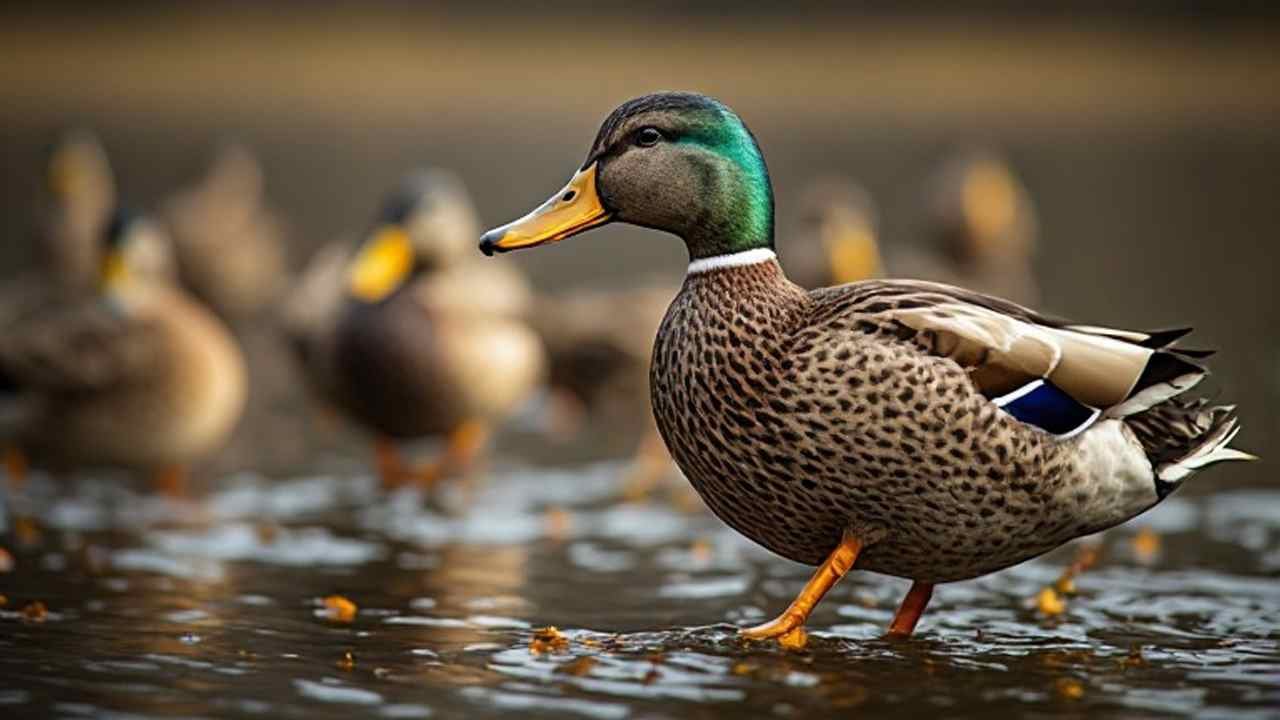
Oklahoma Duck Hunting Season 2026-2027: Dates, Rules & Limits
The Oklahoma duck season 2026-2027 opens in the Panhandle counties on October 10, 2026 and in Zones 1 and 2 on November 14, 2026, with the statewide season closing January 31, 2027 in Zones 1 and 2 and January 13, 2027 in the Panhandle. Oklahoma divides its waterfowl hunting into three management areas — the three Panhandle counties (Cimarron, Texas and Beaver), Zone 1, and Zone 2 — and both regular zones run a two-segment split season with a six-day closure between segments.
Before you head afield, you’ll need more than a shotgun: Oklahoma requires a hunting license, a HIP permit, an Oklahoma Waterfowl License and, for hunters 16 and older, a Federal Duck Stamp — each with its own age exemptions. This guide walks through every zone, date, bag limit, fee and regulation you need to plan the 2026-2027 season, and it flags where rules can shift on public land, refuges and wetland units. Regulations change, and migratory bird frameworks are adjusted annually — always confirm the current rules with ODWC before you hunt.
Oklahoma Duck Season 2026-2027 at a Glance
| Information | 2026-2027 Details |
|---|---|
| Regular Duck Season | Panhandle counties: Oct. 10, 2026 – Jan. 13, 2027 (continuous) · Zones 1 & 2: Nov. 14 – Dec. 6, 2026 and Dec. 12, 2026 – Jan. 31, 2027 |
| Hunting Zones | Three areas: High Plains Mallard Management Unit (Cimarron, Texas, Beaver counties) plus Waterfowl Zone 1 and Zone 2 statewide |
| Daily Bag Limit | 6 ducks combined, including no more than 5 mallards (only 2 hens), 3 wood ducks, 3 pintails, 2 redheads, 2 canvasbacks and 1 scaup |
| Possession Limit | 3 daily bag limits maximum (12 ducks after two days hunted, 18 after three or more) |
| Shooting Hours | One-half hour before official sunrise to official sunset |
| Youth Waterfowl Days | Panhandle: Oct. 3, 2026 & Jan. 30, 2027 · Zones 1 & 2: Nov. 7, 2026 & Feb. 6, 2027 |
| Veteran/Military Days | Same dates as youth days — these are combined youth, veteran and active-duty military opportunities |
| Early Teal Season | Sept. 12 – Sept. 20, 2026, statewide; 6 teal daily |
| Required License | Hunting license (resident, nonresident or youth super hunting license) plus HIP permit and Oklahoma Waterfowl License |
| Oklahoma Waterfowl Stamp/License | Required for residents 18-64 and nonresidents 18 and older, unless exempt |
| Federal Duck Stamp | Required for all waterfowl hunters 16 and older; $29 |
| HIP Registration | Required for all migratory bird hunters, unless exempt |
Oklahoma Duck Season Dates for 2026-2027
Oklahoma’s duck and merganser seasons are published and final for 2026-2027. Unlike goose or crane frameworks that shift with federal flyway calendars, the dates below come directly from ODWC’s current season listing and regulation pages.
| Duck Hunting Zone | Season Dates |
|---|---|
| Panhandle counties (Cimarron, Texas, Beaver) — High Plains Mallard Management Unit | Oct. 10, 2026 – Jan. 13, 2027 (no split) |
| Zones 1 & 2 (all other Oklahoma counties) | Segment 1: Nov. 14 – Dec. 6, 2026 · Segment 2: Dec. 12, 2026 – Jan. 31, 2027 |
What this means in practice:
- Opening day: Oct. 10 in the Panhandle counties; Nov. 14 in Zones 1 and 2.
- Closing day: Jan. 13, 2027 in the Panhandle; Jan. 31, 2027 in Zones 1 and 2.
- Split closure: Duck hunting is closed in Zones 1 and 2 from Dec. 7 through Dec. 11, 2026.
- Panhandle advantage: Hunters in Cimarron, Texas and Beaver counties get a 96-day continuous season — the longest duck season available in the state.
- Special days: Two youth/veteran/active-military days are added outside the regular season in each area.
Oklahoma Duck Hunting Zones
Oklahoma splits waterfowl hunting into three areas. Getting the zone right matters: hunting under the wrong zone’s dates is a violation, even if ducks are flying everywhere.
- Panhandle counties — High Plains Mallard Management Unit: Cimarron, Texas and Beaver counties in the far northwest. This unit historically receives an earlier, longer continuous season.
- Zone 1 and Zone 2: All counties excluding Cimarron, Texas and Beaver. ODWC’s regulations describe the dividing boundary between Zone 1 and Zone 2 as a highway-based line running from the Texas border northeast through the central part of the state.
- Why it matters: Zone 1 and Zone 2 currently share the same season dates, but the boundary still determines which map, area rules and — in some years — which split structure applies to you.
- Official map: ODWC publishes Waterfowl Zones and a Waterfowl Blind Locations interactive map, along with Wetland Development Unit (WDU) maps, on its waterfowl resources hub Oklahoma Department of Wildlife Conservation.
Tip: Don’t rely on a county-line guess. Pull the official zone map, confirm which zone your access point falls in, then cross-check the specific WMA or refuge rules for that property.
Oklahoma Duck Season Bag Limits
Oklahoma’s duck limit is a six-bird aggregate with species-specific sub-limits — the most restrictive rule always wins. The species restrictions below are the ones explicitly published in Oklahoma’s regulations.
| Duck Species | Daily Limit | Important Restrictions |
|---|---|---|
| Total ducks (all species) | 6 | Combined limit across all duck species |
| Mallard | 5 | Only 2 may be hens |
| Hen mallard | 2 | Included within the 5-mallard limit |
| Wood duck | 3 | Counts toward the 6-bird total |
| Northern pintail | 3 | Counts toward the 6-bird total |
| Redhead | 2 | Counts toward the 6-bird total |
| Canvasback | 2 | Counts toward the 6-bird total |
| Scaup | 1 | Counts toward the 6-bird total |
| Mergansers | Included in the duck limit | No separate merganser allowance |
| Black duck | No separate sub-limit published | Counts toward the 6-bird total — verify the current guidebook |
| Mottled duck | No separate sub-limit published | Rare in Oklahoma; counts toward the 6-bird total |
| Other ducks (gadwall, wigeon, shoveler, teal, ring-necked duck, goldeneye, bufflehead, ruddy duck) | No separate sub-limit | All count toward the 6-bird total |
| Coot | 15 | Separate from the duck limit |
Possession limits in Oklahoma are cumulative, not simply double the daily bag:
- Hunted 1 day → possession limit is 1 daily bag limit (6 ducks)
- Hunted 2 days → possession limit is 2 daily bag limits (12 ducks)
- Hunted 3 or more days → possession limit is 3 daily bag limits (18 ducks)
- You may never possess more than three daily bag limits at any time — even after a week in the field.
What License Do You Need to Hunt Ducks in Oklahoma?
Oklahoma waterfowl hunting is regulated under a stack of overlapping requirements — state license, state waterfowl license, federal stamp and a federal harvest survey permit. Here’s each one.
Oklahoma Hunting License
- Residents 18 and older: Resident Annual Hunting License.
- Residents 17 and under: Youth Annual Super Hunting License — yes, youth need a license to hunt waterfowl in Oklahoma.
- Nonresidents 18 and older: Nonresident Annual Hunting License.
- Nonresidents 17 and under: Nonresident Youth Annual Super Hunting License or a 5-day youth super hunting license.
- Important: A standard Nonresident 5-Day Hunting License is not valid for waterfowl — nonresidents must buy a waterfowl-valid license.
Oklahoma Waterfowl License (Waterfowl Stamp)
- Required for every resident age 18-64 and every nonresident age 18 and older hunting waterfowl, unless exempt.
- Exemptions include: residents and nonresidents under 18 holding a youth super hunting license; Oklahoma residents age 65 and older; holders of an Oklahoma resident lifetime hunting, combination or senior citizen lifetime license; resident landowners hunting on their own land; and anyone holding a Lifetime Oklahoma Duck Stamp.
- Current fee: $21 resident / $31 nonresident.
Federal Duck Stamp
- Federal law requires every waterfowl hunter 16 and older to carry a valid Migratory Bird Hunting and Conservation Stamp, signed in ink across the face, on their person while hunting E-Regulations / ODWC.
- ODWC lists the ability to obtain either a physical stamp or an electronic version through the licensing system.
- Cost: $29. Lifetime license holders are not exempt from the federal stamp.
HIP Registration
- HIP (Harvest Information Program) is a federal harvest-survey requirement administered through the state.
- All migratory bird hunters must have a HIP permit unless otherwise exempt — including waterfowl hunters.
- Registration is completed through the Go Outdoors Oklahoma licensing system when you buy your license or permit.
- HIP is separate from the Oklahoma Waterfowl License and from the Federal Duck Stamp. You need all applicable items.
Summary Table: Who Needs What
| Requirement | Resident | Nonresident | Notes |
|---|---|---|---|
| Hunting License | Yes (18+); youth need youth super hunting license | Yes (18+); youth need youth super hunting license | Nonresident 5-day license is not valid for waterfowl |
| HIP Registration/Permit | Yes, unless exempt | Yes, unless exempt | Required for all migratory bird hunters |
| Oklahoma Waterfowl License | Yes, ages 18-64 | Yes, 18 and older | Exempt: under 18 with youth license, residents 65+, certain lifetime/landowner holders |
| Federal Duck Stamp | Yes, 16 and older | Yes, 16 and older | Must be signed in ink and carried on your person |
Oklahoma Duck Hunting License Costs for 2026-2027
Fees below are ODWC’s published license fees. Youth and senior categories create different totals, so confirm your specific package at checkout.
| License or Permit | Resident Cost | Nonresident Cost |
|---|---|---|
| Annual Hunting License | $36 | $209 |
| Youth Annual Super Hunting License (17 and under) | $26 | $151 |
| Oklahoma Waterfowl License/Stamp | $21 | $31 |
| Federal Duck Stamp | $29 | $29 |
| HIP Permit | No separate fee published on ODWC’s license fee page | No separate fee published on ODWC’s license fee page |
Example totals for an adult nonresident hunting ducks in Oklahoma for a full season: $209 (annual hunting license) + $31 (Oklahoma Waterfowl License) + $29 (Federal Duck Stamp) + HIP. Oklahoma residents 18-64: $36 + $21 + $29 + HIP. Residents 66 and older pay for the hunting license where applicable and the federal stamp, but are exempt from the Oklahoma Waterfowl License.
Youth Waterfowl Hunting Days in Oklahoma
Oklahoma offers two special youth waterfowl hunting days per area, authorized outside the regular season by the U.S. Fish and Wildlife Service.
| Zone | Youth, Veteran & Active Military Waterfowl Days |
|---|---|
| Panhandle counties | Oct. 3, 2026 and Jan. 30, 2027 |
| Zones 1 & 2 | Nov. 7, 2026 and Feb. 6, 2027 |
Rules for youth hunters:
- Youth hunters must be 15 years of age or younger.
- An adult at least 18 years old must accompany the youth hunter into the field.
- That accompanying adult may not hunt waterfowl during the youth day (they may participate in other open seasons).
- Bag limits match the regular season, including all species and sex-specific duck restrictions.
- The daily bag may include ducks, mergansers, coots and geese.
Veteran and Active-Duty Military Waterfowl Hunting Days
Oklahoma combines its veteran and military opportunity with the youth days, creating a shared special season on the same two dates per zone.
- Who qualifies: Veterans as defined in Section 101 of Title 38, United States Code, and members of the Armed Forces on active duty, including National Guard and Reserve members on active duty other than for training.
- No documentation details are published in the season summary — carry proof of eligibility and confirm requirements with ODWC before hunting.
- Licenses and stamps: The same license, HIP, Oklahoma Waterfowl License and federal stamp requirements that apply during the regular season apply to veterans and active-duty hunters unless a specific exemption applies.
- Bag limits: Identical to the regular season, with all species and hen-specific restrictions in force.
- These days are separate from the regular season — in Zones 1 and 2, the Nov. 7, 2026 date falls before opening day, and the Feb. 6, 2027 date falls after the Jan. 31 close.
Early Teal Season in Oklahoma
Oklahoma’s September teal season is a short, fast window that opens well before the regular duck season.
| Detail | 2026 Season Information |
|---|---|
| Dates | Sept. 12 – Sept. 20, 2026 |
| Area | Statewide |
| Daily bag limit | 6 teal |
| Possession limit | 12 after the first day, 18 after the second day |
| Shooting hours | One-half hour before official sunrise to official sunset |
| Required licenses | Hunting license, HIP permit, Oklahoma Waterfowl License and Federal Duck Stamp (unless exempt) |
Also running in September: a Special Resident Canada Goose season, Sept. 12 – Sept. 21, 2026, statewide, with a daily bag of 8 (16 in possession after one day, 24 after two).
Key reminder: Early teal regulations differ from the regular duck season — species identification is critical, since only teal are legal during this window. Non-toxic shot rules apply exactly as they do in November.
Oklahoma Duck Hunting Shooting Hours
- Standard shooting hours: one-half hour before official sunrise to official sunset.
- Sunrise/sunset is “official” — check a reliable sunrise/sunset table for your location, not the horizon in your head.
- Early teal season uses the same one-half hour before sunrise to sunset window.
- Public lands may differ: Individual WMAs, wetland development units and refuges can impose later opening times, no-entry hours, or refuge closure periods. Check the special-area regulations for each property.
- Conservation Order Light Goose Season (Feb. 15 – Mar. 30, 2027) is the exception, allowing shooting until one-half hour after sunset with special provisions.
Where Can You Hunt Ducks in Oklahoma?
Public Land
- Wildlife Management Areas (WMAs): ODWC manages more than a million acres of public hunting land, and a large share includes waterfowl habitat.
- Wetland Development Units (WDUs) and Waterfowl Refuge Portions (WRPs): ODWC-managed wetland units specifically developed for waterfowl, mapped individually on the waterfowl resources page.
- Migratory bird refuges within WMAs: Some areas function as resting refuges with restricted hunting dates or boundaries.
- National Wildlife Refuges: Federal refuges in Oklahoma offer waterfowl hunting under their own refuge-specific seasons and permit systems. Always check the individual refuge’s rules.
- Waterfowl blind locations: ODWC publishes an interactive map of blind locations to help hunters plan access.
Private Land
- Written or verbal permission is required — Oklahoma trespass law means entering private land without permission can result in citations.
- Agricultural country is prime but sensitive. Grain fields, stock ponds and river bottoms attract birds, but respect crops, fences, livestock and gates.
- Access programs: Wetland Development Units and DU-supported projects occasionally open private or partner land to public hunting — check current maps and sign-in requirements.
Public Hunting Draws and Reservations
- ODWC Controlled Hunts: Applications run April 1 – May 20, 2026 for deer, elk, antelope and turkey. Waterfowl opportunities in Oklahoma are largely open-access rather than drawn, but certain properties and blind assignments use reservation or lottery systems.
- GRDA property hunts: Online applications for deer and waterfowl on Grand River Dam Authority lands are accepted June 1 – July 31, with notifications by Labor Day weekend.
- Youth guided waterfowl hunts: Young hunters can apply for ODWC-sanctioned guided waterfowl hunts with an application deadline of Nov. 3, 2026.
- New for 2025 and ongoing: Nonresidents accessing certain Oklahoma public hunting and fishing areas must check in and out of the area. There is no cost and no limit on check-ins — it’s a usage-tracking requirement you should build into your scouting routine.
Important Oklahoma Duck Hunting Regulations
- Non-toxic shot required: All waterfowl (ducks, mergansers and geese) and coot hunting is restricted to federally approved non-toxic shot.
- Shotgun capacity limit: No shotgun capable of holding more than three shells in the magazine and chamber combined.
- No electronic calls: Recorded or electronically amplified bird calls are prohibited, unless specifically allowed (e.g., during the Conservation Order Light Goose Season).
- No baiting: Taking migratory birds over or by the aid of bait is illegal. A baited area remains baited for 10 days after the bait is removed.
- Wanton waste: All downed migratory game birds must be retrieved, if possible, and retained in your custody in the field.
- Species identification: You are responsible for identifying birds before you shoot — sub-limits on hens, pintails, canvasbacks and scaup make this a legal obligation, not just good practice.
- Possession and transportation: Never exceed three daily bag limits in possession, and be prepared to show your license, stamps and HIP permit to a game warden on request.
- Public area check-in: Nonresidents must check in and out on designated public access areas.
- Area-specific rules apply: WMAs, WDUs and refuges may restrict access times, walking-in only areas, motorized vehicle use, decoy limits and blind use.
Best Ducks to Hunt in Oklahoma
Oklahoma sits in the southern Central Flyway, which makes it a wintering destination rather than a pure migration corridor. That means the action builds as northern wetlands and prairie potholes freeze up.
| Species | Where You’ll Find Them | Habitat & Timing Notes |
|---|---|---|
| Mallard | Panhandle grain country, reservoirs, river systems statewide | The marquee bird; the most abundant wintering duck and the focus of late-season hunting |
| Wood duck | Eastern Oklahoma rivers, creeks, beaver ponds and flooded timber | Resident and early-migrant bird; strong in the eastern third of the state |
| Gadwall | Shallow lakes, wetlands, agricultural impoundments | Consistent component of Oklahoma’s wintering puddle duck flock |
| American wigeon | Shallow wetlands and moist-soil units | Grazes like a goose on submerged vegetation |
| Northern pintail | Open shallow water, playas, agricultural fields | Early-arriving puddle duck; a three-bird sub-limit applies |
| Northern shoveler | Shallow nutrient-rich wetlands | One of the earliest and most reliable early-season birds |
| Green-winged teal | Wetlands, rivers, flooded fields | Peak numbers overlap with the September teal season and the November opener |
| Blue-winged teal | Shallow wetlands and moist-soil areas | Primarily a September bird; largely gone north of Oklahoma by late October |
| Canvasback | Deep open water on large reservoirs | A diver-hunter specialty; limit of 2 |
| Redhead | Large lakes and reservoirs | Another big-water diver; limit of 2 |
| Scaup | Deep reservoirs and large lakes | Late-season diver; limit of 1 |
| Ring-necked duck, goldeneye, bufflehead, ruddy duck | Reservoirs, stock ponds, river pools | Round out the diver bag; no separate sub-limits |
Migration note: Oklahoma’s duck numbers hinge on weather north of the state. Rather than chase fixed calendar assumptions, monitor weekly waterfowl reports and cold-front timing — early-season teal, mid-season puddle ducks and late-season divers all have distinct peak windows tied to freeze-up patterns. Hunters planning road trips to neighboring flyway states often compare frameworks: see how Kansas duck season dates and the Texas waterfowl framework line up with Oklahoma’s splits.
Tips for Hunting During the Oklahoma Duck Season
- Scout water, not just fields. Oklahoma’s best public waterfowl hunting is usually found on managed wetlands and shallow reservoirs. Walk the WDU units after the season opens to see where birds loaf and feed.
- Watch the freeze line. A hard freeze across Kansas and Nebraska pushes mallards south into Oklahoma. Time your best days to the front, not to the weekend.
- Work the weather. Northwest winds are the classic duck-hunting wind in the Panhandle and northern Oklahoma. Use a decoy spread positioned to let birds work downwind and finish into it.
- Hunt the eastern timber for wood ducks. Flooded river bottoms in eastern Oklahoma hold birds that many hunters overlook during the regular season.
- Keep your spread match-ready. On shallow wetlands, small puddle-duck spreads with a couple of active motion decoys outperform big diver rigs; save the long lines for big reservoirs where canvasbacks and redheads raft.
- Call sparingly on pressured public water. Oklahoma birds on heavily hunted WMAs get educated fast — trade loud hails for quiet feeding chuckles and a strong hide.
- Concealment beats movement. Blind, boat and layout concealment matter more than decoy count on open reservoirs with no shoreline cover.
- Identify before the shot. With a sub-limit of only 2 hen mallards, 2 canvasbacks, 2 redheads and 1 scaup, a wrong bird can close your season early in a day’s bag.
- Check water levels and access. Reservoir levels fluctuate and can strand boats or close ramps; WDUs may pump and flood at different times. Check area conditions before you drive.
- Plan for pressure. Early-season teal and the Nov. 14 opener bring crowds. Mid-week hunts and secondary units produce better shooting than a crowded boat ramp on opening morning.
Frequently Asked Questions About Oklahoma Duck Season
When does duck season open in Oklahoma in 2026?
The Panhandle counties open Oct. 10, 2026, while Zones 1 and 2 open Nov. 14, 2026. Both areas finish in January 2027 — the Panhandle on Jan. 13 and Zones 1 and 2 on Jan. 31. There’s also a statewide early teal season Sept. 12–20, 2026.
How many ducks can you shoot per day in Oklahoma?
The daily limit is six ducks combined. Within that limit you may take no more than 2 hen mallards (of 5 total mallards), 3 wood ducks, 3 pintails, 2 redheads, 2 canvasbacks and 1 scaup. Mergansers count toward the six-duck limit, and coots are separate at 15 per day.
How many ducks can you have in possession in Oklahoma?
Possession limits step up with days hunted: 1 daily bag after one day, 2 after two days, and 3 after three or more days — never more than three daily limits (18 ducks).
Do you need a state waterfowl stamp to hunt ducks in Oklahoma?
Yes, unless exempt. Residents 18-64 and nonresidents 18 and older need an Oklahoma Waterfowl License ($21 resident / $31 nonresident). Hunters under 18 with a youth super hunting license, residents 65 and older, certain lifetime license holders and residents hunting their own land are exempt.
Do you need a Federal Duck Stamp to hunt ducks in Oklahoma?
Yes. Every waterfowl hunter 16 and older must carry a $29 Federal Migratory Bird Hunting and Conservation Stamp, signed in ink across the face, on their person. The stamp is required regardless of residency — and lifetime Oklahoma license holders are not exempt.
What is HIP registration, and is it required in Oklahoma?
HIP is the Harvest Information Program, a federal harvest survey requirement for migratory bird hunters. All Oklahoma migratory bird hunters need a HIP permit unless exempt, and they register while purchasing their license through the Go Outdoors Oklahoma system.
Can youth and veterans hunt ducks in Oklahoma outside the regular season?
Yes. Oklahoma offers two combined youth, veteran and active-duty military waterfowl days per area: Oct. 3, 2026 and Jan. 30, 2027 in the Panhandle, and Nov. 7, 2026 and Feb. 6, 2027 in Zones 1 and 2. Youth hunters must be 15 or younger and accompanied by an adult 18 or older who may not hunt waterfowl.
Do nonresidents need to check in on Oklahoma public hunting areas?
Yes — under rules adopted in 2025, nonresidents accessing certain Oklahoma public hunting and fishing areas must check in and out. There is no cost and no limit on check-ins, but failing to comply can create a citation risk, so confirm whether your chosen area is on the list before you go.
Before You Hunt: Check the Latest Oklahoma Regulations
Migratory bird seasons are set annually on a federal flyway framework, and public land rules, emergency closures, refuge boundaries, wetland pumping schedules and area-specific restrictions can change mid-season. The dates and limits in this guide reflect the ODWC and U.S. Fish and Wildlife Service information available on September 13, 2026 — but the only authoritative source on opening morning is the current regulation. Before every hunt, confirm your zone and season segment, re-check bag limits, verify license and stamp requirements, and review the specific rules for the WMA, WDU or refuge you plan to access. Hunting under an outdated date or an incorrect sub-limit is a citable offense, and it’s easily avoided with one final rules check.