
Fishing Season 2026 in Alabama: Freshwater & Saltwater Dates
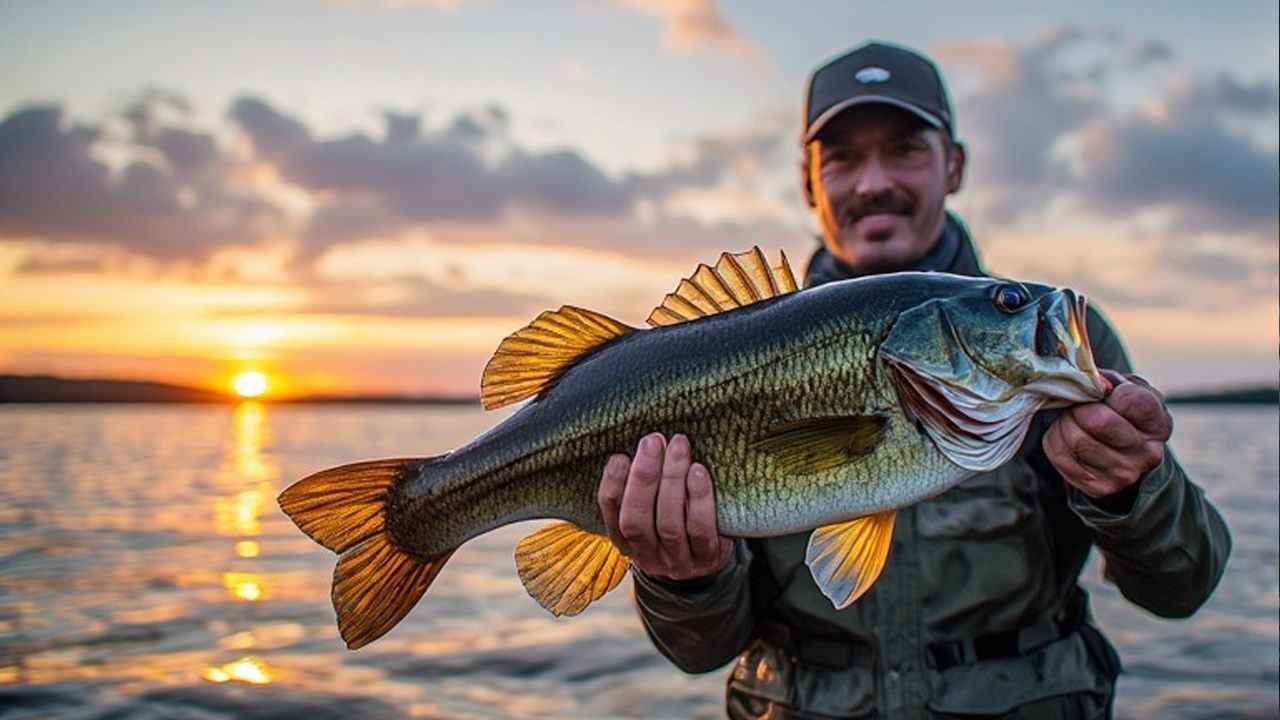
There’s something nearly mystical about Alabama when it comes to fishing. Whether you’re wading through the cold tailwaters of the Sipsey Fork hunting rainbow trout or throwing topwater lures across Lake Guntersville at daybreak for trophy largemouth bass, the Heart of Dixie throws you world-class chances year-round. I can attest that Alabama’s waterways never let me down, having spent many mornings with a rod in one hand and coffee in the other.
For 2026, Alabama continues to provide some of the most diversified freshwater and saltwater possibilities in the Southeast. This state boasts more than 132,000 acres of public lakes, 77,000 miles of rivers and streams, and 53 miles of coastline, ranging from the Tennessee River reservoirs in the north to the immaculate Gulf Coast beaches and bays. Whether you’re a native who knows every honey hole or a first-timer planning a vacation down South, understanding the current creel limits, catch dates, and licensing requirements will help you make the most of your time on the water.
Let’s explore all the information you require on Alabama’s 2026 rules, hotspots, and annual bites. 🐟
📅 Quick Reference by Month
Alabama’s climate allows for year-round opportunities, but here’s a seasonal breakdown of what’s hot and when:
| Month | Peak Species | Season Status | Daily Bag Limit | Special Notes |
|---|---|---|---|---|
| January | Crappie, Striped Bass, Trout | Open | 30 (Crappie), 15 (Striper/Hybrid) | Trout stocking monthly on Sipsey Fork |
| February | Crappie, White Bass, Trout | Open | 30 (Crappie), 15 (White Bass) | Pre-spawn crappie movement begins |
| March | Bass (Pre-spawn), Crappie | Open | 10 (Bass), 30 (Crappie) | Bass tournaments kick off |
| April | Largemouth Bass, Catfish | Open | 10 (Bass), No limit (<34″) | Prime spawn period for bass |
| May | Bass, Bream/Bluegill, Red Snapper | Open/Seasonal | 10 (Bass), 50 (Bream) | Red Snapper season opens May 23 |
| June | Bream, Catfish, Red Drum | Open | 50 (Bream), No limit catfish | Best bedding bream month |
| July | Catfish, Spotted Bass | Open | No limit (<34″), 10 (Bass) | Night fishing heats up |
| August | Catfish, Gar, Saltwater species | Open | Varies by species | Peak summer saltwater action |
| September | Striper/Hybrid, Speckled Trout | Open | 15 (Striper), 6 (Speckled Trout) | Fall transition begins |
| October | Bass, Walleye, Sauger | Open | 10 (Bass), 2 (Walleye) | Excellent topwater bass fishing |
| November | Crappie, White Bass | Open | 30 (Crappie), 15 (White Bass) | Fall schooling patterns |
| December | Crappie, Striped Bass | Open | 30 (Crappie), 15 (Striper) | Deep structure fishing |
🐟 Popular Sport Fish in Alabama
Largemouth & Smallmouth Bass
Alabama is a bass angler’s paradise. The state hosts major professional tournaments on legendary waters like Lake Guntersville, which consistently ranks among the top bass fisheries in the nation.
Season: Open year-round
Daily Bag Limit: 10 black bass (combined species), with no more than 5 smallmouth bass
Size Restrictions: Varies by water body—some reservoirs like Guntersville, Pickwick, and Wheeler have special 15-inch minimum size limits to protect trophy fisheries.
Prime waters include Lake Eufaula (Walter F. George Reservoir), which requires a 14-inch minimum, and Lewis Smith Lake, which has a protective slot limit (13-15 inches must be released). If you’re targeting smallmouth specifically, head to the Tennessee River reservoirs like Wilson, Wheeler, or Pickwick.
Alabama Bass & Spotted Bass
These scrappy fighters, formerly lumped together as “spotted bass,” now have their own recognition. Alabama bass thrive in the Mobile River drainage.
Season: Open year-round
Daily Bag Limit: Counted within the 10-fish black bass aggregate
Best Waters: Lewis Smith Lake, Coosa River system
Crappie (White & Black)
Crappie fishing in Alabama can be absolutely lights-out, especially during the pre-spawn and spawn periods from February through April.
Season: Open year-round
Daily Bag Limit: 30 fish
Size Limit: 9-inch minimum on most public waters (some small impoundments exempt)
Exception: Weiss Reservoir requires a 10-inch minimum
Pro tip: Alabama River, Coosa River, and Tennessee River reservoirs produce excellent crappie action. Use minnows, jigs, or small crankbaits around brush piles and bridge pilings.
Rainbow Trout
Alabama’s trout fishery is unique for the Deep South. The Sipsey Fork below Lewis Smith Dam provides year-round coldwater habitat.
Season: Open year-round
Daily Bag Limit: 5 rainbow trout
Special Rule: No culling allowed from the Sipsey Fork—once it’s in your creel, it stays
Stocking Schedule: Third Thursday of each month on the Sipsey Fork
The tailwater stays cold enough (55-65°F) to support trout thanks to deep releases from the dam. You’ll also find stocked trout at Mud Creek in Tannehill State Park.
Catfish (Channel, Blue, Flathead)
Catfish provide fantastic action and table fare. Alabama’s regulations are generous for smaller cats but protect trophy-size fish.
Season: Open year-round
Daily Bag Limit: No limit for catfish under 34 inches; only 1 fish over 34 inches allowed
Exceptions: The 34-inch rule doesn’t apply to certain river basins (Perdido, Conecuh, Blackwater, Yellow, Choctawhatchee, Chipola, Chattahoochee)
Night fishing with cut bait, live bait, or stinkbaits produces the best results. The Alabama River, Coosa River, and Tennessee River all hold monster catfish.
🦞 Specialty Species Worth Targeting
Walleye
Walleye populations exist in some Alabama waters, primarily Tennessee River reservoirs.
Season: Open year-round (with specific closed waters)
Daily Bag Limit: 2 fish
Closed Waters: Sweetwater Lake, White Plains Lake, Shoal Creek, Lake Mitchell, Walnut Creek, Hatchet Creek, Weogufka Creek, and certain Mulberry/Sipsey Fork tributaries—all walleye must be immediately released in these areas.
Saltwater Striped Bass & Hybrids
These powerful fighters are stocked in many Alabama reservoirs. The current state hybrid record (25 lbs 15 oz) came from the Sipsey Fork below Smith Dam!
Season: Open year-round
Daily Bag Limit: 15 fish (striped bass, white bass, yellow bass, and hybrids combined)
Size Restriction: No more than 5 fish may exceed 22 inches
Special Regulations:
- Lewis Smith, Lake Martin, Thurlow, and Yates reservoirs: Only 2 stripers over 22 inches allowed
- No culling rule: June 15–October 15 on Smith and Martin—can’t release stripers from your livewell once retained
Red Snapper (Gulf Coast)
Alabama’s Red Snapper season is a huge draw for saltwater anglers heading to Gulf Shores and Orange Beach.
2026 Season: Opens May 23, runs seven days a week through June 30 (state waters)
Bag Limit: 2 fish per person
Size Limit: 16-inch minimum
Private Angler Quota: 664,552 pounds for 2025 (expect similar for 2026)
Red Drum (Redfish)
Season: Open year-round
Bag Limit: 3 fish per person
Slot Limit: 16–26 inches total length (no oversized fish may be kept as of 2025 regulation updates)
Speckled Trout (Spotted Seatrout)
Season: Open year-round
Bag Limit: 6 fish per person
Slot Limit: 15–22 inches (only 1 fish over 22 inches allowed)
Alligator Gar
These prehistoric giants can exceed 100 pounds! Alabama’s state record alligator gar weighed 151 pounds, 10 ounces.
Season: Open year-round
Bag Limit: 1 fish per day
Paddlefish & Sturgeon
Both species are fully protected in Alabama. Any paddlefish or sturgeon caught must be immediately returned to the water unharmed.
🐠 Panfish & Everyday Catches
These are the bread-and-butter species that put smiles on kids’ faces and make for excellent fish fries.
| Species | Daily Bag Limit | Size Limit | Notes |
|---|---|---|---|
| Bream (Bluegill, Redear, etc.) | 50 fish | None | Peak: May–July during spawn |
| Yellow Perch | No limit | None | Rare but present |
| White Bass | 15 fish | 10″ minimum | Great spring spawning runs |
| Yellow Bass | 15 fish | None | Underrated fighters |
| Skipjack Herring | 50 fish | None | Cannot sell from Tennessee River |
Pro Tip: Bream fishing with crickets, red worms, or small jigs around cypress trees and lily pads during May and June is about as fun as fishing gets. It’s also a perfect introduction for kids learning to fish.
🦆 Stocked & Managed Waters
Alabama actively manages many public waters to enhance fishing opportunities:
Trout Waters
- Sipsey Fork (below Smith Dam): Monthly stocking on third Thursday
- Mud Creek (Tannehill State Park): Spring-fed stream with stocked rainbows
Public Fishing Lakes
The Alabama Division of Wildlife and Freshwater Fisheries maintains numerous public fishing lakes stocked with bass, bream, catfish, and crappie. These waters offer family-friendly environments with amenities:
- Often have daily fishing permits available ($9 daily, $15.80 annual)
- Great for bank fishing
- Many have accessible fishing piers
Community Fishing Programs
Check the Outdoor Alabama website for updated stocking schedules and a searchable map of public fishing locations. You can filter by county, species, and access type.
🌍 Public vs Private Waters
Public Waters:
These include all navigable rivers, streams, reservoirs, and lakes where you can legally fish with the appropriate license. The vast majority of Alabama’s premier fisheries—Lake Guntersville, Pickwick Lake, Lake Martin, Lake Eufaula, the Alabama River, Tennessee River, Coosa River, and coastal waters—are public.
Private Waters:
Farm ponds, private lakes, and fee-fishing operations fall into this category. Always obtain landowner permission before fishing private property. Some private lakes offer day permits or seasonal leases.
Resident Bank Fishing Exemption:
Alabama residents can fish without a license from the bank in their county of residence using hook and line. You must carry proof of residency (driver’s license). This doesn’t apply to non-residents, boats, or fishing outside your home county.
🎟️ Fishing License Guide for 2026
Alabama offers separate freshwater and saltwater licenses, so make sure you get the right one!
Freshwater Licenses
| License Type | Resident Cost | Non-Resident Cost | Duration |
|---|---|---|---|
| Annual Freshwater | ~$15.80 | $66.25 | 365 days |
| 7-Day Trip | N/A | $37.00 | 7 days |
| Public Fishing Lakes Annual | ~$15.80 | $15.80 | 365 days |
| Public Fishing Lakes Daily | ~$9.00 | $9.00 | 1 day |
| Family Trip (up to 4 additional family members) | N/A | $37.00 | 3 days |
Saltwater Licenses
| License Type | Resident Cost | Non-Resident Cost | Duration |
|---|---|---|---|
| Annual Saltwater | ~$15.00 | $64.90 | 365 days |
| 7-Day Trip | ~$10.00 | $35.65 | 7 days |
Exemptions
- Residents under 16: No license required
- Residents 65 and over: Exempt from all recreational licenses
- Non-residents under 16: No license required
- Resident bank fishing: No license needed if fishing from bank in county of residence with hook and line
Where to Buy
Purchase licenses online at Outdoor Alabama or through licensed agents (sporting goods stores, bait shops, county probate offices).
Important: If you’re fishing both freshwater and coastal waters during your trip, you’ll need both licenses. Also, if you’re planning to target specific species like red snapper during open seasons, ensure you understand federal vs. state water regulations.
For more fishing season details from neighboring states, check out the Georgia fishing season guide or explore the Florida fishing season information if you’re planning a multi-state trip.
❓ Frequently Asked Questions
Q: Do kids need a fishing license in Alabama?
A: No! Anyone under 16 years old (resident or non-resident) can fish without a license. It’s a great way to introduce young anglers to the sport without extra costs.
Q: Can I use live bait in Alabama?
A: Yes, live bait is legal in most Alabama waters. However, you cannot use game fish (bass, crappie, walleye, etc.) as bait. It’s legal to use sunfish species like bluegill, redear sunfish, and green sunfish as bait.
Q: Are there any catch-and-release-only waters?
A: Yes, specific waters have catch-and-release regulations for certain species. For example, all walleye caught in designated closed waters must be immediately released. Paddlefish and sturgeon are fully protected statewide. Always check local postings and the current regulations digest.
Q: Is night fishing allowed?
A: Absolutely! Night fishing is legal and highly productive, especially for catfish and striped bass during summer months. Just make sure you have proper lighting for safety.
Q: Is bowfishing legal in Alabama?
A: Yes, bowfishing is permitted for non-game fish species like carp, gar (except alligator gar with special limits), buffalo, and suckers. You’ll need a fishing license, and check specific regulations for the waters you’re targeting.
Q: How do I report a trophy catch?
A: Alabama maintains state records for various species. You can submit your catch information through the Outdoor Alabama website. Make sure to document the weight (certified scale), length, girth, location, date, and have photographs.
Q: What waters are best for beginners?
A: Public fishing lakes are perfect for beginners—they’re stocked regularly, have easy bank access, and typically hold good populations of bream, catfish, and bass. State parks with fishing facilities also offer excellent starting points.
🗺️ Top Alabama Fishing Hotspots for 2026
Here are my personal favorite waters that consistently produce:
1. Lake Guntersville
Species: Largemouth bass, crappie, catfish, bream
This 69,000-acre reservoir on the Tennessee River is legendary. It hosts major bass tournaments and has a 15-inch minimum size limit for bass to maintain trophy potential. Town Creek tributary also follows this rule.
2. Lake Eufaula (Walter F. George Reservoir)
Species: Largemouth bass (14″ minimum), crappie, striped bass, catfish
Straddling the Alabama-Georgia border, this 45,000-acre impoundment offers phenomenal bass fishing and is known for producing giants.
3. Pickwick Lake
Species: Smallmouth bass (15″ minimum), largemouth bass (15″ minimum), crappie, catfish
The Tennessee River’s Pickwick Lake is a smallmouth haven and offers some of the best multi-species action in the state.
4. Lewis Smith Lake
Species: Spotted bass, Alabama bass (13–15″ slot limit), striped bass, largemouth
This deep, clear reservoir offers fantastic spotted bass fishing and trophy stripers. The Sipsey Fork tailwater below the dam is Alabama’s premier trout fishery.
5. Alabama River (Montgomery area)
Species: Largemouth bass, spotted bass, catfish, crappie
Flowing through the heart of Alabama, this river offers outstanding year-round fishing with easy access at multiple boat ramps. Cooters Pond and Swift Creek Park near Montgomery are excellent spots.
6. Gulf Shores & Orange Beach (Coastal)
Species: Red snapper, red drum, speckled trout, flounder, king mackerel, tarpon
Alabama’s Gulf Coast offers world-class inshore and offshore fishing. During red snapper season (late May through June), the action is non-stop.
7. Lake Martin
Species: Largemouth bass, striped bass (2 fish over 22″ limit), crappie, bream
This 44,000-acre hydroelectric reservoir near Alexander City is a recreational paradise with excellent fishing and beautiful scenery.
8. Weiss Lake (Cherokee County)
Species: Crappie (10″ minimum), bass, catfish, bream
Known as the “Crappie Capital of the World,” Weiss Lake’s flooded timber and brush provide perfect crappie habitat.
For detailed maps and GPS coordinates, visit the Alabama Wildlife and Freshwater Fisheries interactive map.
✅ Final Thoughts: Get Out There and Fish!
Alabama’s 2026 season is shaping up to be fantastic. Whether you’re chasing your personal best largemouth, introducing your kids to bream fishing, or targeting trophy stripers, there’s never been a better time to explore the Heart of Dixie’s waters.
Before you head out:
- ✅ Check current water levels and generation schedules (especially important for tailwaters)
- ✅ Review specific regulations for your target water body—some have unique size and bag limits
- ✅ Purchase your license online or from a local agent
- ✅ Pack safety gear—life jackets, first aid, sun protection
- ✅ Practice catch and release for big fish to sustain trophy fisheries
- ✅ Respect private property and leave no trace
The fishing community in Alabama is welcoming and passionate. Don’t hesitate to strike up conversations at boat ramps or bait shops—you’ll often get the best local intel that way. Tight lines, y’all! 🎣
For anglers looking to explore other Southern fishing destinations, the Texas fishing season calendar offers incredible coastal and freshwater opportunities worth checking out.