
Indiana Fishing Season and Limits for 2025–2026 by Month – Species, Licenses & Hotspots
Casting a line into the glistening waters of Indiana on a clear spring morning or catching a big bass while watching the sun set over Lake Michigan are both unique experiences. Indiana provides some of the most underappreciated freshwater fishing possibilities in the Midwest, regardless of your level of experience or if this is your first time using a tackle box.
For anglers pursuing everything from fierce bluegill to enormous muskellunge, the Hoosier State offers year-round activity, from the expansive shores of Lake Michigan to the serene, tree-lined banks of rural reservoirs. The nicest aspect is that Indiana has a fishing schedule that is open all year round. Yes, you can wet a line whenever the mood strikes because most species don’t have closed seasons.
Everything you need to know about Indiana’s 2025–2026 fishing laws will be covered in this in-depth guide, including license requirements, bag limits, seasonal trends, and the best places to fish in the state. We can help whether you’re organizing a brief evening session at your neighborhood pond or a weekend trip to Patoka Lake.
📅 Quick Reference: Indiana Fishing Seasons by Species
One of the great things about fishing in Indiana? Most species are available year-round! But there are a few important dates and regulations to keep in mind:
| Species | Season Dates | Daily Bag Limit | Minimum Size | Special Notes |
|---|---|---|---|---|
| Largemouth/Smallmouth/Spotted Bass | Year-round | 5 (combined) | 14″ (most waters) | Some waters have special slot limits |
| Walleye, Sauger, Saugeye | Year-round | 6 (combined) | 14″ | Great Lakes tributaries have different rules |
| Crappie (Black/White) | Year-round | 25 (combined) | None statewide | Spring spawning = hot action |
| Channel/Blue/Flathead Catfish | Year-round | 10 (streams: no limit) | 13″ (lakes/reservoirs) | Flathead separate: 5 per day |
| Northern Pike | Year-round | 3 | 24″ | Hamilton Lake: 6 fish, no min size |
| Muskellunge & Tiger Muskie | Year-round | 1 (combined) | 42″ | Trophy fish—handle with care |
| Bluegill/Redear/Sunfish | Year-round | 25 (aggregate) | None | Perfect for kids and beginners |
| Yellow Perch | Year-round | 15 | None | Lake Michigan favorite |
| Trout (Rainbow/Brown/Brook) | April 26–varies | 5 | 7″ (stocked waters) | Trout stamp required |
Note: Regulations may vary by specific water body. Always check local rules before fishing.
🐟 Popular Sport Fish in Indiana
Bass: The Hoosier State’s Crown Jewel 🎣
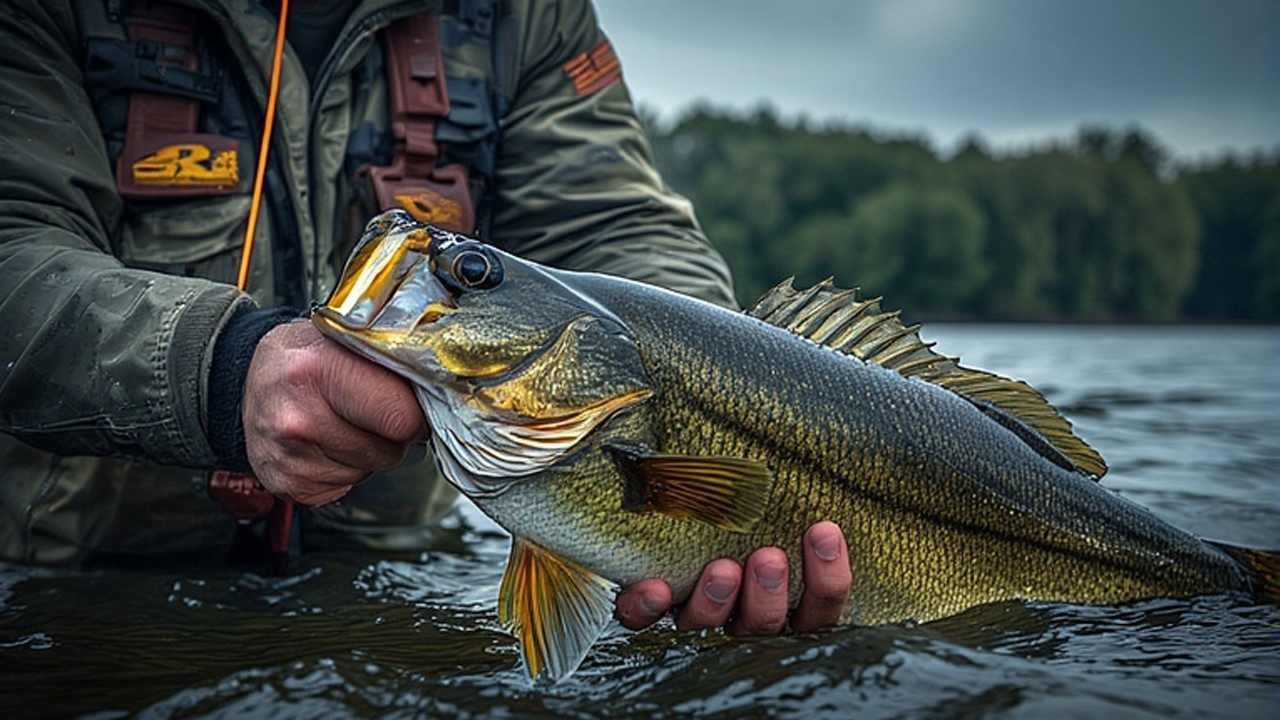
Bass fishing in Indiana is nothing short of phenomenal. Largemouth bass rule the warm, weedy waters of reservoirs and lakes, while smallmouth bass prefer the rocky, cooler flows of rivers and streams. Spotted bass round out the trio, often hanging in deeper waters.
Season: Year-round
Bag Limit: 5 bass (combined species)
Size Limit: 14 inches minimum (most waters)
Indiana’s bass bite heats up in spring (April-May) when fish move shallow to spawn. Summer brings topwater action during dawn and dusk, while fall fishing picks up as bass fatten up before winter. Don’t sleep on winter bass fishing either—they’re still catchable in deeper holes.
Top Bass Waters: Lake Wawasee, Brookville Lake, Patoka Lake, Monroe Lake, Tippecanoe River, White River
Pro Tip: Many Indiana lakes have special bass regulations. For example, some northern lakes have slot limits to protect breeding populations. Always check the Indiana DNR fishing regulations before you go.
Walleye: Golden-Eyed Predators 🌙
If you’re serious about putting tasty fillets in the freezer, walleye fishing is where it’s at. These low-light feeders are most active during dawn, dusk, and cloudy days. In Indiana, spring walleye fishing peaks in March through May when fish congregate near spawning areas.
Season: Year-round
Bag Limit: 6 (walleye, sauger, and saugeye combined)
Size Limit: 14 inches minimum
Jigs tipped with minnows, live bait rigs, and crankbaits are all effective. Don’t forget to try night fishing during summer—walleye often cruise shallow flats after dark.
Top Walleye Waters: Lake Michigan (Indiana waters), Tippecanoe River, Brookville Lake, Mississinewa Lake, Cecil M. Harden Lake (Raccoon Lake)
Crappie: Springtime Favorites 🐠
Come March and April, Indiana’s crappie anglers get downright giddy. Both black and white crappie migrate to shallow spawning areas when water temperatures hit the mid-50s, making them easy targets for anglers using small jigs and live minnows.
Season: Year-round
Bag Limit: 25 (combined black and white crappie)
Size Limit: None statewide
Focus your efforts around sunken timber, brush piles, boat docks, and standing trees. In summer and winter, crappie move to deeper water (8-20 feet), where you’ll need to adjust your tactics.
Top Crappie Waters: Patoka Lake, Salamonie Lake, Monroe Lake, Brookville Lake, Summit Lake
Catfish: Bottom-Dwelling Bruisers 🦈
Indiana’s catfish scene is alive and well. Channel catfish are the most common, but blue catfish and flathead catfish also patrol the state’s rivers and reservoirs. Catfish are year-round targets, but summer nights produce epic action.
Season: Year-round
Bag Limit:
- Lakes/Reservoirs: 10 catfish (combined species) with 13″ minimum
- Streams/Rivers: No limit, no size restriction
- Flathead catfish: 5 per day (separate limit)
Use cut bait, chicken liver, nightcrawlers, or stink baits. Trot lines, limb lines, and jug fishing are legal in Indiana with proper identification and daily checks required.
Top Catfish Waters: White River, Wabash River, Ohio River, Patoka Lake, Monroe Lake
🦞 Specialty & Regulated Species
Trout: Stocked Stream & Lake Action 🐟
Indiana’s inland trout program is a treat for anglers who want to chase rainbows, browns, and brook trout. The 2025 trout season opens on Saturday, April 26, with stocking events happening at designated streams and lakes across the state.
Season: April 26–varies by water
Bag Limit: 5 trout
Size Limit: 7 inches minimum
Special Requirement: Trout/Salmon stamp required ($7.50 residents, included in many licenses)
Where to Find Stocked Trout: Check the Indiana Fish Stocking Dashboard for real-time stocking updates. Popular trout waters include Curtis Creek, Versailles State Park streams, Brookville tailwaters, and many urban ponds.
Pro Tip: Hit stocked waters early in the season—trout don’t reproduce in most Indiana waters and are typically caught out within a few weeks of stocking.
Northern Pike: Toothy Predators 🦷
Northern pike are ambush predators that lurk in weedy shallows waiting to explode on unsuspecting prey. They’re found in the northern third of Indiana, especially in natural lakes.
Season: Year-round
Bag Limit: 3 pike
Size Limit: 24 inches minimum
Pike fishing peaks in spring and fall when water temps are cooler. Use large spoons, spinnerbaits, and live suckers.
Top Pike Waters: Lake James, Hamilton Lake, Tippecanoe River, Wawasee chain of lakes
Muskellunge: Indiana’s Apex Predator 🎣
The fish of 10,000 casts. Muskies are rare, elusive, and absolutely thrilling when you hook one. Indiana’s muskie fishing has steadily improved thanks to stocking efforts and catch-and-release ethics.
Season: Year-round
Bag Limit: 1 muskie or tiger muskie
Size Limit: 42 inches minimum
Muskie fishing requires patience, heavy tackle, and big baits. Bucktails, jerkbaits, and swimbaits are go-to lures.
Top Muskie Waters: Tippecanoe River, Barbee Chain of Lakes, Lake Wawasee, Lake James
Paddlefish: Catch-and-Release Only 🚫
Paddlefish are prehistoric-looking filter feeders found in the Ohio River. It is illegal to harvest paddlefish in Indiana—all paddlefish caught with sport fishing gear must be released immediately. Only licensed commercial fishermen with special permits can harvest paddlefish for roe.
🐠 Panfish & Everyday Catches
Panfish are the backbone of Indiana fishing. They’re abundant, fun to catch, and delicious on the dinner table.
| Species | Daily Bag Limit | Size Limit | Best Season |
|---|---|---|---|
| Bluegill | 25 (aggregate with sunfish) | None | May–June (spawn) |
| Redear Sunfish (Shellcracker) | 25 (aggregate) | None | April–May |
| Rock Bass | 25 (aggregate) | None | Year-round |
| White Bass | 25 | None | April–May (spawn runs) |
| Yellow Perch | 15 | None | Winter/Spring |
Best Panfish Tactics: Use small jigs, live worms, crickets, and tiny crankbaits. Fish around docks, weed edges, and shallow spawning flats in spring. In summer, target deeper structure.
🦆 Stocked & Managed Waters
Indiana DNR actively stocks fish to maintain healthy populations and create quality angling opportunities. Beyond trout, the state stocks:
- Walleye fingerlings in major reservoirs
- Muskellunge in select lakes and rivers
- Channel catfish in urban ponds and family-friendly lakes
- Largemouth bass in newer reservoirs
Check the Indiana Fish Stocking Dashboard for detailed stocking schedules, species, and locations. This interactive tool shows recent stockings and upcoming plans—perfect for planning your next trip.
🌍 Public vs. Private Waters: Know the Rules
Indiana’s fishing regulations apply to public waters—that includes all lakes, rivers, streams, and reservoirs accessible to the public. Fish in private ponds that didn’t originate from public waters are not covered by DNR regulations (no license needed).
Public Water Access: Indiana has over 200 public fishing areas, including state parks, fish and wildlife areas, and reservoir access points. The Where to Fish Interactive Map is a game-changer for finding boat ramps, bank fishing spots, and fish survey reports.
Private Ponds: If you’re fishing a friend’s private pond stocked with farm-raised fish, you technically don’t need a license—but if those fish came from public waters or if there’s any stream connection, licensing rules apply. When in doubt, carry a license.
🎟️ Indiana Fishing License Guide (2025–2026)
Getting your Indiana fishing license is quick and easy through the DNR Fish & Wildlife Activity Hub. All annual licenses are valid from April 1, 2025, through March 31, 2026.
License Fees:
| License Type | Resident | Non-Resident |
|---|---|---|
| Annual Fishing License | $23 | $60 |
| One-Day Fishing | $10 | $15 |
| Seven-Day Fishing | $18 | $35 |
| Senior Annual (64+) | $7 | N/A |
| Senior Fish-for-Life (64+) | $51 (one-time) | N/A |
| Youth (under 18) | FREE | FREE |
Specialty Stamps & Permits:
- Trout/Salmon Stamp: $7.50 (required for trout fishing; included in many combo licenses)
- Combo Hunt & Fish License: Available for residents—great value if you do both
Who Needs a License?
- Everyone 18 and older fishing public waters needs a valid fishing license
- Youth under 18: Free fishing—no license required!
- Seniors 64+: Discounted licenses available (must have been born after March 31, 1943)
- Active Military: Check for special exemptions and discounts
License Exemptions:
- Fishing on your own Indiana farmland (must be owner-occupied)
- Fishing during Free Fishing Days (check DNR website for dates)
Where to Buy: Purchase online at GoOutdoorsIN.com, at DNR license vendors (bait shops, sporting goods stores), or by phone.
❓ Frequently Asked Questions
Do kids need a fishing license in Indiana?
Nope! Anyone under 18 can fish for free without a license. It’s a great way to get young anglers hooked on the sport without extra costs.
Can I use live bait in Indiana?
Absolutely. Live bait like minnows, nightcrawlers, leeches, and crayfish are all legal. Just make sure you’re not transporting live baitfish between water bodies to prevent the spread of invasive species.
Is night fishing allowed?
Yes! There are no restrictions on fishing hours in Indiana. In fact, night fishing for catfish, walleye, and bass can be incredibly productive—especially during hot summer months.
Are bowfishing and spearfishing legal?
Yes, but only for specific species. You can bowfish or spearfish invasive (Asian) carp, bowfin, buffalo fish, common carp, gar, shad, and suckers year-round, day or night. A regular fishing license is required. You cannot bowfish or spearfish game fish like bass, walleye, or crappie.
What waters are catch-and-release only?
Indiana doesn’t have statewide catch-and-release waters, but some individual lakes and streams have special regulations. Always check the fishing regulations guide for water-specific rules.
How do I report a trophy catch?
Indiana has a Master Angler Program! If you catch a qualifying-size fish (like a 20″+ bass or 30″+ pike), you can submit your catch through the DNR website for recognition and awards.
Can I fish with more than one rod?
You can use up to 3 poles or hand lines at a time. Each line can have up to 3 hooks or lures (or a combination of both).
🔗 Related Guides & Resources
Looking to explore fishing opportunities beyond Indiana? Check out these neighboring state guides:
- Michigan Fishing Season Guide – Great Lakes fishing at its finest
- Wisconsin Fishing Season Guide – Land of 15,000 lakes and walleye galore
For more species-specific tips and techniques, explore our fishing guides hub at StateOutdoors.org/fishing.
Want to expand your Great Lakes knowledge? The NOAA Great Lakes Environmental Research Laboratory offers excellent data on water temps, fish populations, and ecosystem health.
🗺️ Top 5 Must-Visit Indiana Fishing Hotspots
1. Lake Wawasee (Kosciusko County)
Indiana’s largest natural lake delivers year-round action for bass, bluegill, northern pike, and crappie. The lake’s 3,410 acres offer deep structure, weed beds, and excellent public access.
2. Patoka Lake (Dubois/Crawford/Orange Counties)
This 8,800-acre reservoir is a multi-species paradise. Crappie fishing is legendary in spring, while bass, catfish, and walleye provide steady action. The lake has excellent camping and boat facilities.
3. Brookville Lake (Franklin/Union Counties)
Managed for quality fishing, Brookville boasts some of Indiana’s best walleye and bass angling. The reservoir’s clear water and varied structure create ideal conditions for multiple species.
4. Lake Michigan (Northwest Indiana)
Indiana’s slice of this Great Lake offers world-class fishing for Chinook salmon, Coho salmon, steelhead (rainbow trout), brown trout, and lake trout. Charter boats operate out of Michigan City and other ports. Shore anglers target yellow perch, smallmouth bass, and salmon from piers and beaches.
5. Tippecanoe River (North-Central Indiana)
This scenic river offers excellent float-fishing for smallmouth bass, walleye, northern pike, and muskellunge. The river’s rocky pools and riffles create diverse habitat.
Interactive Map: Explore the Indiana DNR Where to Fish Map to find detailed information on public access sites, fish species present, and recent stocking events.
✅ Final Thoughts: Get Out There and Fish!
Indiana’s 2025–2026 fishing opportunities are simply too good to pass up. Whether you’re chasing trophy muskies on Wawasee, introducing your kids to bluegill fishing at a local park pond, or casting spoons for Lake Michigan salmon, the Hoosier State delivers memorable experiences.
Remember these key takeaways:
✅ Most species have year-round seasons with generous bag limits
✅ Youth fish free—bring the whole family
✅ Check water-specific regulations before each trip
✅ Respect size and creel limits to protect fisheries for future generations
✅ Practice catch-and-release when appropriate, especially for trophy fish
So grab your rod, download the latest regulations from the Indiana DNR, check water levels, and hit the water. The fish are waiting, and 2025–2026 is shaping up to be an epic year on Indiana’s waters.